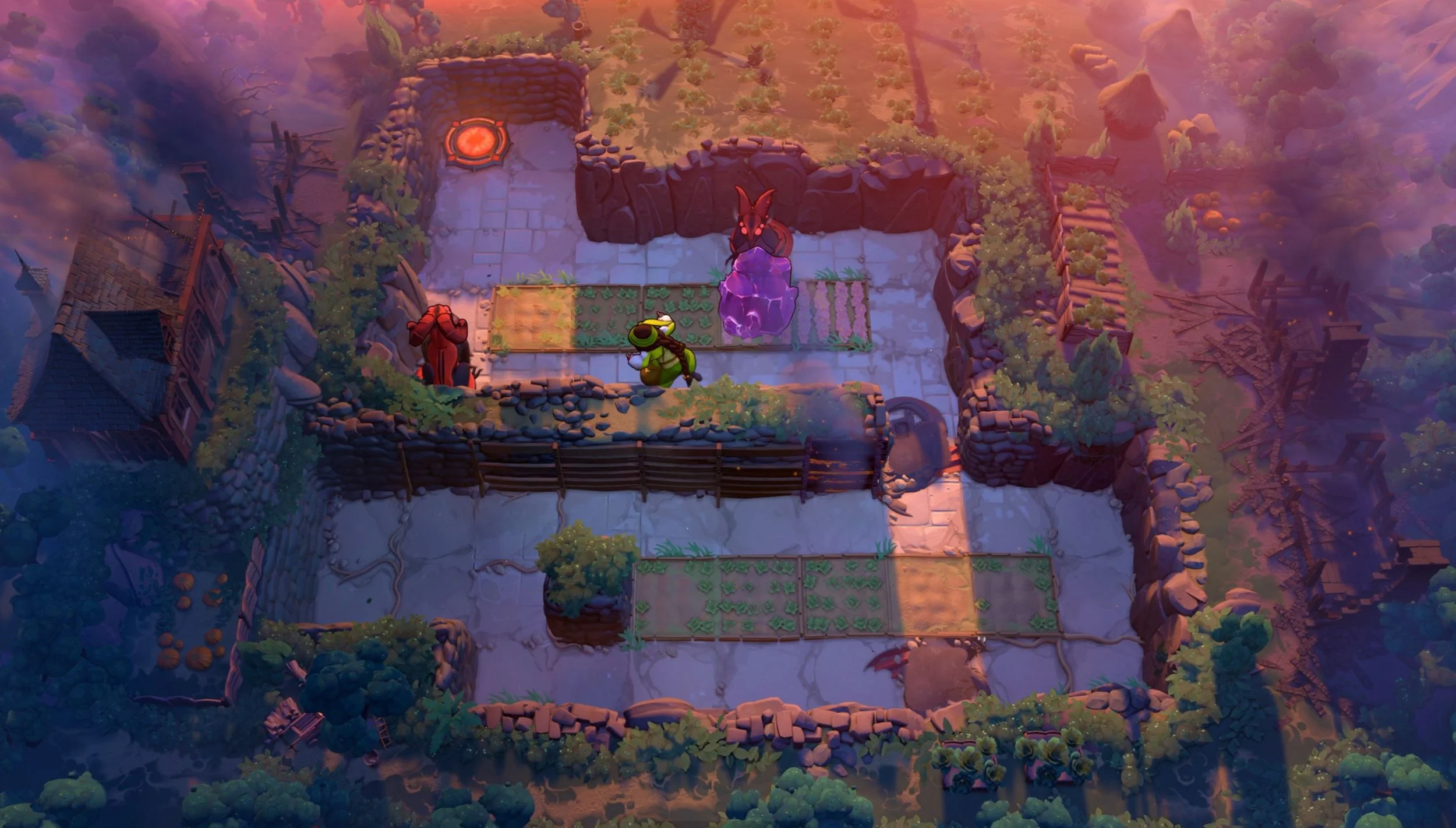
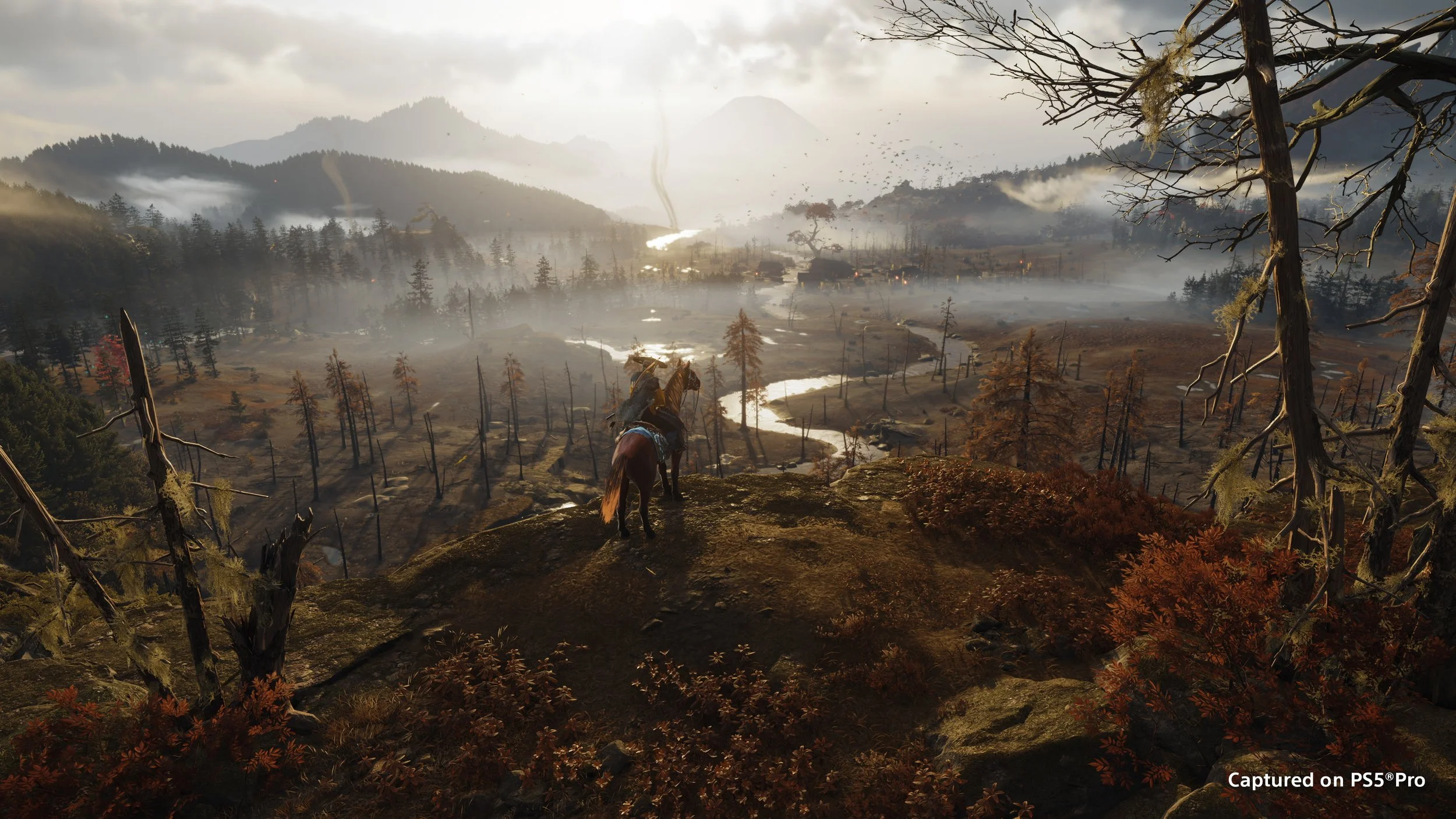
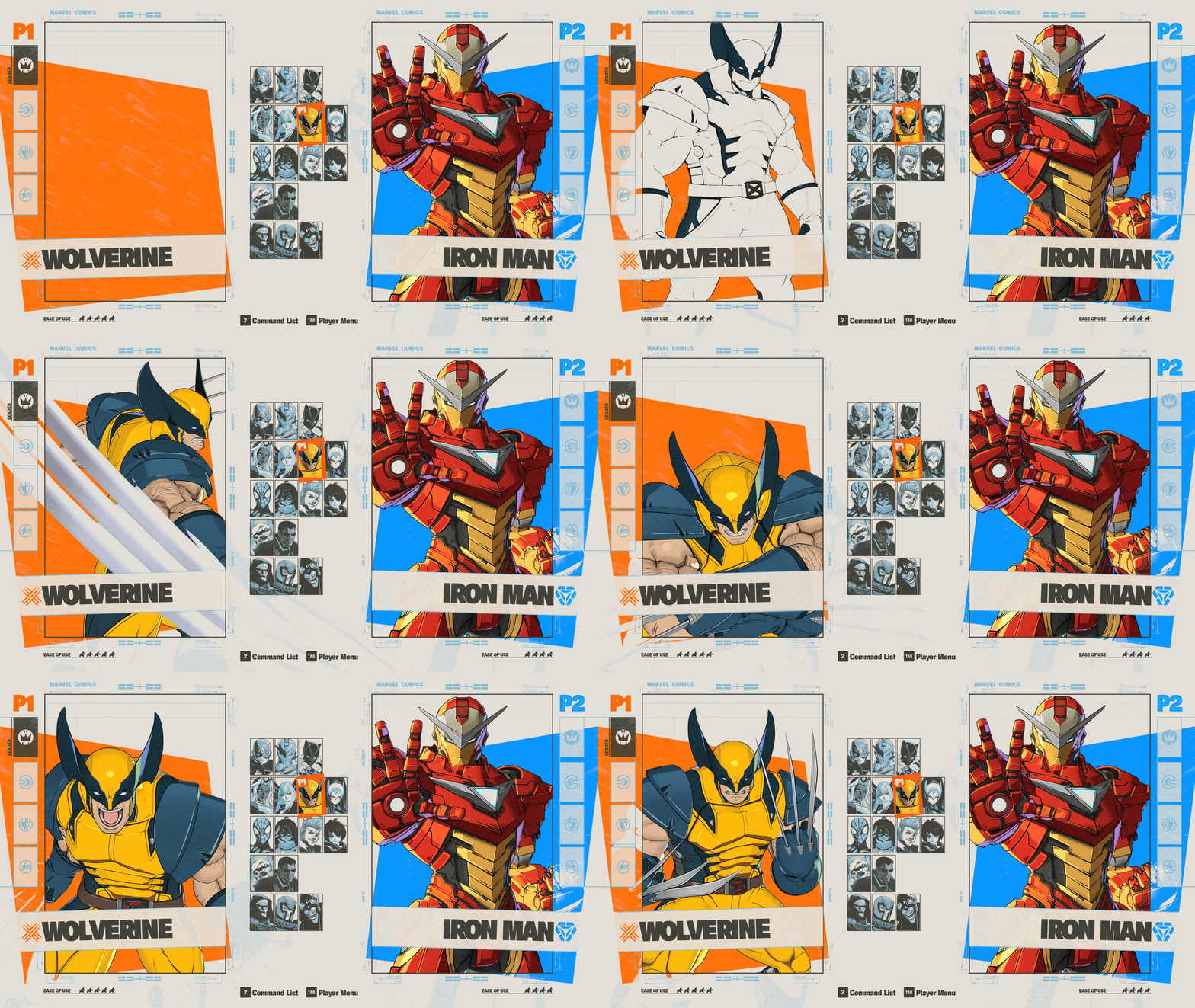
“There are too many games.” This is a statement we hear thrown around regularly, but what does it actually mean? Surely having more games to choose from is a good thing, right? In theory, it absolutely is, but the issue facing gamers is that the sheer volume of games being released every month means that finding something genuinely worth playing can feel like trying to spot a drop in the ocean.
The increased ubiquity of digital distribution and dev tools that can be accessed and learned by anyone has been great for game development overall. Indie devs from around the world can now create and release their own games without needing backing from a publisher. This allows for quirky, unique ideas to come to fruition that may otherwise never have seen the light of day because they would be passed over by a more traditional publisher.
But as a result, these smaller niche games are released onto oversaturated storefronts and are subsequently buried by the almost incomprehensible amount of content available to players.
And this issue is only getting worse. Every year, the number of games released on major gaming platforms continues to grow. Taking Steam as an example, Valve's platform saw more than 21,000 games released in 2025, compared with fewer than 7,000 in 2017. More than 18,000 games have already arrived on Steam in 2026.
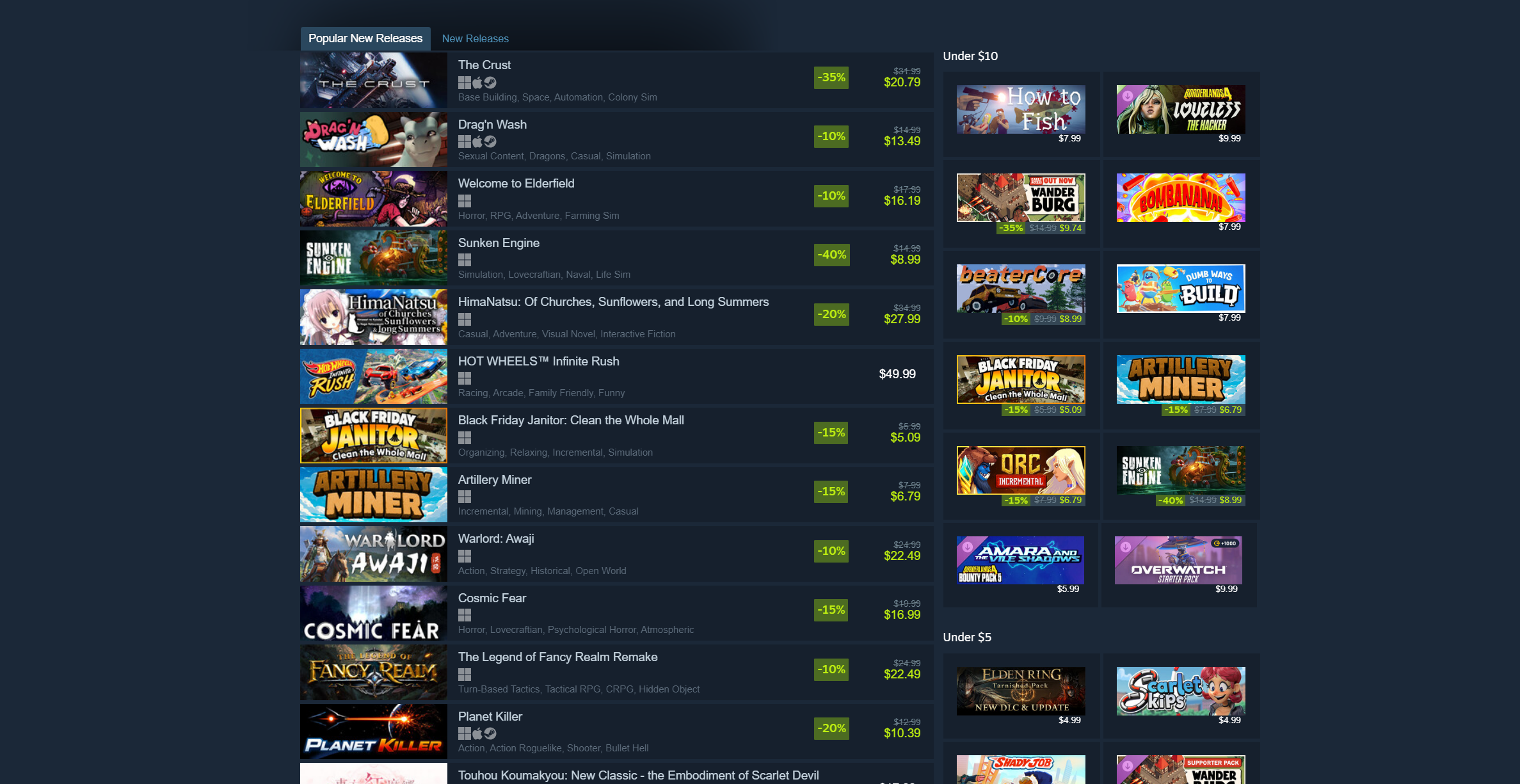
There are now so many games being released on a weekly basis that even someone who spends every spare hour gaming could never realistically experience more than a fraction of what is available. This creates a very specific problem for the modern gamer; we have more choice than any generation before us, yet discovering something genuinely special can be harder than ever.
Regardless of the quality of the end product, visibility has become one of the most valuable commodities in the industry. Digital storefronts have attempted to solve this problem through recommendation algorithms and personalised discovery systems. Ultimately though, the truth is that whoever has the biggest marketing budget is the studio whose game will be featured most prominently.
The rise of indie studios has produced some of the most creative and memorable gaming experiences of the past decade, and we should never want to return to an industry where only publishers with millions in the bank decide which games deserve an audience.
This is why curation is so important and needs to get better. The people running these storefronts have a responsibility to strike a difficult balance. They shouldn't be deciding which games are allowed to exist, but they should be doing more to determine which games deserve to be seen. That means maintaining a reasonable standard for what gets published while also finding better ways to identify, celebrate and promote the hidden gems that might otherwise disappear beneath the sheer volume of shovelware.
It is a difficult balancing act, but it is one worth getting right. Giving developers the freedom to create and release whatever they want is ultimately good for gaming, but that freedom means very little if their best work is doomed to disappear into an oversaturated storefront where nobody ever finds it.