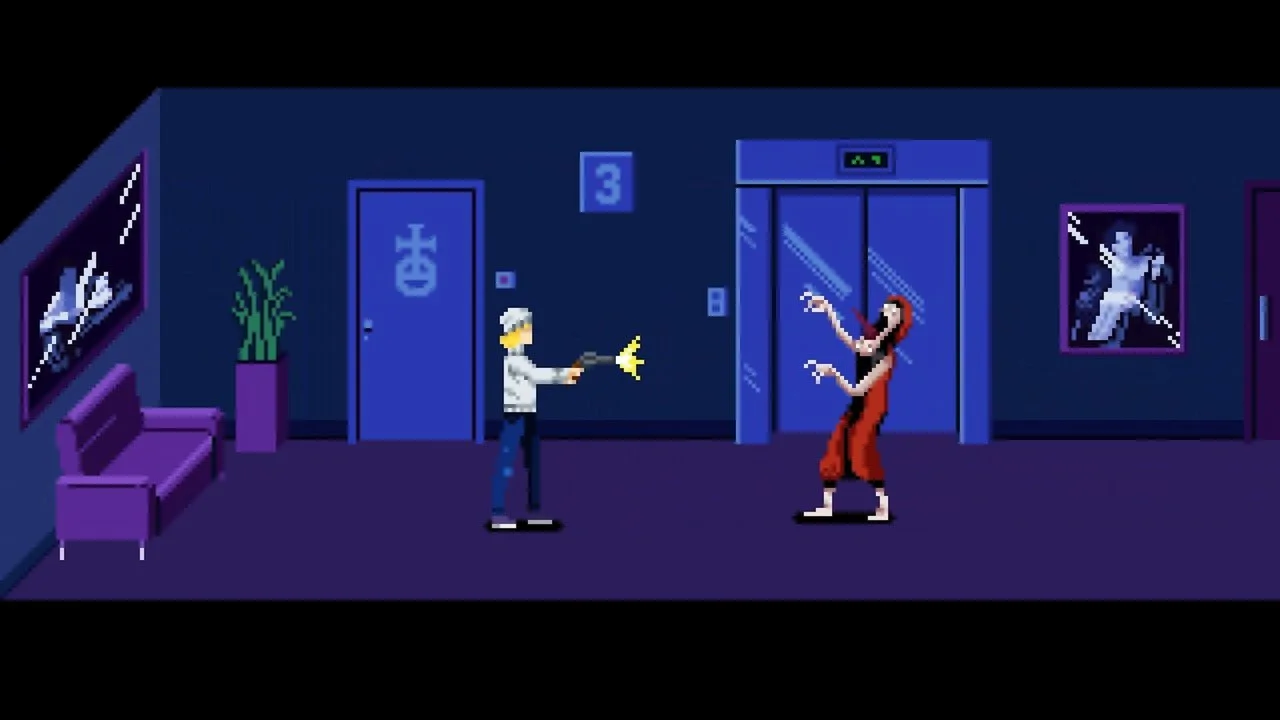
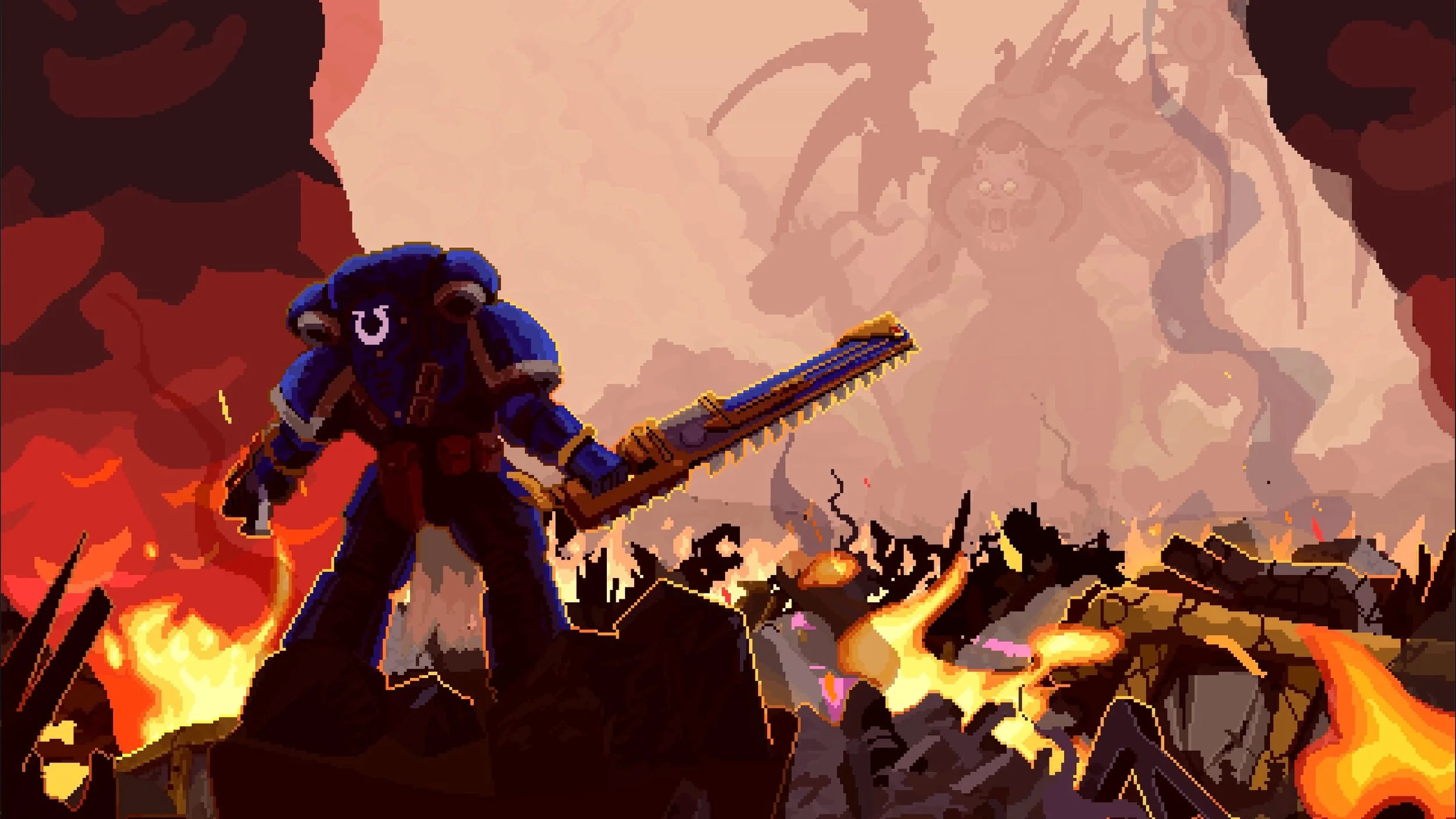
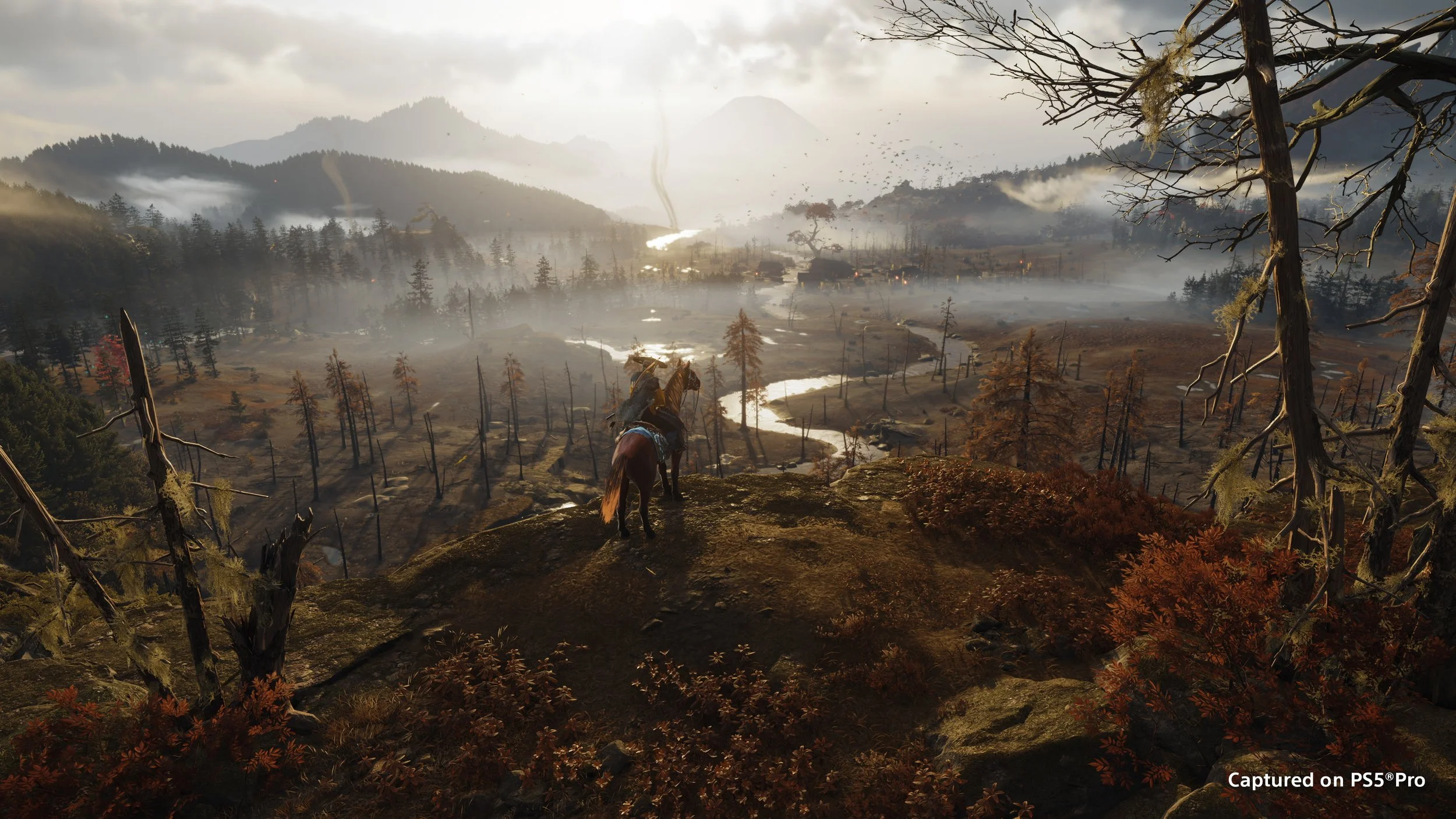
Video games have always been more than just fun. They make worlds where users may tell stories, compete, or explore. NPCs, or non-playable characters, are a key aspect of these worlds. These characters make the game world feel alive. They can be nice villagers, shopkeepers, or foes who want to stop the player.
NPCs could only do a few things for a long period. No matter how many times players met them, they always said the same things. This is starting to change as artificial intelligence gets better. NPCs have a very bright future, and they could change the way we play games forever.
From Scripted Roles to Smarter Characters
NPCs used to be like parts of the background. They have set tasks and simple jobs. Players rapidly figured out how NPCs acted, and after that, there was nothing new to learn. After a while, this made games easy to guess. Things are different now.
Developers are employing AI to make NPCs that feel more real and less like machines. AI-driven NPCs are now going beyond set lines, just like anime ai chat shows how characters can act in more realistic and imaginative ways. They can respond to players in diverse ways instead of just saying the same thing over and over. This makes them feel more like actual people in the game environment.

Creating More Natural Interactions
One of the most intriguing things about AI is that it lets NPCs have discussions that don't feel forced. In older games, you could only talk to an NPC by picking one of a selection of pre-written lines. This made the conversation feel rigid and boring a lot of the time. AI lets NPCs respond in real time and think about what the player says or does.
Imagine asking someone in a village for directions and getting an answer that sounds like it came from a person instead of a machine. Or think of a guard who recalls that you tried to get past him before and acts differently the next time. These interactions make you feel more like you're in the game. Players no longer feel like they are clicking through text; instead, they feel like they are chatting to a real person in the game world.
NPCs That Learn and Adapt
AI also lets NPCs change and grow. Characters in older games seldom learned anything new. They behaved the same way from the start of the game until the end. NPCs can change based on how the player treats them, thanks to the current AI. If a player helps a character, that NPC might become a loyal friend. The character may be chilly or even hostile later if the player ignores or hurts them. This gives choices weight and makes them feel important.
The gaming world is less about set paths and more about the narrative that players make by what they do. NPCs that can change provide you with limitless ways to play games again, since no two adventures will be the same.
Building Worlds That Feel Alive
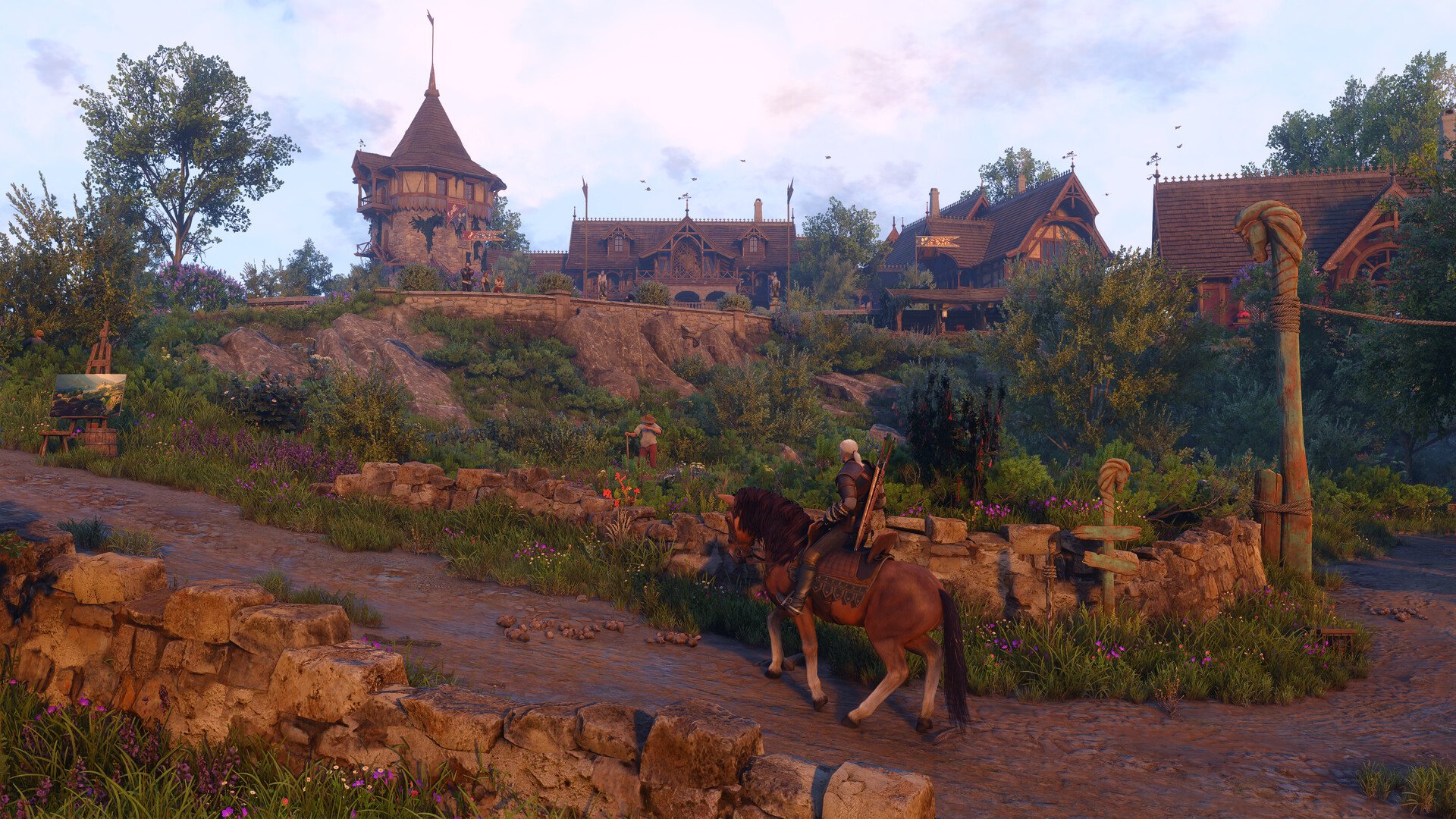
There is more to games than just the characters. There is a lot going on in these realms. AI-controlled NPCs can make these environments more real and interesting. They can have their own habits, feelings, and aspirations instead of just standing still or going in circles. A farmer may get up early, work in the fields, and then go to bed at night. If it rains or he learns terrible news, a store owner might close his store.
These little things may not seem like much, but combined they make the world feel real. People can feel like they are in a real environment instead of on a stage. This depth pulls people in more and makes exploring more fun.
Challenges in AI NPC Development
Of course, it's not easy to make NPCs intelligent. There are a lot of problems that developers have to deal with. One challenge is finding the right balance between enjoyment and realism. If NPCs are too lifelike, they could do things that players find dull or annoying. For instance, a shopkeeper who won't sell you anything because he's weary might seem natural, but it could also make the game run slower.
Another problem is performance. Not every gadget can operate AI systems smoothly because they need a lot of computing power. Developers need to come up with new techniques to make NPCs smart without making games too slow to play. Cost is another issue, since building and keeping up complex AI technologies is not easy. These problems suggest that the way forward for NPCs won't be easy.
The Impact on Storytelling and Player Experience
More intelligent NPCs can change how stories are told in games. In the past, stories frequently had a set script. Players could choose, however, the selections didn't have a lot of effect. AI NPCs may make stories happen in ways that are unexpected and new.
Each player might have a different reaction from the characters, which makes the experiences feel unique. The way a hero treats particular NPCs along the route might completely change the course of their journey. This style of storytelling lets players feel more like they are a part of the universe and care more about the choices they make. It makes games into experiences that are not just fun but also unforgettable.
Bottom Line
AI revives NPCs. They're not background characters repeating themselves. Their intelligence, naturalness, and adaptability are improving. They may converse with players realistically, create life landscapes, and shift stories unexpectedly.
Developers must work hard to make these systems fair and smooth, but the possibilities are immense. Future NPCs with AI will make games more than fun. They become actual worlds with characters who grow, learn, and give players diverse experiences.