The common misconception is that player-made content is a pleasant extra, separate from a game's creative life. That view misses how mods, custom maps, visual packs, add-ons, and creator-built modes can alter the goals, rules, or appearance players encounter after the original release. One upload does not guarantee a larger audience or longer lifespan.
A healthy creator ecosystem can still give a familiar game fresh directions and reasons for repeat discovery. Players can make, share, refine, and discover ideas that the original studio did not define. The real value lies in an ongoing exchange: creators respond to feedback, communities identify promising work, and new projects can reshape play.
Creator ecosystems expand the playable space
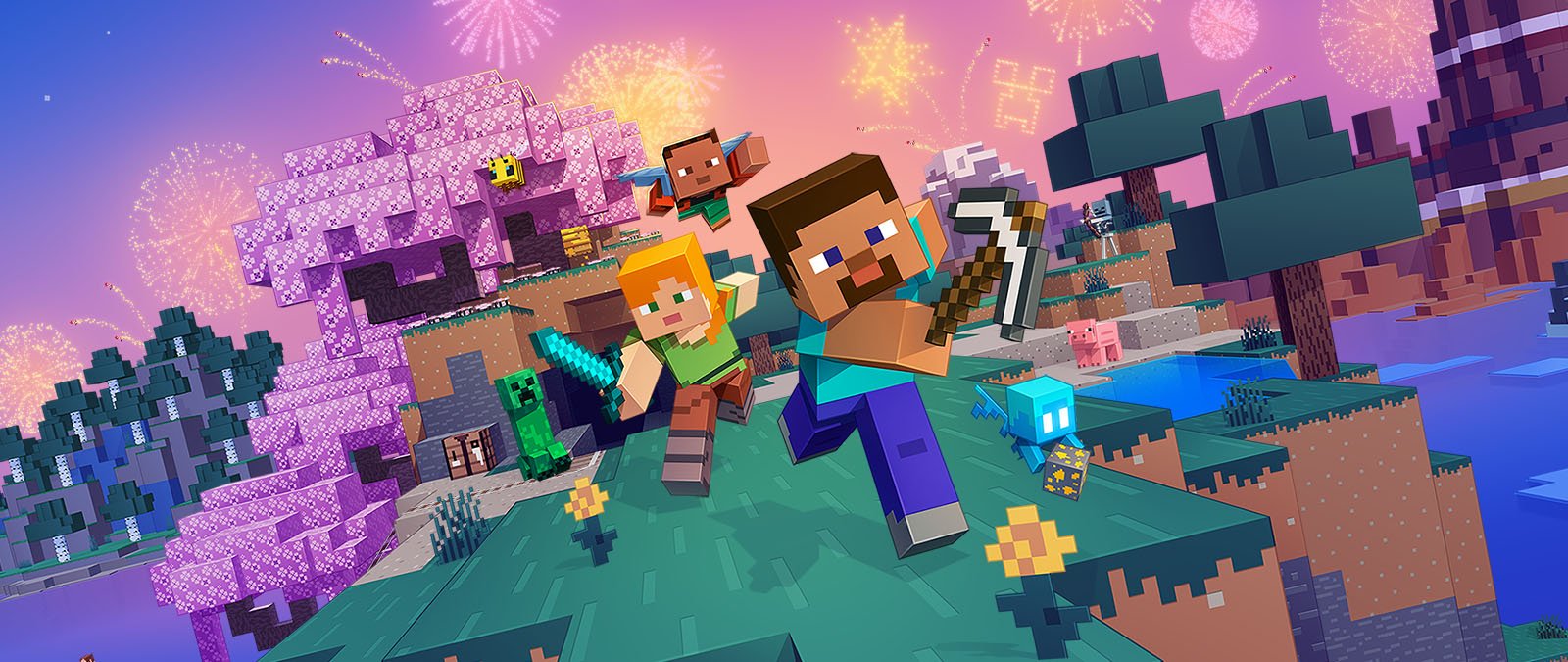
Minecraft offers a curated example of this process. Minecraft Marketplace is a Bedrock Edition library of content made by community creator partners, with skin packs, texture packs, mash-ups, adventure maps, mini-games, survival spawns, and add-ons among its categories. Minecoins purchase Marketplace content, so a cheap Minecoins gift card can be a practical route after a player identifies a creation to try. Minecraft lists Bedrock compatibility across Windows, Xbox, Nintendo, Android, iOS, Chromebook, and Amazon Fire, subject to the product and account requirements it shows.
Cheap Steam games can come through Steam sales, bundles, or digital marketplaces that list discounted keys. Eneba is a digital marketplace for game keys, gift cards, and digital products, where verified merchants provide legitimate digital products. Its product pages can show clear regional compatibility and platform information, which helps buyers choose the right version for their account. That clarity supports access to content across regions and leaves more room in a budget for creator content in supported games.
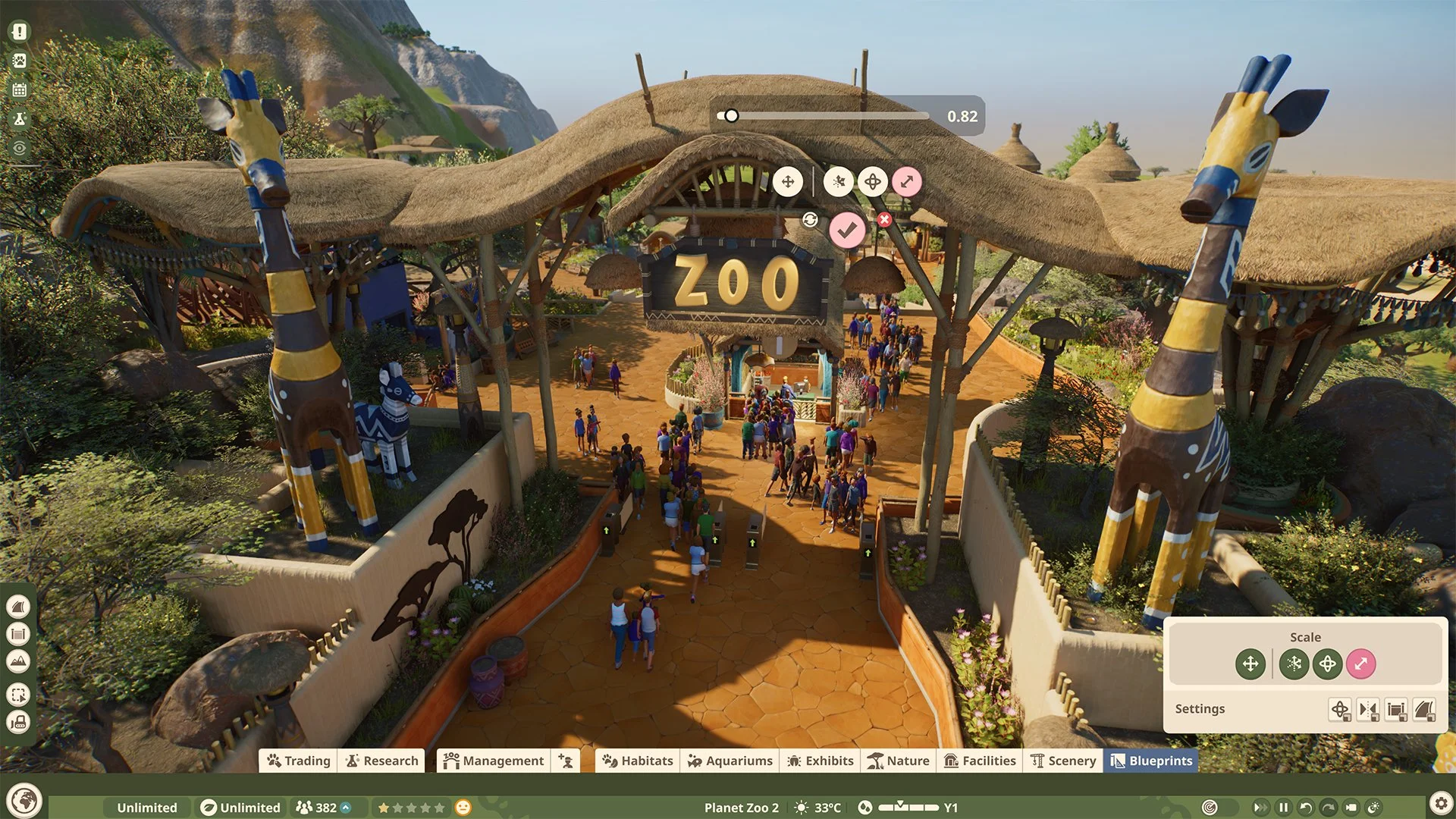
Steam Workshop illustrates a different publishing route for supported games. Players can submit, discover, rate, and download content and modifications, while creators can update their work as projects develop. The model differs by game: Team Fortress 2 users can submit items for consideration, while Skyrim mod authors can publish mods that players subscribe to and use. Ratings, subscriptions, and creator updates offer feedback signals that can direct revisions and help players find community work. Steam Workshop tools also include version support and compatibility information for some games.
Maintenance and feedback keep creation active
Those tools point to an often overlooked part of UGC: publication is followed by care. Creators can specify supported game versions where the tools apply, and game updates can affect mods or maps. Reading available version and compatibility information helps players choose content that fits their setup. Continued creator updates give community projects a chance to remain aligned with current play.
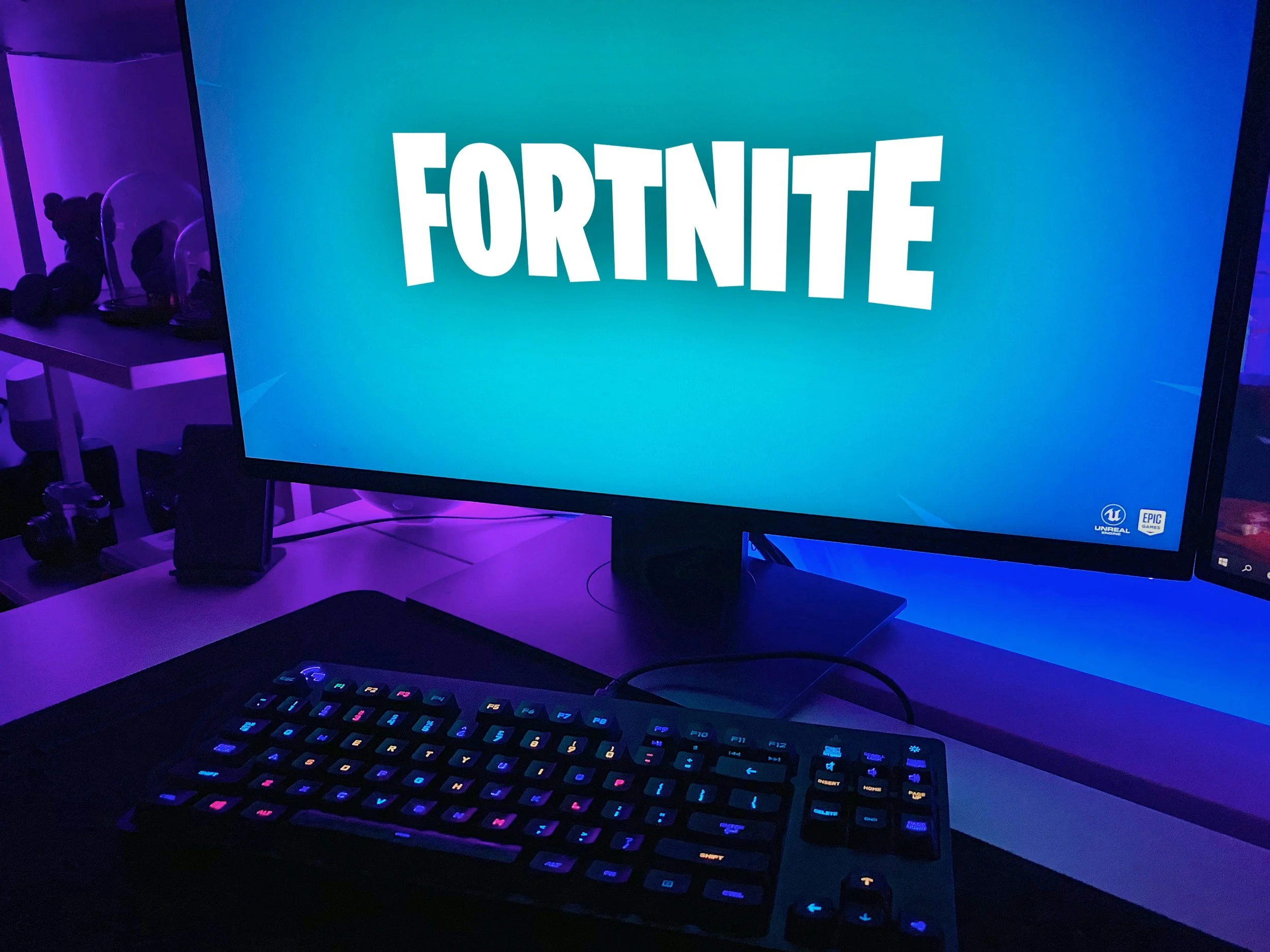
Fortnite Creative and Unreal Editor for Fortnite provide a publishing workflow for player-created islands. Epic's documentation states that creators can continue to iterate on and manage published projects. That process treats UGC as ongoing development work, shaped by revisions and attention after publication. Curated systems can add quality and suitability review, while mod communities can use different publishing routes.
Meaningful creation tools turn a fixed release into a platform for experimentation, collaboration, and repeat discovery. Each ecosystem sets its own access and publishing rules, so a player's choices should follow the content type and available information. For Minecraft Marketplace content across regions, Eneba can be part of an informed route when regional compatibility and platform details match the intended account. The hidden value of UGC remains the exchange between players, creators, and shared game spaces.