Visuals have always been most important in gaming; the pixelated sprites of the 1980s, to the ray-traced landscapes of today have all driven the experience by what you were viewing.
However, in recent years it is something quieter, and equally transformative, that has arrived. The world of gaming audio is undergoing a revolution ourselves where adaptive technologies determine in real time how we play, move, and feel.
On platforms like PlayStation 5, Xbox Series X, and premium gaming PCs, spatial sound, intelligent headsets and haptic systems have become fundamental to the gaming experience. Not only do these systems play sound, but they also interpret sound, respond to player interaction, modify as game space changes, and establish a sense of three-dimensional space so tangible that sound in silence becomes awkward to experience after you previously won the game's cognitive struggle.
This transition to intelligent audio and intelligent devices reflects a broader trend within technology: Away from being a passive device to being an intelligent system. We have transitioned from listening to our devices to devices that listen for us. In gaming where immersion is everything, that is a profound change.
The Rise of Spatial Audio
Spatial audio is the largest advancement in gaming sound since the debut of stereo. Instead of left and right sound, spatial technology copies how we hear in the real-world, and sound waves bounce and cooperate around us. The end result is a 360-degree experience that allows players to find action as much by their ears as their eyes.
Tempest 3D AudioTech for PS5 by Sony is perhaps the most sophisticated example of this. It has been seen in games like Returnal and Horizon Forbidden West, using complex sound mapping techniques to immerse a player within the space. The direction of rain changes as you turn your head. You can hear enemies take an action before they render on the screen. This is not sound for the atmosphere, it is sound for survival.
With Microsoft’s Xbox Series X, you have a similar advantage with three-dimensional audio. With the right Windows Sonic and Dolby Atmos compatible headset or home theater, you can have an immersive gaming experience. Similarly, PC gaming has adapted with third-party technologies such as DTS Sound Unbound and Razer’s THX Spatial Audio. The limiting factor is no longer the hardware, it's the software.
This kind of 3D soundscape represents a psychological leap. Games can now manipulate sound not just to inform but to guide. A distant footstep can suggest danger, or a whisper might lead players to hidden objectives. It creates emotional tension, narrative direction, and sensory clarity that traditional surround systems could never achieve.
Even outside of gaming, industries have figured out how to apply sensory immersion as a competitive advantage. Take online casinos where a mere digital card tables evolved into something similar to film with 3d soundscapes, ambient sounds you would hear in a brick and mortar casino, and the lighting and interfaces incorporated to simulate a real-life casino gaming floor. Video games utilize sound in various ways to engage players even further, while online casinos utilize sound as a tool for realism, trust, and emotional ties to the players.
Smart Headsets and Haptic Feedback
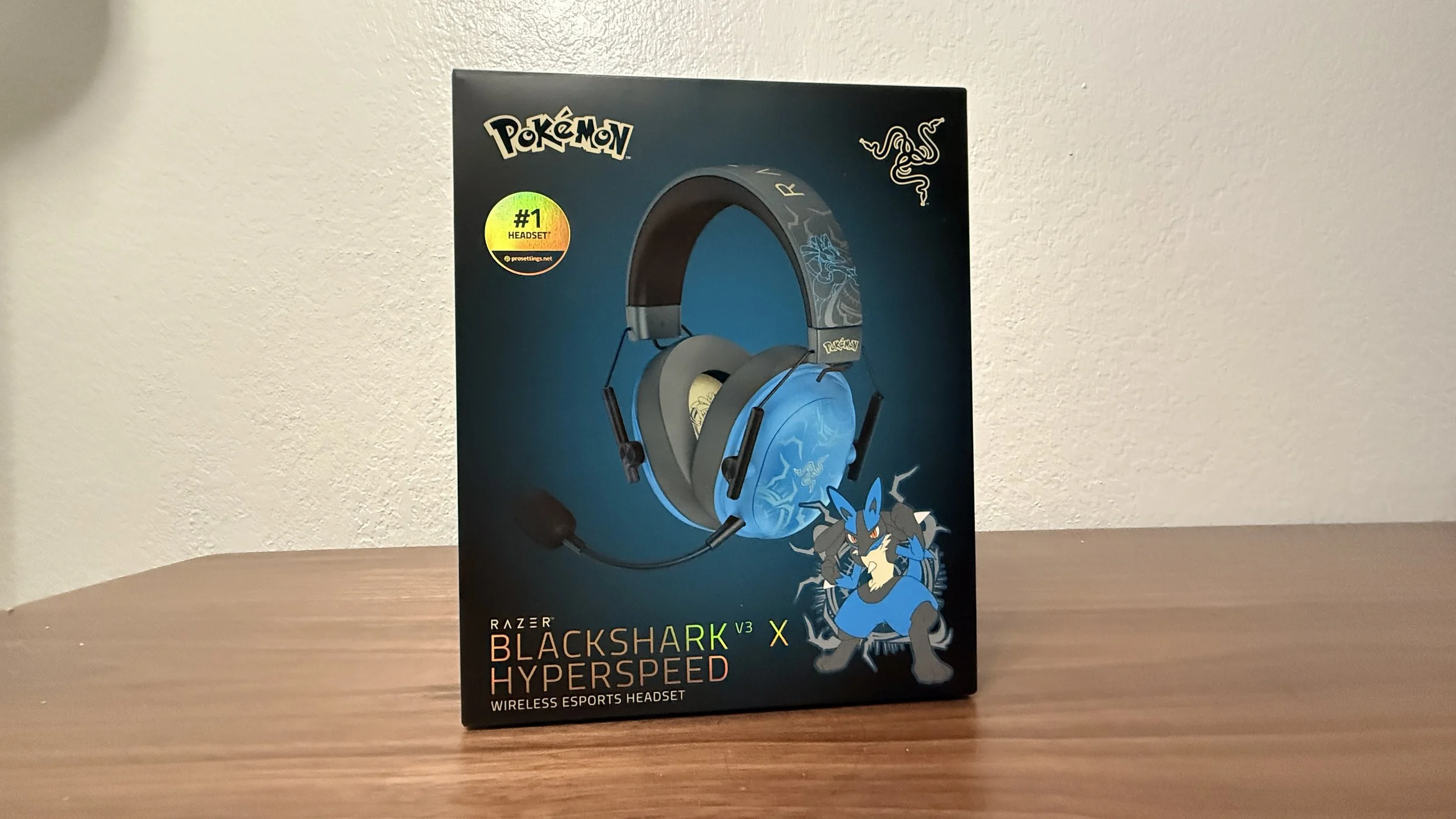
The headset market has also changed to reflect this new reality. Devices like the Sony Pulse Elite not only deliver clear audio but also actively analyze and adapt it. These headsets feature machine learning-based algorithms to allow dynamic adjustment of equalization for the kind of game being played, the player's preferences, or even the acoustics of their physical space.
Developers have begun testing “biometric feedback,” where headsets measure heart rate, or stress indicators to affect the soundscape. For example, consider a horror game that increases the audio tension of the experience as your heart rate increases. Or, a first-person shooter where the ambient noise increases as your adrenaline spikes. These scenarios are incredibly close to reality at the moment. There are some existing VR prototypes that use this technology, and there is a potential future where soundtracks will literally accompany our emotional rhythm.
The New Frontier of Immersion
Adaptive audio is evolving past gameplay. The same digital technology that enables depth in Call of Duty firefights, or the sensation of revving engines in Gran Turismo 7, is being implemented into service platforms such as virtual meetings, accessibility tools, and digital wellness products. Sounds can potentially enhance focus, simulate environments, and even promote relaxation.
When it comes to playing games, the response is less abstract, and the impact feels the most immediate. Adaptive audio turns your screen into a space, changing a flat experience into a vibrant, dynamic world, creating tension in stillness, comfort in music, and authenticity in chaos. It also brings immersion to everyone with a good pair of headphones that can match the experiences that used to come from expensive surround sound.
As developers continue to experiment, we are likely to see more crossovers between disciplines. Imagine games that learn how you hear, adjusting dynamically to your ears’ unique shape. Or online multiplayer titles that use environmental acoustics to mimic real-world communication, allowing teams to strategize through natural echo and distance effects.