For many years, the mini-map was the sidelined partner for every gamer. From Grand Theft Auto to Assassin's Creed, players were dependent on that small corner of their screen that told them where to go, indicated where danger was, and where their mission was located.
The mini-map was efficient, it was neat, it was vital. In recent years, game developers have begun to question the design crutch they've relied upon. The minimalist interface has developed to a new world of immersion, a world where players are not being guided by icons, but are invited to read the cues from the world around them.
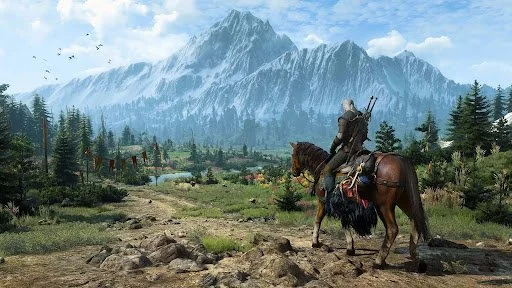
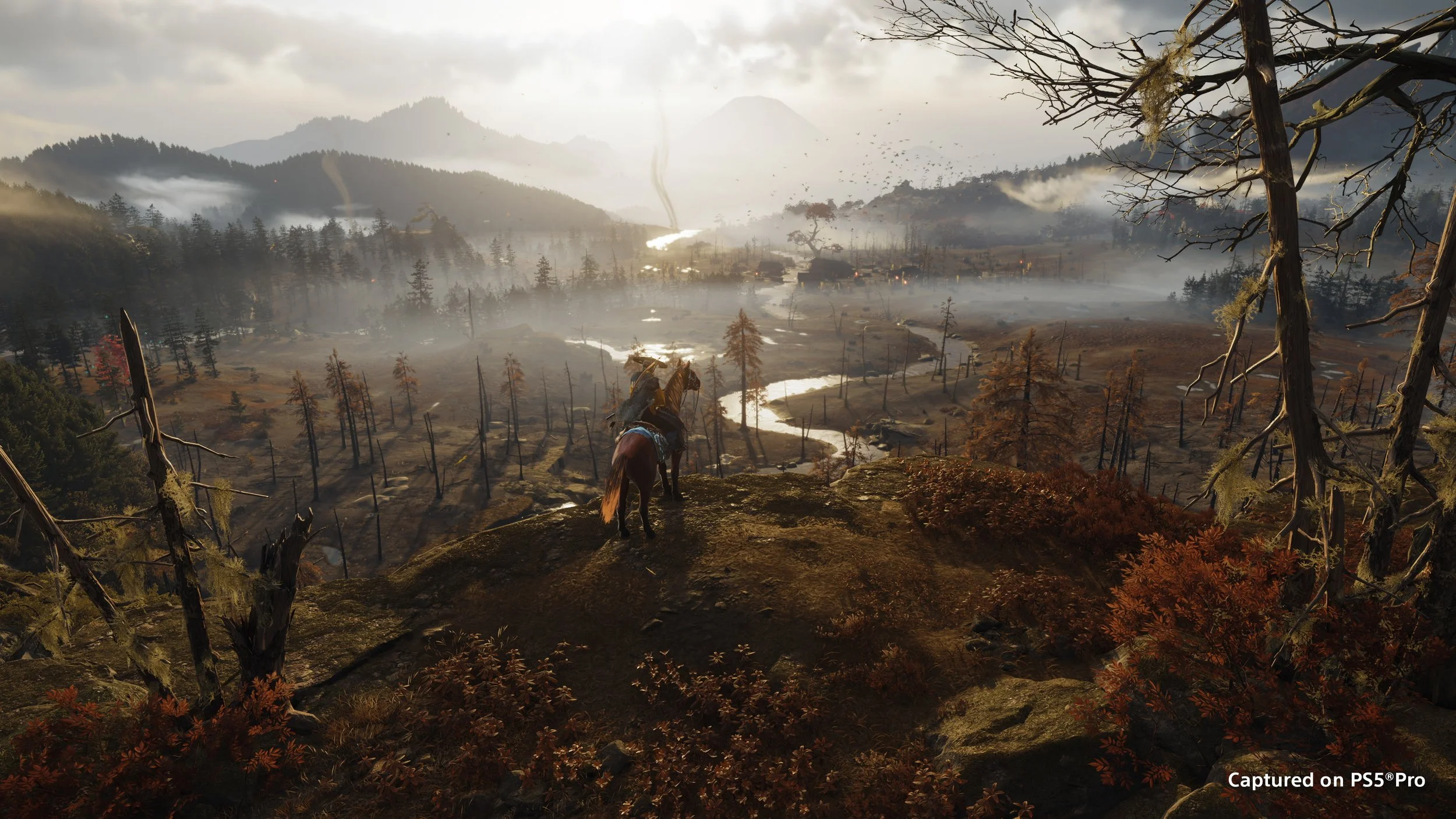
Such developments have been successfully started in cult games like Elden Ring, which almost obliterated the ordered quests leaving entirely up to each player how to proceed during the adventure. The famous walkthroughs became almost an individual experience for each player. This created a more harmonious experience while exploring, giving complete agency to each gamer.
This goes beyond merely aesthetics. By taking the mini-map out of play, we are significantly slowing the game down and encouraging players to take in detail, to remember landmarks, and to observe the environment. Most importantly, we are raising the stakes of exploration.
In a way, this design choice is like the gaming version of removing training wheels. You are sacrificing a little comfort, or ease, in your gameplay experience for a stronger connection to the world itself.
The Pokémon Revolution: Legends of Arceus and the Leap to Z-A
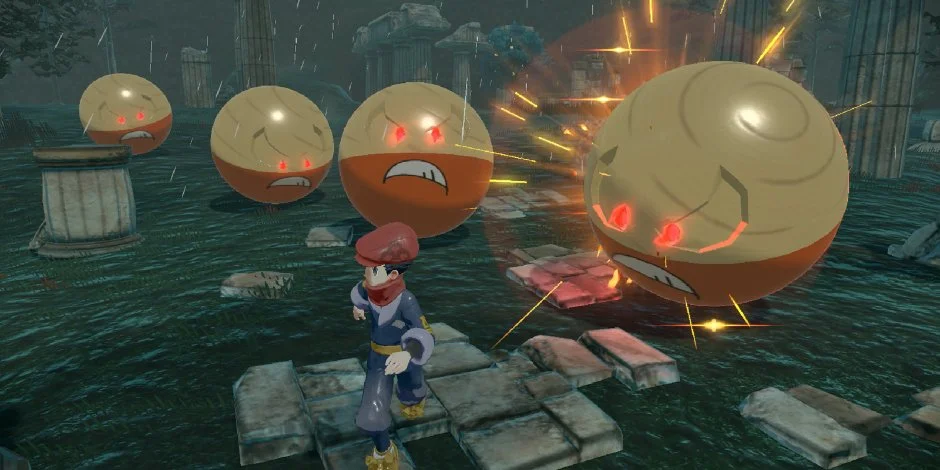
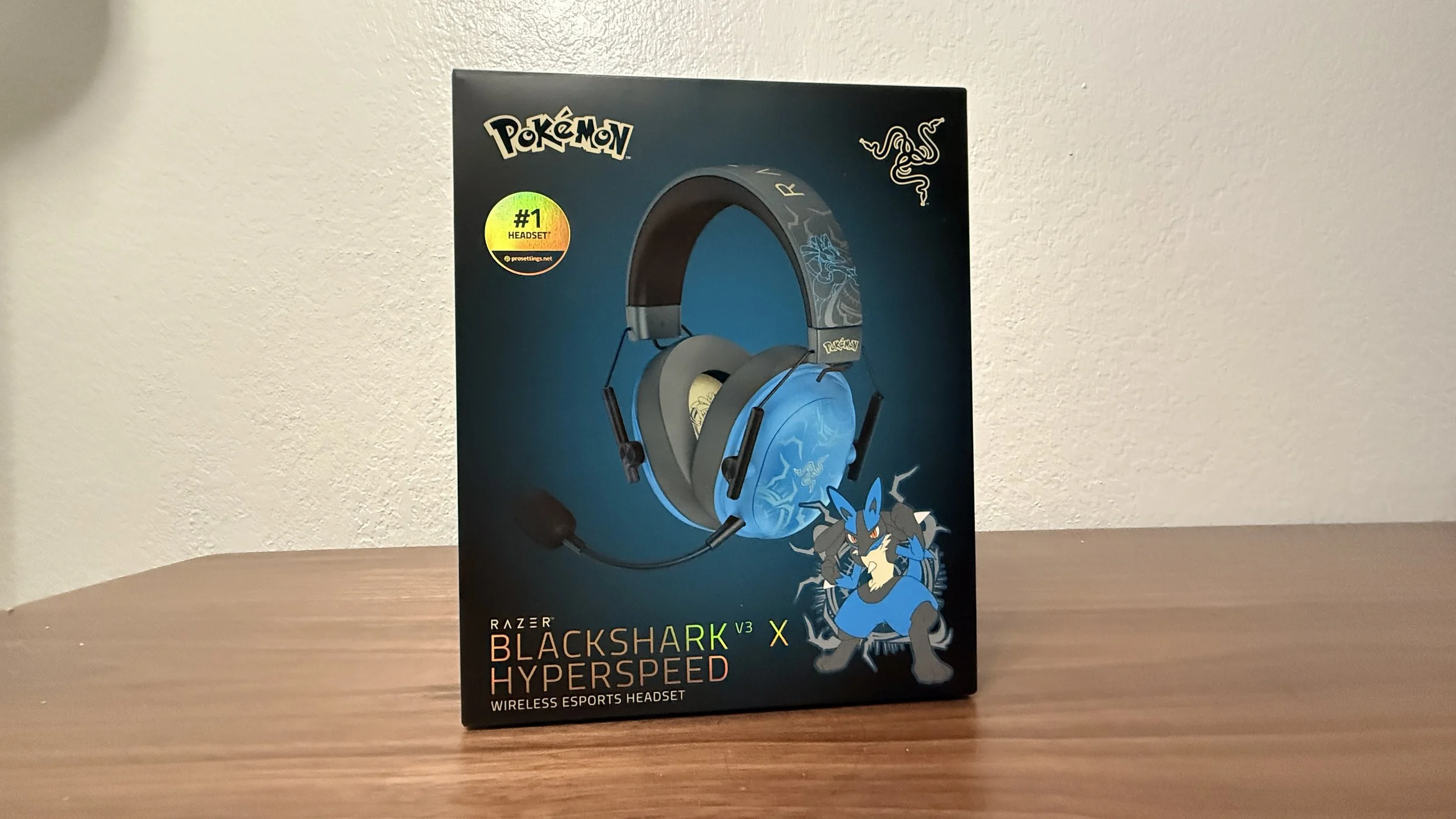
One of the most astonishing beneficiaries of this philosophy has been Pokémon. For decades, the franchise has focused on the linearity of routes and screens. But Pokémon Legends: Arceus launched and completely revised what exploration could mean in Pokémon. With its roots in the ancient Hisui Region, exploration was to wander freely, discover Pokémon habitats, and experience encounters holistically. The minimap was secondary to the exploration of your senses. Ultimately, the game rewarded curiosity, not just formula.
The recently released Pokémon Legends: Z-A appears to push this even further. Set entirely within Lumiose City, it aims to merge urban life with organic discovery. Instead of vast wild regions, players will explore a sprawling city where Pokémon and humans coexist naturally. What makes it fascinating is how Game Freak plans to make exploration work in a dense, vertical environment. The game reportedly integrates “wild zones” inside city districts, blending architecture and nature in a way that encourages players to navigate without constant markers or arrows.
The introduction of real-time battles is even more interesting. No longer will there be static turn-based sequences; trainers and Pokémon move freely and dynamically within an active battlefield. This change is also a continuation of the industry's move toward immersion, where everything choices and movement happens in the flow of play. It is a gamble for something so ingrained in tradition, but it may prove meaningful if done well.
Breath of the Wild and the Art of Getting Lost
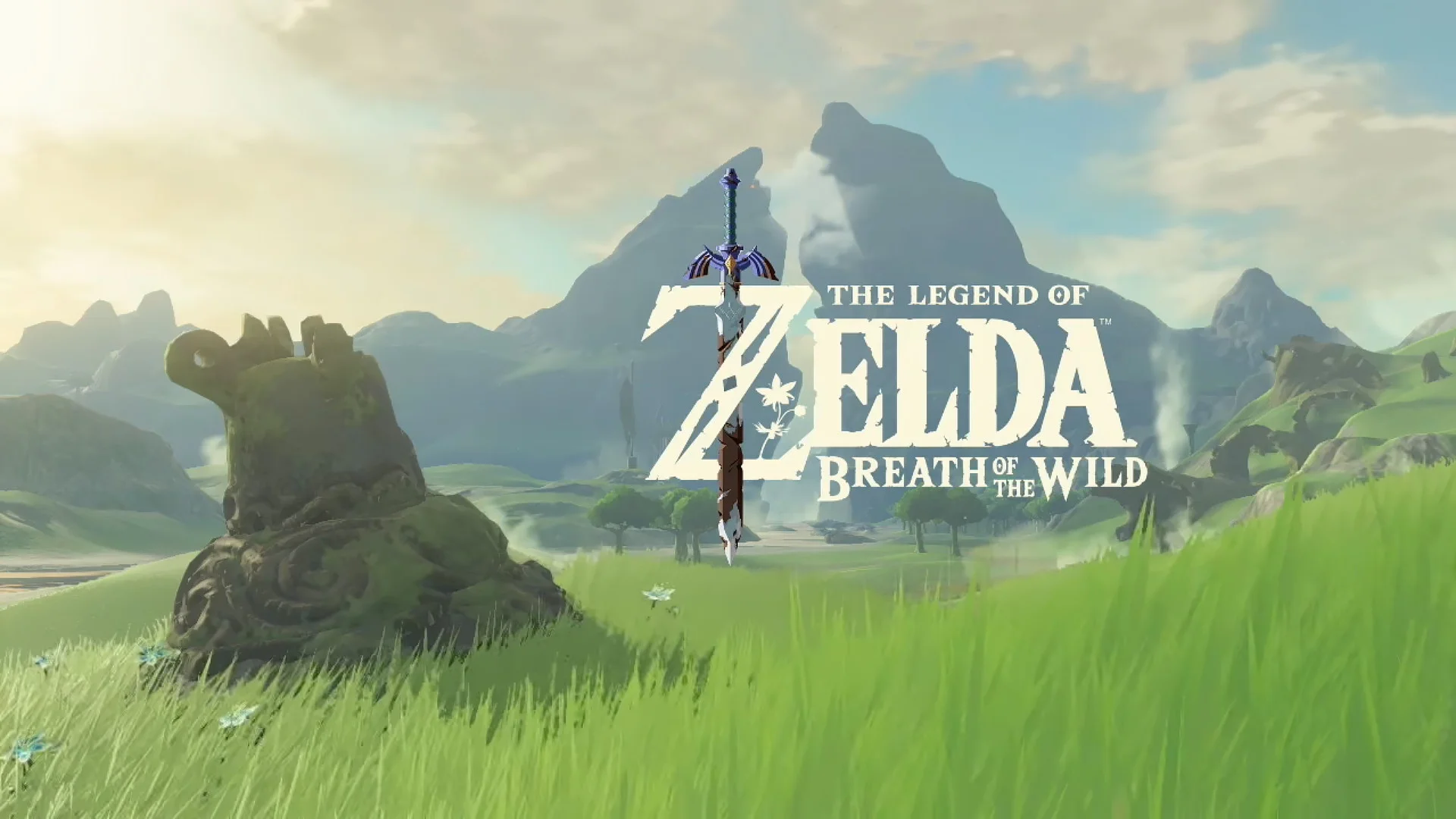
If there is one game that epitomizes the death of the mini-map more than any, it is The Legend of Zelda: Breath of the Wild. When Nintendo rebuilt Hyrule for its open-world debut, much of the structured navigation had to go. The map exists, of course, but it is blank until you climb a tower and survey the land. It is a world that invokes discovery rather than following.
Each mountain, river, and ruin in Breath of the Wild is speaking, and often without a single text box or pictorial icon to accompany it. This is one of the reasons many players describe their travels across Hyrule as being personal to them. The absence of a trail of breadcrumbs leads you to act based on instinct, making everything feel human. You climb because you see something intriguing. You venture into the unknown because you feel curious, not because a quest list told you to go that direction.
The Balance of Freedom and Guidance
It's fascinating to note that the idea of allowing users to explore, and trusting them to do so, extends beyond gaming. Real money casinos have adapted as well, designing experiences that feel immersive without overloading the player. The best online experiences rely on visual clarity, sound design, and pacing to draw users into the experience (without the need for constant prompts). They allow for a flow state, where the player feels like they have control, almost like exploring an open world. The similarities are striking both in modern games and online casino design, the most memorable experiences come from a combination of freedom and subtle direction.
In both discussions, immersion is key and it is based on keeping the player engaged without adding blinking icons or overloading the player with instruction.