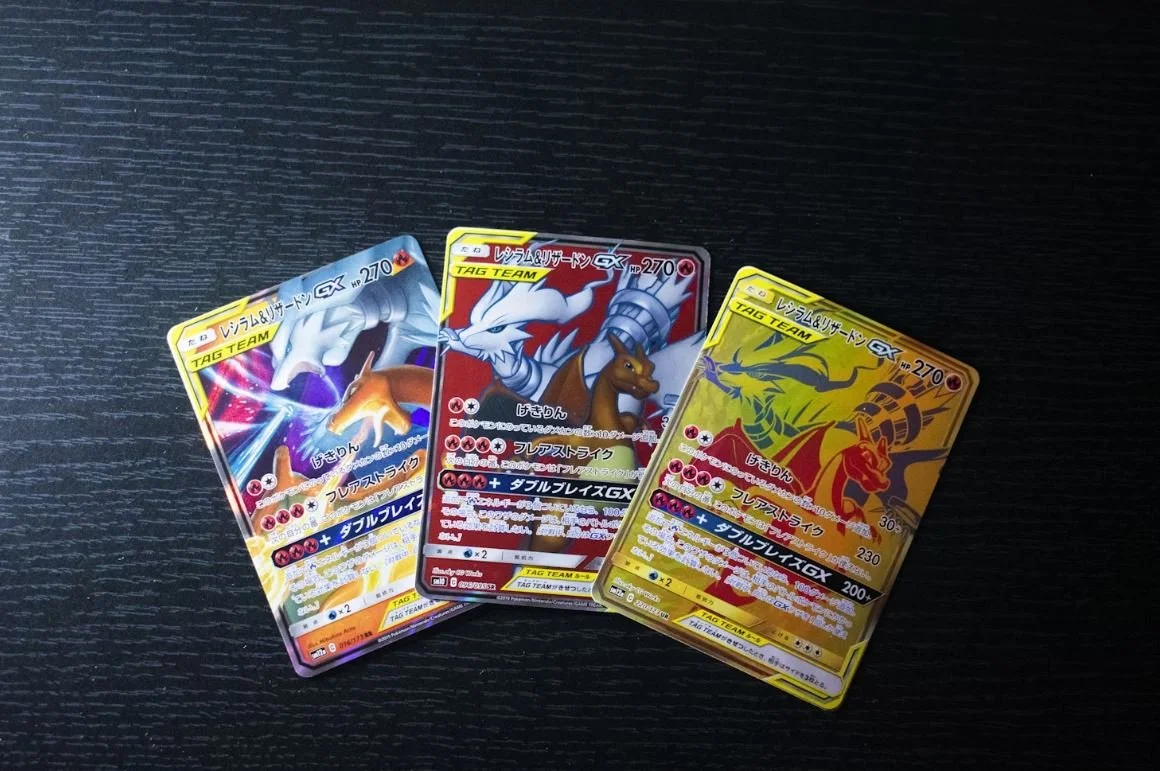
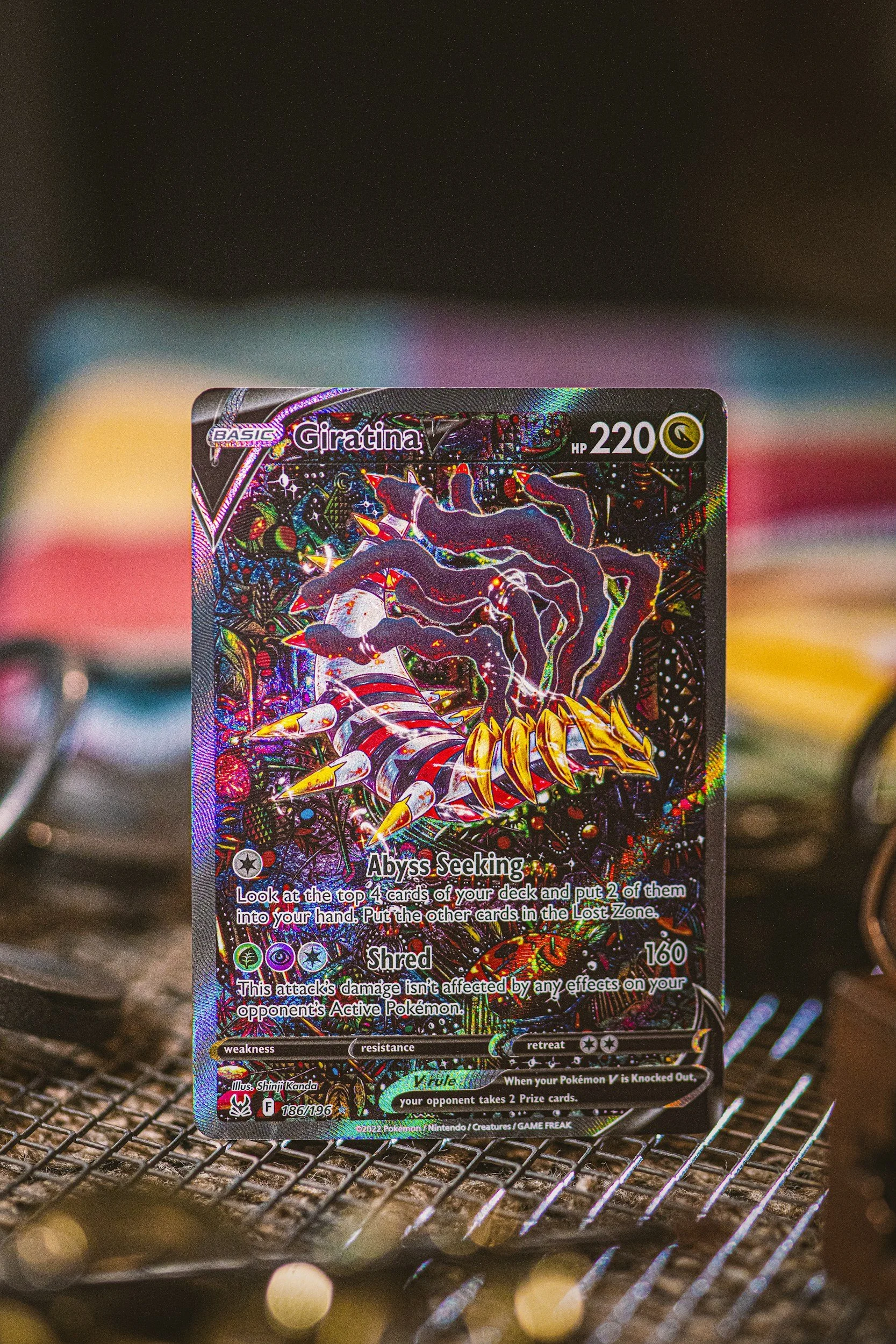
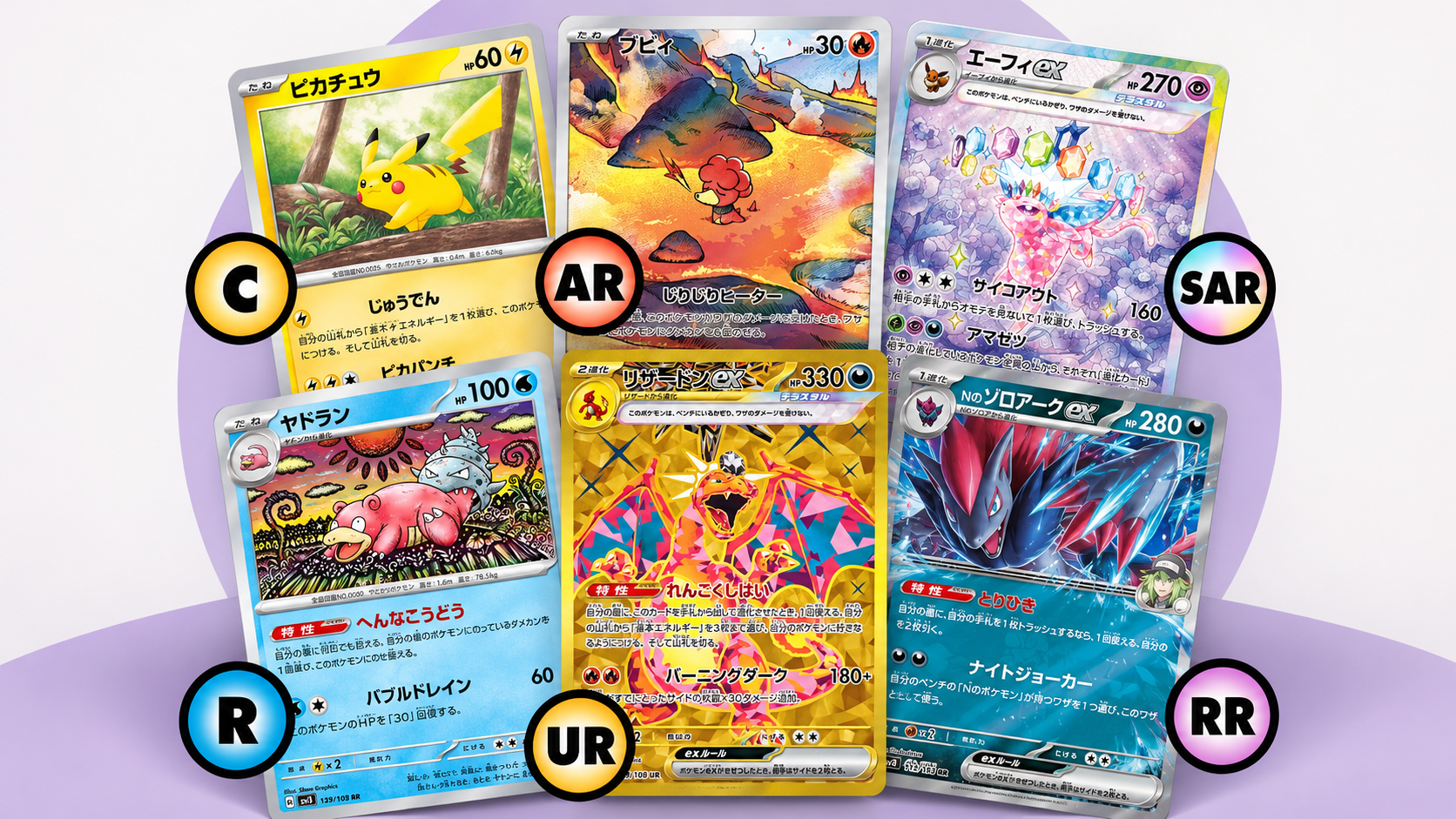
Pokémon cards have come a long way from being children's toys swapped at school playgrounds. Today, rare pulls from modern sets and vintage holos from the base set era command prices that rival fine art and sports memorabilia. A first edition holographic Charizard in PSA 10 condition has sold for hundreds of thousands of dollars. Even mid-range modern alt-arts regularly fetch serious money on the secondary market. For collectors who understand this, protecting card condition is not a hobby preference. It is a financial priority.
The good news is that maintaining card value does not require expensive equipment or specialist knowledge. It requires the right habits, the right materials, and a storage setup built specifically for the job. That starts with understanding what actually damages cards over time and choosing products like Pokémon card binders from BindSafe that are designed from the ground up to prevent it.
From the moment a card comes out of the pack, every decision about how it is handled and stored either protects or quietly erodes its long-term value. Here is what serious collectors do differently.
Why Card Condition Drives Value More Than Rarity
Most collectors assume rarity is the primary driver of a card's value. In reality, condition is equally important and often more decisive. A rare card in poor condition will almost always sell for a fraction of what the same card commands in near-mint or mint condition.
The grading system used by services like PSA and Beckett reflects this directly, with condition-related deductions accounting for the majority of grade reductions across submitted cards.
What Damages Cards Over Time
The threats to card condition are more varied than most new collectors expect. Physical handling causes surface scratches and edge wear. Sunlight fades ink and causes colour shifts that are immediately visible under grading lights. Humidity warps cards and causes the cardboard layers to separate. Even the wrong storage material can cause chemical damage over months or years, with PVC-based plastics releasing gases that interact with card surfaces and create a sticky, degraded finish.
The Cost of Poor Storage
A card that drops from a PSA 10 to a PSA 8 due to preventable storage damage does not just lose a grade. It can lose the majority of its market value. On high-value cards, the financial difference between a 10 and an 8 can run into thousands of dollars. Storage is not an afterthought for serious collectors. It is where value is either protected or quietly destroyed.
Building a Storage System That Protects Long-Term Value
The foundation of any serious collection storage system is a layered approach. Each layer adds protection, and together they create an environment where cards can be stored for years without degradation.
Start With the Right Sleeves
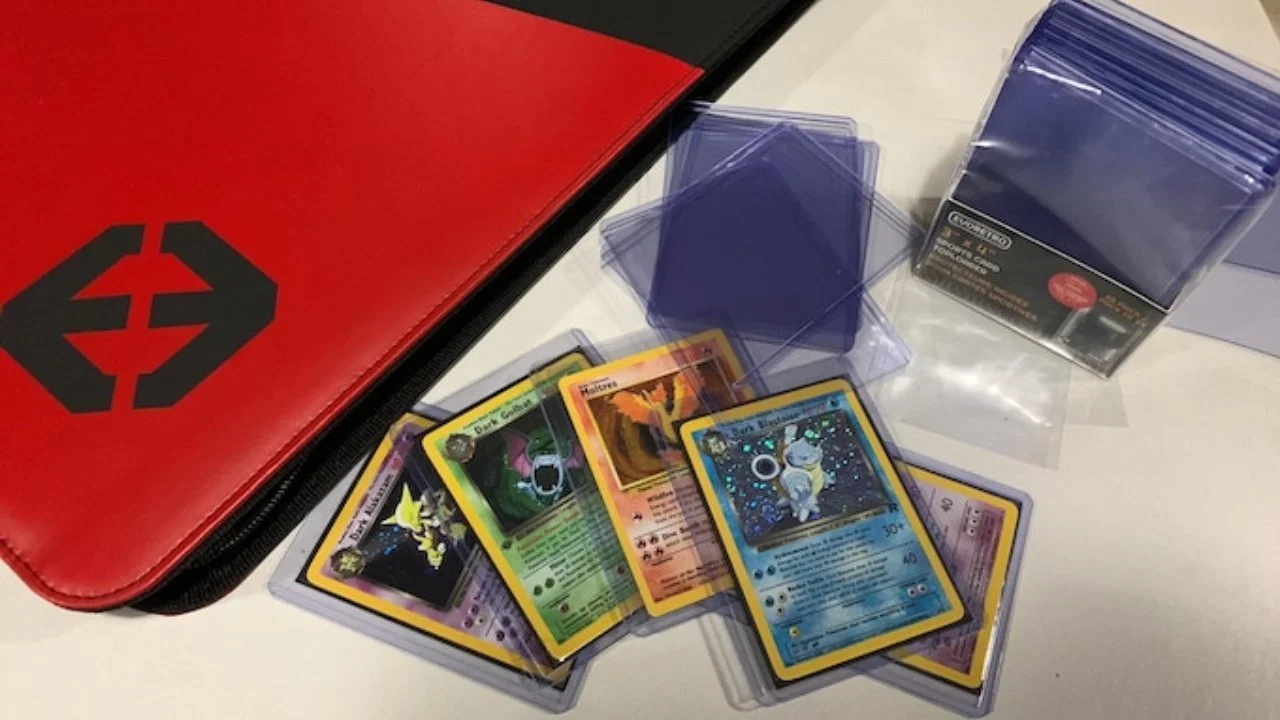
The first layer of protection is a sleeve that fits the card correctly and is made from archival-safe materials. Acid-free, PVC-free polypropylene is the standard to look for. Perfect-fit inner sleeves hold the card snugly, preventing movement that causes micro-scratches on card surfaces.
For high-value cards, double-sleeving with a perfect-fit inner and a standard outer sleeve adds meaningful additional protection.
Choose Binders Built for Card Safety
The second layer is the binder itself, and this is where many collectors underinvest. Not all binders are created equal, and the wrong choice can actively damage the cards stored inside. Cheap binders with top-loading pockets allow cards to slide out during handling. Pages made from the wrong plastics off-gas chemicals that damage card surfaces over time. Cardboard covers warp under humidity, pressing against cards and causing edge and corner damage.
Quality Pokémon card binders like BindSafe address all of these issues through specific design choices. Side-loading pockets prevent cards from slipping out. Acid-free, PVC-free pages eliminate chemical damage risk. Zipper closures seal the binder against dust, moisture, and accidental spills.
Reinforced spines allow the binder to open completely flat without putting pressure on pages or cards. These are not premium luxury features. They are the baseline requirements for a binder that genuinely protects card value over time.
Consider Toploaders for Your Most Valuable Cards
For cards that represent serious monetary value, a binder pocket alone may not be sufficient. Rigid plastic toploaders provide an additional layer of structural protection that prevents bending under pressure.
Toploader binders, which are designed with reinforced pockets to hold the added bulk of rigid cases, allow high-value cards to be stored with maximum protection while remaining organised and accessible.
Environmental Factors That Most Collectors Overlook
Physical storage materials matter, but the environment in which a collection is stored matters just as much. Cards stored in the right binder but kept in the wrong conditions will still deteriorate.
Temperature and Humidity
Pokémon cards are made from layered cardboard, and cardboard responds to its environment. High humidity causes warping as the layers absorb moisture at different rates. Rapid temperature changes create condensation that accelerates this process.
The ideal storage environment is cool, dry, and stable. Climate-controlled rooms are ideal. Basements and attics, which tend toward humidity extremes, are among the worst places to store a valuable collection.
Light Exposure
UV light is one of the most damaging and least discussed threats to card condition. Extended exposure causes ink to fade, affecting both the visual appeal and the graded condition of a card. Cards stored in transparent binder pages should never be left in direct sunlight, and binders should ideally be stored in boxes or drawers when not in active use.
When to Consider Professional Grading
For cards with significant value, professional grading provides both a condition assessment and a preservation solution. Graded cards are sealed in hard plastic cases that provide long-term protection against virtually every environmental and physical threat.
The grade itself becomes a permanent record of the card's condition at the time of submission, providing transparency for future buyers and a benchmark for value.
The decision to grade a card depends on whether the cost of grading is justified by the potential increase in value and marketability. For modern alt-arts, vintage holos, and anything with demonstrated secondary market demand, grading is almost always worth considering. For commons and uncommons, the cost rarely makes sense.
The Collector Mindset Around Storage
The collectors who maintain the highest card values over time share a common approach. They treat storage as part of the hobby rather than an administrative chore tacked on at the end. Every card that comes out of a pack goes into a sleeve immediately. High-value pulls go into dedicated protection before anything else. Binders are chosen based on their actual protective features rather than their price or appearance.
That level of care is not excessive. It is simply what the cards require if maintaining their value is part of the point. The best time to build good storage habits is when a collection is small and the habits are easy to establish. The worst time is after a valuable card has already been damaged.