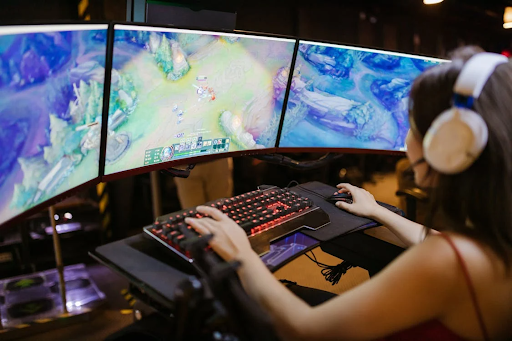
When did you first discover that you could join other individuals online to play a game? The new world was both exciting and chaotic for many of us. In addition to frequently encountering unfriendly communities, we had to contend with spotty connections and limited in-game communication options. The major goal was usually to be the best, to beat opponents in any way possible, and to keep winning. That competitive spirit is still there, and it shouldn't go away, but something significant is happening in the realm of multiplayer gaming. People are coming to believe that connection, actual teamwork, and shared experiences make us want to play games together.
Mastering Genuine Collaboration: From Drops of Loot to Lifelines
For a long time, the main goal of many online games was to climb the ranks, get higher rewards, and be able to brag about it. Even if advancement systems are still around, more and more games are moving away from them and toward something else: working together instead of competing.
Deep Rock Galactic is an excellent example. In this cooperative first-person shooter, you and your team play as dwarven space miners who explore tunnels that are made up on the spot. The main goal is to work together to mine resources, fend off waves of alien creatures, and stay alive long enough to escape. You don't have to battle other people.
Players can't just go solo because each class has its own set of tools. The Gunner fires powerfully, and the Scout can move and use a flare gun. You must communicate, act, and exploit each other's strengths to succeed. Winning Deep Rock Galactic feels more like an underground relationship than personal pride.
The Stories We Live, Not Just Play
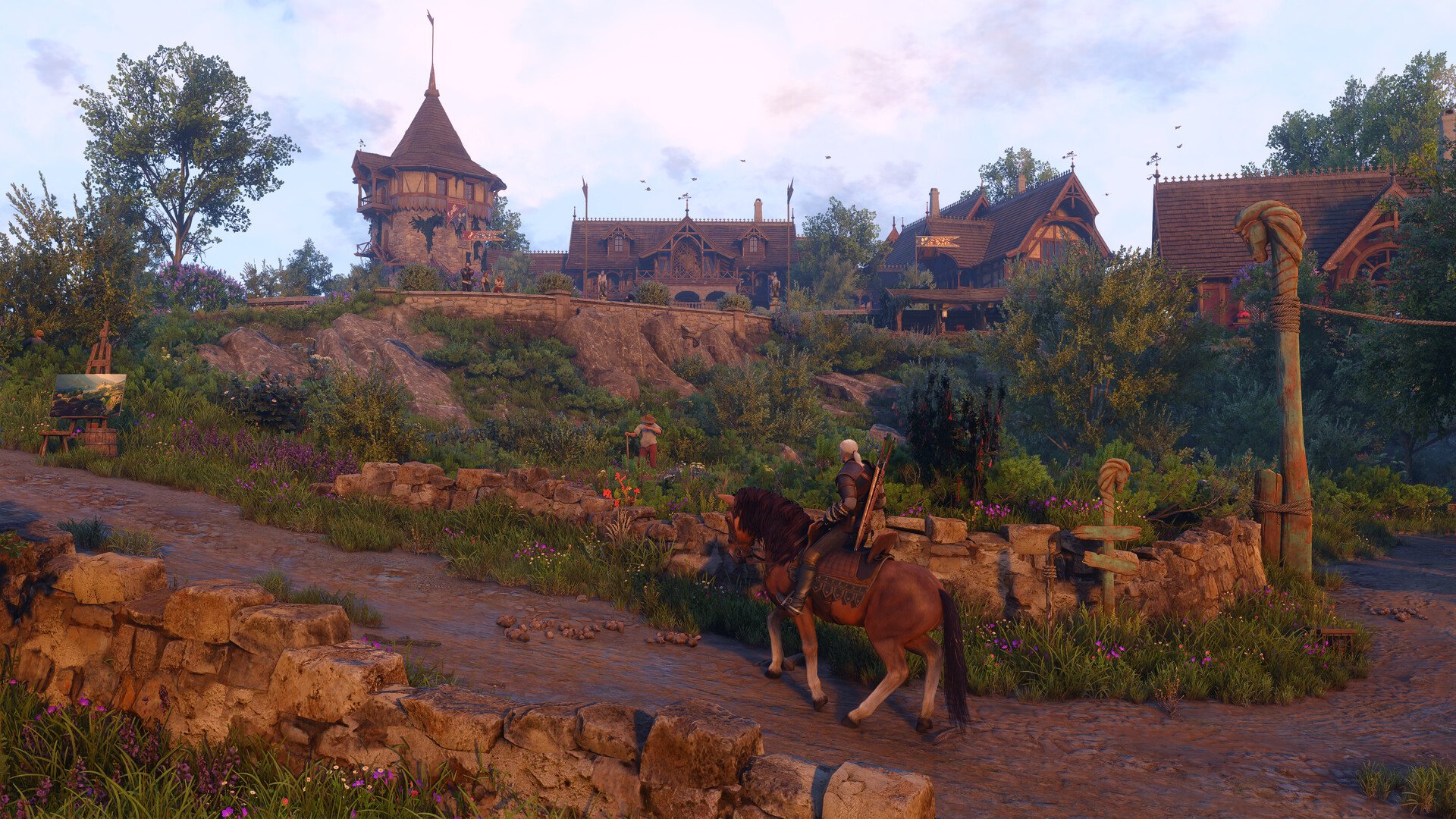
Another part of this evolving core of multiplayer is games that encourage cooperative storytelling and building long-term relationships in a fun way. A lot of people have played Final Fantasy XIV and other MMORPGs for a long time. Even with competitive parts, many watch for the intriguing characters, plots, and opportunity to meet thousands of other gamers. Players who help each other over tough game segments form actual friendships.
The Digital Town Square's Quiet Success
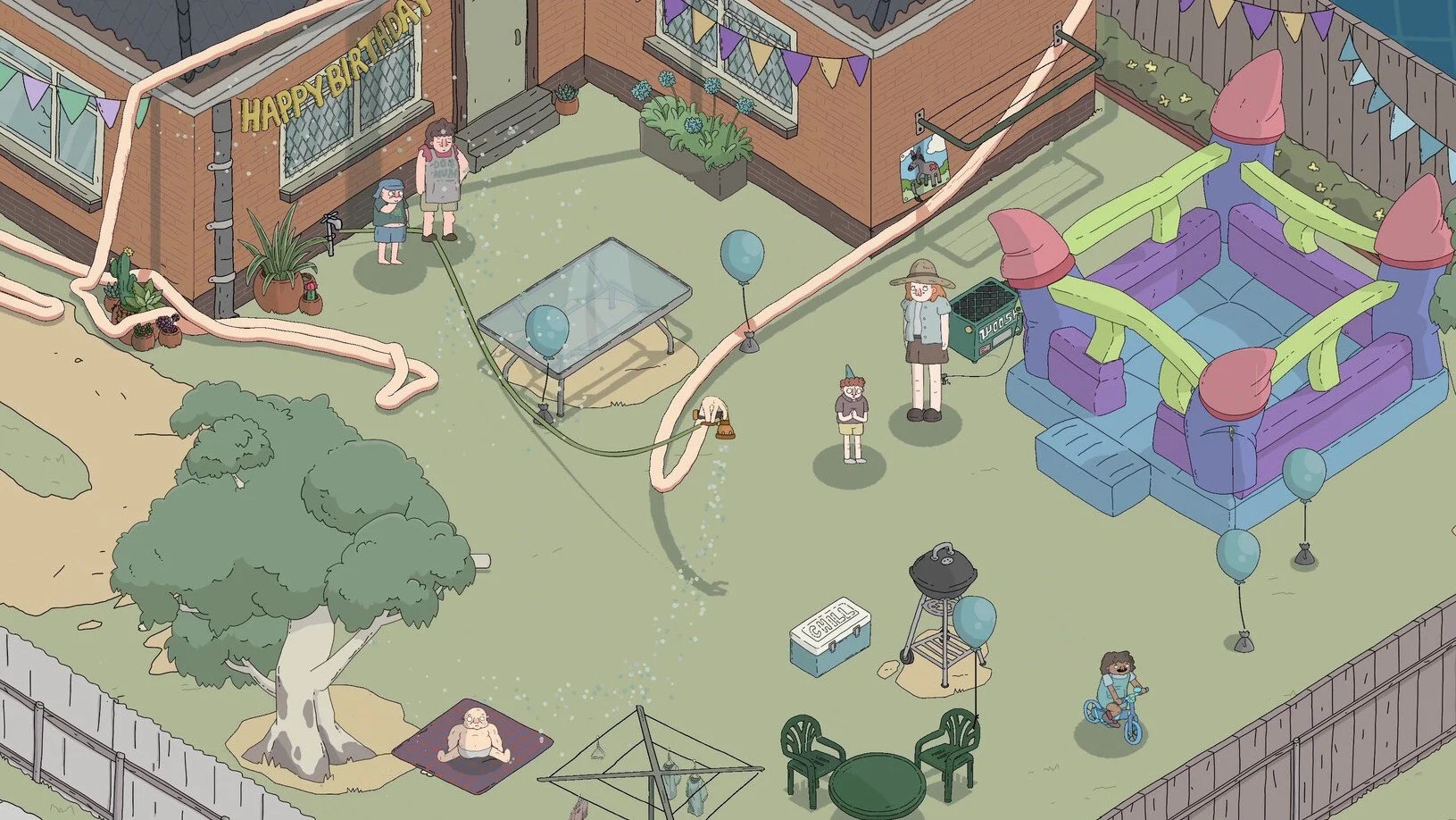
Social simulation games are one of the most obvious examples of multiplayer finding its heart. Worldwide, Animal Crossing: New Horizons was a fan favorite, especially solo. In the game, the main thing you do is build your own island and talk to cute non-player characters and actual people. Nothing happens in Animal Crossing that results in a "winner." It feels great to share what you've made, exchange, and spend time with friends in a quiet, friendly place. This shows that they were able to reach their goal without anyone else pushing them.
Taking Down Walls: The Way to a More Caring Community
Better communication tools and features that make it easier for people with disabilities to get around are making places more welcoming and helpful. Accessibility is important in many kinds of digital entertainment, not just online games. For instance, mobile gaming has become the most popular form of play in New Zealand, according to IGEA data. This increase in usage indicates a shift in preferences among users to simple, open-ended leisure activities that they can simply enjoy while on the go. This trend is also reflected in the increased accessibility of online platforms like New Zealand's online pokies, which remains one of the most popular types of online entertainment in the country. The gaming world is slowly becoming a more supportive and connected space, whether through cooperative play or accessible solo experiences.
Connection is the Reward
Multiplayer gaming promises connection and shared experiences. While competition will always be important, the rise of cooperative games, social simulations, and support-based groups shows a yearning for deeper connections. Realizing this tendency, developers are making games that encourage collaboration, communication, and true player bonds. Not a fad, this feels like a fundamental recalibration of community play, a more human-centered and gratifying multiplayer experience. Multiplayer's heart is faster, warmer, and linked.