The gaming industry has never really let go of Greek mythology—and honestly, it’s easy to see why. From the cinematic scale of God of War to the fast-paced, stylized chaos of Hades, developers keep coming back to Mount Olympus for inspiration. But it’s not just big-budget titles doing this. Even more niche digital experiences like Amazing Link Zeus show how these ancient themes still work when paired with modern mechanics and strong visual design.
The Aesthetic of the Gods
Part of the appeal is visual. Games like Fortnite or Age of Mythology tap into something immediate—lightning bolts, towering marble columns, and gods that feel larger than life. It’s a look that instantly communicates power and scale.
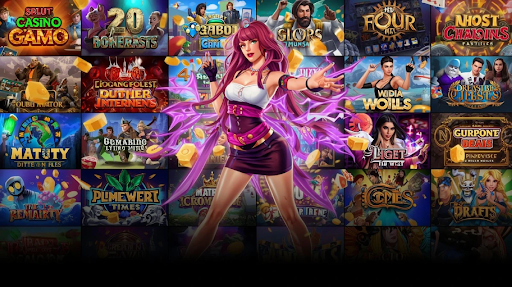
Amazing Link Zeus leans heavily into that. You’re surrounded by stormy skies, glowing gold elements, and a larger-than-life version of Zeus himself. It’s not trying to reinvent the aesthetic—it just executes it cleanly, in a way that still feels satisfying alongside modern indie and mid-tier titles. This persistence is backed by industry data showing that mythological themes remain one of the most consistent drivers for player engagement across all platforms.
Breaking Down the “Amazing Link” Mechanic
Of course, visuals only go so far. What really matters is how a game feels to play. The core feature here—the amazing link zeus slot mechanic—is built around a “hold and win” system. On paper, it’s simple: land certain symbols, lock them in place, and reset a countdown. But in practice, it creates a surprising amount of tension.
When the feature triggers, the pace shifts. You’re suddenly focused on extending your run, weighing every new symbol against the risk of the counter running out. It’s a small loop, but it has that same “just one more try” feeling you get from roguelikes or survival-style systems. The chase for a full-screen or “Mega” result becomes the hook.
Why Mythology Still Works
So why do developers keep going back to Zeus and the rest of the Greek pantheon? A big reason is that mythology does a lot of the heavy lifting. Players already understand the themes—power, conflict, and fate—without needing long explanations. The moment you see a lightning bolt, you know what’s at stake.
Whether it’s something massive like Assassin’s Creed Odyssey or a more contained experience like Amazing Link Zeus, that built-in familiarity helps create a sense of scale quickly.
Where Casual Meets Hardcore
There’s also a broader trend at play. Players who spend hours on games like Diablo IV or Path of Exile often look for something lighter on the side—something they can jump into without a big time commitment.
That’s where these kinds of titles fit in. They deliver strong visuals and quick bursts of engagement without asking for too much focus. It’s not about replacing deeper games, but complementing them. As the lines between different types of gaming continue to blur, it’s no surprise that myth-based designs—and mechanics like the Amazing Link system—keep showing up. The themes are timeless, and the format adapts easily to whatever players are looking for in the moment.