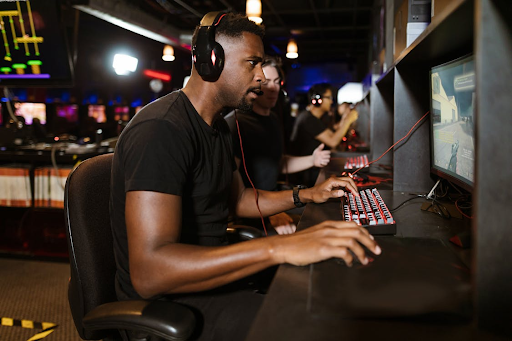
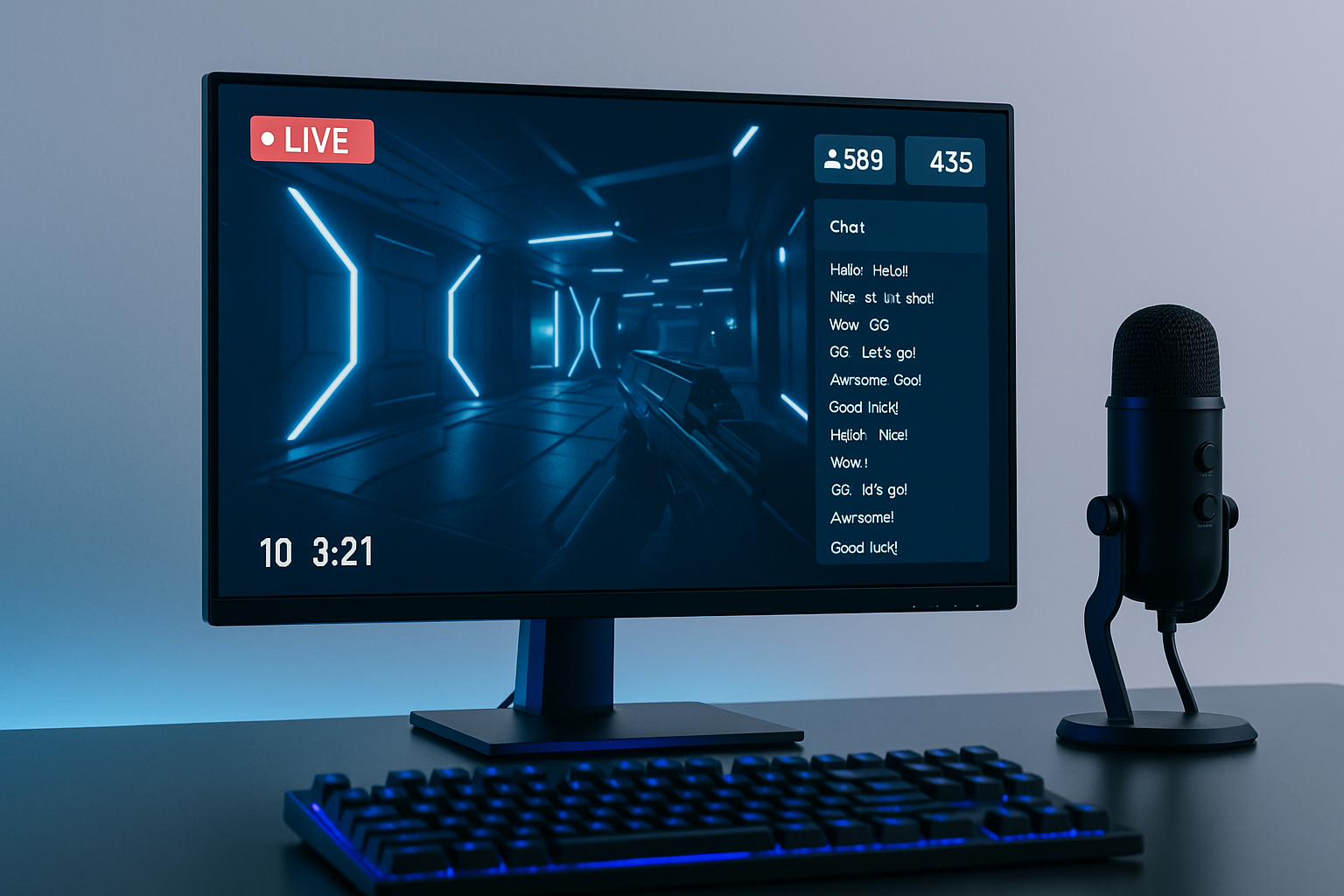
The gaming industry moves fast. New releases drop every week, trends shift overnight, and audiences are constantly looking for the next thing worth their attention. For gaming websites, keeping up isn’t just a challenge — it’s the core of survival.
At first glance, it might seem like success comes down to publishing news quickly or covering popular titles. But in reality, growth in this space is much more layered. The sites that stand out aren’t just fast — they’re structured to evolve.
It Starts With Consistency, Not Virality
Many gaming platforms begin the same way: a small team, a passion for games, and a steady stream of articles. Early growth rarely comes from viral spikes. It comes from consistency.
Publishing regularly builds trust with readers and search engines alike. Over time, this creates a foundation — a library of content that continues to bring in traffic long after it’s published.
But consistency alone isn’t enough. As traffic grows, expectations grow with it.
When Content Alone Stops Being Enough
There’s a point where simply writing more articles doesn’t move the needle anymore. Pages need to load faster. Navigation needs to make sense. Readers expect a smooth experience whether they’re browsing reviews, checking news, or jumping between categories.
This is where many gaming sites hit their first real wall. The content is there, the audience is growing, but the platform itself starts to lag behind.
Scaling a site means rethinking how everything works behind the scenes — not just what gets published.
The Technical Side of Growth
As a gaming website expands, its infrastructure becomes just as important as its content. More traffic means more strain on servers, more complexity in managing pages, and more pressure to keep everything running smoothly.
At the same time, the site needs to stay flexible. Gaming media isn’t static — new sections appear, formats evolve, and trends demand quick experimentation.
Rebuilding everything from scratch isn’t always realistic. That’s why many teams look for ways to improve and scale their platforms without slowing down day-to-day operations. Working with a white-label WordPress agency can help handle that technical layer more efficiently, allowing internal teams to stay focused on content and audience growth rather than backend challenges.
Speed, Experience, and Expectations
Gamers are not a patient audience. If a page takes too long to load or feels cluttered, they leave. It’s that simple.
This puts pressure on gaming websites to deliver a fast and seamless experience at all times. Clean layouts, intuitive navigation, and mobile optimization aren’t “nice to have” anymore — they’re expected.
And as traffic grows, maintaining that experience becomes harder. What worked for a smaller audience often doesn’t hold up at scale.
Growing Beyond a Simple Blog
Over time, successful gaming sites stop behaving like blogs and start functioning more like media platforms.
They expand into different types of content — long-form features, opinion pieces, guides, and sometimes even video or community-driven sections. The structure becomes more complex, and the need for a solid foundation becomes more obvious.
This evolution doesn’t happen overnight. It’s usually the result of continuous small improvements — adjusting layouts, refining categories, and experimenting with new formats based on what the audience responds to.
The Role of Smart Decisions
Not every part of a growing website needs the same level of attention. The key is knowing where to invest time and resources.
Some areas, like editorial voice and content strategy, need to stay in-house. Others, especially technical improvements, can often be handled more efficiently with the right support.
The sites that scale successfully are usually the ones that don’t try to do everything themselves. They focus on what they do best and find reliable ways to support everything else.
What Growth Really Looks Like
Growth in the gaming media space rarely feels dramatic. It’s not one big breakthrough, but a series of small steps — better performance, smarter structure, more engaging content.
Over time, those steps add up.
What starts as a simple website can become a полноценная платформа for gaming culture, news, and discussion. But getting there requires more than passion. It requires the ability to adapt, improve, and scale without losing momentum.
And in an industry that never slows down, that ability makes all the difference.