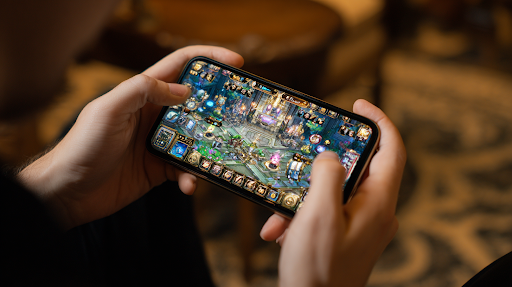
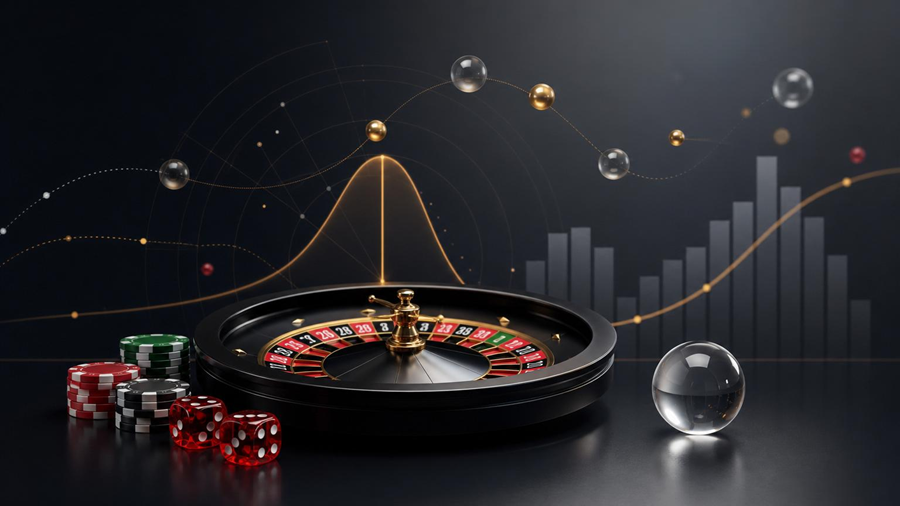
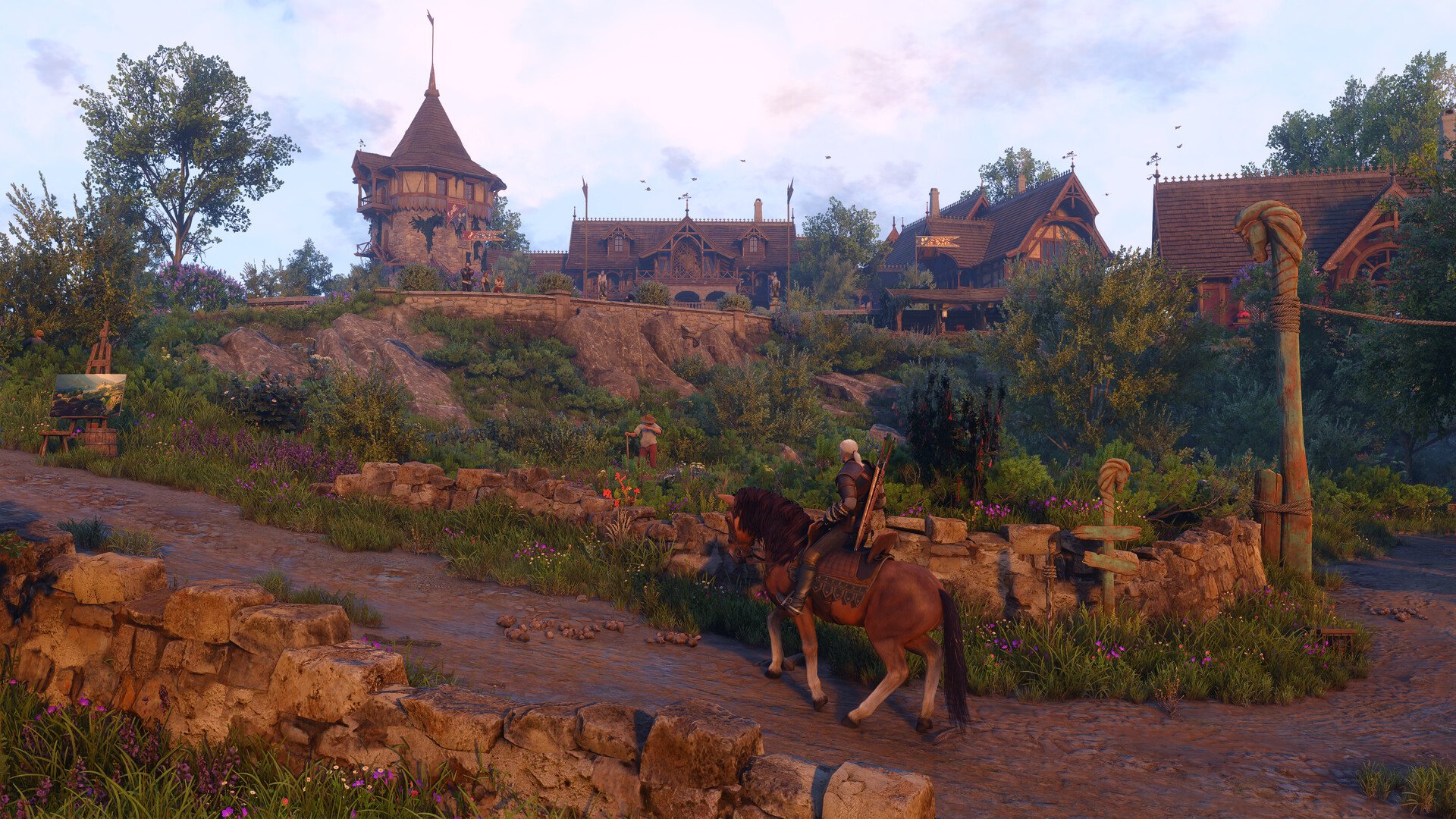
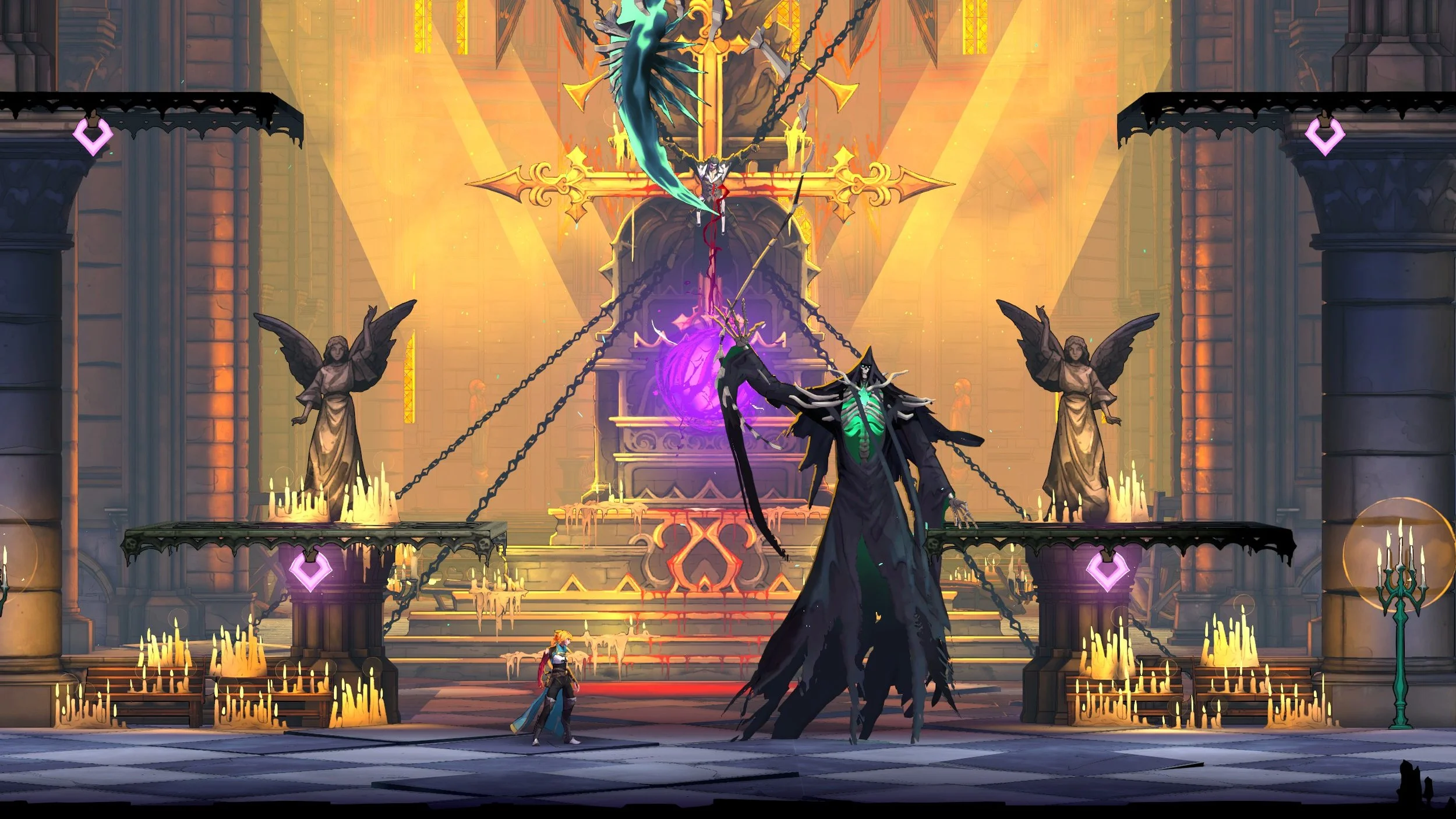
Indie games have become a creative lab for mechanics that ask players to weigh danger against potential payoff. Instead of offering fixed paths, many modern titles invite players to make high-stakes choices under uncertainty, a mindset familiar to audiences who also compare systems through terms like best payout online casino canada when discussing probability and return. The appeal lies in agency: players feel responsible for both success and failure.
Calculated risk differs from pure randomness. Strong indie design gives players information, tools, and timing windows that make outcomes influenceable, even if never guaranteed. A player may choose to carry extra loot through a dangerous zone, spend scarce currency on an unproven upgrade, or trigger a difficult event for better rewards. Each option creates meaningful tension.
Why Indie Games Excel at Strategic Tension
This approach works especially well in indie development because smaller teams can iterate quickly around a clear core loop. Rather than building massive content libraries, they refine decision systems that produce emergent stories. Players remember moments when a bold call saved a run, or when caution prevented a collapse. These stories drive replayability without requiring endless assets.
Calculated risk mechanics also support varied play styles. Conservative players can pursue steady progression, while aggressive players chase high-variance outcomes. When both paths are viable, games feel deeper and more inclusive. Accessibility options and adjustable difficulty can further extend this flexibility, allowing more people to engage with the same strategic framework.
Community culture reinforces the trend. Streamers and forum communities love discussing risk decisions because they are interpretable and debatable. Viewers can argue whether a move was brilliant or reckless, then apply that insight to their own sessions. This creates a feedback loop where design depth fuels conversation, which in turn fuels discovery and retention.
How Calculated Risk Supports Replayability
Balance remains the hard part. If risk is under-rewarded, experimentation disappears. If risk is over-rewarded, optimal play becomes chaotic and repetitive. Successful indie teams tune these systems carefully through telemetry, playtesting, and post-launch patches. They treat balance as an ongoing conversation with players rather than a one-time launch target.
There is also a psychological benefit. Calculated risk mechanics can make failure feel informative rather than punishing, because players can trace outcomes back to their choices. That sense of learning encourages persistence. Players return not only to win, but to improve judgement.
As the indie market grows, games built around thoughtful risk design are likely to keep standing out. They deliver intensity without requiring blockbuster budgets, and they respect players as strategic participants rather than passive consumers.
Why Balance Determines Long-Term Success
The rise of calculated risk in indie games reflects a broader preference for interactive systems that reward judgement, adaptation, and courage under pressure. When designers get the balance right, uncertainty becomes not a barrier but the source of engagement itself.
Players are rewarding indie titles that make every choice consequential without making outcomes feel random or unfair. This design direction fits modern audiences who want both excitement and intelligible systems. Calculated risk mechanics, when paired with transparent rules and responsive tuning, can deliver depth that keeps communities engaged long after launch.