Sometimes it feels like every time you pick up a rock, you’ll find a roguelite underneath, ready to be played. And more often than not, the game could probably be more aptly classified as a “Hades-like,” if there is such a thing. That’s the case with Echoes of Mystralia, which, while feeling certainly familiar to its Supergiant counterpart, does shine on its own.
As a good-old roguelite action-RPG, Echoes of Mystralia’s focus is on the gameplay, but that doesn’t mean that the game’s lore and story fall behind. You play as Mazarim, a Watcher who must find out the truth behind a sudden Rift that has opened in the Cycle of Memories.
In this universe, Memories equal power. As such, you must leave your base, the Azimuth Temple, to explore the world of Mystralia and prevent a major catastrophe: the fall of the World’s Memory into the abyss that the Rift represents.
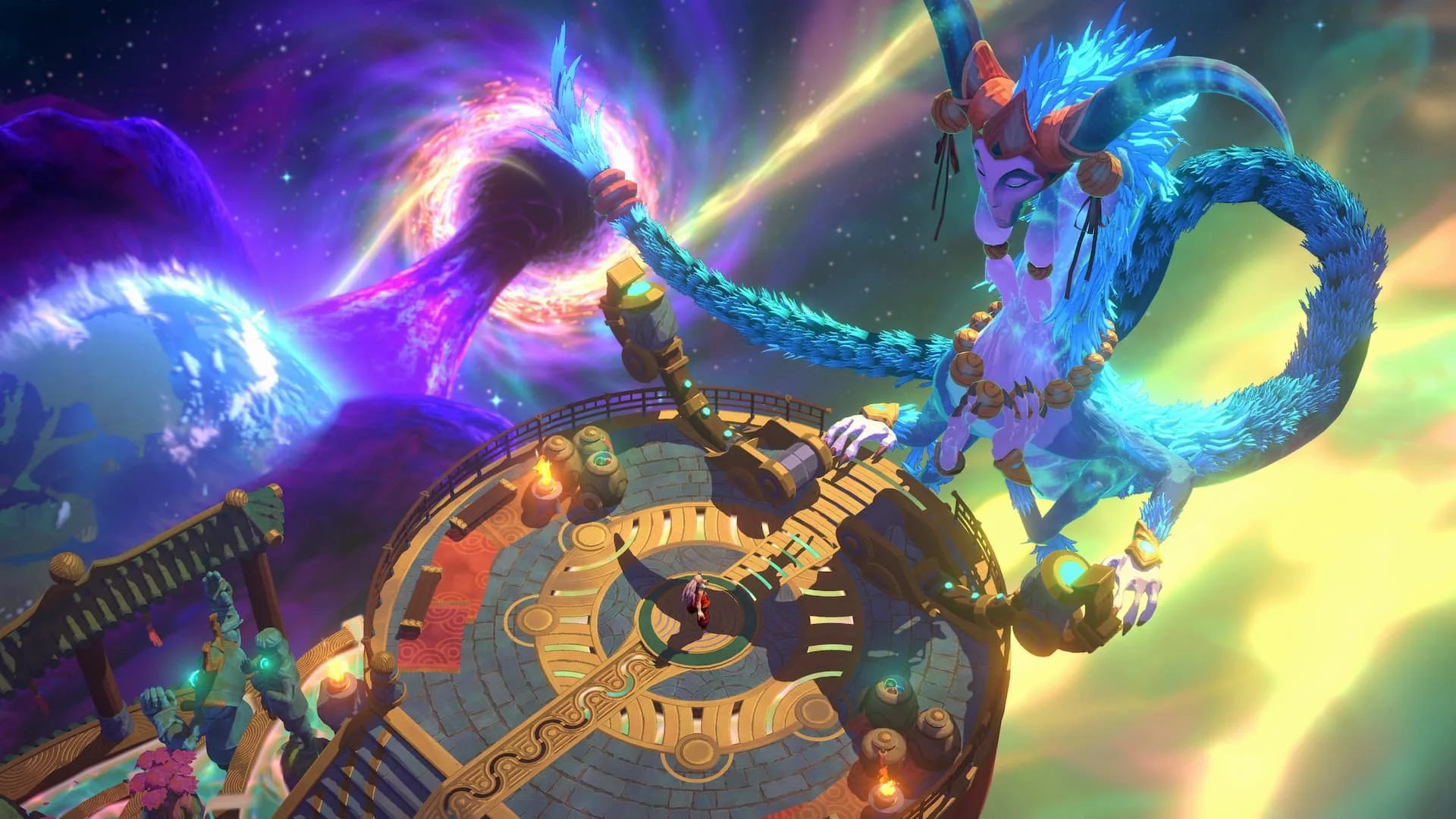
If you’re a veteran of the genre, then you know the gameplay loop by heart. Leave your base, spawn in the world, fight off some baddies, move from room to room, fight the region’s boss, move from region to region, and beat the game. If it ain’t broke, don’t fix it, although if I had to nitpick, I would say that room icons are not that intuitive, leading to blindly picking a path that might or might not work in your favor.
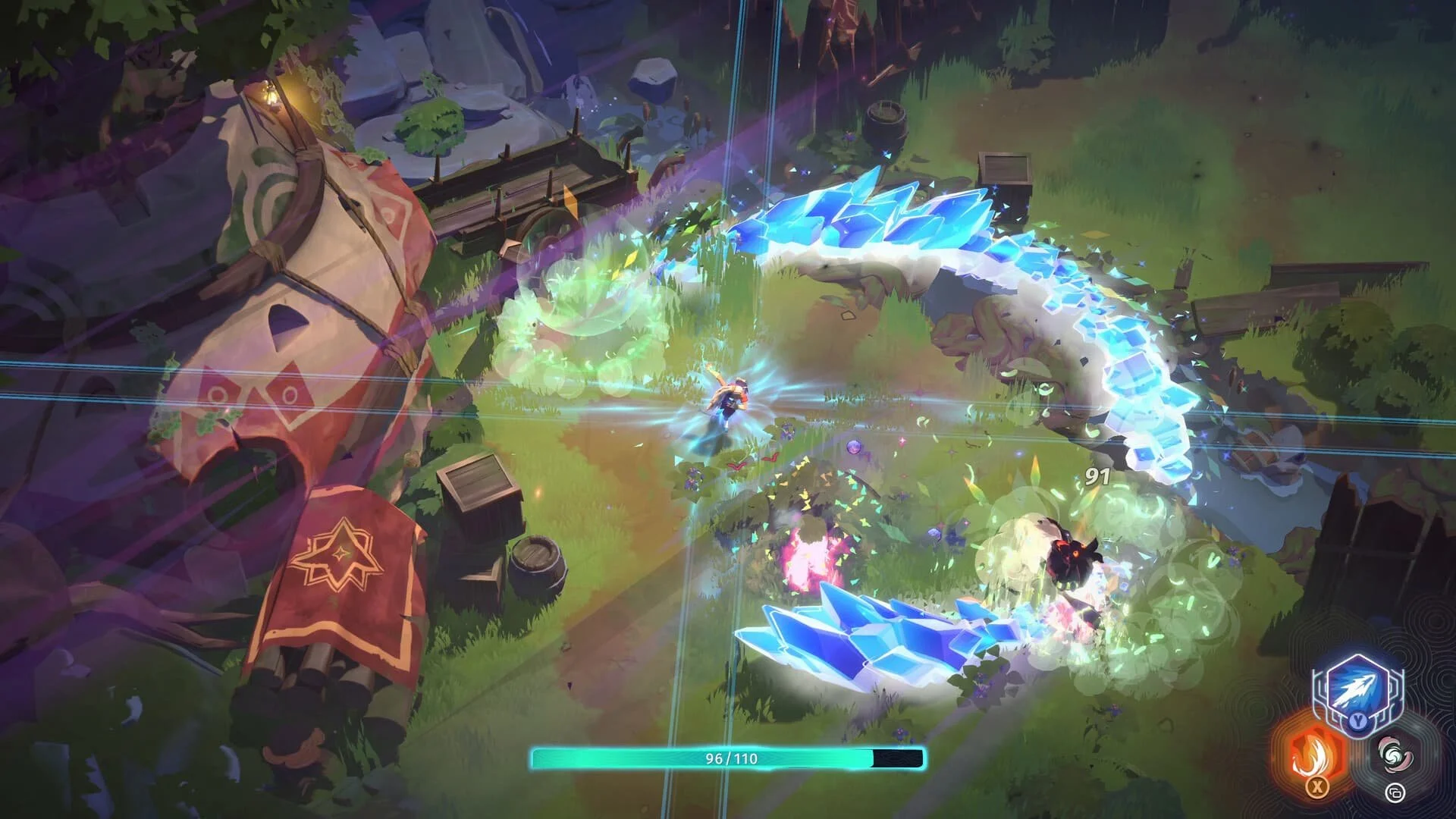
What Echoes of Mystralia, and therefore Borealys Games, brings to the table, however, is a sophisticated spell-crafting system. You have four main spells (you can use two at a time) that you’ll be able to alter via the Memories you collect after beating each room. These Memories, which are essentially randomized boons, will modify how your spells behave, like adding element damage, pushback, and homing, among many other things.
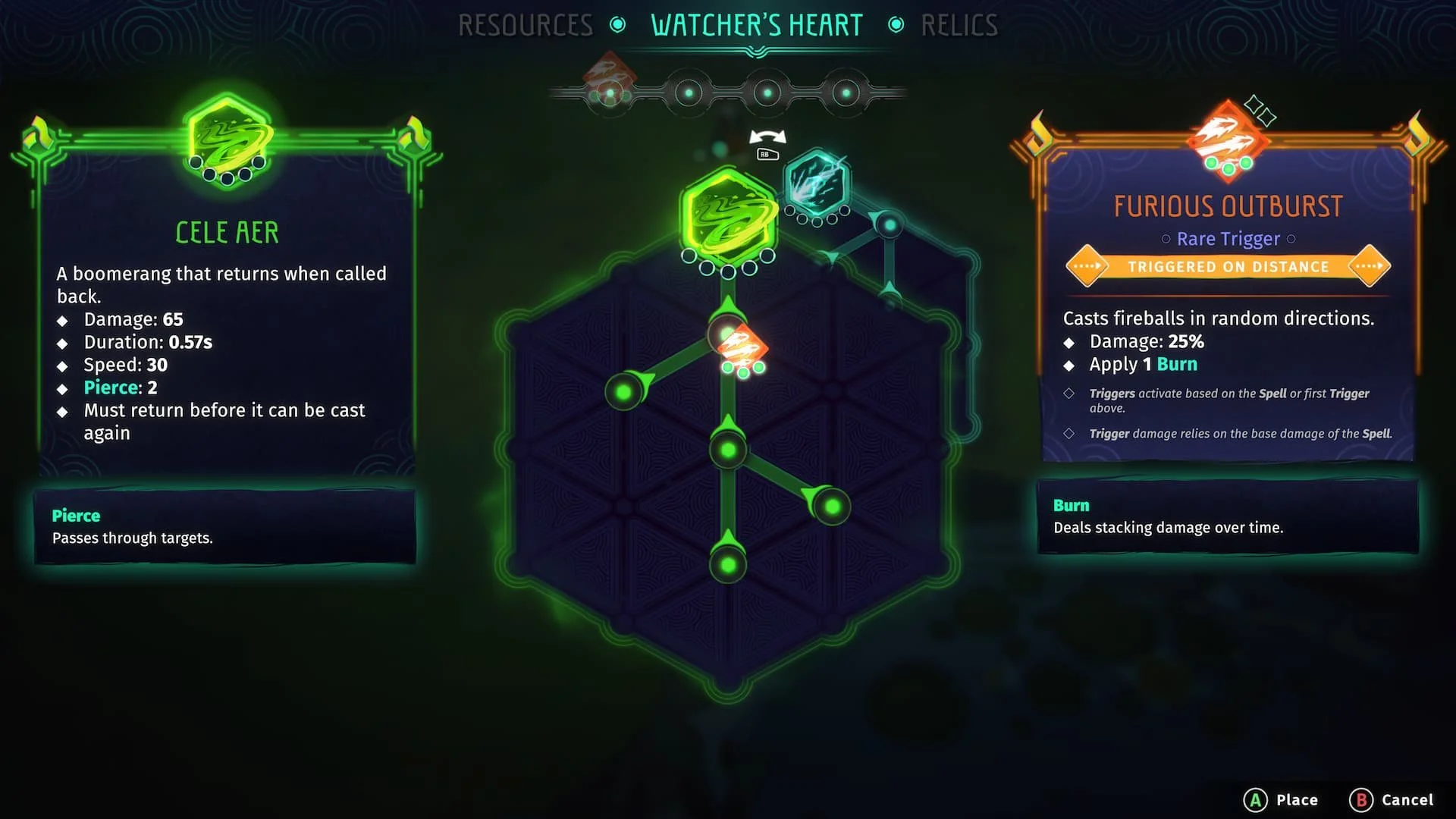
You can string Memories in such a way that even these modifiers can be further modified to chaotic and often deadly results. Things can get a bit complex, of course, as the learning curve, while not particularly steep, does bring a challenge to those who only care about picking boons in similar games without worrying about strategy and only about choice. Thankfully, you’ll be able to move your Memories at any moment, making experimentation extremely easy.
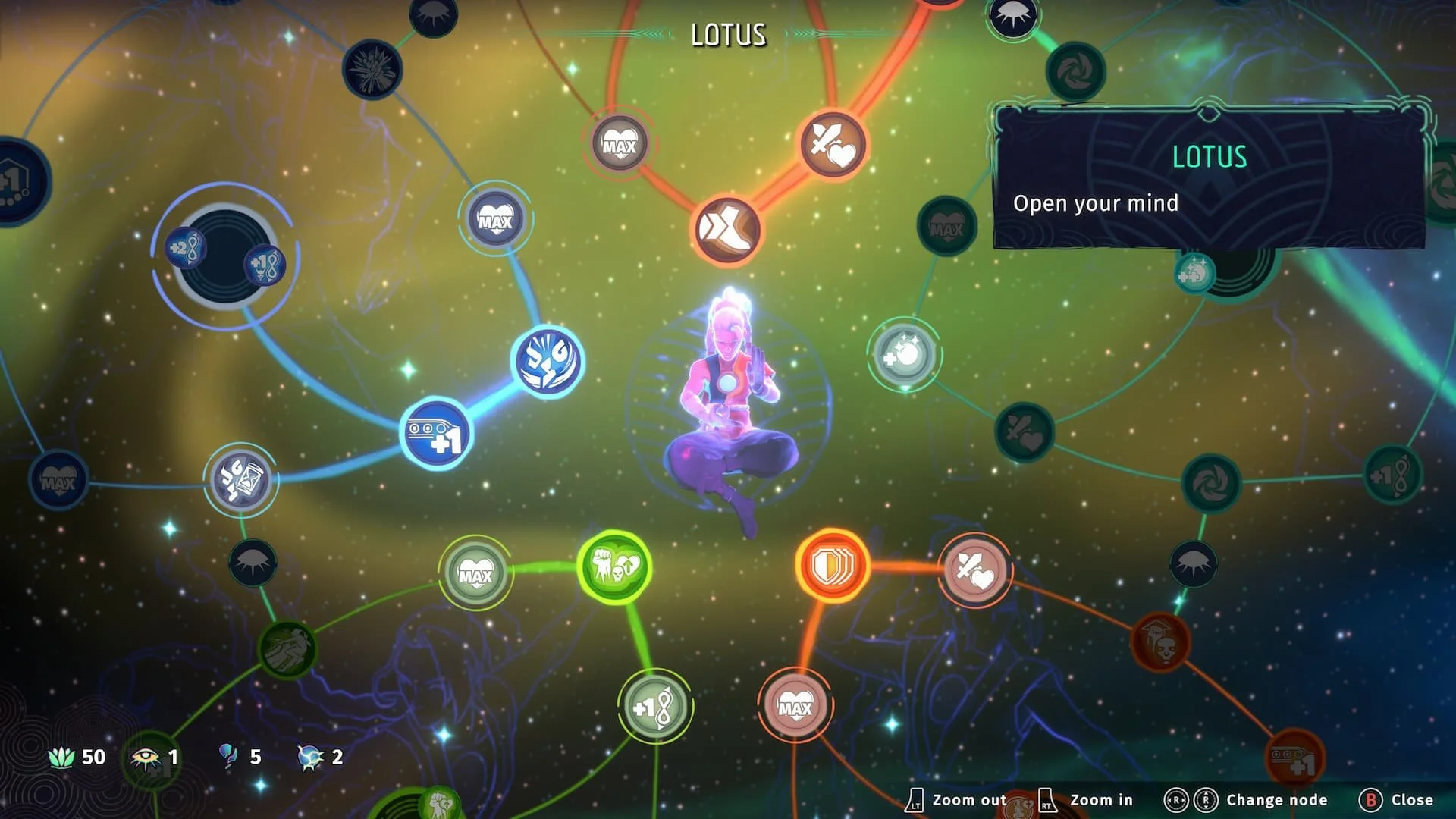
You can also pick up Relics that will buff each of your runs, and the game offers a Lotus system that acts as permanent upgrades. These, however, do get very expensive, as their cost will increase after each purchase, and sometimes the reward is not worth the number of resources that it requires. The variety is not earth-shattering either, as all sides of the Lotus share similar upgrades.
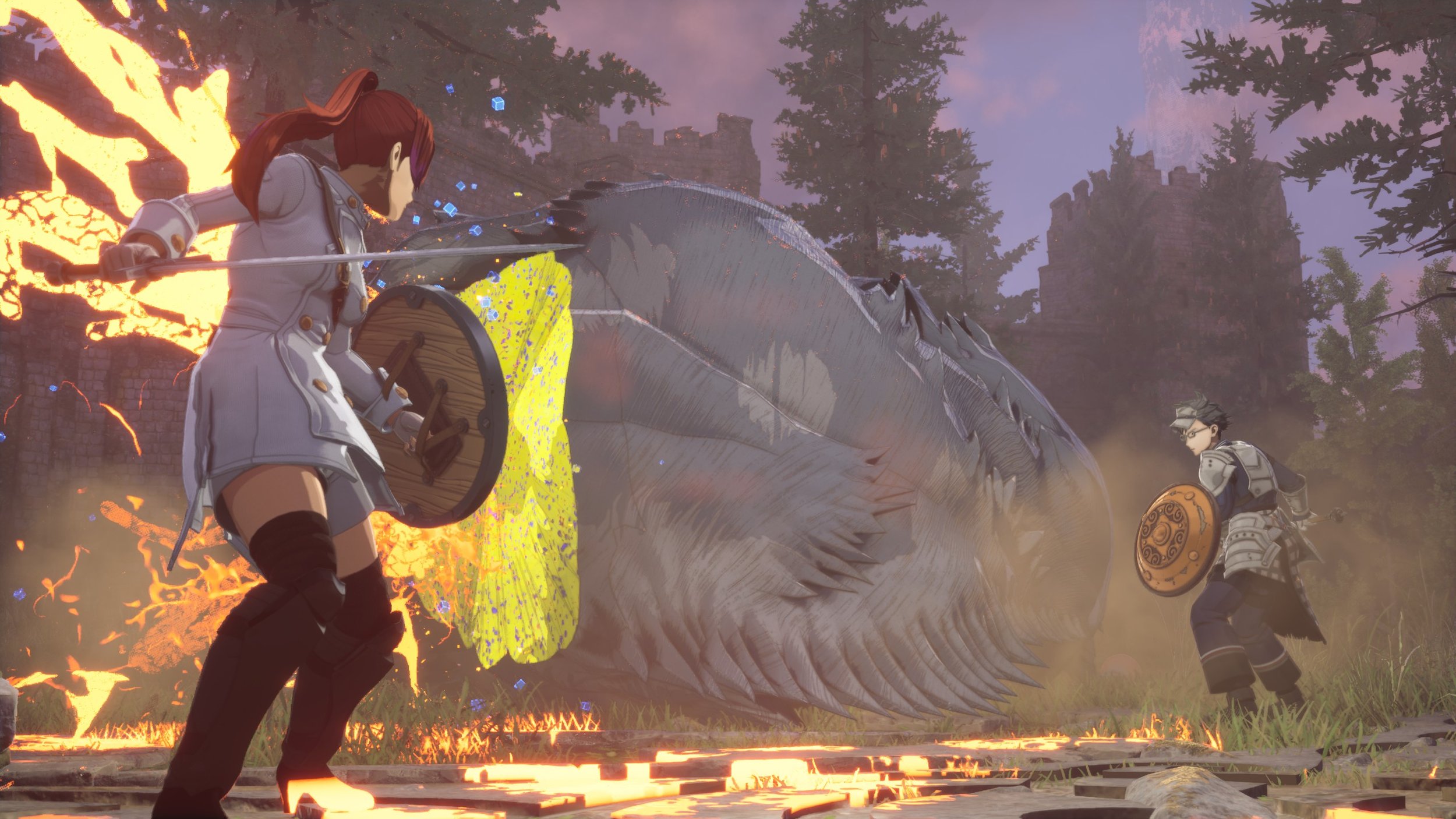
With that being said, Echoes of Mystralia plays very smoothly. The attacks are responsive; you can feel your power growing as you collect Memories, and the game offers a decent enemy variety. The latter often leads to uneven playing fields, though, as certain region-specific enemies are considerably harder to kill. This makes the procedurally generated aspect of Mystralia feel unbalanced at times.
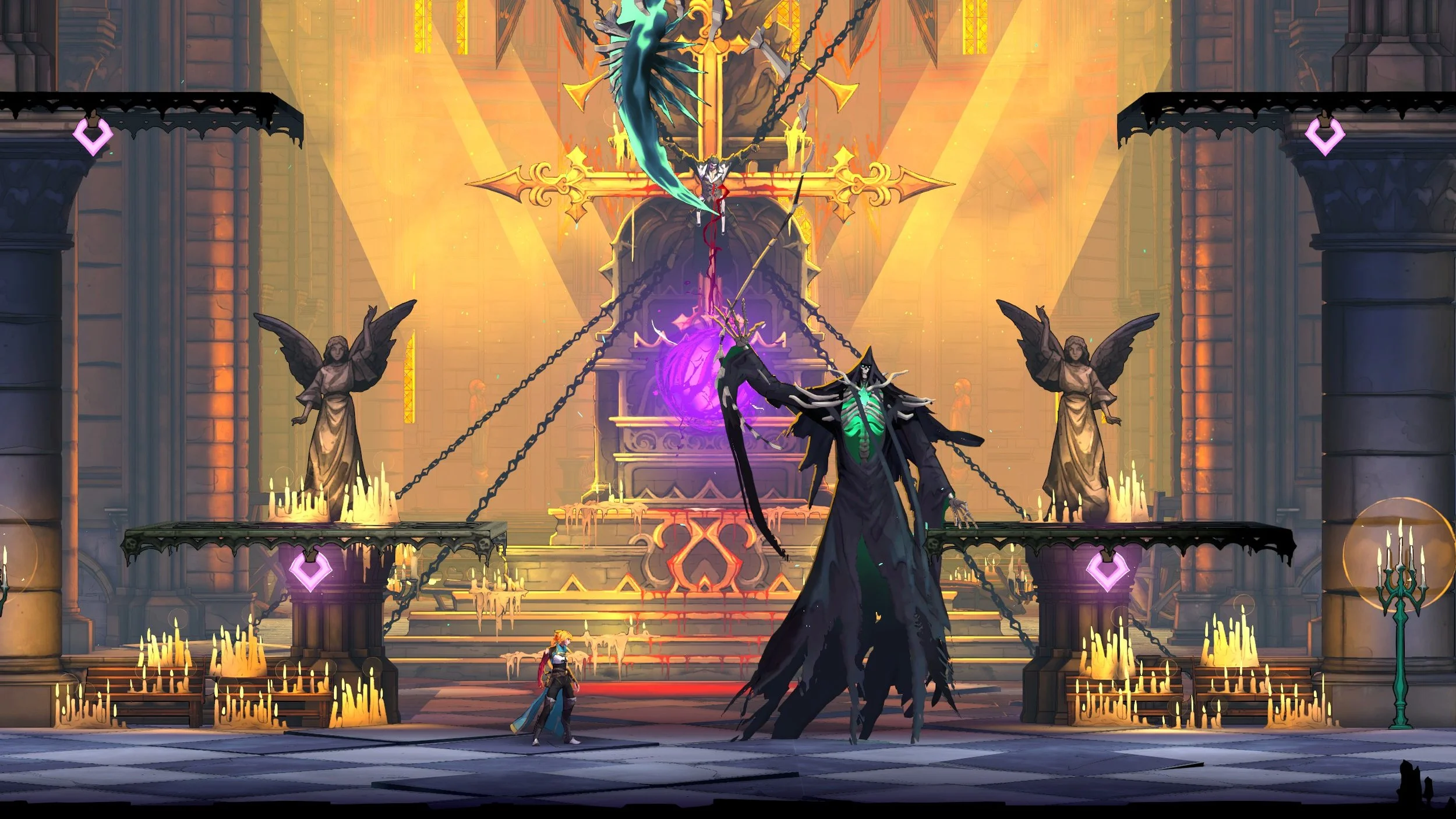
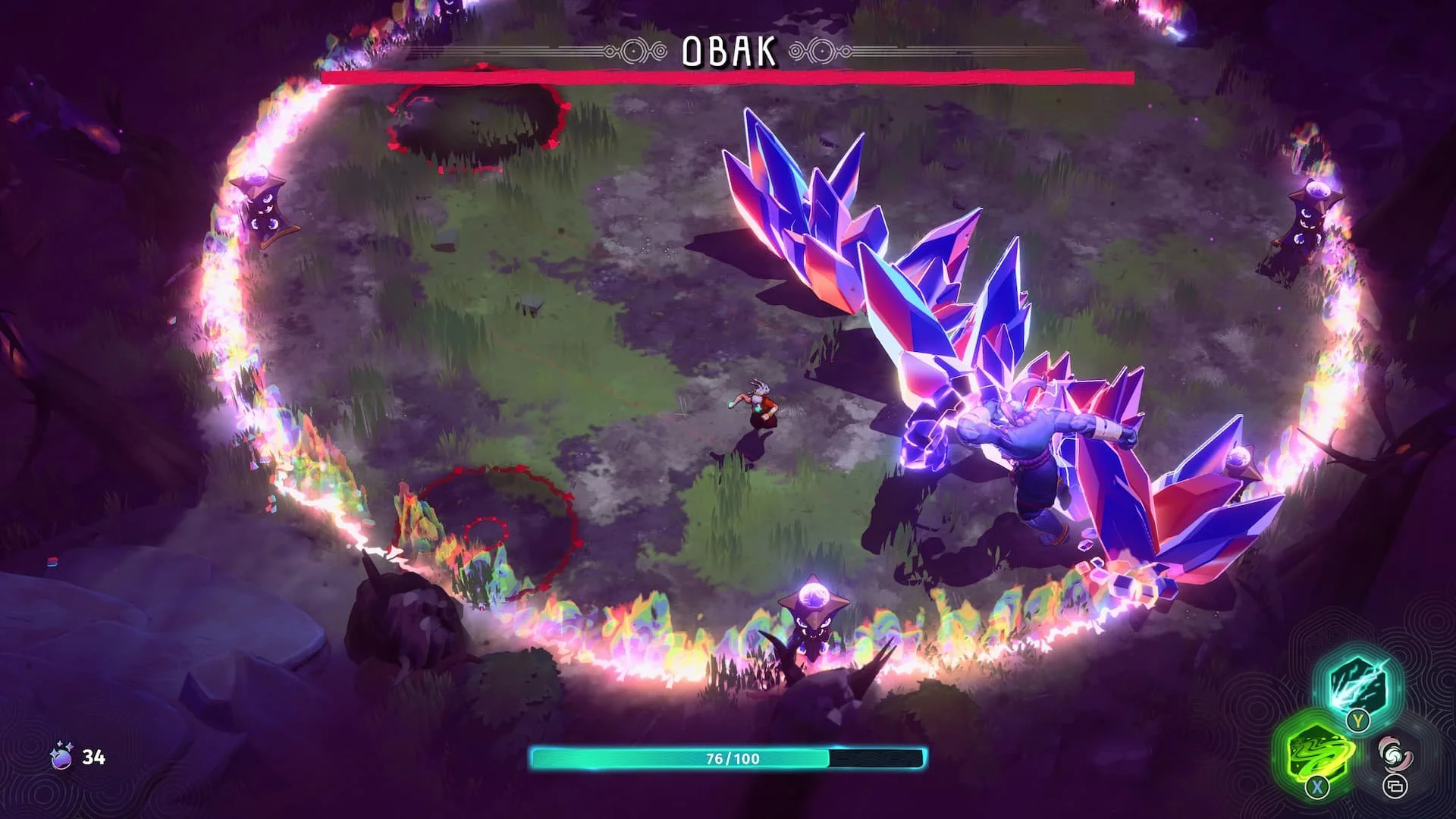
Furthermore, while the main boss fights are memorable enough, the minibosses, which also push the story forward, can sometimes feel more intense. Overall, combat can feel overwhelming, especially when enemy population and adds refuse to let you see the screen. Leveling the playing field, even if the difference is minuscule, can lead to more player satisfaction.
As an Early Access build, Echoes of Mystralia doesn’t reinvent the wheel but ultimately provides an engaging experience with great art direction and fun gameplay. Once the 1.0 version comes around, I can see this one becoming a massive hit.