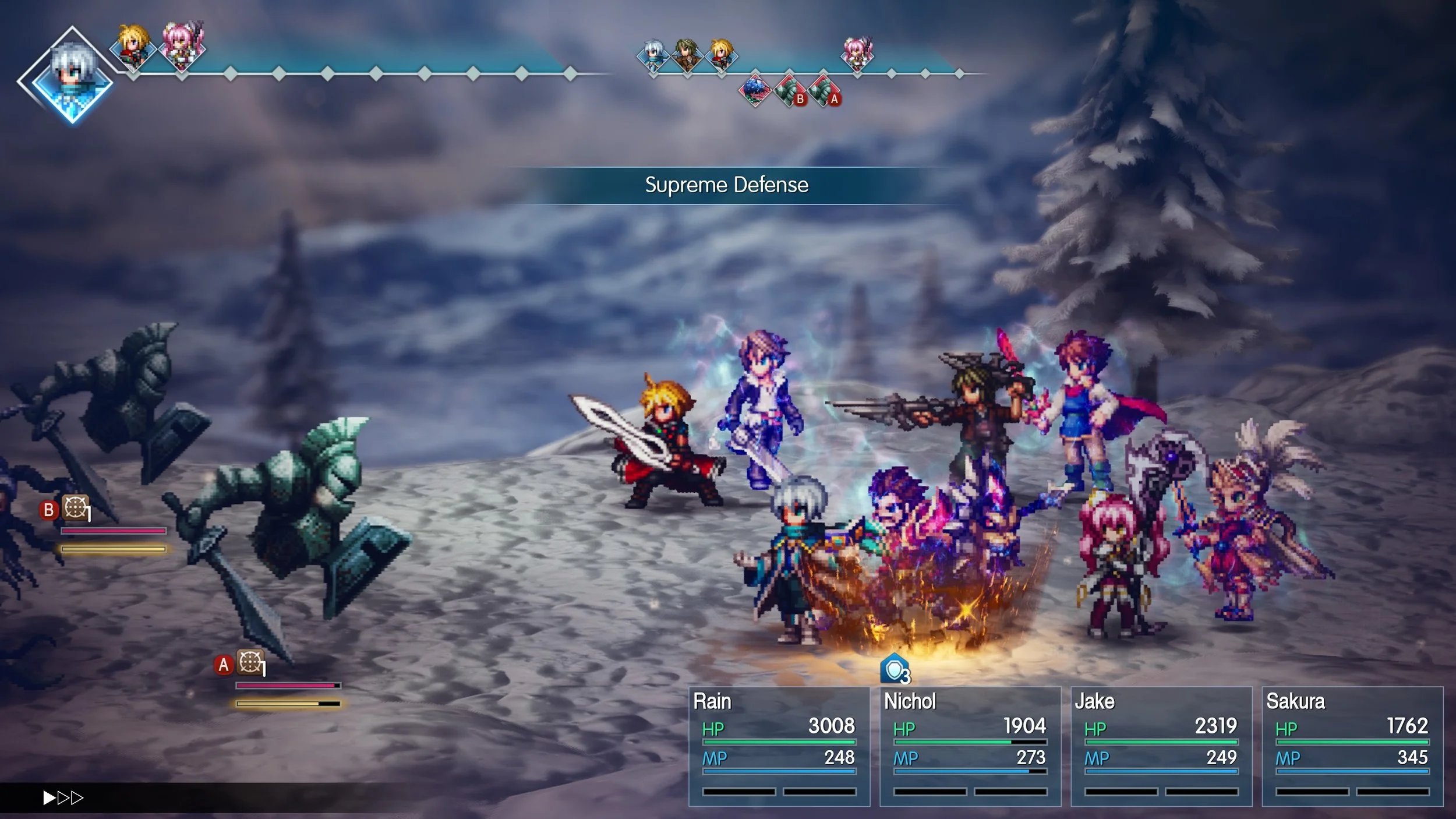
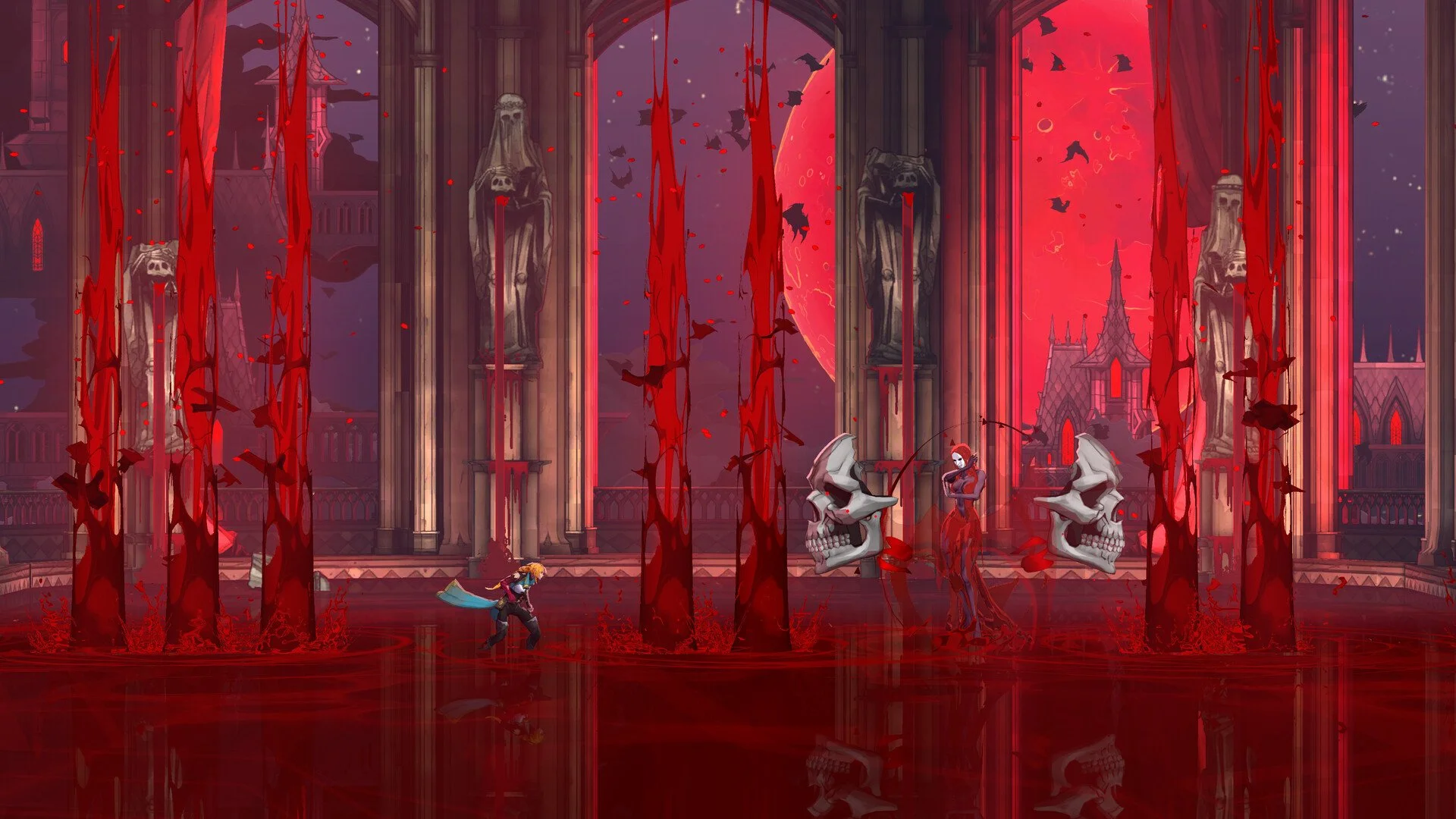
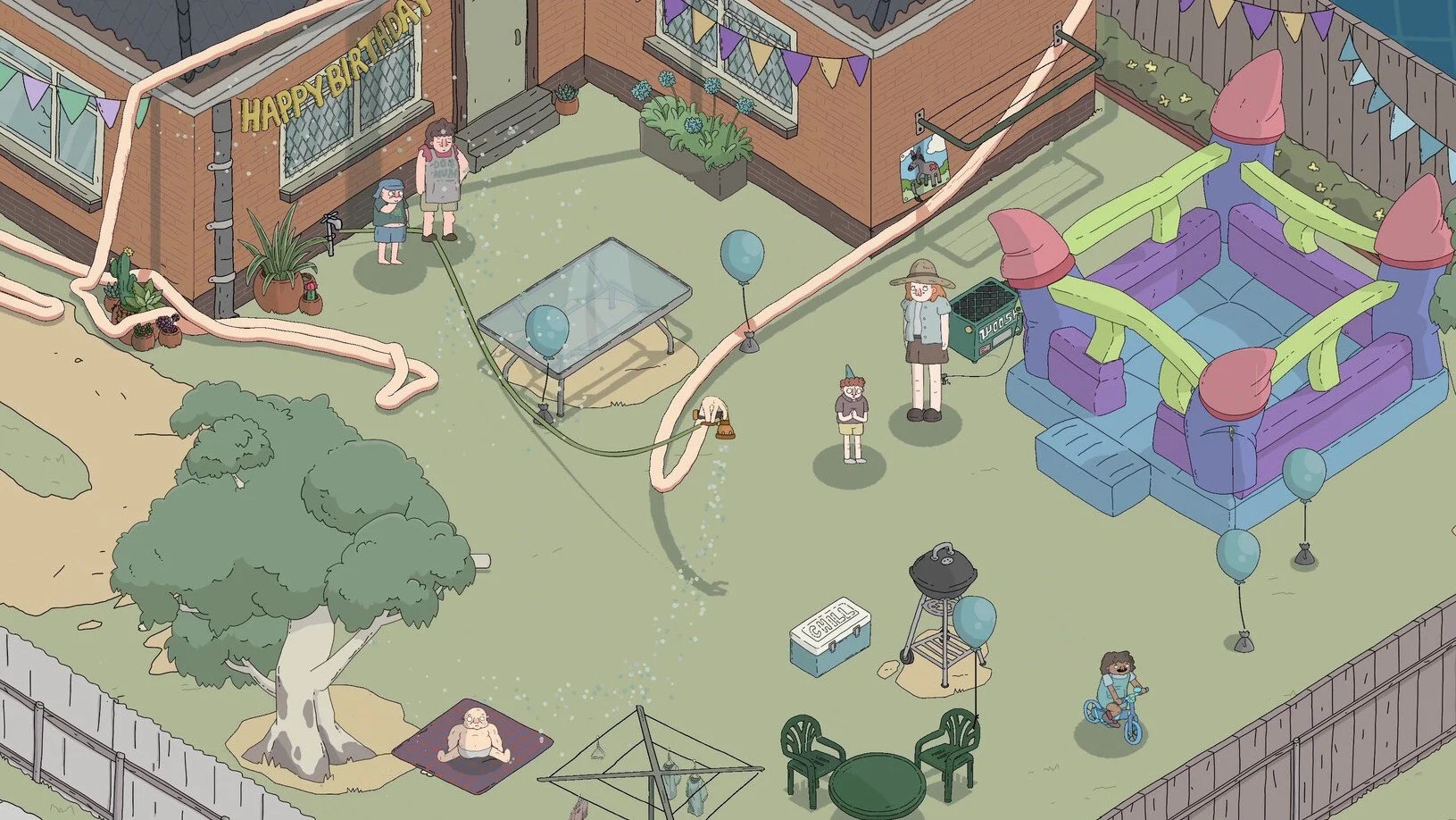
There was a time when the story in a video game was what happened between the action. A few lines of text, a cutscene to justify the next level, a villain monologue that players skipped as quickly as the loading screen allowed. The story was context for the gameplay, and the gameplay was the product.
That relationship has inverted. In the most culturally significant games of the past decade, the story is the product — the reason the game was made, the standard by which it is judged, and increasingly the basis on which the industry competes. Baldur's Gate 3, The Last of Us, Disco Elysium, Cyberpunk 2077's eventual redemption, Hades, the entire output of Larian Studios — these games are discussed, reviewed, and recommended primarily in terms of narrative quality. The mechanics matter, but the story is the headline.
Even outside traditional RPG spaces, narrative framing has become central to player engagement. Whether someone is immersing themselves in a sprawling fantasy epic or navigating the branded environments surrounding a Revery Play Casino login experience, modern digital entertainment increasingly relies on atmosphere, progression, and emotional continuity to retain attention. Mechanics still provide the structure, but storytelling now shapes how players interpret and remember the experience.
Understanding how this happened, and what it means for the future of the medium, requires looking at both the artistic and commercial forces that converged to make narrative the RPG genre's defining battleground.
How the RPG Became the Story's Natural Home
The role-playing game has always been, at its conceptual core, about inhabiting a character within a world. The earliest tabletop RPGs were systems for collaborative storytelling as much as competitive gaming, and the digital RPG inherited this DNA from the beginning. What changed over time was the technology available to realise the narrative ambitions that the genre had always contained.
Early RPGs told their stories through text, constraint, and player imagination. Final Fantasy, Chrono Trigger, Baldur's Gate — these games used their technical limitations as prompts for the player's own narrative construction. The character you played was partly the game's creation and partly your own projection, and the emotional investment that resulted was surprisingly deep given how little the games could explicitly show.
As technology expanded — voice acting, motion capture, dynamic lighting, facial animation, open worlds — the gap between what game narratives could show and what film could show narrowed. And as that gap narrowed, player expectations shifted. The audience that grew up with those early text-based RPGs was now an audience accustomed to the narrative sophistication of prestige television and literary fiction. They brought those expectations to games, and the best developers rose to meet them.
The Baldur's Gate 3 Moment
No game better illustrates the current state of narrative RPG ambition than Baldur's Gate 3, released by Larian Studios in 2023 and still generating cultural conversation years later. Its achievement was not in any single element but in the density and quality of its narrative construction across virtually every dimension simultaneously.
The writing. The voice performances. The reactivity — the degree to which the world and its characters respond to player choices in ways that feel genuinely consequential. The companion characters, who are among the most fully realised non-player characters in the medium's history. The willingness to allow the player to fail, to make choices that lead to bad outcomes, and to tell those stories with as much craft as the triumphant ones.
What BG3 demonstrated was that the ceiling for narrative quality in games was considerably higher than the industry had been reaching for, and that players would respond to that quality with extraordinary enthusiasm. Its commercial success — unprecedented for a CRPG of its complexity — sent a message to the entire industry that story quality is not a niche concern but a mainstream competitive advantage.
Player Agency and the Illusion of Authorship
The element that distinguishes narrative RPGs from other story-driven media is player agency — the sense that the story being told is, in some meaningful way, the player's own. This is both the genre's greatest strength and its most technically demanding challenge.
True narrative branching — where choices produce genuinely different stories rather than cosmetically different versions of the same story — is extraordinarily expensive to produce. Every branch requires writing, voice acting, animation, and quality assurance for content that many players will never see. The economics of mainstream game development pushed the industry toward the illusion of choice for much of the 2000s and 2010s: moments where players made decisions that felt weighty but ultimately converged on the same narrative outcomes.
The best modern narrative RPGs have found more sophisticated approaches. Disco Elysium built its branching not around plot outcomes but around character — the skill checks, failures, and personality choices that determine what kind of person your detective is and what kind of story that person inhabits. Hades used repetition creatively, building its narrative across dozens of runs rather than a single linear path, so that the story's depth emerges from the cumulative experience of playing rather than a single playthrough.
These are genuinely new narrative forms — things that games can do that no other medium can — and they represent the strongest argument for taking gaming seriously as a storytelling art.
The Role of Character in Modern RPG Success
If there is a single factor that most reliably predicts whether a narrative RPG will achieve cultural resonance, it is the quality of its characters — specifically, the non-player characters who accompany the player through the story.
Companions in modern RPGs are no longer functional accessories. The best of them — Astarion in BG3, Ellie in The Last of Us, Panam in Cyberpunk 2077, Zagreus in Hades — are fully developed characters with histories, contradictions, growth arcs, and emotional lives that feel genuinely inhabited. Players form attachments to them that rival their connections to characters in their favourite novels or television series. Reviews discuss them by name. Players make decisions in the game specifically because of how those decisions will affect these characters.
This level of character investment is the result of enormous craft — writing, performance direction, animation, and the structural decisions about when and how characters speak and what they reveal about themselves. It is also, increasingly, the dimension on which narrative RPGs compete most directly.
Where the Genre Goes Next
The narrative RPG in 2026 is a genre at the height of its cultural influence and technical ambition. The questions being asked at the frontier are genuinely interesting: How much agency can a player have before the author loses control of the story? How do you build characters that feel real when the player can encounter them in any order and any context? What does artificial intelligence offer — if anything — to the problem of responsive narrative?
Some developers are experimenting with AI-assisted dialogue systems that allow non-player characters to respond to player input in ways not explicitly scripted. The results so far are mixed — AI-generated dialogue lacks the craft and intentionality of good writing — but the technology is developing rapidly. The question of whether AI will expand the narrative possibilities of the RPG or merely cheapen them is one the industry is actively working through.
What is not in question is that story is now the central competitive dimension of the genre. Players choose their RPGs on the basis of narrative reputation more than any other factor. Studios are investing in writing talent, dialogue systems, and narrative design at levels that would have been inconceivable twenty years ago. The battleground is clear. The competition is fierce. And the players — the audience, consuming these stories with genuine hunger — are the beneficiaries.
Which narrative RPG has affected you most deeply as a player? Leave a comment below and share this article with anyone who thinks games cannot tell stories as well as other media.