Reward systems are central to the player experience in free-to-play games, driving engagement and satisfaction. By providing structured incentives, these systems encourage longer sessions and frequent returns while keeping challenges accessible. Understanding how they work sheds light on why certain games remain popular in a fast-evolving industry.
Free-to-play games rely on dynamic reward systems to shape how you interact with their core mechanics and progression curves. Coin up hot fire slot presents an example of how developers embed rewards at every stage to motivate consistent play without requiring steep learning curves. Whether you are a new player or returning fan, a mix of instant benefits, long-term goals, and surprise elements keeps your sessions interesting and rewarding. The appeal comes from carefully designed feedback loops that foster both habit and satisfaction through achievable milestones and ongoing incentives.
Defining reward mechanisms in gaming ecosystems
Reward systems refer to the designed pathways that deliver positive reinforcement in exchange for player actions and decisions. In free-to-play titles, these systems are crafted to increase engagement by offering clear targets and feedback for everything you achieve during play.
As you progress, small achievements are acknowledged through instant feedback like pop-ups, visual effects, or virtual items. These short-term rewards motivate you to continue, while longer-term rewards, such as unlocking rare features or collecting unique items, create a sense of meaningful accomplishment.
The psychological foundation of these mechanisms rests on principles of operant conditioning and variable reinforcement schedules. By alternating between predictable and unexpected rewards, developers create patterns that maintain your interest across extended play periods. This approach ensures that even routine activities feel fresh, as you never know exactly when the next significant reward will appear. The ecosystem balances transparency in progression with elements of surprise, allowing you to plan your gameplay strategy while still experiencing spontaneous moments of delight that break up the predictability of structured advancement.
Key elements of practical reward loops
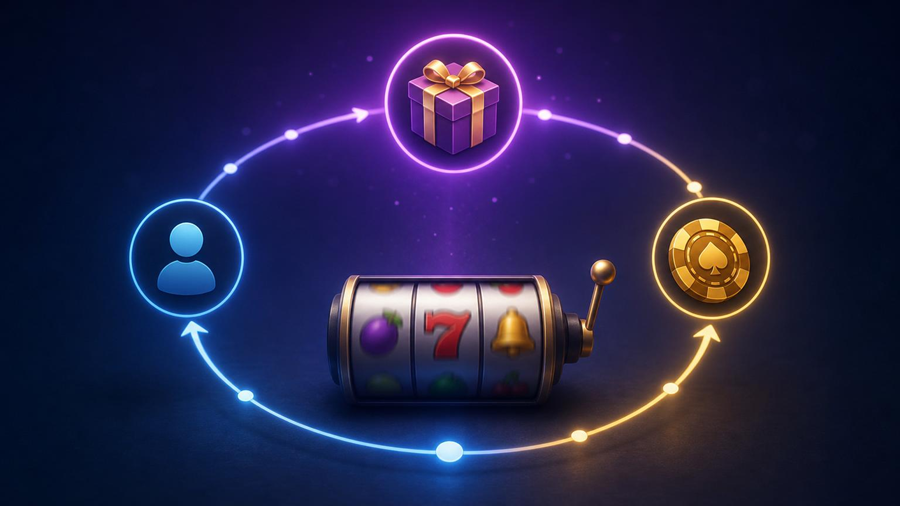
At the core of these games, a basic loop drives the player journey: you perform actions, get feedback, and make progress. Short-term rewards deliver immediate gratification, boosting motivation with every small win.
Long-term goals require consistent participation, as seen in unlock tracks, collections, or time-based events that reward you for sustained involvement. This balance keeps sessions engaging for a wide range of player types without creating steep barriers to entry.
Diverse types of rewards and their influence
For many, daily login bonuses and streak rewards provide a reliable baseline for regular activity and encourage you to return frequently. Missions and milestone tracks offer varied paths to achievement, letting you choose objectives that fit your preferences and playstyle.
In addition to tangible progress, you may encounter cosmetic unlocks or badges that let you display achievements within the community. Collections and randomized drops add variety and inject moments of surprise into familiar play cycles, exemplifying how unpredictability is integrated without undermining skill-based play.