From Clicks to Immersion: How Online Casinos Have Evolved
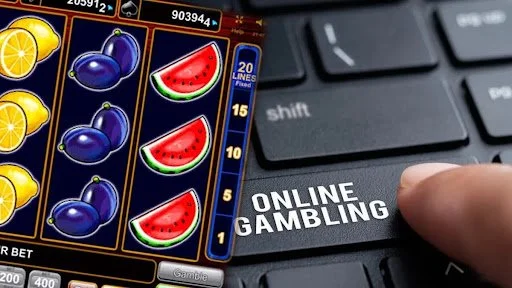
Online casinos have come a long way since the clunky, dial-up days of the 1990s. Back then, the games were simple, the graphics were basic, and the idea of gambling on the internet felt more like a novelty than a true replacement for a casino floor. Fast forward to online casino Ireland handpicked by Irish Bonusfinder today, and you can play hundreds of polished titles on your phone, jump into live dealer tables in seconds, and cash out winnings with a tap. Still, even with all that progress, many players feel there is something missing. The buzz, the atmosphere, the sense of being part of something bigger—it is not always there.
Why Virtual Reality is a Game Changer
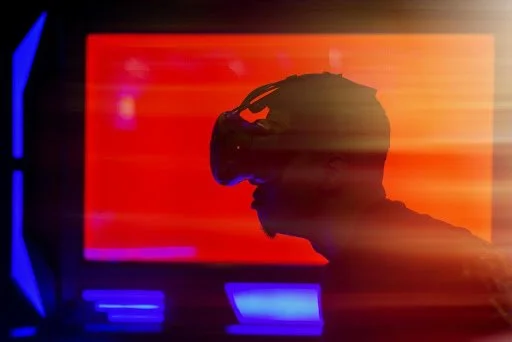
This is where virtual reality casinos step in, and they are starting to look like the next frontier. Strap on a VR headset and suddenly you are not just clicking a button to spin the reels, you are walking across a glossy casino floor, hearing the clink of chips at nearby tables, and pulling the lever of a slot machine with your own virtual hand. You can turn your head and see other players sitting across the blackjack table, maybe even catch the dealer giving you a nod. It is that layer of immersion—the sense of really being there—that online gambling has been chasing for years.
Technology Catching Up With the Vision
The technology behind it is no longer science fiction. VR headsets are lighter, cheaper, and easier to use than they were even five years ago. Devices like the Meta Quest and PlayStation VR have already made immersive entertainment mainstream, and developers are starting to build casino environments that fit seamlessly into these platforms. The market is still in its infancy, but the opportunity is clear. Analysts are already hinting that VR gambling could become one of the fastest-growing sectors in online gaming.
The social spark that online gambling lost
What really sets VR casinos apart is the return of something that online gambling has always struggled with: the social spark. Clicking away on a slot at home can get lonely, even if there is a chat box. Watching a live dealer on a flat screen is engaging, sure, but it is not quite the same as leaning in and picking up on another player’s body language. In VR, those gaps close. Avatars can laugh, gesture, or toss a virtual high five. Suddenly, the digital feels a little more human.
Challenges on the Path to Adoption
That is not to say the road ahead is smooth. Some players feel motion sickness during longer VR sessions, while others are hesitant to shell out for a headset to play cards. Accessibility and comfort will be big hurdles, and regulators are not far behind either. Online gambling is already one of the most closely watched industries in terms of compliance, and layering VR into the mix only raises new questions. How do you verify identities in a fully virtual environment? How do you keep responsible gambling safeguards intact when an immersive digital world surrounds players?
Responsible Gambling in the VR World
But it is not all obstacles. In fact, VR could make responsible play easier. Imagine a system that gently taps you on the shoulder when you have been at the table too long, or an immersive prompt that asks you to confirm a break. Identity checks could get more secure through biometrics. Operators, meanwhile, can get creative. Instead of offering the same old menus of games, they can build branded worlds—casinos that look and feel entirely different, with interactive features that make players want to come back.
Younger Generations and the Gaming-Gambling Crossover
The potential audience is already waiting. Younger generations, especially those who grew up gaming, are comfortable navigating digital landscapes. They are accustomed to buying skins, customising avatars, and blending socialising with online play. For them, VR is less of a gimmick and more of a natural evolution. Add in the growing overlap between esports, gaming, and gambling, and it is easy to see why developers are excited. We may soon see hybrid titles that blur the line between casino play and competitive gaming.
Blending VR with Blockchain and AI
Another angle is how VR can pair with emerging tech. Blockchain is already transforming online casinos by offering provably fair systems and lightning-fast transactions. Now, picture a VR casino that uses crypto wallets as part of the virtual world. A player could walk to a cashier’s desk, make a deposit, and see tokens added to their stack instantly. Combine that with AI-driven personalisation, and suddenly you have an experience tailored not just to the player’s wallet, but to their style of play.
Is VR still too niche?
Sceptics will point out, fairly, that VR is still a niche. Not everyone owns a headset, and plenty of people are not convinced it is worth the price just for gambling. But the same doubts hung over smartphones when mobile casinos first appeared. Today, mobile gaming drives much of the industry’s revenue. History has shown that entertainment tech has a way of starting small, then snowballing.
Concluding Thoughts: A glimpse into the casino of the future
Ultimately, virtual reality casinos are not about replacing the platforms we have now. They are about giving players another option—one that blends presence, interaction, and atmosphere in ways flat screens simply cannot. For players, it could be the closest thing to stepping inside a casino without booking a flight. For operators, it is a chance to reinvent what online gambling looks and feels like.
So, are VR casinos really the next big leap in online gaming? The truth is, we are at the beginning of that story, not the end. But with the pace of innovation, the appetite for immersive experiences, and the natural curiosity of players, it is hard not to believe that the casino of the future will be a place you can literally walk into—without ever leaving your living room.