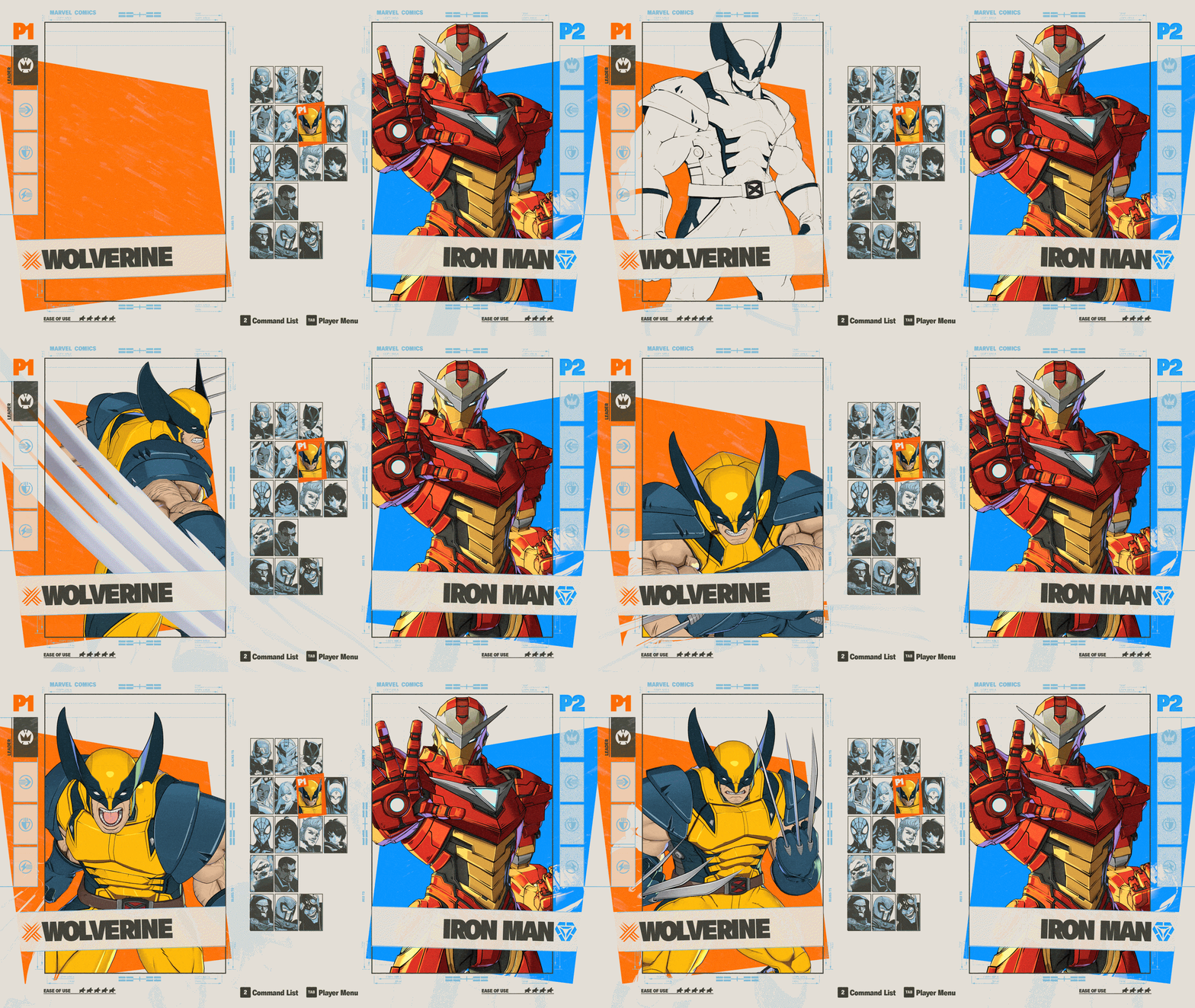
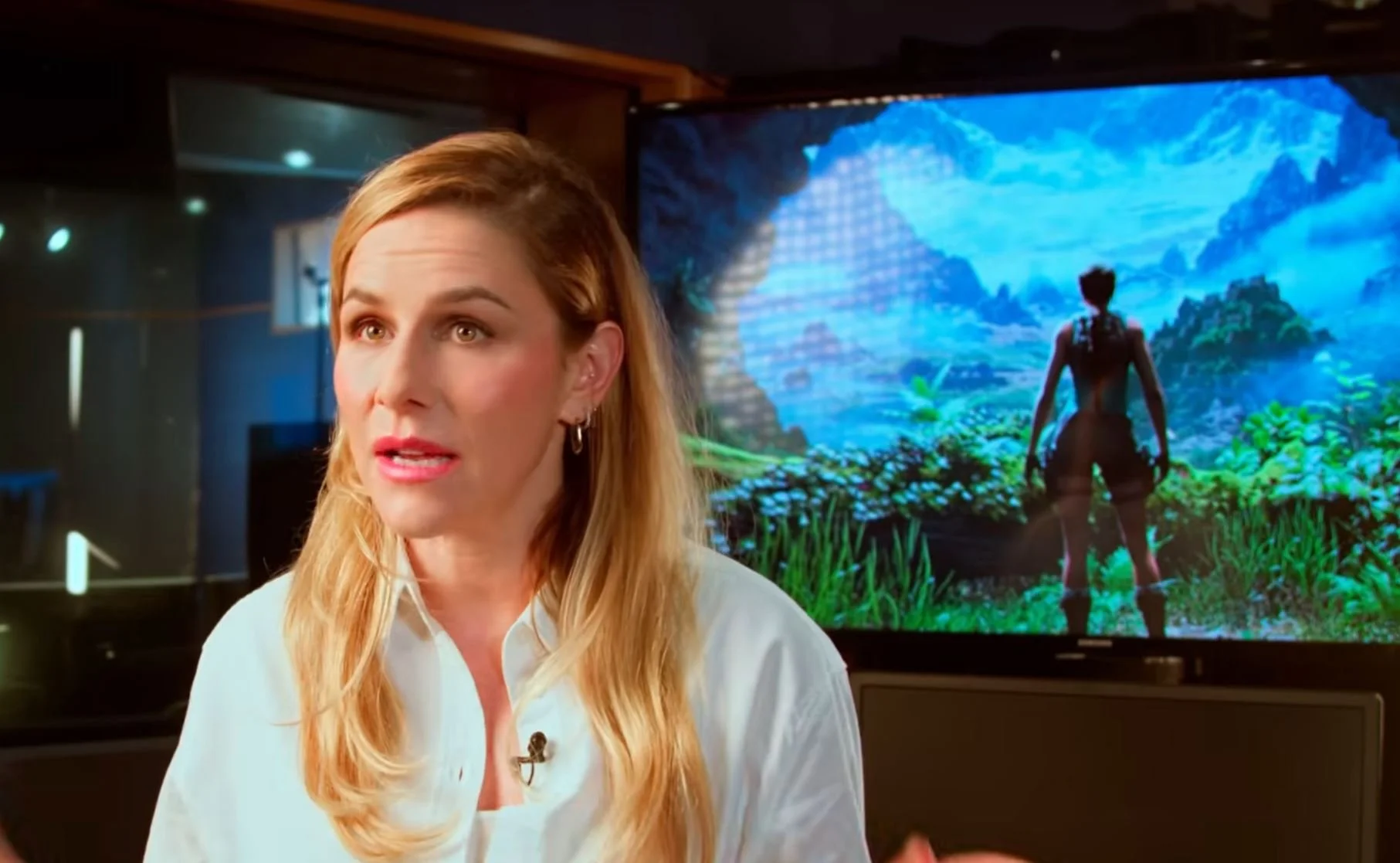
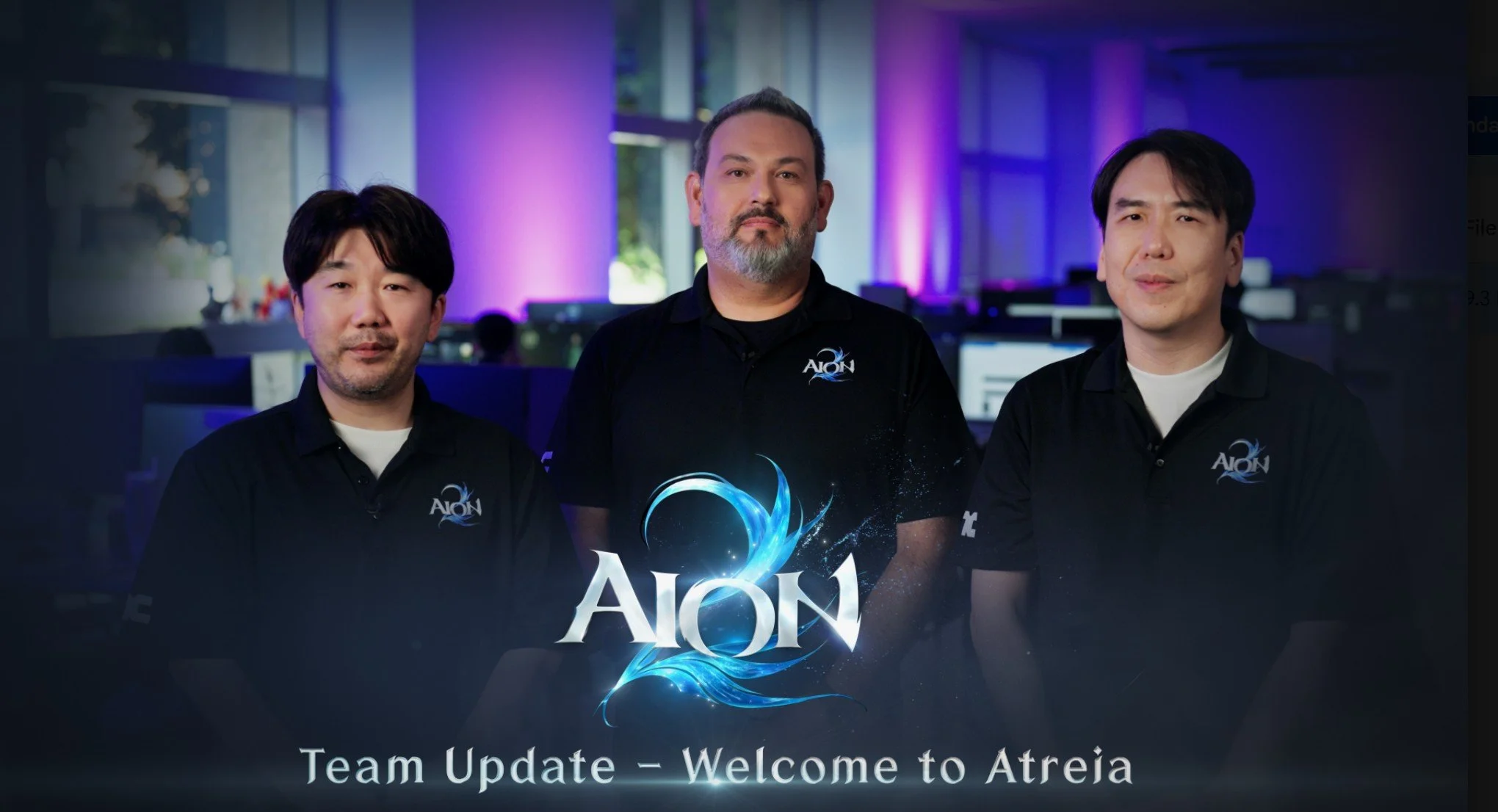
One of the most fascinating things about modern games is how much effort developers put into building worlds that most players never fully explore.
Every RPG, action-adventure game, strategy title, and open-world experience contains hidden stories, forgotten characters, background lore, and side quests that many players never encounter. Developers spend years creating these worlds, yet large portions of their narratives remain buried beneath hundreds of hours of content.
At the same time, gaming communities have become increasingly interested in lore explanations, character breakdowns, timeline videos, and story recaps. Entire YouTube channels are built around explaining the history of a single game franchise or analyzing the motivations of individual characters.
Recent advances in AI video technology are opening up a new possibility for these creators: bringing game characters to life through talking portraits, animated conversations, and story-driven video content.
Instead of simply describing a character’s backstory, creators can now present that story through the character itself.
Why Character Content Performs So Well
Gamers connect with characters.
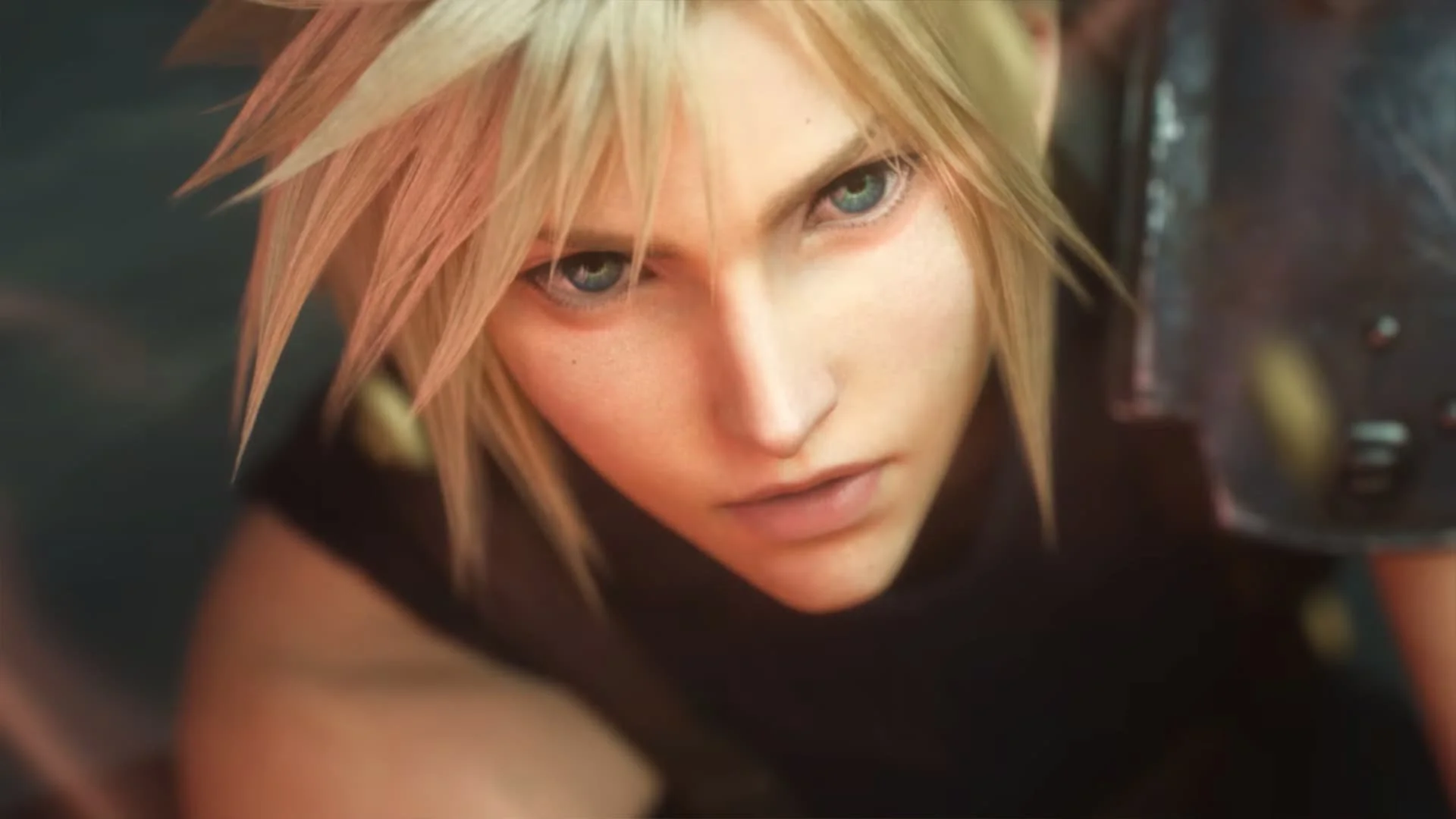
People remember Arthur Morgan, Commander Shepard, Kratos, Geralt of Rivia, Cloud Strife, and countless others because they become emotionally invested in their journeys.
When fans search for game content online, they are often searching for character-focused material:
Lore explanations
Character histories
Alternate theories
Timeline breakdowns
Hidden details
Story analysis
The challenge for creators has always been presentation.
A voice-over and a collection of screenshots can communicate information, but it often lacks personality.
Video creators are increasingly looking for ways to make these stories feel more immersive.
The Rise of Talking Characters
AI-powered lip-sync technology is making it possible to animate static images in ways that were previously reserved for professional animation studios.
A character portrait can become a narrator.
A companion character can explain a questline.
A villain can describe their motivations.
An NPC can guide viewers through a game’s history.
For lore-focused channels, this creates opportunities to tell stories in a way that feels closer to the source material.
Instead of hearing a creator explain a kingdom’s history, viewers can experience that explanation through a character that appears to speak directly to them.
Turning Lore Into Entertainment
One reason game lore videos have become so popular is that they help players understand stories that might otherwise remain hidden.
Massive franchises often contain decades of world-building spread across games, books, comics, downloadable content, and developer interviews.
Many players enjoy learning about these worlds but may not have time to consume every piece of source material.
This has created a growing demand for creators who can summarize and explain complex stories.
Modern tools for creating story-driven character videos allow creators to transform static artwork, character portraits, and concept designs into engaging visual experiences that feel much more dynamic than traditional slideshow-style content.
The result is educational content that feels closer to entertainment.
Beyond Lore Videos
The applications extend far beyond lore analysis.
Creators are experimenting with:
Character interviews
Fictional podcasts
Alternate timelines
Fan theories
Story recaps
Comedy content
Roleplay-style discussions
Imagine two NPCs discussing major events from their own perspective.
Imagine a faction leader explaining the politics of a fantasy kingdom.
Imagine a game companion reacting to decisions made by the player.
These formats create entirely new ways for gaming communities to engage with stories.
Why RPG Communities May Benefit Most
Role-playing games are particularly well suited to this style of content.
RPG players often spend dozens or even hundreds of hours exploring characters, factions, relationships, and world-building.
Many games contain enough narrative material to rival television series or novels.
As a result, RPG communities have developed a strong appetite for analysis and discussion.
AI-powered character animation allows creators to present that information in ways that feel more connected to the original world and its characters.
For audiences, this often makes complex stories easier to follow and more enjoyable to revisit.
Video Translation Creates New Opportunities
Gaming communities are global.
A popular theory video might attract viewers from North America, Europe, South America, and Asia.
Traditionally, reaching those audiences required subtitles or entirely separate productions.
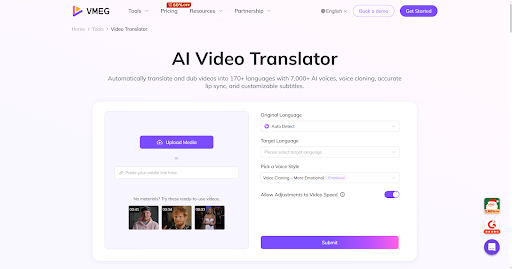
AI-powered dubbing and lip synchronization are beginning to make multilingual storytelling more practical.
Creators can adapt videos for multiple languages while maintaining natural-looking speech and character animation.
This makes game lore, educational content, and community discussions more accessible to international audiences.
Small Creators Have More Tools Than Ever
One of the most interesting aspects of this technology is how accessible it has become.
Independent creators now have access to workflows that were once available only to large studios.
A creator with:
Character artwork
Voice recordings
A strong understanding of a game world
Can build content formats that previously required dedicated animation teams.
This lowers production barriers while encouraging experimentation.
Many of the most creative uses of new technology come from passionate communities rather than major companies, and gaming communities have a long history of finding unexpected uses for emerging tools.
The Future of Interactive Storytelling
The next generation of AI-powered creator tools will likely make character-driven content even more common.
We can expect improvements in:
Character animation
Facial expressions
Multi-character scenes
AI dubbing
Video localization
Long-form storytelling
As these capabilities improve, creators will gain even more ways to explore the worlds they love.
The most exciting possibility may not be replacing traditional content creation but expanding it.
Stories that once lived only in text, screenshots, and forum discussions can become engaging visual experiences.
Final Thoughts
Video games have always been about immersion.
Players want to understand the worlds they explore and the characters they encounter. As gaming communities continue creating lore videos, theory discussions, retrospectives, and educational content, AI-powered character animation offers a new way to tell those stories.
Whether it is an NPC explaining a forgotten questline, a companion character narrating a timeline, or a villain defending their actions, creators now have more tools than ever to transform game stories into engaging visual experiences. The technology itself is impressive, but the real potential lies in the creativity of the communities using it.