Stake offers esports betting markets across major competitive titles, including Counter-Strike 2, League of Legends and Dota 2. The exact markets can vary by event, timing and user location.
Betting on esports works differently from traditional sports betting. Game updates, map choices, drafts and live momentum can all change how a match should be read, so understanding the game matters before placing a bet.
A Bet Can Start Before the First Round
The audience behind esports betting is much larger than it once was. Newzoo’s 2025 Global Games Market Report puts worldwide games revenue at $188.8 billion for 2025, with 3.6 billion players. Grand View Research estimates that the global esports betting segment generated $16.0 billion in 2024 and could reach nearly $40.0 billion by 2030.
The first mistake is treating esports like a scoreboard-only market. Before a match begins, there may already be enough information to change the read, from map veto history in CS2 to a patch that weakens a champion pool in League.
The less exciting checks matter too. Account eligibility, market availability and offer terms should be clear before anyone places a bet. Covers is a sports betting media site that tracks odds, sportsbook reviews, bonuses and betting guides and its Stake page explains how to use Stake promo code details for new users, including current terms and eligibility notes before signing up.
Game knowledge is useful, but it does not replace the need to check restrictions, bonus rules, or playthrough requirements. Esports can catch overconfident fans for that reason. Someone might understand the meta better than a casual viewer, but markets still punish shortcuts, which is why esports betting with a gamer mindset still needs discipline behind it.
Stake’s Esports Lobby Is Built Around Fast-Moving Games
Stake’s esports markets sit around games where the pace of play can change quickly. CS2 is round-based and economy-heavy. A team can lose the pistol, force a buy, break the opponent’s cash and suddenly make the early scoreline less meaningful than it looks.
League of Legends and Dota 2 ask for a different kind of read. Drafts, lane matchups and objective control can matter more than early kills. A side may be behind on the scoreboard but still better placed for the next fight if its composition reaches the right timing.
Valorant brings its own rhythm through agent picks and mid-round calling. A team might look sharp for the first few rounds, then struggle once the opponent adapts to its default setup. That is why esports markets are difficult to judge from score alone.
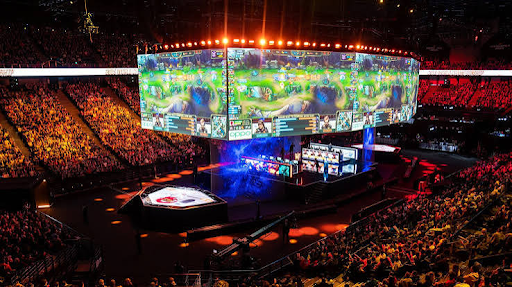
The scale of modern esports helps explain why sportsbooks now treat these games seriously. The Esports World Cup 2025 reported 340 million hours watched across the event, with a 7.5 million peak during the League of Legends finals.
Live Markets Are Where Game Knowledge Gets Tested
Live esports betting can feel familiar to anyone who has watched a match and thought the odds no longer match what is happening on screen. The difficult part is knowing whether that read is useful or just a reaction to one flashy moment.
In CS2, one clean retake can swing momentum, but a single round does not erase a bad T-side structure. In Dota 2, a net worth lead can hide the fact that one draft has a cleaner high-ground defense. In League, a gold lead matters less if it sits on the wrong champions. The live market reacts to score, pace and public attention. A gamer may be watching something more specific. Is the underdog winning because the draft is working or because the favorite misplayed two early fights? Is the CS2 team actually reading the rotations or just hitting low-percentage shots?
The screen is full of clues, but not all of them matter equally. Betting’s effect on the esports meta has also made viewers more aware of how odds, public reads and competitive trends can sit close together.
Why Esports Markets Do Not Behave Like Traditional Sports
Traditional sports bettors talk about injuries, travel and team form. Esports has its own versions of those variables, but they are not always obvious from the outside. A patch can change the value of an entire roster. A tactical shooter team can look elite on one map and ordinary on another. Tournament format changes the feel of a bet too. Best-of-one matches leave less room for correction, while longer series reward deeper preparation and stronger mental resets.
Information also moves quickly. Esports fans live inside Discord chatter, scrim rumors, patch notes, analyst desks and team socials. Not all of it is reliable. The useful skill is knowing which signals can affect a match and which ones only make a bet feel more exciting than it is.
Treat It Like Match Analysis, Not a Shortcut
Stake gives esports fans access to markets around games they may already understand, but familiarity can be a trap. Knowing the game does not guarantee a good bet. It can just make a weak read feel more convincing.
Promo codes and welcome offers should be treated the same way. They may change the setup of an account, but they do not change the risk of the bet itself. Terms and eligibility matter, especially when playthrough requirements are attached.
The better approach is closer to match analysis than prediction chasing. Read the game, read the market and read the terms before anything is placed. Esports already moves quickly. The betting side works better when the read is slower than the match.