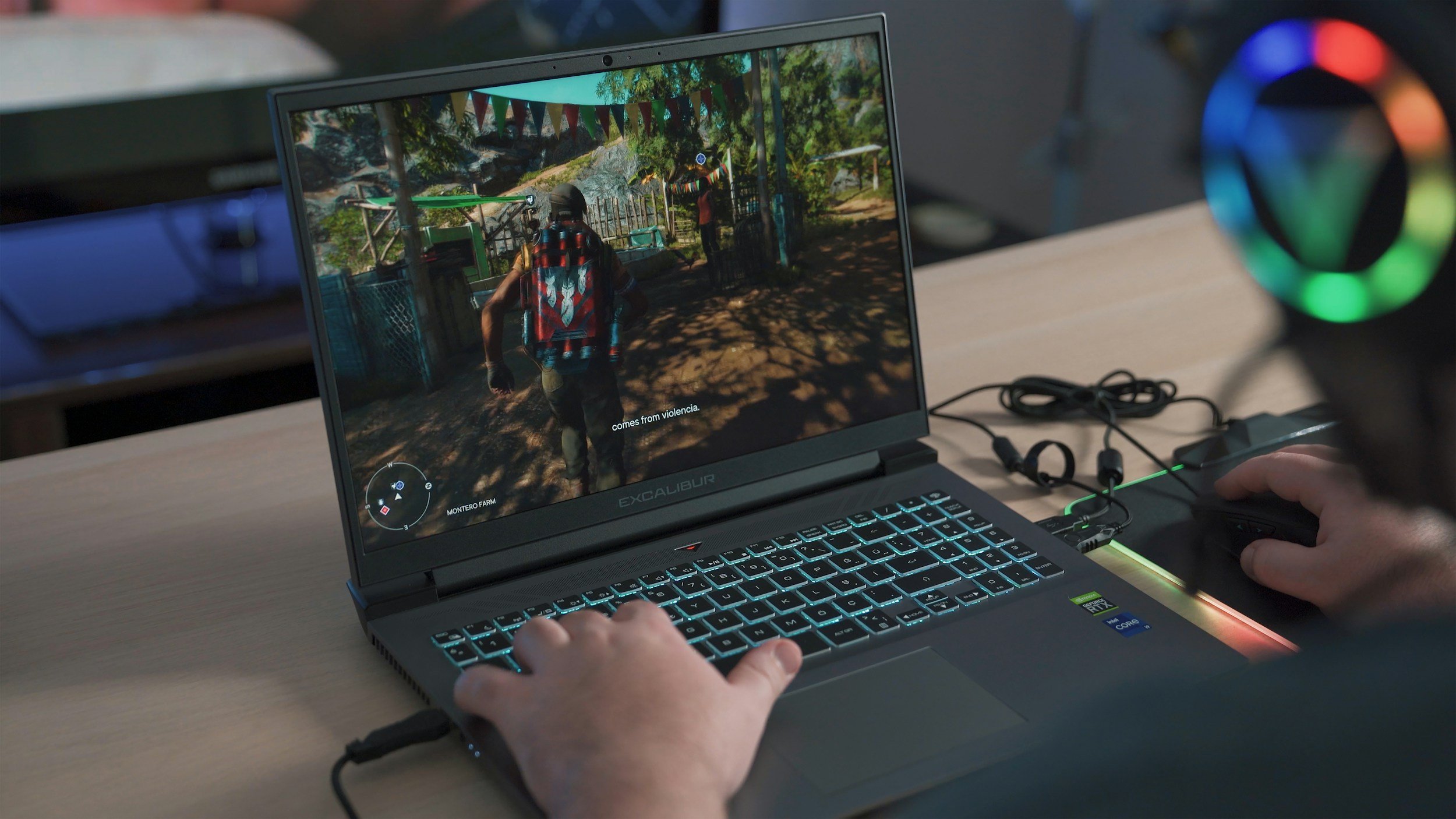
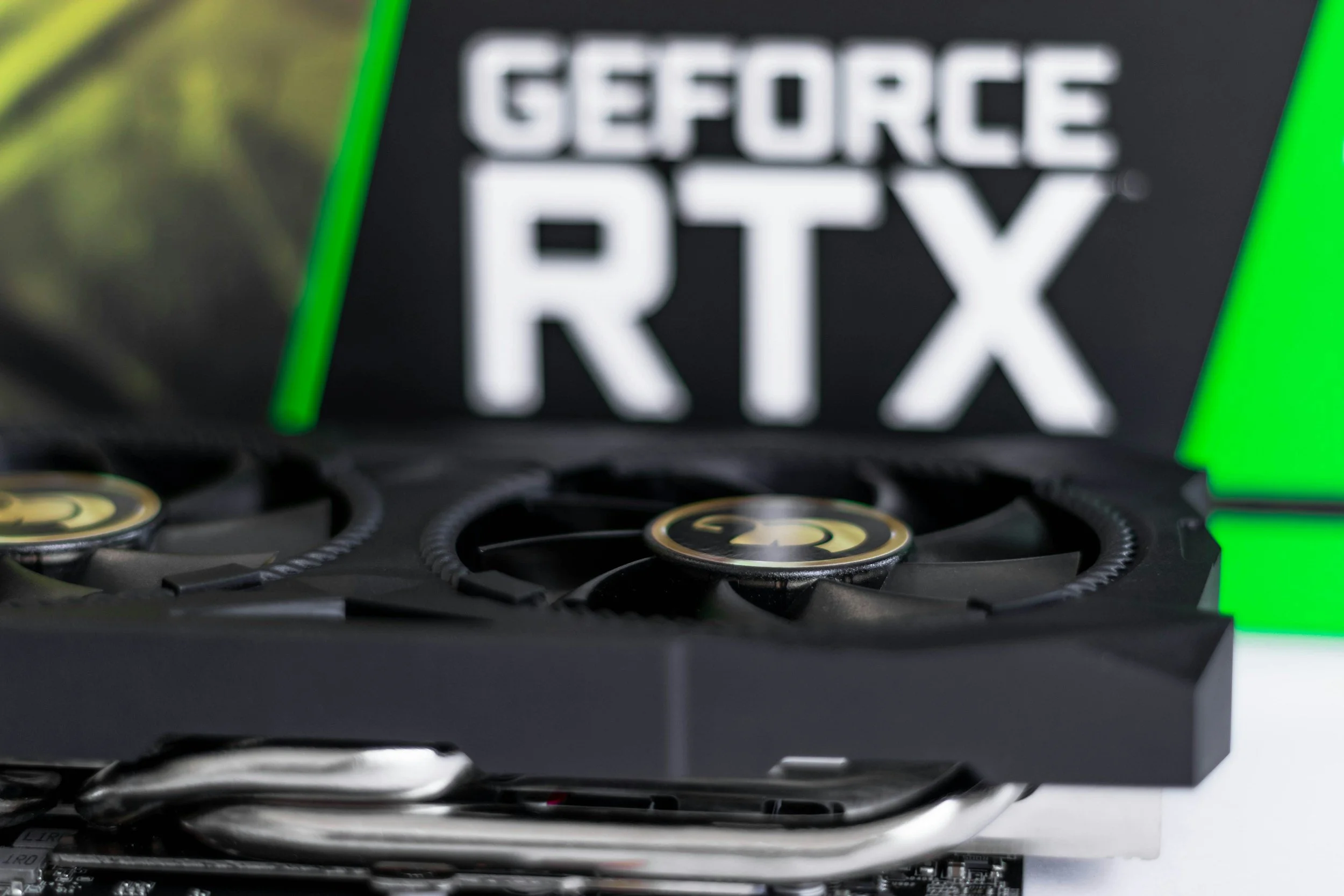
Gaming performance is no longer only about raw frame rates
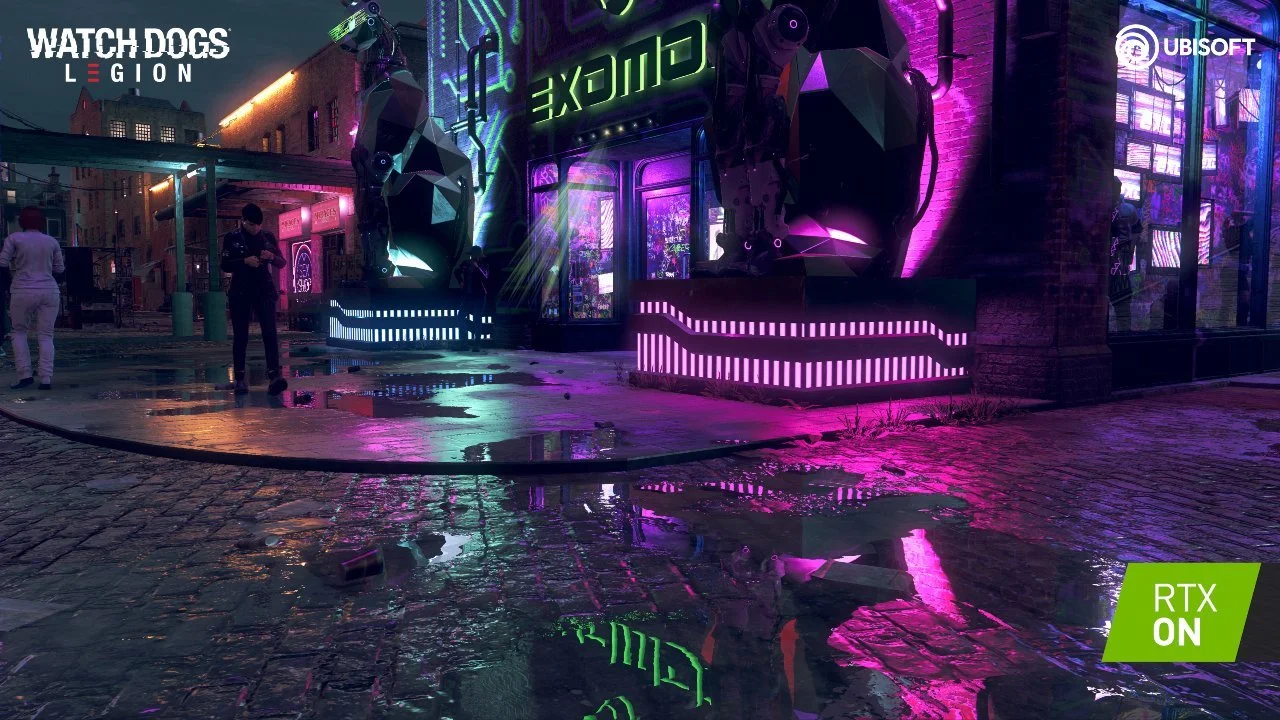
For years, choosing a graphics card was largely a matter of comparing average frame rates at a chosen resolution. That is still important, but the way modern games are rendered has changed. Ray tracing adds more realistic lighting, reflections, and shadows, while AI-assisted techniques help reconstruct sharper images and create smoother motion without forcing the GPU to render every pixel and every frame in the traditional way.
This means a high-end GPU is no longer simply a faster version of an older card. It is increasingly a platform for several kinds of processing at once: rasterization, ray tracing, frame generation, image reconstruction, video encoding, and AI acceleration. The result is a wider range of benefits for players who want a system that can handle demanding games for years.
AI-assisted rendering is changing expectations
NVIDIA’s Blackwell-based GeForce RTX 50 Series pushed AI-assisted graphics further into the mainstream. DLSS 4 introduced Multi Frame Generation on supported hardware, allowing the system to generate additional frames alongside traditionally rendered ones. Combined with Super Resolution, Ray Reconstruction, and low-latency technologies, this can make demanding games feel smoother while preserving visual detail.
Not every title will behave identically. Performance still depends on the game, resolution, settings, drivers, and the rest of the computer. However, modern GPU performance can no longer be judged only by native-resolution benchmark numbers. Software support and AI features now play a major role in the experience a player sees on screen.
Flagship memory capacity matters beyond gaming
Large amounts of video memory are especially useful at high resolutions, with detailed texture packs, complex ray-traced scenes, and heavily modified games. They also matter for creators who use the same PC for 3D work, video editing, game development, or local AI applications.
A flagship model such as the AORUS GeForce RTX 5090 MASTER 32G combines 32GB of GDDR7 memory with a 512-bit memory interface and 21,760 CUDA cores. That level of hardware is far beyond what most players need for ordinary 1080p gaming, but it shows why premium GPUs appeal to users who want one machine for gaming, streaming, content creation, and accelerated computing.
A powerful GPU needs the right system around it
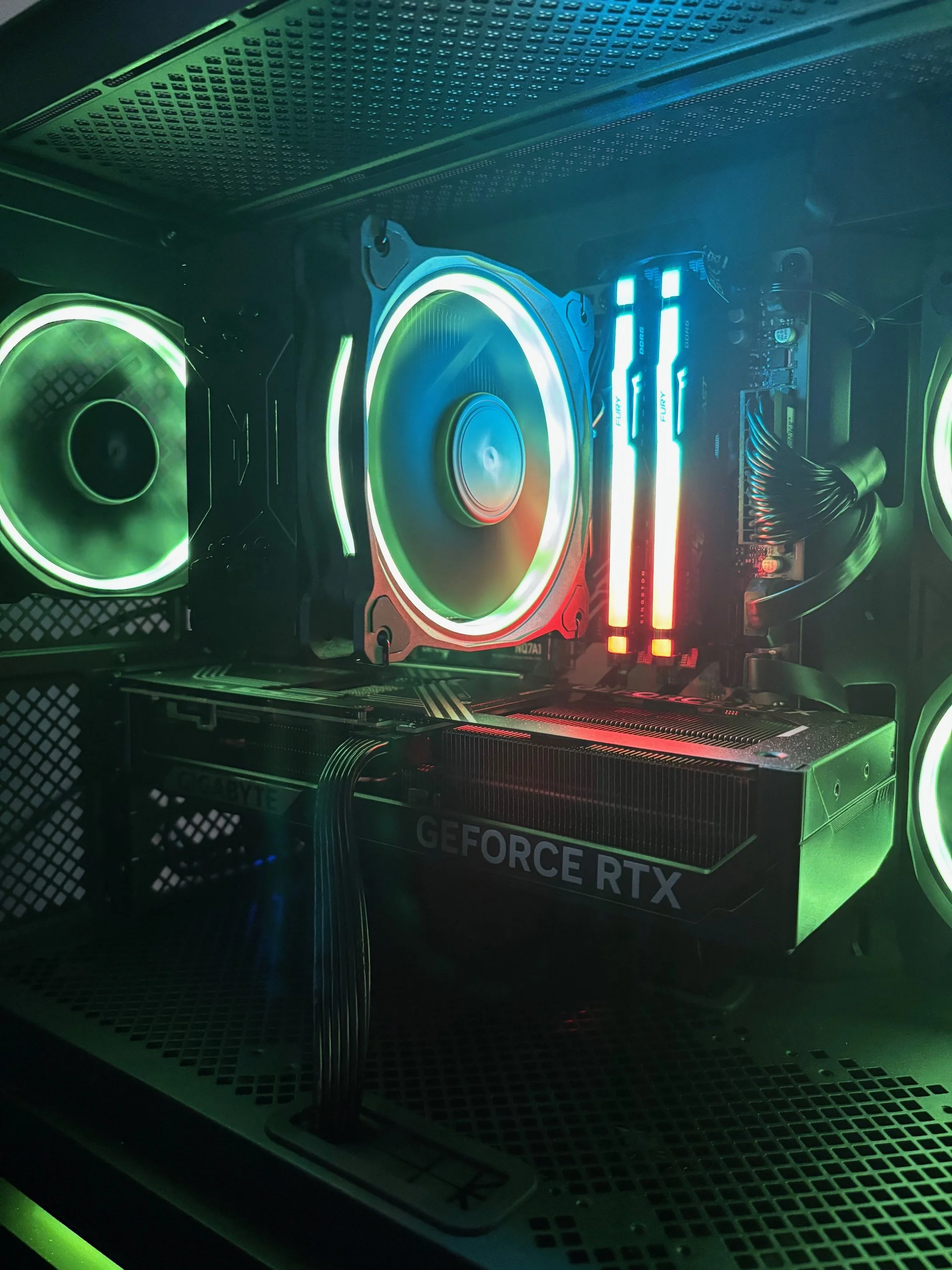
Buying a flagship card without checking the rest of the build can lead to wasted performance or installation problems. High-end GPUs are physically large, draw significant power, and generate substantial heat. The AORUS RTX 5090 MASTER, for example, is approximately 360 mm long, and its manufacturer recommends a 1000-watt power supply.
Before upgrading, buyers should confirm case clearance, power-supply quality, connector compatibility, airflow, and cable routing. A strong processor also matters, especially for high-refresh-rate gaming where the CPU may become the limiting factor. Storage speed, memory capacity, monitor resolution, and refresh rate should all match the intended use of the system.
This is why the most expensive graphics card is not automatically the best purchase for every gamer. A balanced PC usually delivers a better experience than a system that spends most of its budget on the GPU while compromising on cooling, power delivery, or the display.
Who actually benefits from a flagship graphics card?
Enthusiasts using 4K monitors with high refresh rates are the most obvious audience. Players who enable demanding ray-tracing settings, use large texture packs, or run heavily modded games may also benefit from the extra performance and memory. The same applies to streamers and creators who want to play, record, edit, and render on one workstation.
Local AI is another growing use case. Some image-generation, video, voice, and language-model tools can run directly on a personal computer when enough GPU memory and acceleration are available. This does not mean every gamer suddenly needs a flagship card, but it does make premium GPUs more versatile than previous generations.
How to decide whether the upgrade is worth it
The first question should be what problem the upgrade is meant to solve. A player who is already getting smooth performance at 1440p may gain more from a better monitor, faster storage, or a quieter cooling setup. Someone building a premium 4K system, experimenting with local AI, or working with demanding creative applications may have a stronger reason to invest in top-tier graphics hardware.
It is also wise to compare complete-board designs rather than looking only at the GPU name. Cooling systems, dimensions, factory clock speeds, display outputs, noise levels, support policies, and power requirements vary between manufacturers. Checking these details before ordering can prevent compatibility issues.
The GPU is becoming the multipurpose engine of the PC
The modern graphics card sits at the intersection of gaming, media creation, simulation, streaming, and AI. That is why advanced models attract attention even from people who are not solely focused on games. Their value comes from the ability to accelerate many visually and computationally demanding tasks on the same machine.
For buyers comparing current graphics hardware, AI Robot Supplier provides access to high-end GPU listings alongside other advanced technology products. Whatever model is chosen, the smartest approach is to match the card to the monitor, software, workload, power supply, and budget rather than purchasing on specifications alone.
High-end GPUs are becoming the centerpiece of modern PCs because they influence far more than visual quality. They now shape how smoothly games run, how quickly creative work is completed, and how much advanced computing can be done locally. For the right user, that makes the graphics card not just another component, but the defining part of the entire system.