Blockchain and crypto are the new buzzwords in the gaming industry, but what are they and what do they mean to an average gamer?
In gaming circles, you have probably recently seen heated debates about the concept of play-to-earn, NFT games, or Web3 gaming. Some players swear these are the future. Others think it's all a scam. The majority are in between; they are inquisitive, somewhat bewildered and quite uncertain about what any of it is in actual practice.
What Is a Blockchain, Really?
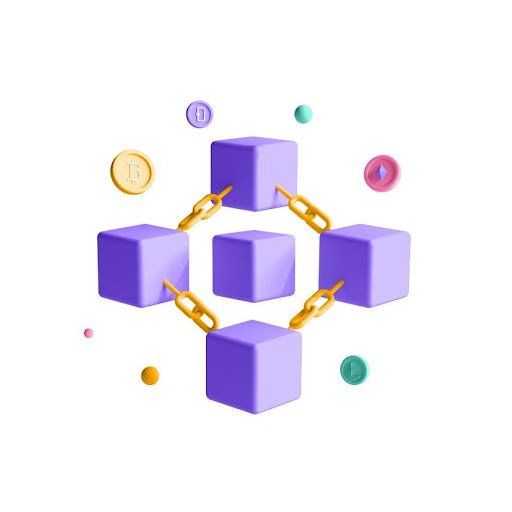
A blockchain is an electronic registry with thousands of computers sharing it at the same time. Rather than a single company having all the data in its own server, the data is copied and stored in an enormous system of machines around the globe. Each update is locked into an irreversible block that links to all the other ones before it - thus the name.
The good thing about this is that it is not controlled by an individual or a business. No one can go in and alter the records. It is all transparent, permanent, and can be checked by anybody.
What Makes a Game "Blockchain-Based"?
When you are playing a classic game, like Fortnite, Call of Duty or World of Warcraft, all your progress, items, skins and account data are stored on servers that are managed by the developer. If Epic Games shuts Fortnite tomorrow, you lose all your skins. Basically, you never truly owned them.
Blockchain games are changing this due to a number of reasons:
True ownership of items: Public blockchain can be used to store in-game items, weapons, characters, land, and cosmetics as tokens. You hold them as you do cryptocurrency in a digital wallet. They cannot be erased by the developer.
Tradeable assets: Since they exist in a blockchain, they can be purchased, sold, and traded in open markets without requiring the permission of the developer. Here is where actual money comes in.
Play-to-earn mechanics: There are blockchain games, where the players are rewarded with cryptocurrency or tradeable tokens by simply playing. Complete a mission, win a fight and your game rewards you with tokens that can have a real money value outside the game.
What Are NFTs and Why Do They Keep Coming Up?
A Non-Fungible Token, or NFT is a unique digital certificate. The term ‘non-fungible’ means that it is unique, which is unlike a dollar bill or a Bitcoin, which are the same as any other.
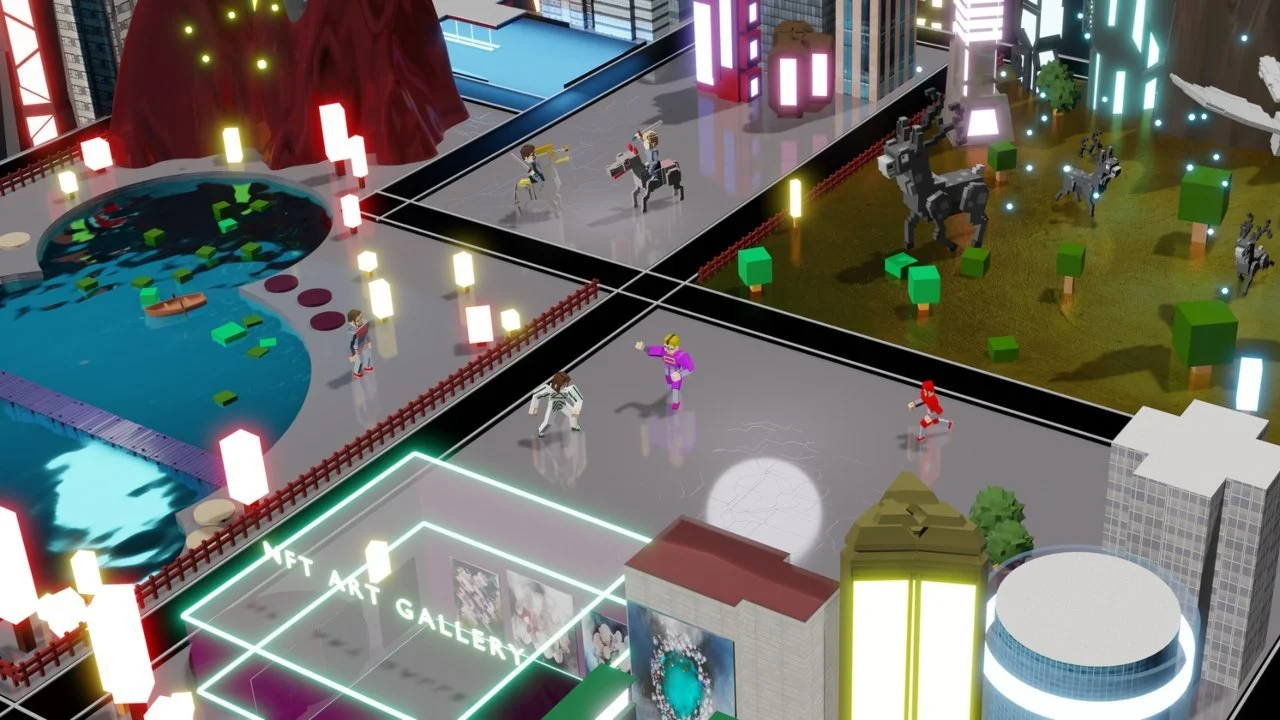
Having NFTs in the gaming industry is a rare resource: a rare sword with a significant story, a parcel of digital land, a character that can do something special that no one can do. The NFT is a type of ownership, and it is stored in the blockchain that can be validated by anybody.
The scandals of the first generation of NFT games are that they were cheap productions, which the creators did to sell some digital goods rather than to offer a pleasant experience. With that in mind, the very concept of actual ownership and transfer of digital things is real and has not disappeared.
How Play-to-Earn Works
The play-to-earn (P2E) model is simple in concept: players do not need to pay for a subscription fee or any cosmetics, but they get tradeable tokens as a reward for time and effort spent in the game.
One of the largest early ones was Axie Infinity. Players had creatures known as Axies, fought them and earned tokens. During the peak of the game in 2021, players in developing countries were making a decent income through it. Then the token value collapsed.
That story is instructive. P2E economies are based on the consistent entry of new players to purchase to maintain token prices at a healthy level. The economy can quickly unravel when growth decelerates. Newer games have moved towards a more play-and-earn model - gaining tokens is a bonus on top of a genuinely entertaining game.
Wallets, Tokens, and What You Actually Need
To play most blockchain games, you will need to have crypto and an NFT in a digital wallet. MetaMask is a game wallet based on Ethereum that is the most popular. Other games are powered by cheaper and faster blockchains such as Solana or Polygon, and have their own wallets.
Each game also has an in-game token, and it is better to be aware of these systems of tokens before wasting time or money. In order to get more in-depth with how these crypto economies work, especially with big games releasing new tokens, you could read more about it from crypto sources such as CCN rather than doing just a simple Google search.
Also, one more thing to know: gas fees. All activities in most blockchains have a small fee charged in the currency used. These charges are triggered by the movement of items or the completion of some in-game activities and vary in price based on the network usage.
The Real Criticisms Worth Knowing
The largest issue of blockchain gaming is that it mainly revolves around money-making rather than fun, and this is what attracts speculators and spoils the fun for the actual players.
Frauds are prevalent too, and some projects vanish after selling tokens, so it is crucial to research a game before investing.
Besides that, the technology is a little too difficult to use - wallets and fees baffle the majority of gamers, but good studios are striving to hide the complexity so that players can simply enjoy the game.
Is Blockchain Gaming the Future?
Blockchain gaming is probably between a revolution and a phase.
The essence behind it all, that people can truly own what they earn in games, is very convincing, and it will not disappear. The wild speculation that happened in 2021-2022 was more of a gold rush that burned people. What is currently being built is something better: fun-first games with blockchain ownership added on top as a feature.
Whether that change is a complete success is yet to be known. However, to anyone who wants to know where the boundaries of the industry are being pushed, blockchain gaming is worth understanding – even if you never plan to touch it yourself.