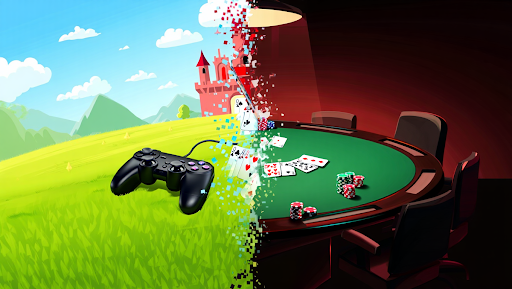
Digital gamers rarely settle for one world. They jump from sprawling RPGs to competitive shooters, then chase social experiences in live-service titles. That hunger for variety extends beyond traditional gaming into other interactive entertainment spaces. Players want seamless transitions, instant rewards, and platforms that respect their time. The best digital destinations share one trait: they understand player psychology. They deliver quick feedback loops, visual polish, and a sense of progression. When a platform nails those elements, it earns loyalty. For many players exploring new interactive options, Rocketplay35.com stands out as a destination built around those exact principles. Its interface feels familiar to anyone raised on modern game UIs, which lowers the barrier to entry immediately.
The crossover between gaming culture and interactive entertainment continues to blur. GameTyrant.com, a hub for video game news, movie reviews, and pop culture coverage, frequently highlights this overlap. Features on Twitch streaming habits, esports economics, and the gamification of digital services all point to a shared audience. Players who consume entertainment media daily also seek platforms that mirror the excitement of a boss fight or a ranked climb. That demand drives innovation in reward systems, visual design, and user engagement. Understanding what makes a platform appealing requires looking at the mechanics behind the experience, not just the surface level.
Key Facts: The Numbers Behind Player Engagement
The data paints a clear picture of why certain platforms capture attention. These statistics reveal the behavioral patterns that define modern digital entertainment consumption.
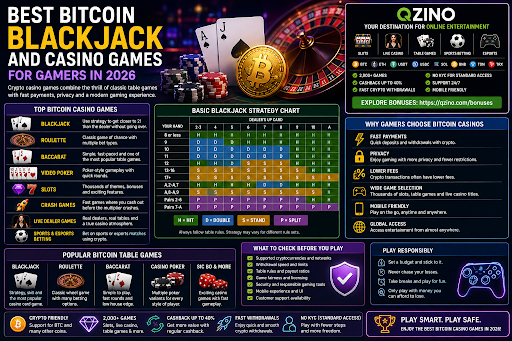
A 2025 survey by the Entertainment Software Association found that 72% of weekly gamers also engage with non-traditional gaming platforms, including skill-based betting and casino-style games, at least once per month.
Statista reports that global revenue from online casino gaming reached $63 billion in 2024, with projections showing a compound annual growth rate of 11.3% through 2026.
Research from Newzoo indicates that players aged 22-35 spend an average of 4.2 hours weekly on interactive entertainment outside standard video games, a figure that grew 18% between 2022 and 2025.
A study published in the Journal of Gambling Studies in March 2025 showed that 61% of respondents chose platforms based on visual design quality and interface responsiveness, ranking these factors above payout speed.
Data from the UK Gambling Commission reveals that mobile-first platforms captured 68% of all casino-style gaming sessions in 2025, up from 54% in 2021.
A 2026 industry report by H2 Gambling Capital projects that live-dealer games will account for 29% of all online casino revenue within the next three years, reflecting a demand for real-time interaction.
Why Visual Polish Mirrors Modern Game Design
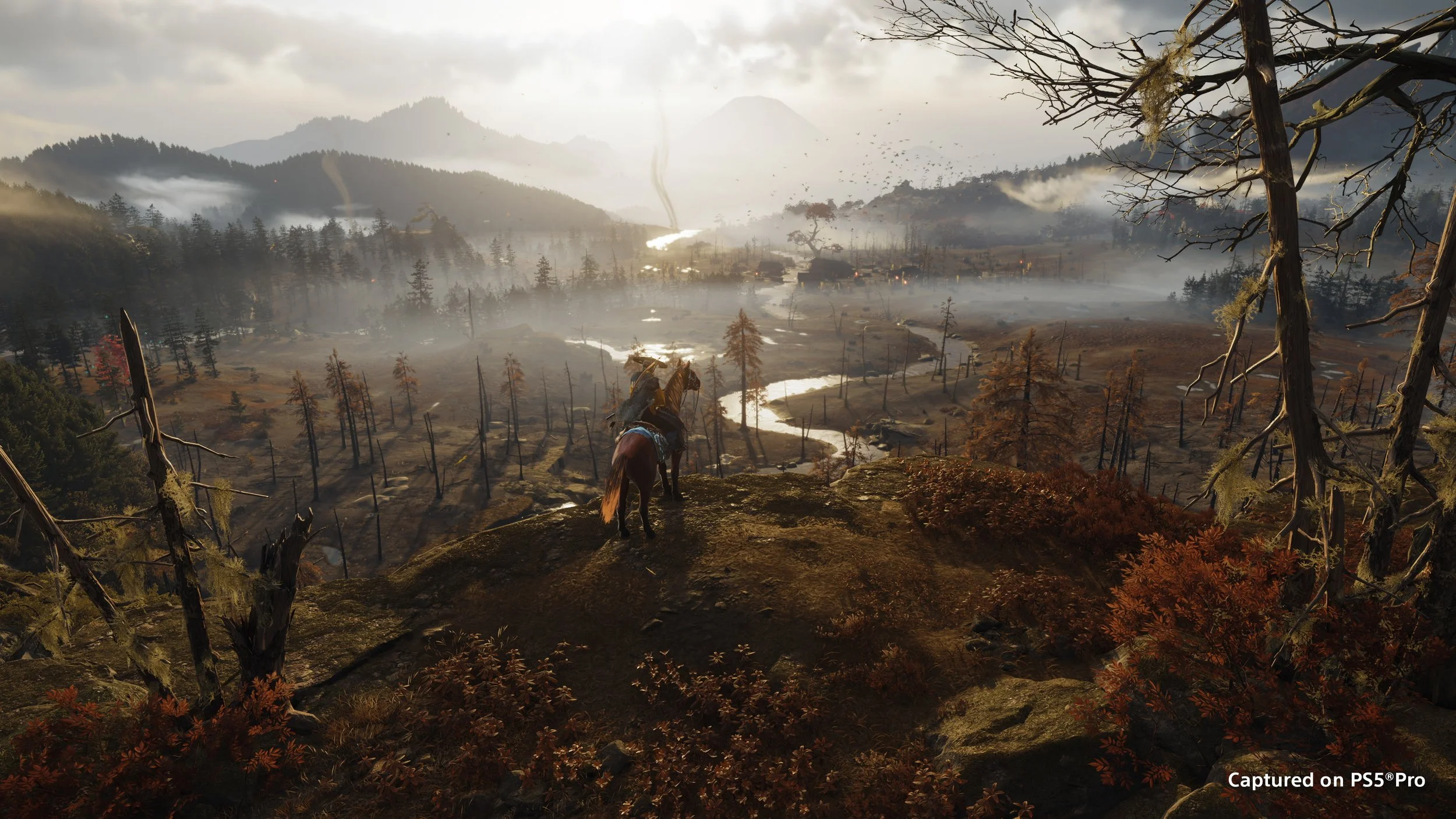
Modern gamers expect high production values. They grew up with AAA titles, cinematic cutscenes, and responsive interfaces. A clunky platform feels like a laggy game; it kills immersion instantly. Successful interactive entertainment platforms borrow design language directly from video games. They use bold color palettes, smooth animations, and intuitive navigation. This approach signals professionalism and competence. When users land on a platform that looks and feels like a well-made game, they trust it more. That trust translates into longer sessions and repeat visits.
The connection between gaming aesthetics and player retention is not coincidental. Game developers spend millions on user experience research. They learn what keeps players engaged, what triggers dopamine releases, and what causes frustration. Platforms that adopt these principles see measurable benefits. For instance, instant feedback loops, such as visual effects when a player wins a spin or unlocks a bonus, mirror the reward systems in games like Overwatch or Fortnite. These micro-interactions create a sense of accomplishment that keeps players coming back. The same psychological triggers that make loot boxes addictive power the appeal of a well-designed casino-style interface.
The Psychology of Rewards and Progression
Gamers understand progression systems intuitively. Leveling up, earning achievements, and unlocking content all drive engagement. Interactive entertainment platforms apply the same logic through bonuses and loyalty programs. Players respond to tangible rewards that acknowledge their time and activity. A welcome package that matches a player's initial deposit feels like an achievement unlock. Free spins on popular slots function like daily quests, encouraging regular logins. These mechanics tap into the same neural pathways that make gamers grind for rare items or complete difficult challenges.
The reward loop becomes even more compelling when tied to jackpots. Progressive jackpots operate like endgame bosses. The prize pool grows visibly, creating anticipation and urgency. Players watch the number climb, knowing that someone will eventually claim it. This shared excitement mirrors the community buzz around a new game release or a major esports tournament. Platforms that integrate these elements create a sense of shared experience, even though each player interacts individually. The social proof of seeing others win, through live feeds or recent winner notifications, reinforces the belief that success is attainable.
Bridging Pop Culture and Interactive Entertainment
Pop culture shapes what players find appealing. When a platform references themes from popular movies, comics, or video games, it creates instant recognition. Themed slots based on blockbuster films or iconic characters leverage existing emotional connections. Players approach these games with curiosity because they already love the source material. This crossover strategy works because it reduces the learning curve; the theme feels familiar, so players engage faster. GameTyrant.com regularly covers how entertainment franchises expand into interactive experiences, noting that successful adaptations respect the source material while offering genuine gameplay value.
The cultural connection extends beyond themes. Music, sound design, and narrative elements all contribute to the experience. A slot game that uses a recognizable soundtrack triggers nostalgia. A live dealer who engages with players creates a social atmosphere reminiscent of streaming communities. These elements transform a solitary activity into something that feels communal. Digital gamers, accustomed to multiplayer interactions and shared experiences, respond well to this blend. The platform becomes more than a transaction; it becomes part of their entertainment ecosystem, sitting alongside their favorite shows, movies, and games.
What Keeps Players Coming Back for More
Retention depends on variety and freshness. Players abandon platforms that feel repetitive. Successful platforms rotate game selections, introduce new features, and adapt to player feedback. They treat their content library like a live-service game, constantly updating to maintain interest. Seasonal events, limited-time bonuses, and themed tournaments create urgency. These events give players a reason to log in regularly, much like seasonal content in games like Apex Legends or Destiny 2. The fear of missing out drives engagement, but the quality of the experience sustains it.
Mobile optimization also plays a critical role. Players expect seamless transitions between devices. A session that starts on a desktop should continue smoothly on a smartphone. Responsive design, fast loading times, and touch-friendly interfaces are non-negotiable. Platforms that deliver a consistent experience across devices capture more of the player's time. The convenience of playing during a commute or a lunch break fits naturally into modern lifestyles. This flexibility aligns with how digital gamers already consume entertainment, whether through mobile games, streaming apps, or social media.
The future of interactive entertainment lies in this convergence. Players want experiences that respect their intelligence, reward their time, and offer genuine excitement. Platforms that understand these desires will continue to grow. The line between gaming and other forms of digital entertainment will keep fading. Those who adapt, who borrow the best practices from game design and pop culture, will lead the industry forward. The appeal is not just about winning money or playing games; it is about feeling engaged, entertained, and valued as a player. That feeling, once established, is hard to replicate elsewhere.