Disclosure: This is a paid guest post. The author or an affiliated third party paid for its publication, and the article may contain promotional links. The views and opinions expressed are those of the author and do not necessarily reflect those of GameTyrant or its editorial staff.
Disclaimer: The following content contains references to gambling, casinos, and related topics.
Twenty years ago, a slot machine and a video game had very little in common. They came from different companies, and they were sold to different people in different places. Today the picture is messier. Random card packs, paid skins, esports betting and social casino apps that hand out free chips have ended up somewhere in the middle, and it gets harder each year to say where gaming stops. Most players have run into it, whether through a reel animation in a mobile game or a card pack that opens with a burst of gold light. Rating boards have started labelling it, too.
One publisher, two kinds of machine
Konami makes the point better than most. On consoles, the name means stealth games and soccer, yet the same group owns Konami Gaming, a Las Vegas operation that builds slot cabinets for casino floors. Both show up in one annual report.
Japan goes a step further. Back in 2016, the company's amusement division put out a pachislot machine based on Snake Eater, a clear sign that games like Metal Gear Solid can live a second life as reel-based entertainment for a very different crowd. Sega Sammy runs on a similar split, with game studios in one part of the group and pachinko machines in another.
Loot boxes and the pull of the random reward
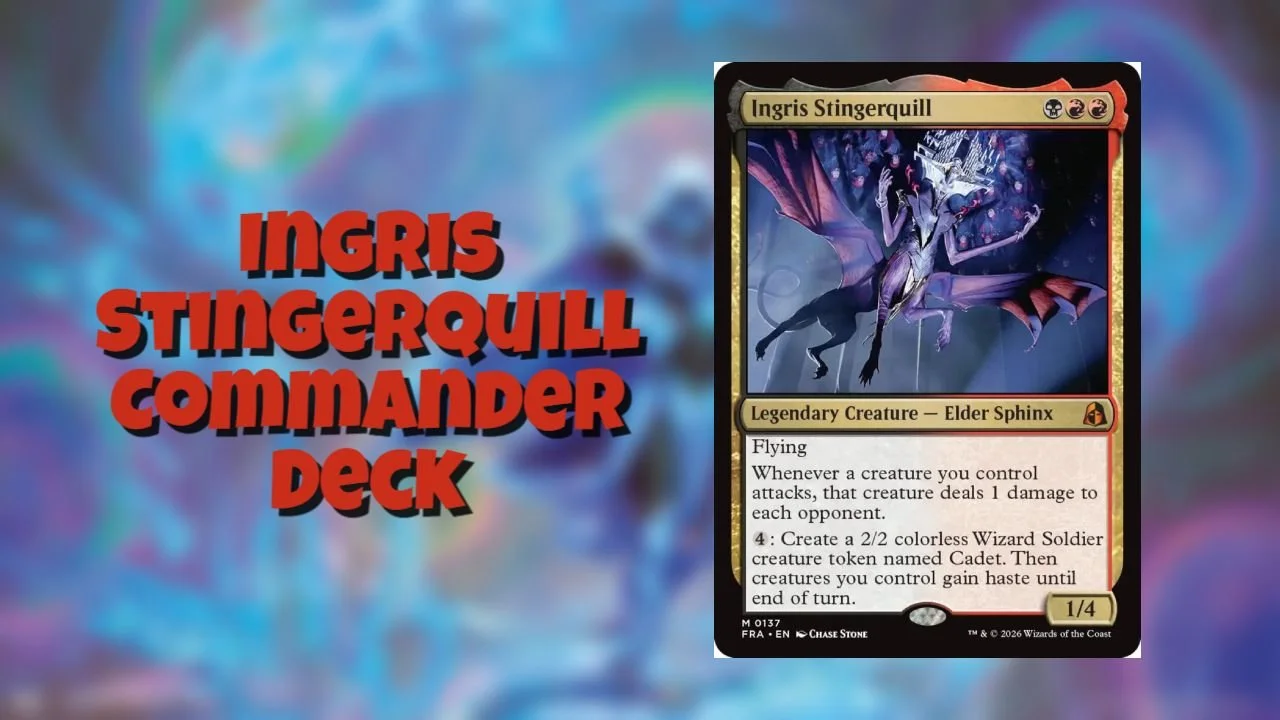
Loot boxes are usually the first chance mechanic a player meets. Real money or in-game currency goes in, an item comes out, and nobody knows how rare it is until the box opens. Hearthstone has sold randomized card packs since 2014. Overwatch is a more complicated story, since it scrapped loot boxes in 2022 and then brought them back in early 2025, this time with the drop rates published. Both games were in Anaheim this September. At BlizzCon 2026, the Hearthstone Masters Tour and the Overwatch World Cup shared the convention with panels and other events.
Social casinos and the wider menu of online entertainment
Social casinos flip the arrangement. Players spin slots or sit at poker tables with virtual chips that can't be turned back into cash. The screens look a lot like a real-money site, but the money side (free download, optional purchases) is borrowed from mobile games.
Real-money online casino sites are another matter, and a licensed one. Review resources like Casino.org Canada to compare those digital entertainment environments on licensing, game libraries, and payment methods, which matters because the best online casino for one reader can be a poor match for someone who cares more about a particular payment method than the size of the game library.
Casino-inspired mechanics without the wager
Some games borrow the look of a card table and stop there. Balatro is the best-known case. The deckbuilder came out in February 2024 and asks players to build poker hands that beat a score target, with nothing at stake. It has no in-game purchases at all, and players buy it once, and that's it.
Sales went far beyond what most small studios see. Sold on the Steam Store as well as on consoles and mobile, it had passed five million copies by January 2025, according to publisher Playstack. Not everyone read the poker theme the same way. PEGI rated it 18 at first, then dropped that to 12 after an appeal in early 2025.
Esports and the betting markets that follow
Esports is where the overlap is easiest to see. If a match can go either way, someone will usually offer odds on it, and licensed sportsbooks in many countries list esports right next to soccer and tennis. Canadian readers face something of a patchwork. Who oversees those markets depends on the province, and an informational directory like Gambling Commission Canada (GCC) gathers the provincial, territorial and Indigenous gaming authorities in one place.