Gaming has had its share of hyped years that flopped harder than a poorly optimized PC port. Remember the countless delays, the unfinished releases, and the promises that never materialized?
Yeah, we've all been burned before. But 2026 actually looks different, and not just because publishers are making their usual grand promises.
Gaming disappointments taught fans to manage expectations, but 2026's lineup has something previous years lacked. Placing an online casino Clubhouse on this year's roster feels far less risky than in previous cycles. These games have been in development long enough to be actual products rather than just concepts.
The release calendar is stacked with titles that have been cooking for years. We're talking about games with actual gameplay footage, confirmed release windows, and studios that seem to have their act together for once. Here's why this year might actually live up to the hype.
GTA 6 Finally Becomes Real
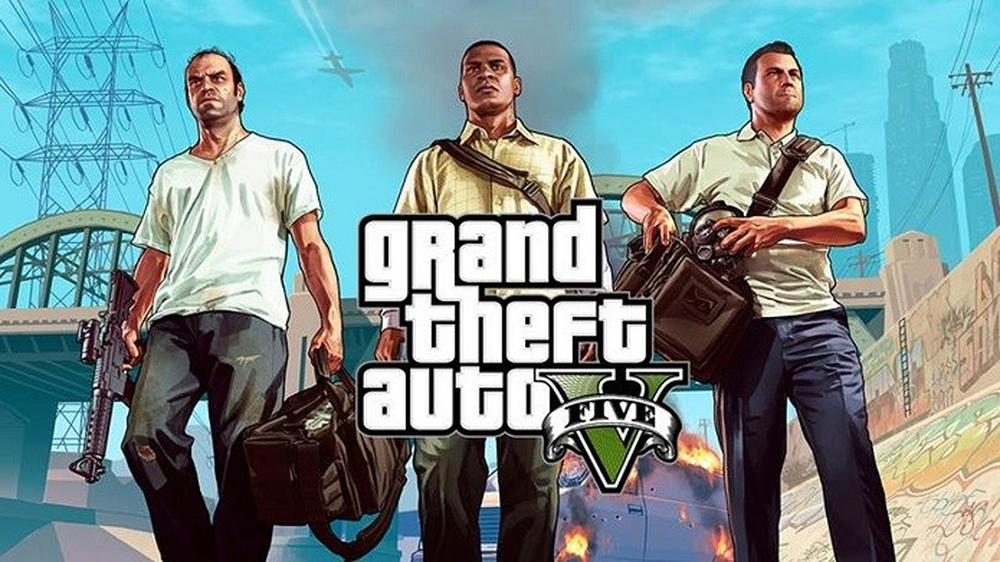
Rockstar's silence about GTA 6 became a running joke in gaming communities. Fans dissected every trailer frame, analyzed every leak, and created enough theories to fill a conspiracy documentary.

The wait stretched so long that GTA 5 launched on three different console generations.
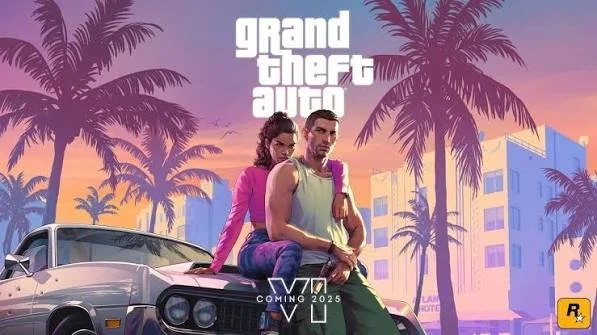
But 2026 marks the official release, and what we've seen suggests Rockstar used that development time wisely. The setting returns to Vice City with a massive map that supposedly dwarfs anything in previous games. Two protagonists, including the series' first playable female lead, bring fresh storytelling angles to a franchise that sometimes felt stuck in the same narrative rut.
What makes GTA 6 stand out:
Dynamic weather systems that actually affect gameplay
An economy that responds to player actions
Interiors for most buildings instead of decorative facades
Improved AI that makes NPCs feel less robotic
Online mode built from the ground up rather than tacked on
The technical ambitions are massive. Rockstar claims the game uses procedural generation for certain elements while maintaining their trademark hand-crafted detail. If they pull it off, it could redefine open-world standards the way GTA 3 did back in the day.
According to The Verge's reporting on game development cycles, Rockstar's extended timelines typically result in polished experiences rather than rushed disasters. That track record provides some confidence this won't be another Cyberpunk 2077 situation.
F1 2027 Brings Regulatory Revolution to Racing Games
Formula 1 is undergoing its biggest rules overhaul in years, and the 2026 game gets to showcase those changes. New power unit regulations, revised aerodynamics, and completely different car designs mean this isn't just a roster update with fresh paint.
EA and Codemasters face an interesting challenge. They need to simulate cars and regulations that don't physically exist yet while making the handling feel authentic.
Early previews suggest they're working closely with teams to model the theoretical performance of these next-gen machines.
The career mode is getting a complete restructuring too. Instead of the usual "start at the back and work forward" progression, players can choose different career paths. Managing a team, focusing on engineering development, or even playing as a team principal changes how the game flows.
New Features Racing Fans Actually Want
Realistic budget cap management affecting car development
Weather systems that create actual strategic decisions
Improved multiplayer with better penalty systems
VR support that doesn't require a mortgage payment for hardware
Crossplay between platforms finally becoming standard
Racing games often feel samurai about innovation, giving players the same experience with slightly better graphics. F1 2027 seems to understand that simulation depth matters more than visual spectacle, though it apparently delivers both.
Technology Finally Catching Up to Ambition
Hardware capabilities are reaching a point where developer vision doesn't require massive compromise.
The current console generation hit its stride, PC components are more accessible than during the shortage years, and game engines like Unreal Engine 5 are democratizing features that once required proprietary tech.
Ray tracing is moving from performance-killing checkbox feature to integrated lighting system. SSDs eliminated loading screens that used to break immersion. AI upscaling lets older hardware punch above its weight class without looking like a blurry mess.
Here are some gaming innovations worth getting excited about:
| Technology | Impact on Gaming |
|---|---|
| Advanced physics engines | Realistic destruction and environmental interaction |
| Machine learning NPCs | Characters that actually respond intelligently to player actions |
| Cloud gaming maturity | Playing demanding games on modest hardware without compromises |
| Cross-platform progression | Your saves and purchases following you everywhere |
Wired's coverage of gaming technology suggests we're past the awkward adoption phase where new features barely work. The tools exist, developers understand them, and implementations actually enhance gameplay instead of just looking pretty in screenshots.
Why This Time Feels Different
Gaming disappointments taught fans to manage expectations, but 2026's lineup has something previous years lacked. These games have been in development long enough to be actual products instead of concepts.
The industry learned that reputation damage from bad launches costs more than taking extra development time. Player patience has limits, but they'll wait for quality over accepting broken messes that need months of patches.
Whether 2026 actually delivers remains to be seen but the foundation looks stronger than the usual hype cycle suggests.