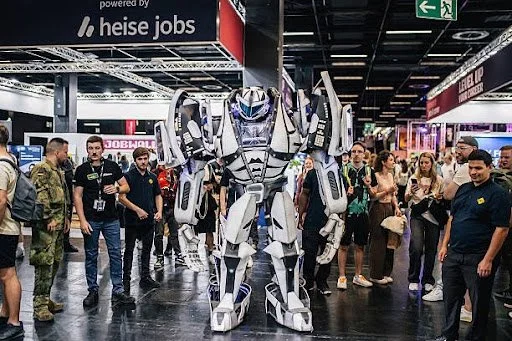
Gamescom has always been more than just another industry event. It's where publishers roll the dice on their biggest bets, where studios reveal projects years in the making, and where the gaming community gets its first real look at what's coming next. With Gamescom 2026 scheduled for August 26–30 in Cologne, and Opening Night Live kicking off on August 25, the stakes feel higher than usual. The industry is at a crossroads, and this event might just set the tone for the next generation of blockbuster titles.
Why This Year Feels Different
The gaming landscape heading into 2026 looks nothing like it did even two years ago. Development cycles have stretched longer, budgets have ballooned, and player expectations have reached levels that would've seemed unrealistic a decade back. Studios are taking bigger swings, which means bigger risks. When you're spending years and hundreds of millions on a single project, the reveal moment matters more than it used to.
Opening Night Live has become the industry's equivalent of a Super Bowl ad slot. Publishers know millions of eyes will be watching, and they're treating it accordingly. The difference now is that a strong showing can build momentum that carries a game through launch and beyond, while a weak reveal can doom even a solid title before players get their hands on it. Maddison Dwyer has written about how player hype cycles work in the modern era, and Gamescom sits right at the centre of that machinery.
The event's timing also matters. Late August gives publishers a clear runway to either capitalise on holiday buzz or set up early-year launches. It's far enough from E3's old June slot to feel distinct, but close enough to major release windows to matter commercially. Studios that nail their Gamescom presence often see that translate directly into pre-orders and day-one sales.
What's Actually at Stake
The blockbuster model in gaming has always been precarious. You're betting that players will show up for your vision, that your tech will hold together at scale, and that you can deliver on promises made years earlier. Miss on any of those fronts and you've got a problem.
Recent years have shown us both sides of that coin. Some games announced at previous Gamescom events went on to define their genres. Others became cautionary tales about overpromising. The difference often came down to how well studios managed expectations from that first reveal onwards.
For 2026, several factors make the stakes even higher:
Development costs have reached levels where a single flop can reshape a studio's future
Player patience has worn thin after high-profile disappointments and delayed launches
Platform fragmentation means studios need to nail performance across more hardware configurations than ever
Live service expectations have changed what "launch" even means for many titles
The publishers showing up to Gamescom 2026 know they're not just revealing games. They're making promises about what the next few years of gaming will look like, and players have long memories when those promises don't pan out.
The Reveal Culture Problem
There's an odd tension in how game reveals work now. Studios want to build hype early, but showing too much too soon can backfire spectacularly. Show a vertical slice that doesn't represent the final product and you'll face backlash. Show too little and players assume you're hiding problems.
Gamescom forces that decision. Do you go big with a gameplay demo that might not reflect what ships in two years? Do you stick to a cinematic trailer and risk looking like you've got nothing playable? Do you commit to a release window you're not certain you can hit?
The smart studios have learned to manage this carefully. They reveal enough to generate excitement without boxing themselves into corners. They set expectations they can actually meet. They understand that the reveal is just the start of a conversation with players that will continue right through launch and beyond.
What makes Gamescom particularly challenging is the sheer volume of reveals happening simultaneously. Your game isn't competing in a vacuum. It's fighting for attention against dozens of other major announcements, all trying to break through the noise. A reveal that might dominate the conversation at a smaller event can get buried at Gamescom if the timing or presentation isn't right.
Looking Ahead to August
The real question heading into Gamescom 2026 isn't just what gets announced. It's whether the industry has learned from recent stumbles. Have studios figured out how to manage the hype cycle without overpromising? Can publishers resist the urge to show games that aren't ready? Will players get a realistic look at what's actually coming, or just another round of carefully curated vertical slices?
The event will likely feature the usual mix of safe sequels, ambitious new IP and surprise announcements nobody saw coming. Some will land perfectly. Others will struggle to find their audience. A few might redefine what we expect from blockbuster games going forward.
What's certain is that the decisions made on that stage in Cologne will ripple through the industry for years. The games revealed at Gamescom 2026 won't just fill release calendars. They'll shape player expectations, influence development trends and potentially determine which studios and publishers come out on top in an increasingly competitive market. Whether that's exciting or terrifying probably depends on which side of the reveal you're sitting on.