Cozy games used to sound like a small corner of gaming, almost like a soft blanket placed beside louder genres. Action titles, competitive shooters, and huge open worlds usually took most of the attention. Still, the gaming market has changed. Calm farming, gentle exploration, home decoration, slow crafting, and quiet storytelling are no longer treated as simple side dishes. Cozy games have become a serious trend because many players now want comfort, not constant pressure.
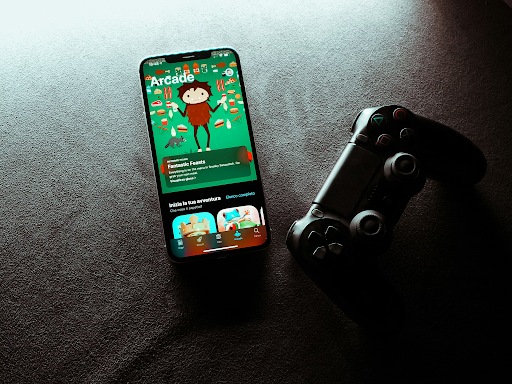
This shift also says a lot about modern entertainment habits. After long workdays, endless notifications, and fast online spaces, digital calm feels valuable. In that context, mobile game development has helped cozy ideas reach wider audiences, because short sessions, touch controls, and relaxed progress fit naturally into daily routines. A peaceful game on a phone can become a tiny pocket garden, and honestly, that idea has more power than it first seems.
Comfort Became A Real Player Need
Gaming once carried a strong image of challenge, speed, and competition. That image still matters, of course. Difficult games and esports titles are not going anywhere. But a different need has grown beside them. Many players now look for games that do not demand perfect reactions or endless grinding.
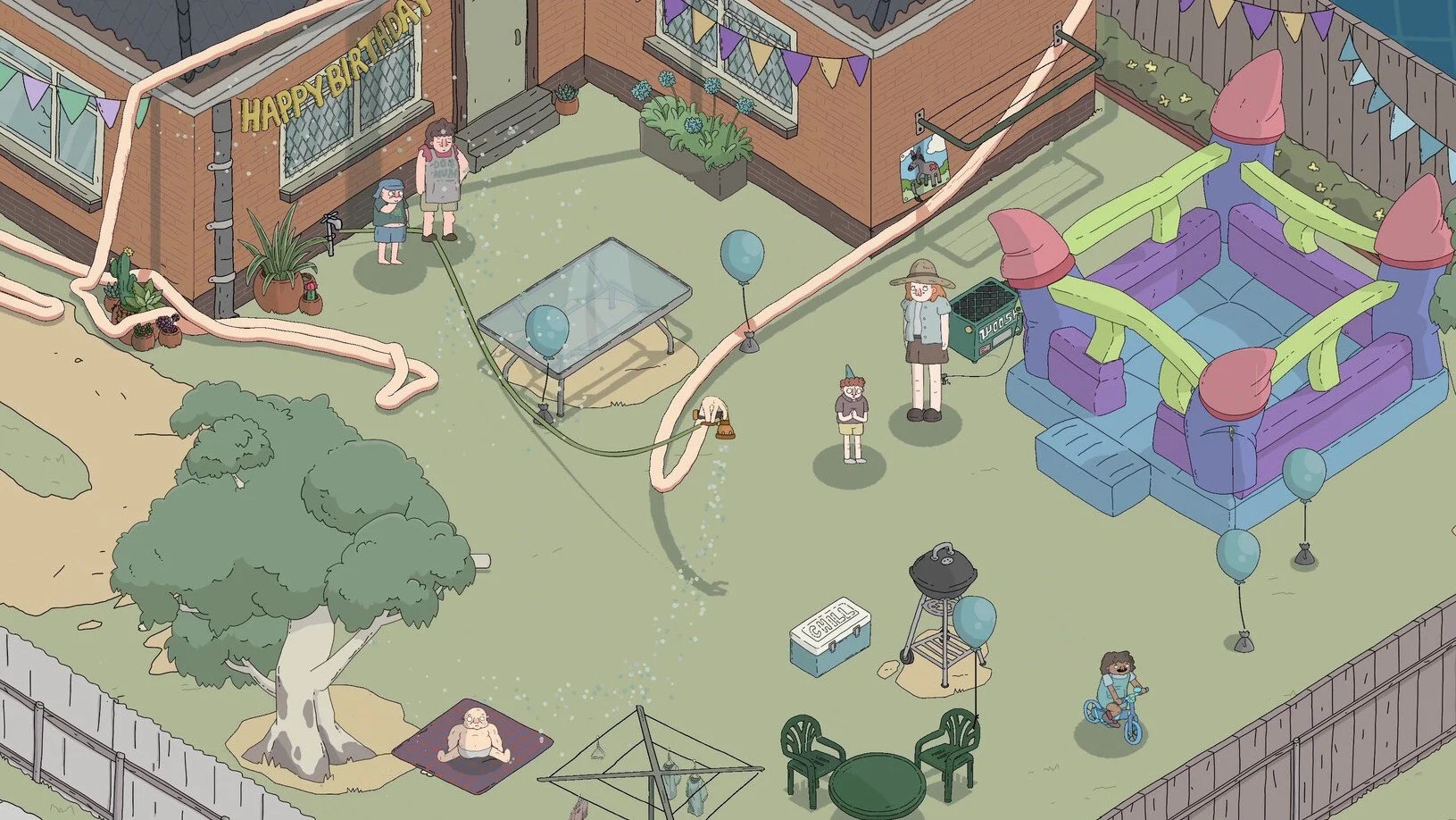
Cozy games offer a softer kind of satisfaction. A small farm becomes cleaner. A house becomes warmer. A town slowly fills with friendly faces. Progress happens without panic. Nothing screams for attention every five seconds. That slower rhythm feels refreshing in a world where most apps act like needy little goblins.
Why Cozy Games Feel So Easy To Return To
Cozy games are sticky because pressure is low and emotional payoff is high. A player can leave for a week and return without feeling punished. That kind of design respects real life. Not every gaming session needs to become a mission with a calendar, a checklist, and a tiny digital boss yelling from the corner.
Several features make cozy games especially welcoming:
Low-Stress Progress
Advancement usually feels steady, even when no perfect strategy is used.Soft Visual Identity
Warm colors, rounded shapes, nature, pets, and handmade details create an inviting mood.Simple Daily Loops
Gardening, crafting, cooking, decorating, or helping villagers can feel satisfying in short sessions.Personal Expression
Custom homes, outfits, islands, rooms, or farms give every save file a slightly personal soul.
These elements make cozy games feel less like a test and more like a place. That distinction matters. A place can become part of a routine. A test is usually something to survive.
The Rise Of Slow Play
Cozy games became popular partly because slow play feels rare now. Many online spaces reward speed: quick replies, fast content, instant reactions, constant scrolling. Cozy games move differently. A seed takes time to grow. A character relationship develops through repeated small moments. A town improves piece by piece.
This slower pace creates emotional investment. Small improvements feel earned without being exhausting. A bench placed near a river, a new recipe learned after several days, or a shy character finally opening up can become memorable. The game does not need fireworks. Sometimes a lantern near a path is enough.
There is also a traditional charm in this style. Cozy games often return to older pleasures: gardening, cooking, arranging a home, caring for animals, walking through a village, fixing something broken. The digital format may be modern, but the emotional roots are old. That mix of past and future gives the genre its quiet strength.
Cozy Does Not Mean Careless
A common mistake is assuming cozy games are easy to make. In reality, gentle design can be difficult. Without danger, combat, or heavy competition, every detail must carry more weight. The atmosphere, music, dialogue, animation, pacing, and rewards need balance. Too little structure becomes boring. Too much structure destroys the calm.
A strong cozy game usually understands restraint. It gives enough direction without turning relaxation into homework. It creates goals without pressure becoming sharp. It lets progress feel meaningful without filling the screen with noise.
What Developers Learn From Cozy Games
The success of cozy games has pushed studios to think differently about engagement. A game does not always need fear of losing, aggressive rewards, or endless urgency. Sometimes loyalty grows from trust. A player returns because the game feels kind, familiar, and emotionally safe.
Important lessons from cozy design include:
Mood Can Be A Core Feature
Atmosphere is not decoration. It can become the main reason a game stays memorable.Small Rewards Matter
A new flower, room item, or character scene can support long-term interest.Accessibility Expands The Audience
Simple controls and forgiving systems welcome players who avoid high-pressure genres.Personal Pace Builds Loyalty
Games that respect different schedules often feel easier to keep in life.
These lessons now influence more than traditional cozy games. RPGs, management games, life sims, and even adventure titles borrow softer systems because comfort has proven commercial value.
Why The Trend Still Has Room To Grow
Cozy games are not just a temporary mood. The genre fits modern life too well. People want entertainment that helps decompress, not only compete. Digital spaces can be loud, cynical, and crowded. A calm game can feel like closing a window during a storm.
The future of cozy gaming will probably become more varied. Some titles will stay small and handmade, seeking fair, honest gaming reviews. Others will mix cozy systems with mystery, travel, fantasy, education, or community-building. The genre has room for experiments because comfort is not one single style. It can be rustic, magical, urban, nostalgic, minimalist, or strange in a charming way.
Cozy games became serious because the need behind them is serious. Rest matters. Gentle play matters. A quiet digital world can still carry strong design, loyal audiences, and real cultural weight. Not every game needs to raise the heart rate. Sometimes the smartest trend is the one that finally lets the screen breathe.