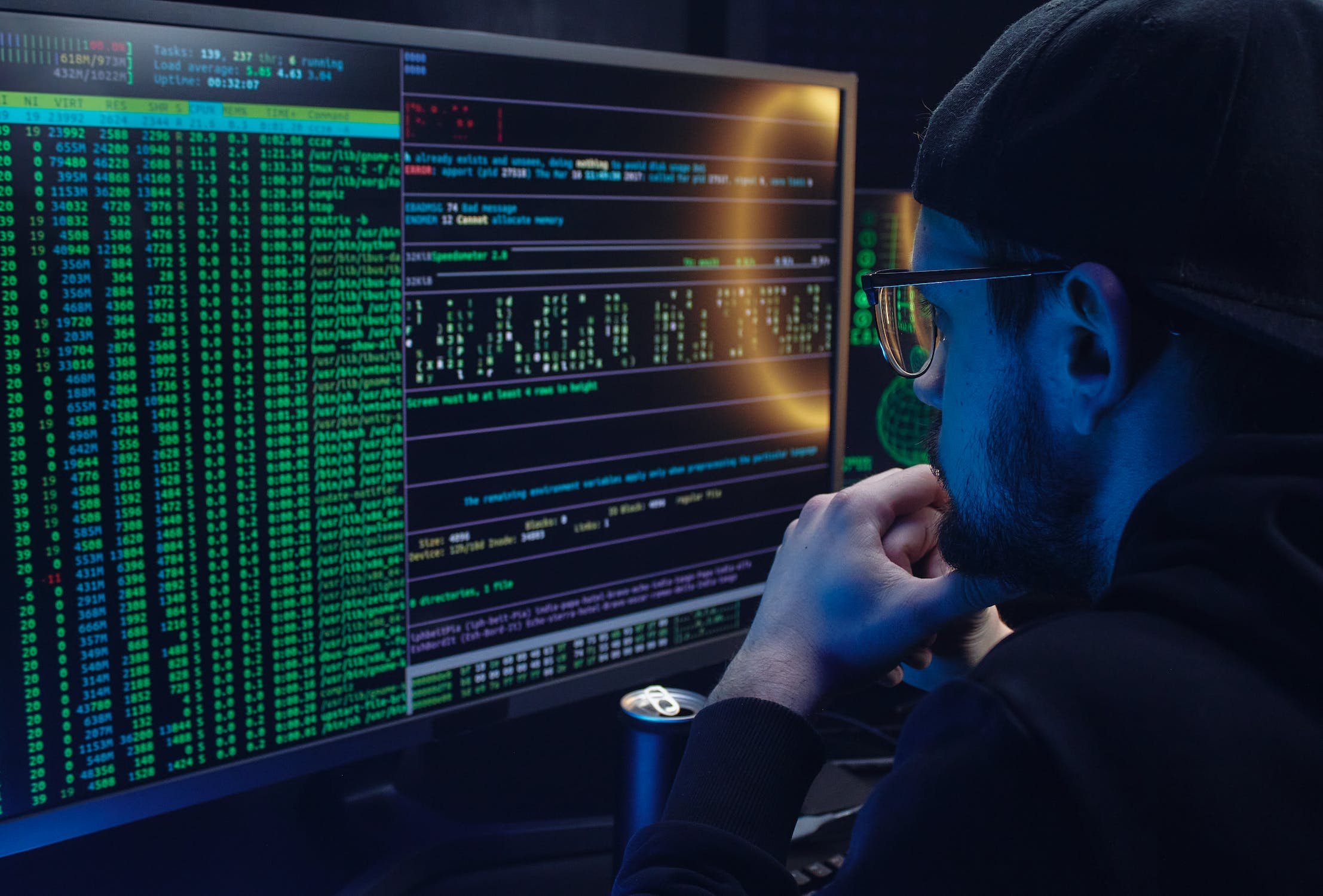
Cybersecurity is no longer an issue that only affects large corporations and international technology companies. Over the last few years, small businesses have increasingly become targets for cyber threats, data breaches and online scams as more operations move into digital spaces.
Many smaller companies now rely heavily on online systems for communication, payments, customer management and marketing. While this technology has improved efficiency and accessibility, it has also created new risks that businesses cannot afford to ignore. Scammers often disguise malicious links as tempting promotional offers, from fake invoices and delivery notifications to online deals such as casino bonuses, making it easy for untrained staff to click without thinking. For small businesses in particular, cybersecurity is becoming less of a technical extra and more of a basic requirement for protecting operations, customer trust and long-term stability.
Why Small Businesses Are Being Targeted
One very common misconception is that cybercriminals only tend to focus on large companies with major financial resources. But, in reality, small businesses are often seen as easier targets because they may have fewer security measures in place to protect their data and client information.
Smaller organisations often rely on more basic passwords and are more likely to have outdated software or limited IT support, which can create vulnerabilities. As more businesses use cloud systems, online payment platforms and remote working tools, the number of potential entry points for cyber threats has increased significantly. Because many small businesses hold customer information, payment details and sensitive company data, even smaller-scale attacks can cause serious disruption.
The Growth of Digital Business Operations
Technology has transformed how small businesses operate. Online stores, social media platforms, digital marketing tools and cloud-based systems have become central to daily business activity.
While these tools offer convenience and flexibility, they also increase the importance of digital security. A compromised email account, a hacked website, or a phishing attack can affect communication, sales, and customer confidence very quickly. As businesses become more dependent on digital infrastructure, cybersecurity becomes closely connected to overall business continuity.
Phishing and Online Scams
Phishing remains one of the most common cybersecurity threats that face small businesses; it can have devastating impacts on people. These scams often involve emails or messages designed to appear legitimate in order to trick employees into revealing passwords or sensitive information.
Because phishing attacks rely heavily on human error, businesses of all sizes are vulnerable. All it would take to be attacked is for a single employee to click a malicious link, this can sometimes expose entire systems or customer databases. This is why cybersecurity awareness and staff training are becoming increasingly important alongside technical protection measures.
The Importance of Strong Password Security
Weak passwords continue to be a major issue for businesses operating online. Many cyberattacks succeed because accounts use simple passwords or repeat the same login details across multiple systems. Using stronger passwords, enabling two-factor authentication and updating credentials regularly are some of the simplest ways businesses can improve security. Although these steps may seem basic, they can significantly reduce the likelihood of unauthorised access and account breaches.
The Role of Employee Awareness
Technology alone cannot fully prevent cybersecurity threats. Employee awareness remains one of the most important parts of digital security. Simple mistakes such as downloading suspicious files, reusing passwords or sharing login details can create serious vulnerabilities. Because of this, many businesses are now investing in cybersecurity education and internal training. Creating a workplace culture where employees understand digital risks is becoming increasingly valuable for long-term protection.
Affordable Cybersecurity for Smaller Businesses
One reason some small businesses delay cybersecurity investment is the assumption that strong protection is expensive or overly technical. However, many basic security improvements are relatively affordable and accessible. Cloud-based security tools, password managers, automatic software updates and secure payment systems have become easier to implement than in the past. Even small changes can significantly improve overall protection. For many businesses, prevention is far less costly than recovering from a cyberattack or data breach.
The Future of Cybersecurity for Small Businesses
As digital business activity continues to grow, cybersecurity will likely become even more important for smaller organisations. Online threats continue evolving, and businesses that fail to adapt may become increasingly vulnerable.
At the same time, customer expectations around privacy and data security are also rising, and so are the legal responsibilities to protect the data that you hold. Businesses that demonstrate strong security practices may gain advantages in trust and reputation compared to competitors with weaker digital protection. Cybersecurity is therefore becoming not only a technical issue but also part of a broader business strategy and customer experience.
Conclusion
Cybersecurity has become an essential part of modern business operations, particularly for small companies relying heavily on digital tools and online communication. There are loads of risks when it comes to the digital sides of businesses and the internet. From phishing attacks and password security to remote working and customer trust, online protection now affects almost every aspect of business activity.
While many smaller businesses still see cybersecurity as primarily associated with larger corporations, the reality now is that every company needs to be prepared for potential breaches and plan how they can be prevented. As technology is quickly shaping the business world, strong cybersecurity practices will remain critical for protecting both operations and reputation.