Gamers love exploring new worlds, and not only the digital kind. Recently, many players have started wondering how people in different parts of Europe play, talk about, and even build their games. Curious streamers ask why a shooter feels different at a LAN party in Warsaw than in Lisbon, or why a friendly card match in Ljubljana follows its own lively slang. This rising interest comes from cheap flights, instant translation apps, and the constant flow of clips on social media. All of these tools make it simple to jump borders and pick up new habits. Forums, podcasts, and behind-the-scenes documentaries now spotlight small studios from Tallinn to Turin, feeding the conversation further.
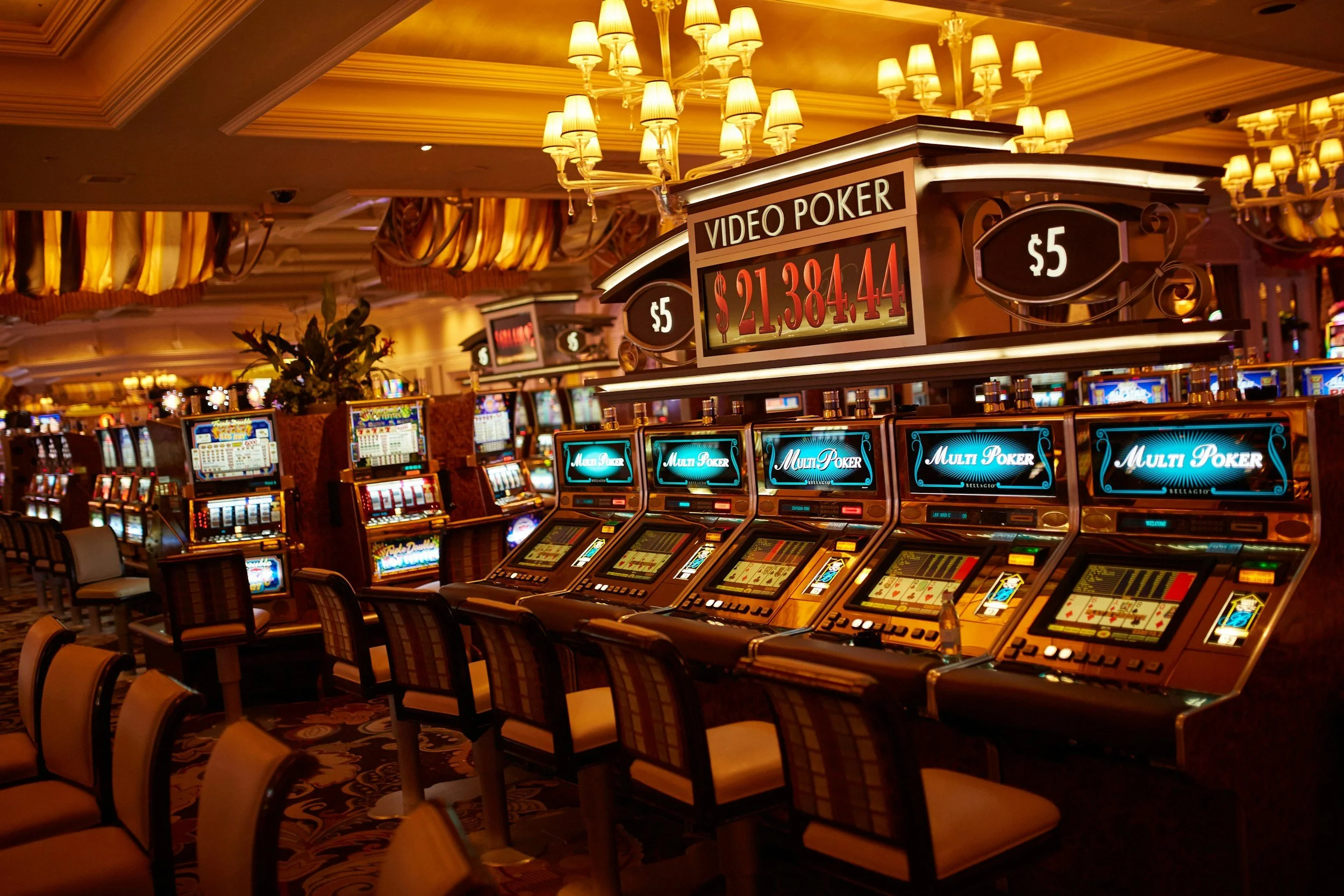
When players discuss Slovenian casinos, https://www.onlinecasino.si/ often appears among reliable casinos because it shows how local laws, language, and taste shape a scene. Likewise, many phone titles borrow reward loops that first showed up in games betting sites with fair RTP, giving newcomers a quick lesson in odds. These early examples spark a bigger question: what makes each nation’s gaming culture special, and why should the rest of Europe care?
A Quilt of Languages and Histories
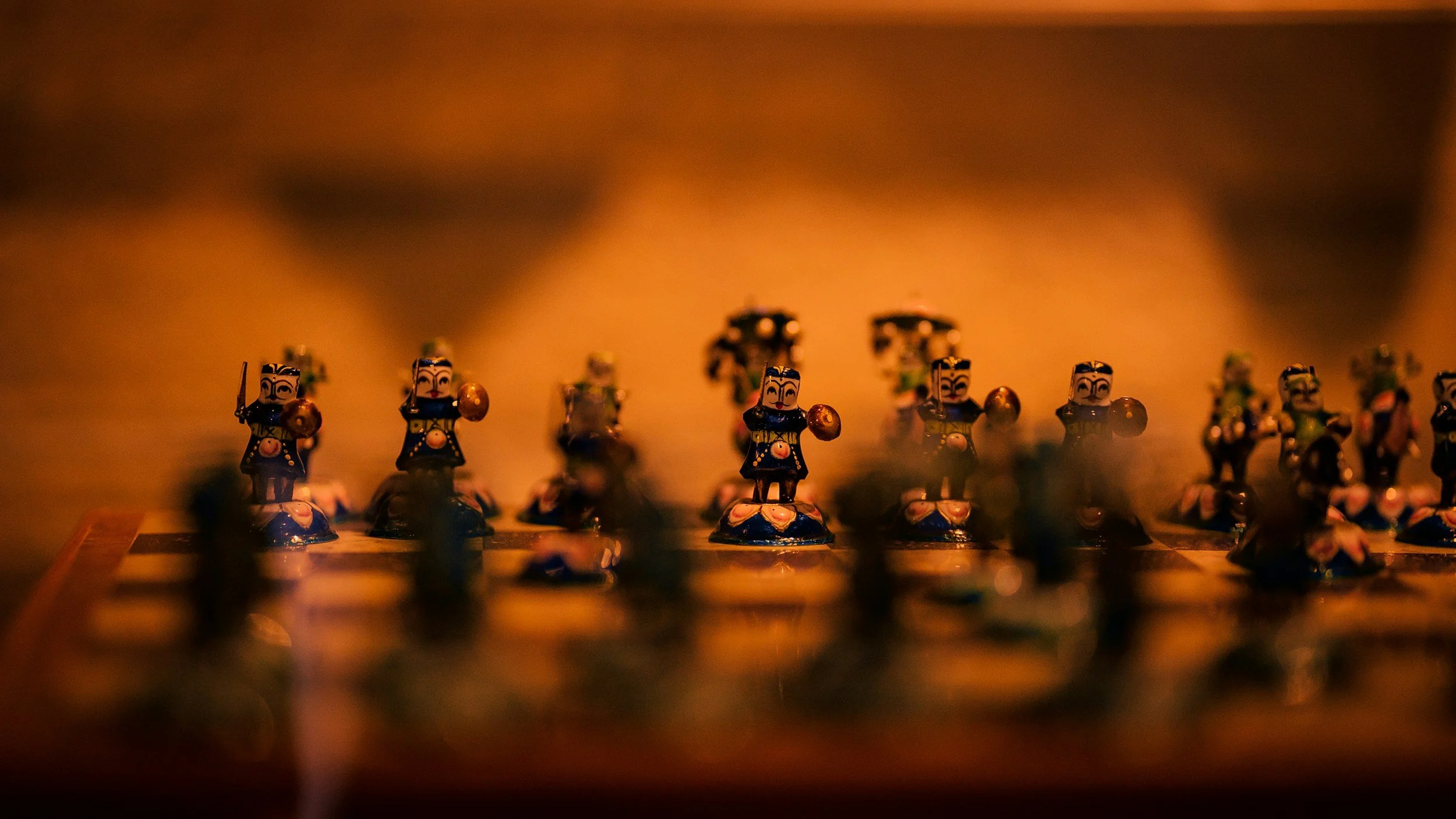
Each European country brings its own story to the game table. History lessons, folk tales, and even schoolyard jokes slip into the design of local titles. In Finland, puzzle adventures often celebrate quiet forests and northern myths. Over in Greece, indie makers fill levels with columns, gods, and bright seas. Players notice these cues and start asking where they came from. They see that mechanics are not random; they grow from the culture of the people who coded them. Language also plays a role. A German board-game group may explain rules in brisk, precise phrases, while a Spanish LAN party encourages loud, playful banter. This contrast changes the mood of every match. When streams cross borders, viewers hear these differences and become curious. They start adding foreign slang to their own chats and want to learn why certain jokes land better in Prague than in Dublin during late-night online raids.
Trends Driven by Local Hardware and Law
Hardware access shapes play styles as much as taste. In Poland during the 1990s, second-hand PCs poured in from Germany, so mod culture bloomed early. Meanwhile, southern countries with slower internet speeds leaned on couch co-op consoles, sparking a love for split-screen titles that still shows today. National laws also guide creative paths. France offers tax breaks for studios that spotlight French art, so many local games carry watercolor menus and Parisian jazz. In contrast, strict rating boards in some regions limit blood or loot boxes, pushing designers toward cleaner mechanics or subtle monetization. As gamers compare notes online, they start linking these facts. They realize a Serbian fighting game favors keyboard inputs because arcades there used PC parts, or that a Dutch city-building sim teaches water control because real canals inspired the team. Learning these origin stories helps players respect why a neighbor’s favorite genre may feel strange yet exciting.
Esports Scenes and Community Hubs
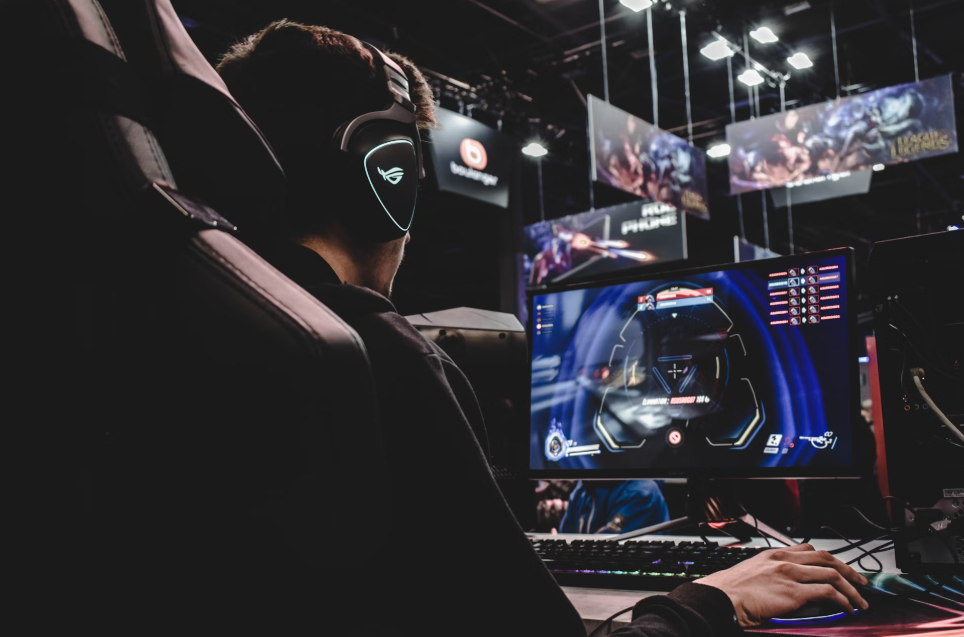
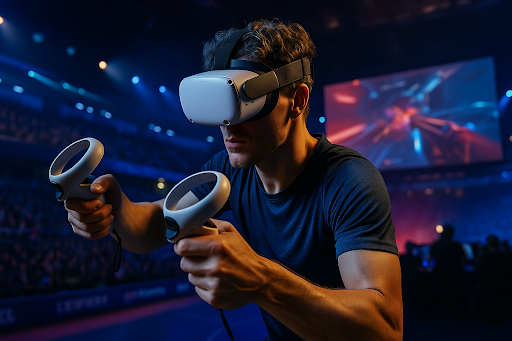
Regional tournaments add another layer to Europe’s gaming patchwork. Denmark’s thriving Counter-Strike scene grew from school clubs that treated the game like chess, drilling team tactics every week. In Spain, loud stadium shows for League of Legends blend sports chants with cosplay parades, turning matches into family outings. Smaller nations find creative ways to join the fun. Latvia sets up summer beach LANs, while Malta hosts indoor events during its mild winters to draw tourists and pros alike. Each setting changes the tempo and culture of play. When players watch streams from these hubs, they notice local sponsors, commentary styles, and even snack choices. They start to copy phrases or team cheers and wonder about the daily life behind them. This curiosity pushes travelers to attend foreign events, meet friends in person, and taste real-world customs that shaped the digital ones. Esports thus becomes both a competition and a cultural exchange.
Looking Ahead: Shared Curiosity and Future Games
Interest in regional gaming cultures is more than a passing trend; it is shaping tomorrow’s releases. Studios now hire cultural consultants to weave accurate landmarks, legends, and languages into their worlds. When players spot a slight detail, like a Croatian folk song hidden in a menu, they post about it, giving the game free buzz and teaching others. Cross-border teams also form more often, mixing art from one place with code from another, creating hybrids that feel fresh. Education benefits, too. Teachers who once banned games now invite developers to explain how local history affects level design, turning lessons into interactive trips. The growing knowledge pool lets fans call out lazy stereotypes and push for richer stories. As curiosity keeps rising, each region can protect its voice while sharing it with the wider scene. The end result is a diverse library where every gamer finds something that feels both foreign and familiar, and proudly, uniquely European.