I've spent about 12 years bouncing between video game marathons and occasional casino nights, and honestly, I only recently noticed how much these two worlds borrow from each other.
Look at any modern RPG and you're grinding for loot drops, chasing rare items with a 0.3% spawn rate, and feeling that rush when something legendary finally pops up. Compare that to slot mechanics or progressive jackpot systems at places like Winthrone—the dopamine hit feels identical. Same "just one more try" mentality that keeps you glued to your seat at 2:47am on a Tuesday.
The Progression Systems We Can't Resist
Last month, I spent 47 minutes organizing my inventory and planning my next character build in an action-RPG. Not actually playing. Just optimizing, which felt ridiculous when I checked the clock.
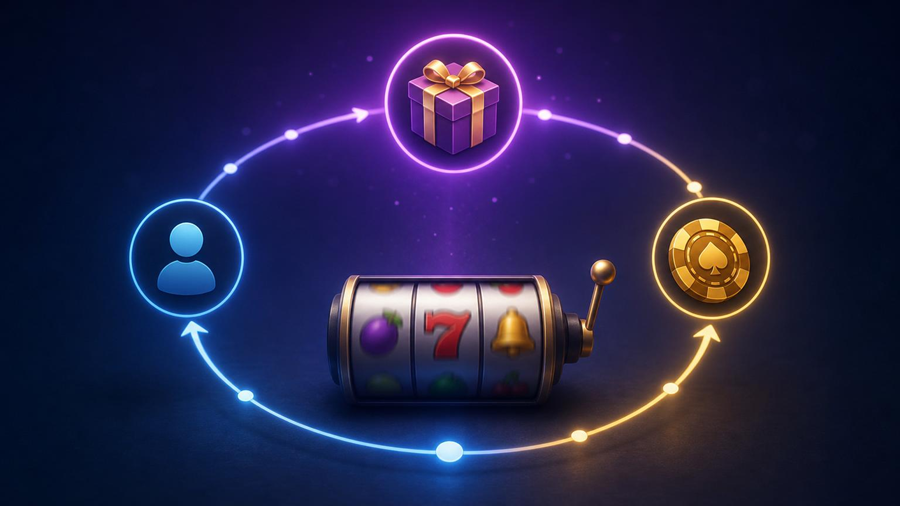
Casinos figured this out years ago, building entire loyalty programs that work exactly like your favorite game's battle pass—you play, you earn points, you unlock new tiers. I've seen programs offering everything from bonus cash to actual cars.
Video games now have daily login bonuses, limited-time events, battle passes you pay for upfront, and loot boxes with randomized contents. Strip away the fantasy setting, and you're looking at casino psychology wrapped in a game engine.
When Design Became Psychology
Around 2018, games stopped being just games and became "live services" with constant updates, rotating content, and FOMO-driven event schedules that never let you rest.
Online gambling platforms operate on that exact model. Rotating featured games weekly, dropping new titles constantly, creating tournament schedules that give you reasons to check back daily. I tracked my engagement with a popular live-service game for 3 weeks straight—logged in 19 out of 21 days, averaging 3.2 hours per session.
My screen time report wasn't pretty.
The Mobile Revolution Changed Everything
Remember when mobile gaming meant Snake on your Nokia? Now you've got full-fledged casino experiences and AAA game ports running on the same device you use to order coffee.
I downloaded 6 gaming apps last month to test performance. What shocked me was how smooth everything ran—console-quality graphics rendering at 60fps on a phone. You don't need a $1,200 gaming PC or PlayStation 5 anymore. Your iPhone works fine.
I've seen people grinding through Genshin Impact dailies on their lunch break, right next to someone spinning slots on their tablet.
The Blur Gets Blurrier
Game developers now hire casino consultants. Casino platforms recruit game designers. The talent pool overlaps so much you can't tell where one industry ends and the other begins.
I talked to a UX designer friend who's worked on both sides. He said the core principles are identical: keep users engaged, make the experience feel rewarding, and always give them a reason to come back tomorrow.
Both industries have figured out exactly how human psychology works, and they've built experiences that tap into those reward centers with scary precision.