Video games have always been known to follow popular trends, and certain themes have come to define some of the gaming industry's most iconic eras. For the longest time, sewer levels were a staple of console gaming, and pipes leading to new levels were the most common segues in early titles. As soon as one game popularises a theme, the whole industry seems to follow suit.
It has now become evident that mines and mine cart rides have become some of these common tropes. Many games nowadays have embraced the aesthetics of mining, making it integral to their narratives and mechanics. From Minecraft to Crash Team Racing, mine-inspired levels and gameplay are ubiquitous.
What is it about mines that makes them perfect backdrops for games, though? And how have they become so popular as to feature in almost every kind of title across multiple console generations?
Players Have Yearned for the Mines and Their Atmosphere for Decades
Mine shafts have played key roles in games for years. One of the earliest games available at home, Manic Miner, was based around the concept of escaping caverns before your oxygen levels hit zero. It was one of the very first platformer titles, developed for the ZX Spectrum in 1983, and has since been recognised as one of the most influential games of all time.
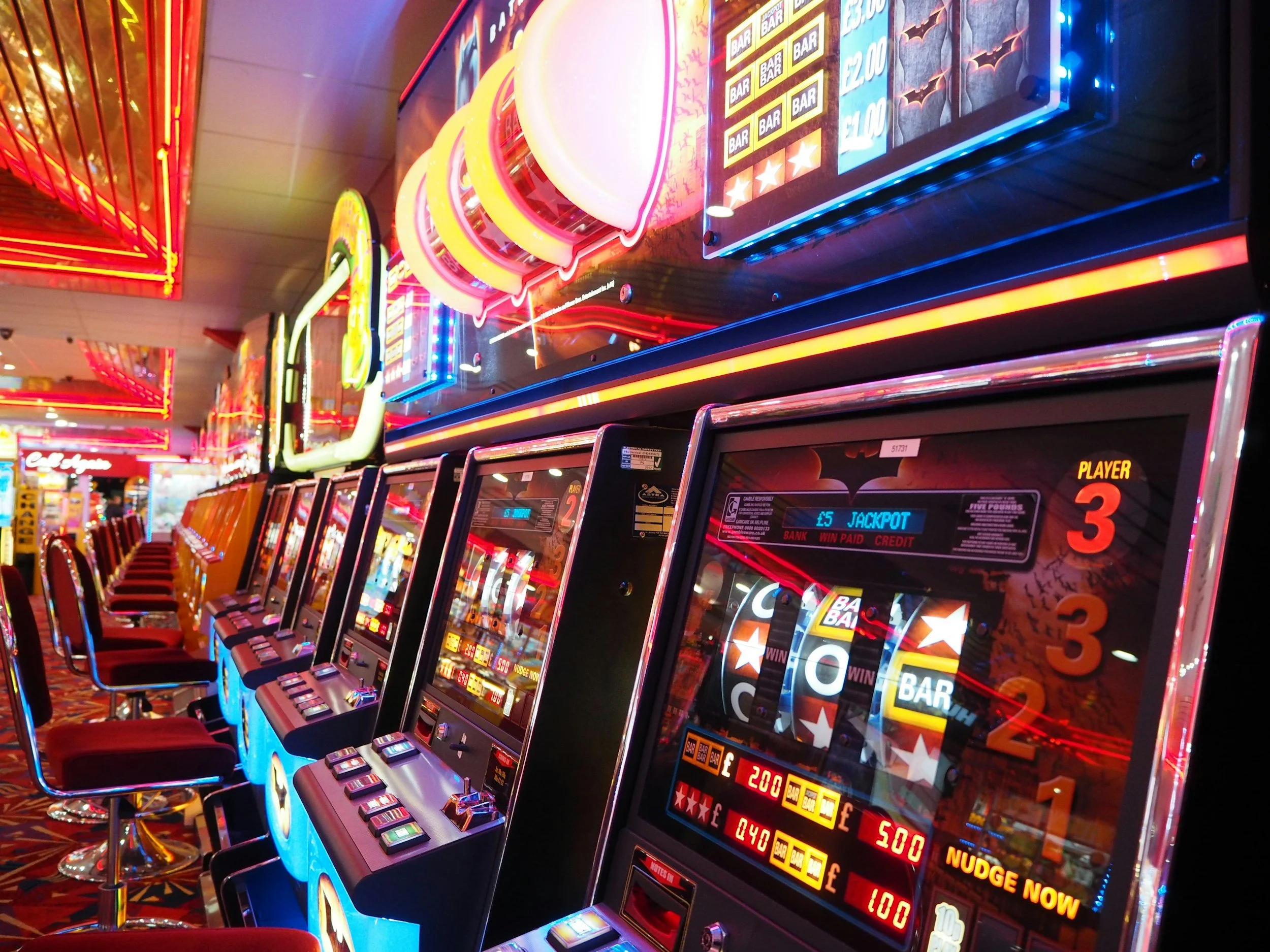
It is not just platformers and traditional video games that have adopted the aesthetic, though. In the iGaming industry, online casino titles have used the mine theme to great effect. For example, titles like Gemix combine slot gameplay with narratives related to mining. These games feature symbols like pickaxes and gemstones that you would look to find in a cave.
In Red Dead Redemption, the Wild West backdrop gave developers the perfect opportunity to plumb the well of mine shafts. Key set pieces revolved around the winding shafts in the mountains on the US-Mexico border, with the darkness the perfect place for the villains and antiheroes of the piece to hide.
A Deep, Dark Setting Filled With Peril and Potential for Wonder
Ultimately, there appears to be no one reason that games keep returning to this theme. For some, it is simple. The darkness of the setting means that you can create atmosphere, as well as genuine peril, through the unknown that can lurk around every corner. If you cannot see what awaits you, you cannot predict what you may have to face off against next.
For other games, their main focus is the rollercoaster-like gameplay of the mine cart. As WatchMojo discussed when ranking 1994’s Donkey Kong Country as having the best mine level in gaming, the thrill of timed jumps and the winding on-rails gameplay is what makes it such an enduring example of the theme. Many of us love a rollercoaster ride, and a mine cart gives us just that.
In many games, though - as with the sensation that is Minecraft - this setting provides the perfect opportunity for players to find loot and gear up. It acts as both a mechanic and a narrative device that drives the player forward. In a sandbox game like the Mojang hit, that is even more important, as there is no traditional story structure to follow.
Movies, Much Like Games, Love to go Mining for Entertainment Gold
The real question is probably not why gaming is so mine-focused, but why entertainment as a whole is. Ever since Indiana Jones took a carting trip with Short Round in Temple of Doom, we have been enamoured with the idea of the mine as a major set piece in blockbusters. In fact, Ke Huy Quan, who played Jones’ young assistant, would later revisit the setting in The Goonies.
The idea of exploring the uncharted underground is proven more than enough to be entertaining, providing just the right balance of thrill and horror to keep us gripped. It is filled with mystery, allowing us to project our own fears and excitement onto it. Whatever the reason, though, it seems like the mine will not be leaving our screens - big or small - any time soon.