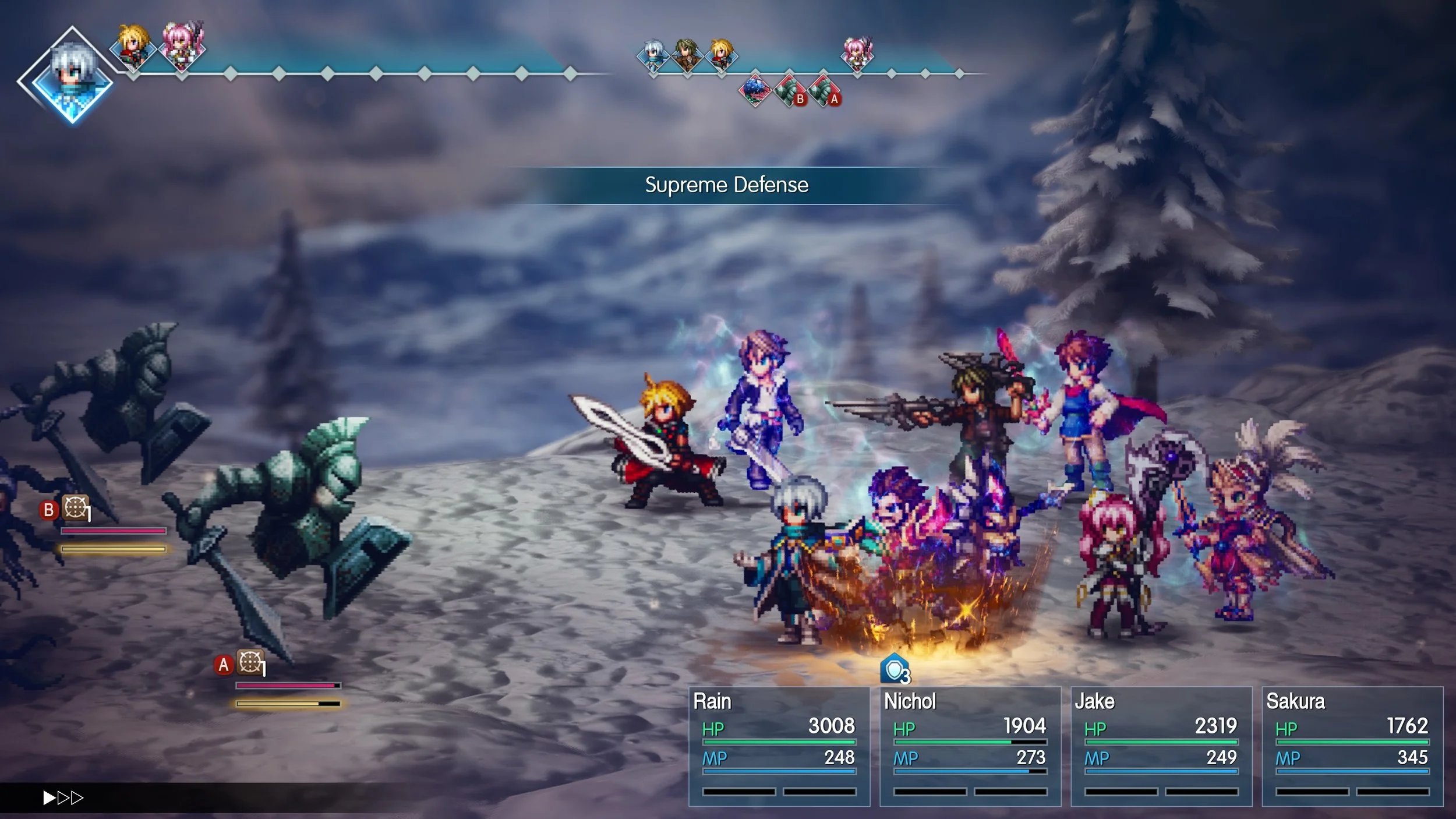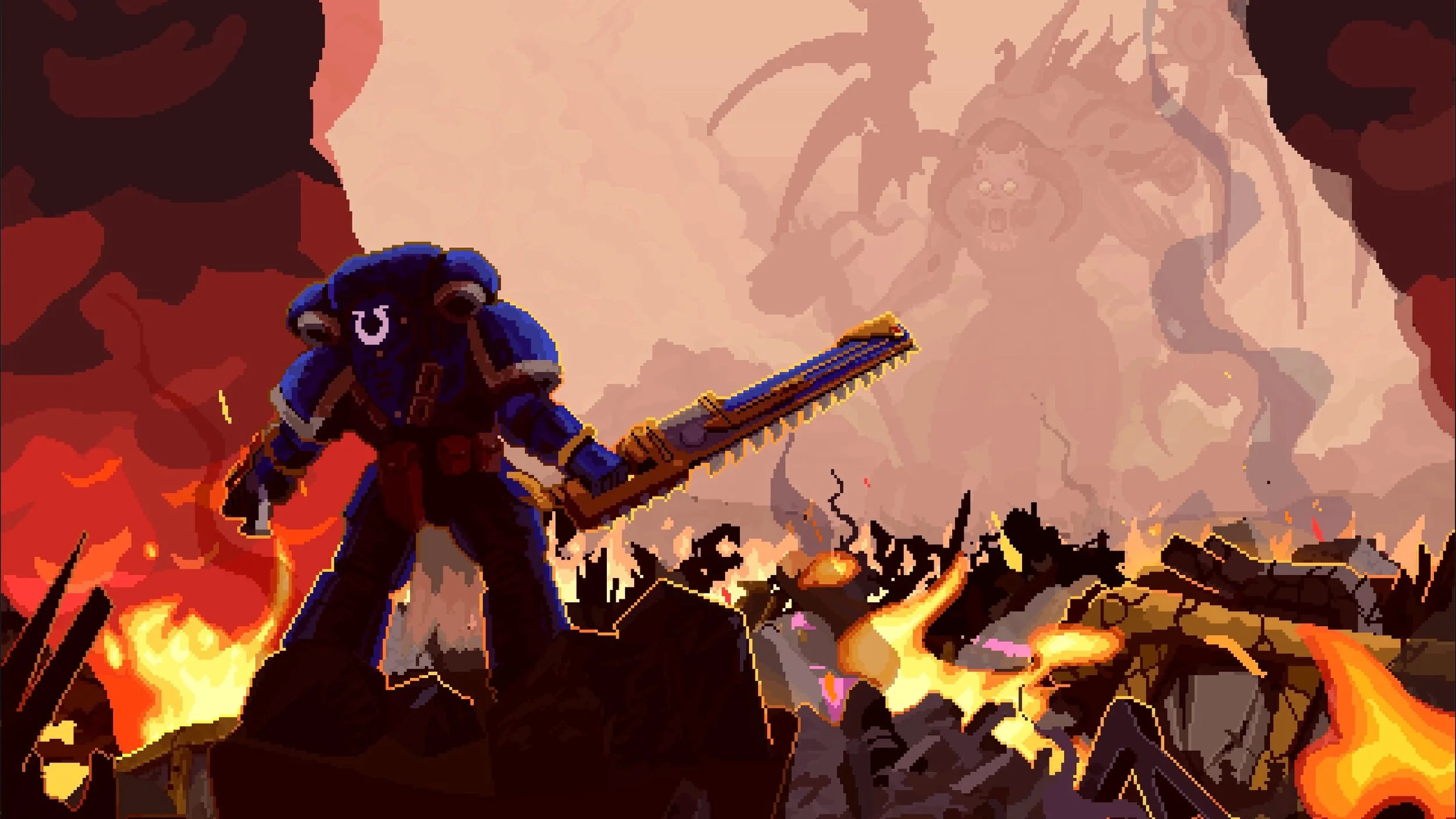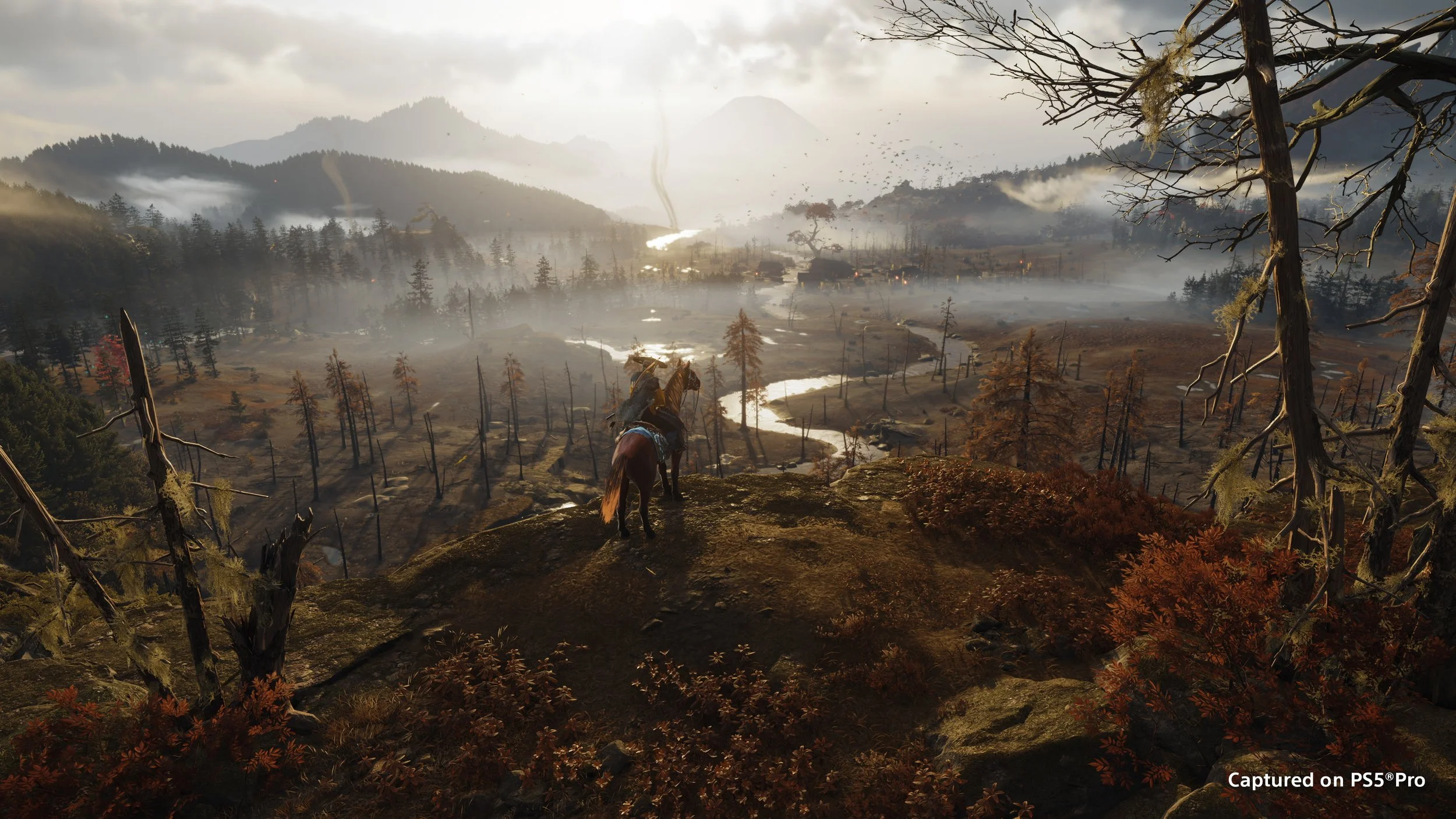
As generative artificial intelligence becomes more common in the gaming industry, a growing number of independent developers are choosing a very different path.
Instead of promoting the use of advanced tools, they are highlighting the fact that their games are created without any artificial intelligence support. The phrase 'AI Free has become a selling point for players who prefer authenticity, originality and human creativity.
This trend is becoming more noticeable as the industry changes and players seek experiences that feel personal rather than automated.
The growth of handmade indie games
Independent games have grown significantly over the past decade, and industry figures indicate that indie titles make up almost half of all new game releases each year on major platforms.
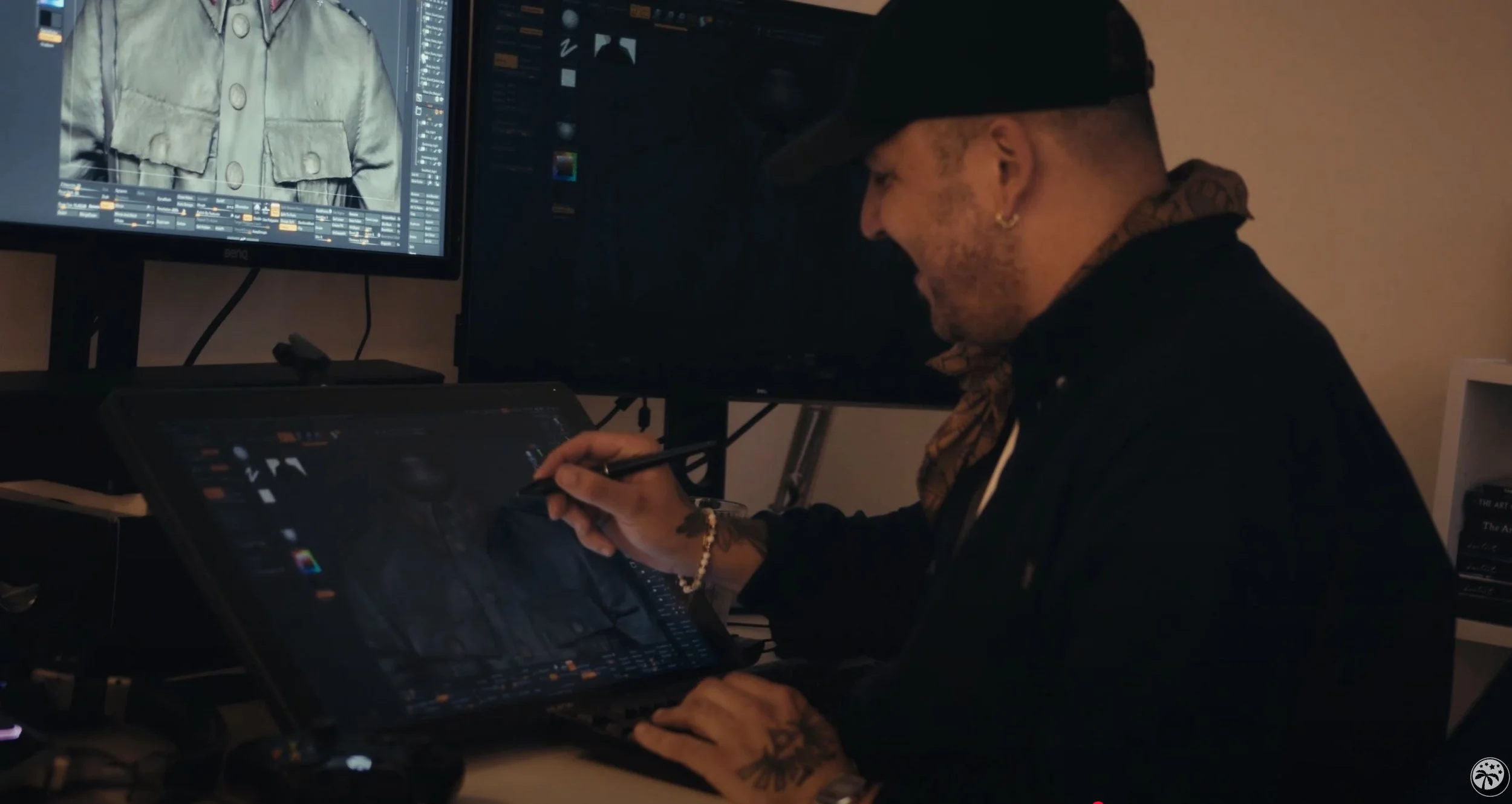
Many of these games are created by small teams or single developers who handle all design, art and writing themselves. As a result, the handmade nature of indie games has become an important part of how they are marketed.
Players who are tired of repetitive games from large publishers are often drawn to indie titles because they feel different. They usually feature unusual art styles, personal stories or experimental gameplay ideas. An 'AI Free' label reinforces the idea that the game was created with intention and care.
It suggests that the final result reflects the specific vision of the people who made it rather than the output of automated systems.
Avoiding AI also provides consistency for developers. Generative tools can produce useful assets, but they can also create content that varies in quality or style. By creating everything themselves, developers have full control over the following:
Tone
Pacing
Artistic direction
Why 'AI Free' appeals to more than story-led games
The value of the 'AI Free' approach is not limited to narrative or artistic titles. Many developers of simple puzzle or arcade games also promote their work in this way, and the appeal lies in the reassurance that the game has been designed and tested by real people, which can increase confidence in its playability.
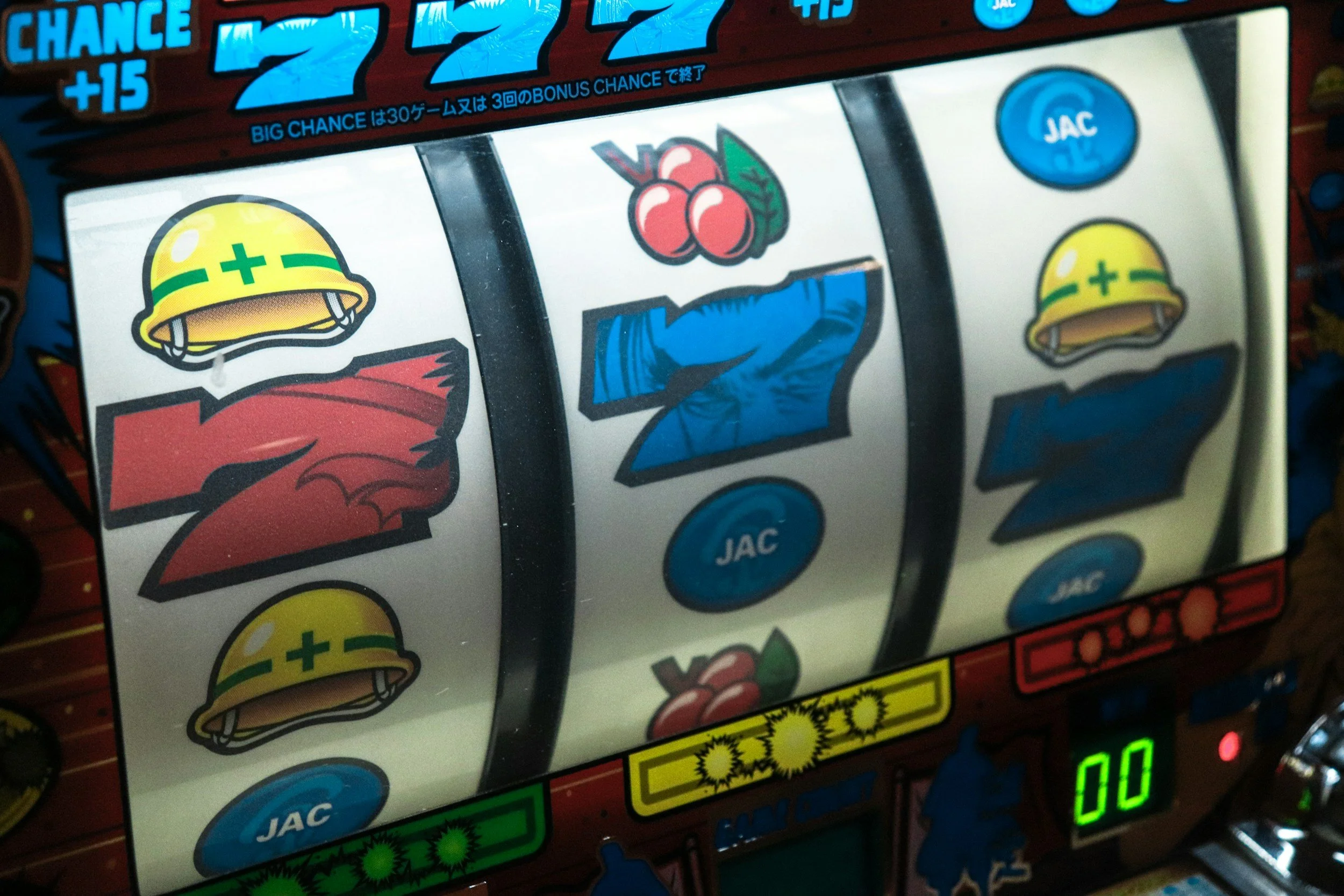
This is also true for sectors that rely on repetition or simple mechanics. For example, players who enjoy online mobile casino games often prefer designs that feel crafted rather than automatically generated.
These players want to know that the visuals, animations and interactions have been created with deliberate choices instead of relying on unpredictable automated methods. In these genres, an 'AI Free' label can strengthen trust and help a game stand out from competitors that rely on template-based design.
This approach also builds a stronger connection with their community for small studios. When players know a game has been created manually, they often feel more invested in its success and more supportive of the developers behind it.
Challenges with generative AI that strengthen the handmade approach
Generative AI offers benefits such as speeding up asset creation, reducing costs and supporting early design stages. Despite this, it still has limitations that concern many developers.
AI generated artwork can lack consistency, which means a character or environment might look slightly different each time it is produced, and dialogue written by AI often lacks emotional depth or distinctive voice, which can undermine storytelling.
Technical requirements are another issue. Effective use of generative AI usually requires strong hardware and specific expertise, which many small studios simply do not have. They point to the fact that manual creation is more reliable, more predictable and more aligned with their available resources.
Players also appreciate the small imperfections that come with handmade work. A hand-drawn sprite or a carefully written line of dialogue adds individuality that mass-generated content does not always capture, and many indie creators see these qualities as central to the identity of their games.
What this means for the future of game development
If the indie sector continues to expand, the 'AI Free' label could become an even more prominent marketing feature. Just like handmade crafts, small-batch products, or traditional production methods in other industries, games created entirely by humans could develop their own niche audience.
This trend may also influence larger gaming studios. Even if they continue using AI to support production, some may begin promoting games that combine efficiency with clear human direction. The result could be a more diverse industry, with some games relying heavily on generative tools and others intentionally avoiding them.
Final thoughts
As generative AI becomes more common, many independent developers are choosing a different path, avoiding AI to preserve artistic identity and offer players something unique.
The 'AI Free' label signals craftsmanship, care and individual creativity. While AI will continue to influence the industry, handmade games retain a special value that many players still seek. Indie developers who embrace this approach are likely to remain an important and respected part of the gaming world.