Disclosure: This is a paid guest post. The author or an affiliated third party paid for its publication, and the article may contain promotional links. The views and opinions expressed are those of the author and do not necessarily reflect those of GameTyrant or its editorial staff.
Mobile games have turned spare moments into opportunities for play. Their simple controls and instant rewards make them easy to enjoy, but carefully designed progression systems can also make it difficult to stop playing.
The Psychology Behind Mobile Gaming
One major reason mobile games are so addictive is the way they reward player behaviour. Completing a level, unlocking an achievement, or collecting a rare item creates a sense of progress. These small victories encourage players to return for more.
Unpredictable rewards can make this experience even more compelling. A player might receive an ordinary item several times before finding something rare. Because the next attempt could bring a better result, continuing to play becomes tempting. This resembles a variable reward schedule, a principle studied in behavioural psychology.
However, not every enjoyable game is addictive. For many people, mobile gaming is simply entertainment. The concern arises when playing becomes difficult to control or begins to interfere with sleep, work, studies, or relationships.
How Game Design Encourages Players to Return
Mobile developers use several design techniques to maintain interest. Daily missions, login bonuses, limited-time events, and streak rewards give players reasons to open a game regularly.
These features can create a feeling that missing a day means losing progress. A player may log in despite having little time or interest because they do not want to break a streak or miss a valuable reward.
Progression systems also contribute to long-term engagement. Players gradually unlock new characters, abilities, maps, and challenges. Each milestone offers a glimpse of what comes next, encouraging them to invest more time.
The One-More-Level Effect
Many mobile games are designed around short sessions. A level might take only a few minutes, making it easy to justify another attempt. After a difficult stage, players may want to try again immediately. After winning, they may want to preserve their momentum.
This creates a cycle in which several short sessions can turn into a much longer gaming period. The convenience of smartphones makes the cycle especially easy to repeat during commutes, breaks, or quiet moments at home.
Social Competition Makes Games Harder to Leave
Mobile gaming is no longer limited to playing alone. Multiplayer modes, leaderboards, guilds, and team challenges connect players with friends and strangers around the world.
Competition gives players additional goals beyond completing the game itself. They may want to climb a ranking, outperform a rival, or help their team win an event. Cooperative games also introduce a sense of responsibility because other players may depend on them.
Gaming communities strengthen these connections. Players exchange strategies, discuss updates, and share achievements. For people interested in discovering new releases and keeping up with mobile gaming trends, websites such as Mobi.gg provide a dedicated source of mobile gaming content.
Nevertheless, social features can create pressure. Players may feel obliged to participate in scheduled events or continue playing to avoid disappointing teammates.
Free-to-Play Models and In-App Purchases
Many mobile games are free to download, which removes a major barrier to entry. Players can begin immediately and decide later whether to spend money on additional features.
Some games generate revenue through optional cosmetics, premium currencies, advertisements, or purchases that speed up progression. Limited-time offers and bundles can encourage players to make decisions before an opportunity disappears.
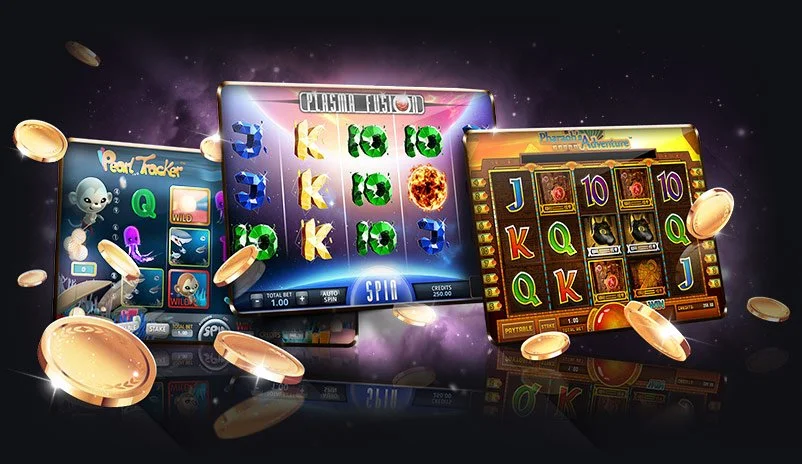
In games that use loot boxes or similar randomised reward systems, spending may become tied to the hope of obtaining a rare item. This can be particularly concerning when the odds are unclear or purchasing opportunities repeatedly appear during play.
Free-to-play design is not inherently harmful. The important distinction is whether purchases remain transparent and optional or whether the game uses pressure to encourage spending beyond a player's intentions.
The Role of Notifications and Easy Access
Unlike console or PC games, mobile games are available almost everywhere. A smartphone can turn a few idle minutes into a gaming session, while notifications remind players about new events, completed tasks, or rewards waiting to be collected.
These reminders can interrupt other activities and bring a game back to the player's attention. When combined with daily rewards and unfinished challenges, they can establish a strong routine.
Players can reduce this pressure by disabling non-essential notifications, setting time limits, and choosing specific periods for gaming. These simple habits help keep entertainment from dominating the day.
When Does Mobile Gaming Become a Problem?
The number of hours someone plays does not tell the whole story. A more useful question is whether gaming remains under control and fits comfortably around other responsibilities.
Warning signs include repeatedly playing longer than intended, neglecting important tasks, losing sleep, or continuing despite negative consequences. Spending more money than planned can also indicate that a game's reward systems are becoming difficult to manage.
Taking regular breaks and reviewing screen-time reports can help players recognise patterns. Parents can support younger players by discussing spending limits, age-appropriate games, and healthy routines rather than treating every gaming session as a problem.
Conclusion
Mobile games combine convenience, rewarding progression, social interaction, and carefully timed incentives to encourage repeated play. These features explain much of their appeal, but they can also make it harder to stop when boundaries are unclear. Understanding how game design influences behaviour allows players to enjoy mobile gaming while protecting their time, money, and well-being.