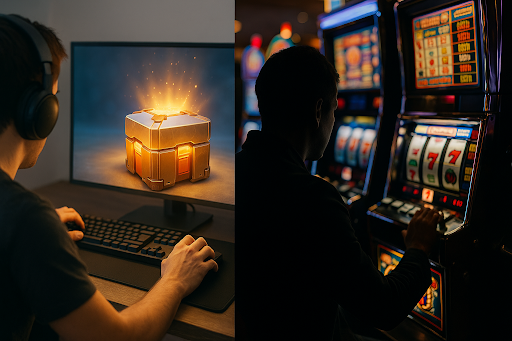
The account screen now tells you almost as much as the game trailer. Before a match starts or a level loads, the screen may show a daily claim and a timed reward. It may show a small balance that rises after one tap. Modern games have learned to put the promise of progress at the front door. That approach reaches a huge audience. The Entertainment Software Association reported in 2026 that 212.3 million Americans play video games every week.
Money explains part of the pattern, but behaviour explains more. People play in shorter bursts than they did in the old console era. They also expect a game to recognise them when they return. ESA’s 2024 Essential Facts report found that 78% of US players reported playing on mobile, compared with 33% in 2012. Once the phone became a main gaming device, studios had to design for lunch breaks and train rides.
The Social Casino Template
Social casino (SC) sites show this design logic in a direct form. They give users casino-style games with virtual currencies and short sessions. The product must tell you what to do in the first few seconds. It must also give you a reason to return tomorrow. That explains the regular appearance of daily rewards and coin balances in the category. Mainstream designers study those details because they solve common problems in free-to-play products.
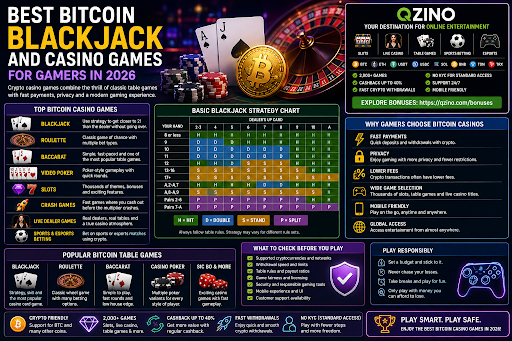
Ace offers a clear example of how the format works. Its site describes a social sweepstakes casino with Gold Coins for entertainment play and Sweeps Coins for promotional play under stated rules. SC casino games cater to adults who want slot-style play without a standard real-money casino account. The appeal comes from quick entry and visible progress. You open the lobby and know the next action. For designers, that structure has practical value because it reduces delay between attention and activity.
Why The Shape Travels
Mainstream game design borrows from social casino products because the format respects the small session. A person may have five minutes. The game still has to provide a result. A reward calendar does that. A mystery claim does that too. Neither device needs a long story or a complex control system. The user arrives and receives a clear prompt.
The Hobbit gives a useful comparison because its appeal rests on stages of progress. A journey becomes readable because each step has a purpose. Casual games compress that idea into claims and unlocks. They do not need a grand quest to create direction. They need a visible next step and a small reward at the end of it.
The Business Behind The Button
Chance-based rewards also help studios manage free access. Newzoo projected the global games market at $188.8 billion for 2025, with mobile revenue expected to reach $103 billion. A market built around free downloads and optional purchases pushes developers toward mechanics that keep people involved over time. Rewards give that model a repeatable structure.
Casino-style design also gives teams a ready grammar for value. Coins show account status. Spins show outcome. Limited claims show timing. Those features translate into battle passes and card packs. They also translate into timed events and daily missions. The same thinking appears across genres because it lets a game reward attention before it asks for skill.
Chance Needs Clear Rules
The problem arrives when a reward system hides too much. The UK government’s response to its loot box call for evidence said children and young people should not buy loot boxes without parental approval. It also called for spending controls and transparent information for players. That guidance does not reject chance in games. It asks companies to explain the terms.
James Bond games and films offer another lesson from entertainment design. The gadget works because the viewer understands its purpose when it appears. A reward system should do the same. If a player sees a coin or prize, the product should explain what that item does. Mystery can add interest. Confusion should not carry the sale.
What Research Adds
Researchers have studied social casino play because it overlaps with gambling themes while using a different structure. A National Library of Medicine study found that about 26% of social casino gamers in its sample reported moving to online gambling during a six-month follow-up. The same study found micro-transactions were the only unique predictor in its model. That finding deserves care rather than panic.
The better reading is simple. Virtual rewards can entertain, but spending design changes the experience. A player should know when a game uses real money and when it uses virtual currency. A parent should know when a title includes random paid items. An industry professional should see the commercial gain and the consumer risk at the same time.
Where The Design Goes Next
Casino-style mechanics keep appearing because they answer a modern design challenge. Games need to work on phones and consoles. They need to welcome casual users and satisfy regular players. Reward systems help bridge that gap when they explain themselves. They give the first session a shape and give the next visit a reason.
The stronger versions will focus on clarity. They will show odds and spending limits. They will separate entertainment coins from prize-linked entries. They will make account controls easy to find. Mainstream game design has learned a lot from social casino products, but the best lesson is the discipline of making every small action feel understood.