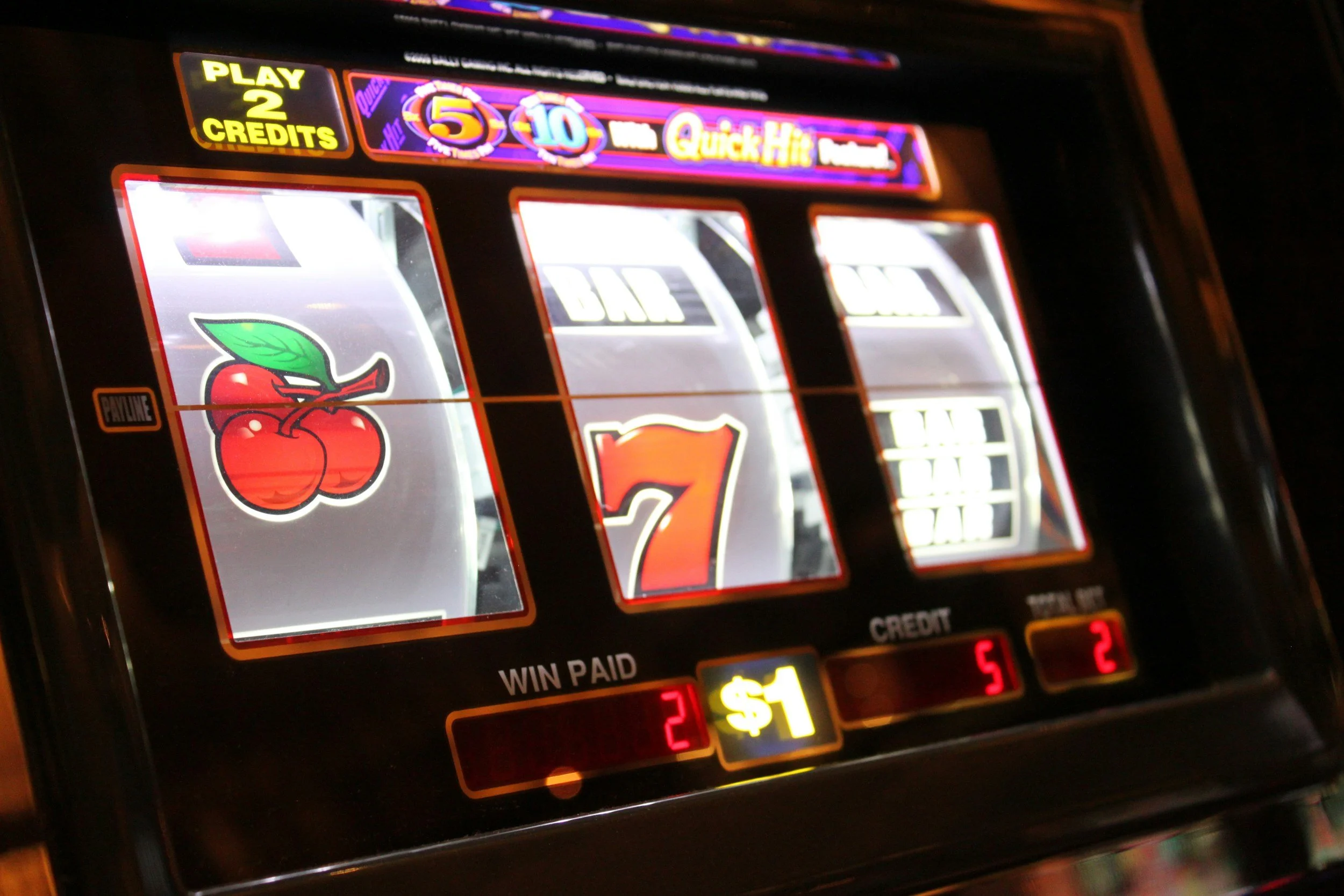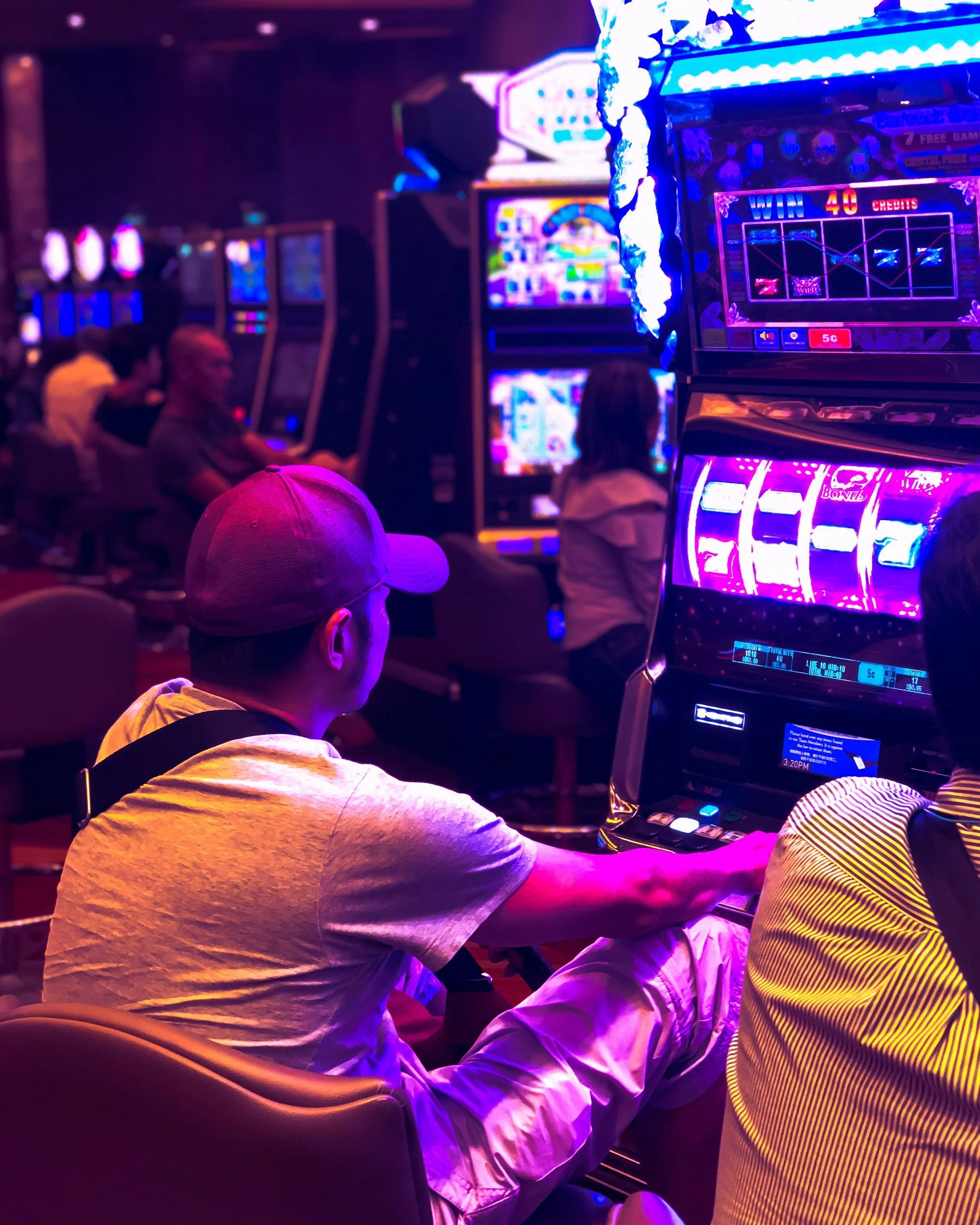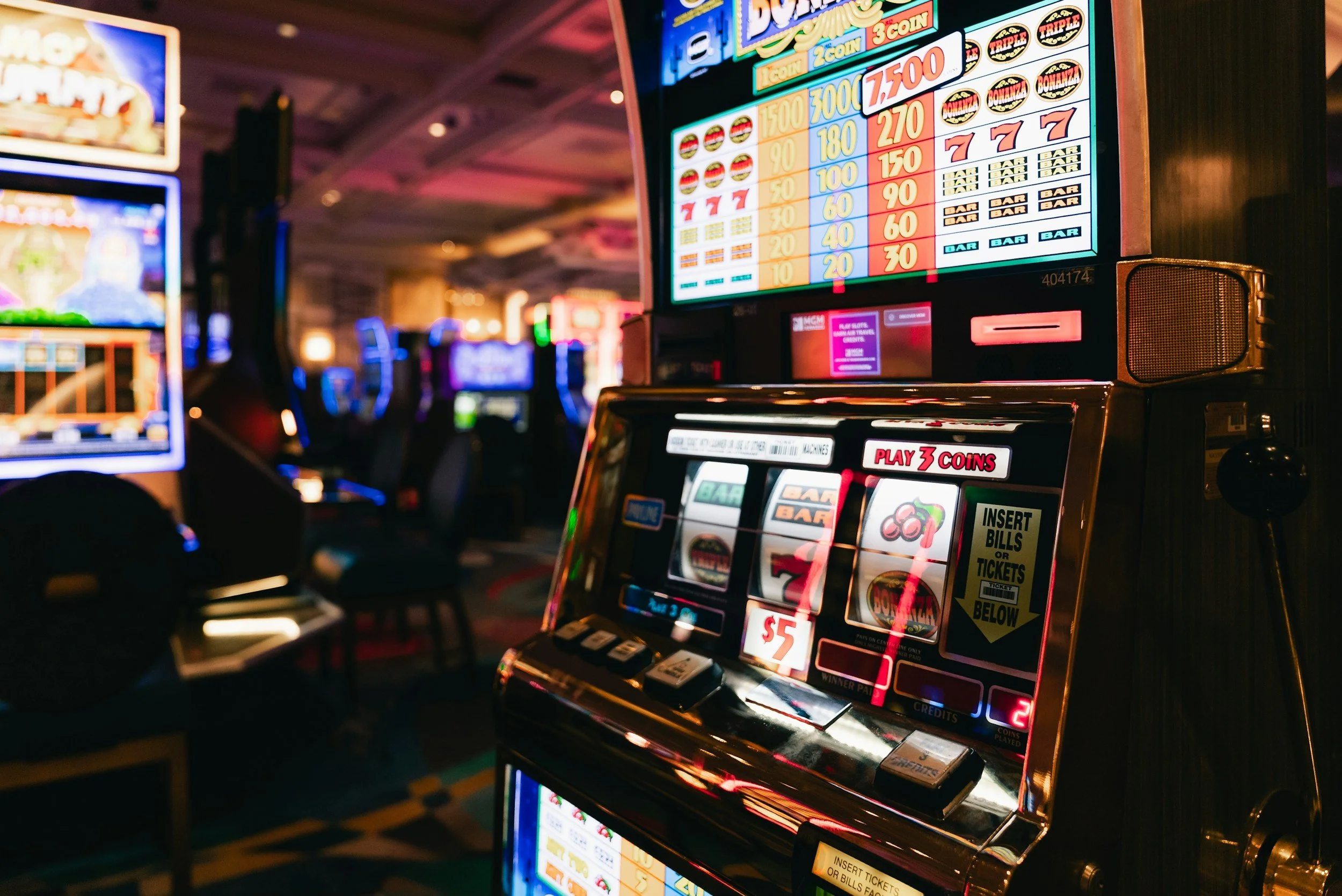
The popular modern world of online casino gambling exists because of the evolution of physical slot machines. The first of those slots started appearing regularly around the early 1900s in the USA, and the mechanical “one-armed bandits” rapidly grew in popularity. While players can still visit land-based casinos and find old-style machines like penny slots, the bulk of games are now modern, computer-operated video slots stacked with high-end graphics and impressive game features.
Nowadays, most players head straight for online casinos, and that’s where things really differ from the old-school days. You can spin the slots without leaving your sofa, paying conveniently with options like the Trustly payment system, PayPal, bank cards, and other methods. On top of that, sites offer thousands of different games, all of which go through strict checks before becoming available. That’s to make sure players get a safe, trustworthy experience.
But what about those older slot games from the 80s? Would they stand up to the modern gaming standards?
Mechanical Slots
The level of scrutiny that casino games go through today would be a completely alien concept to games from the early 20th century, as they were innovative but basic mechanical workhorses.
As online casino slots didn’t really start taking shape until the early 2000s, the 1980s era was mostly still all about mechanical games. That means that they relied on physical parts like springs and gears that, over time, could be prone to wearing down and, indeed, wearing out.
Wear and tear would affect gameplay, and because of the physical nature of older slots, it also meant that they were much easier to tamper with. Physical stops and jamming techniques could be employed by someone hoping to gain an unfair advantage over a one-armed bandit.
The 80s Rewind
The 1980s were a tipping point in casino gaming, where the clunky mechanical slots were starting to merge into digital video slots. It's when video poker, for example, received a popularity boost from players who didn’t want to play at a traditional table. So on casino floors, there was a blend of physical reels activated by levers, alongside virtual video reels run by random number generators.
But those random number generators from the 80s were obviously rudimentary compared to the high-quality ones that are used in gaming today. Early slots just didn’t have the sophisticated RNG programming running them, and so were extremely prone to bias and the details of them were never questioned.
Modern slots are designed not to produce “hot” or “cold” sequences, because that would mean they would be open to results that could be anticipated by players. So the RNG, which is all neatly tucked away in a heavily protected and tamper-proof chip, eliminates the potential of streaks, and game outcomes can’t be altered.
Taking it all to another level, today's random number generators have to be certified they produce random and unpredictable results and that they can't be manipulated. The source code of the RNGs is heavily audited to ensure fairness. Back in the 1980s, much of the scrutiny still focused on the physical mechanisms of slot machines, while the early pseudo-random generators often escaped detailed regulatory oversight.
The Modern Picture
Regardless of which modern licensed online casino platform you play at, you can be assured of getting fair gaming. That’s because the regulators for a jurisdiction will check on all elements of a game’s mechanics, including:
RTP: The Return to Player percentage (RTP) is the programmed level of how much of all the money wagered on a machine is paid out over the long run.
Memory: Modern slots are required to maintain secure storage of critical game data, such as recent spin outcomes, credit totals, and key machine states, so that regulators can verify integrity and resolve disputes if necessary.
RNG: The Random Number Generator that drives a game has to meet a regulator's standards (like being a true or highly sophisticated pseudo RNG). Either way, the RNG has to be proven that it’s mathematically unpredictable.
Game Clarity: Clarity of game details, including the odds, paytables, and costs of play, is all part and parcel of modern responsible gambling. Mandatory transparency is required for things like RTP, and a lot of regulators have a minimum RTP percentage threshold that games must meet.
Different Era, Different World
The overall regulations on gambling machines were nowhere near as rigorous in the 1980s as they are today. It’s now an extremely heavily regulated industry with checks, balances and audits of games happening all the time, which benefits the end user. Even the modern Responsible Gambling drive that encourages the use of features like deposit limits was unheard of in the 1980s. The modern casino gaming landscape is just unrecognisable from what it was 40 years ago, and those older games wouldn’t come close to passing compliance checks.