A button works perfectly in English, but its translated label runs into the next one. A joke that made the whole team laugh during development gets no reaction from players in another country. A character who sounded tough in the original suddenly feels bland after translation. None of these problems necessarily come from a bad translator. Sometimes the issue is that the text was translated without enough context.
Games are full of small details that do not appear in a simple translation project. A line belongs to a character. A button has limited space. A joke may depend on a cultural reference. That is why video game translation needs more than accurate language. Game translation services also have to preserve the way the game feels to the player.
A gaming translation company may use AI to handle large amounts of text, but that does not mean every line should go through the same process. Some content is predictable. Some are not. Knowing the difference is where good localization starts.
AI Is Useful, But Not Everywhere
Think about the less exciting parts of a game.
“Inventory Full.”
“Game Saved.”
“New Item Unlocked.”
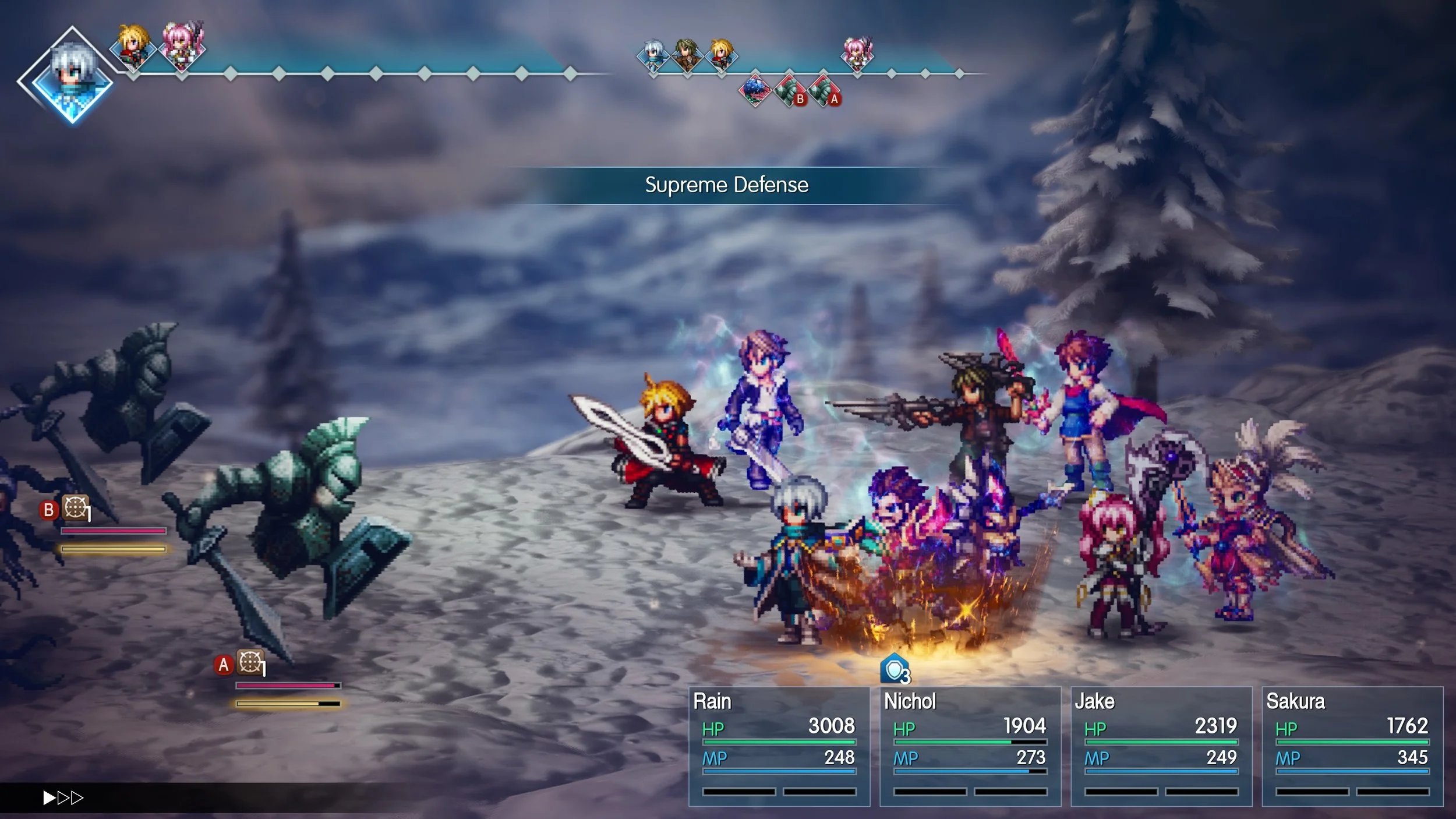
There may be thousands of similar strings. They still need to be translated correctly, but they usually do not require the same creative attention as a character's final speech or an important story scene. This is where AI can save time. It can produce a first draft across a large batch of text, giving linguists something to review instead of making them start every line from scratch. In game translation, this process can make the workflow much faster.
That matters even more for live-service games. The work does not stop when the game launches. New weapons, events, quests, characters, and seasonal content keep arriving. Localization teams have to deal with that material without holding up the release.
Translation memories and glossaries help keep those terms under control. AI can work with those resources, but linguists still need to maintain them. Tools do not decide whether a new term actually fits the world of the game.
Then the difficult lines appear
The trouble starts when a line depends on something that cannot be seen in the sentence itself. Humor is an obvious example. A character might make a joke based on a pun. The joke works because two English words sound similar. If you translate those words literally, then the joke may disappear. A translator may have to forget the original wording and create a different joke instead. It might use different words or even a different reference. What matters is that the player gets the same sense of humor. That is one of the biggest differences between literal translation and game translation. The translator is recreating an experience rather than copying a sentence.
Cultural references create similar problems. A phrase that feels completely normal to players in one country may differ in another country. The translator has to decide whether to keep, explain, replace, or rewrite it. AI may suggest an answer. A human has to judge whether that answer actually belongs in the game.
A Character Should Still Sound Like the Same Person
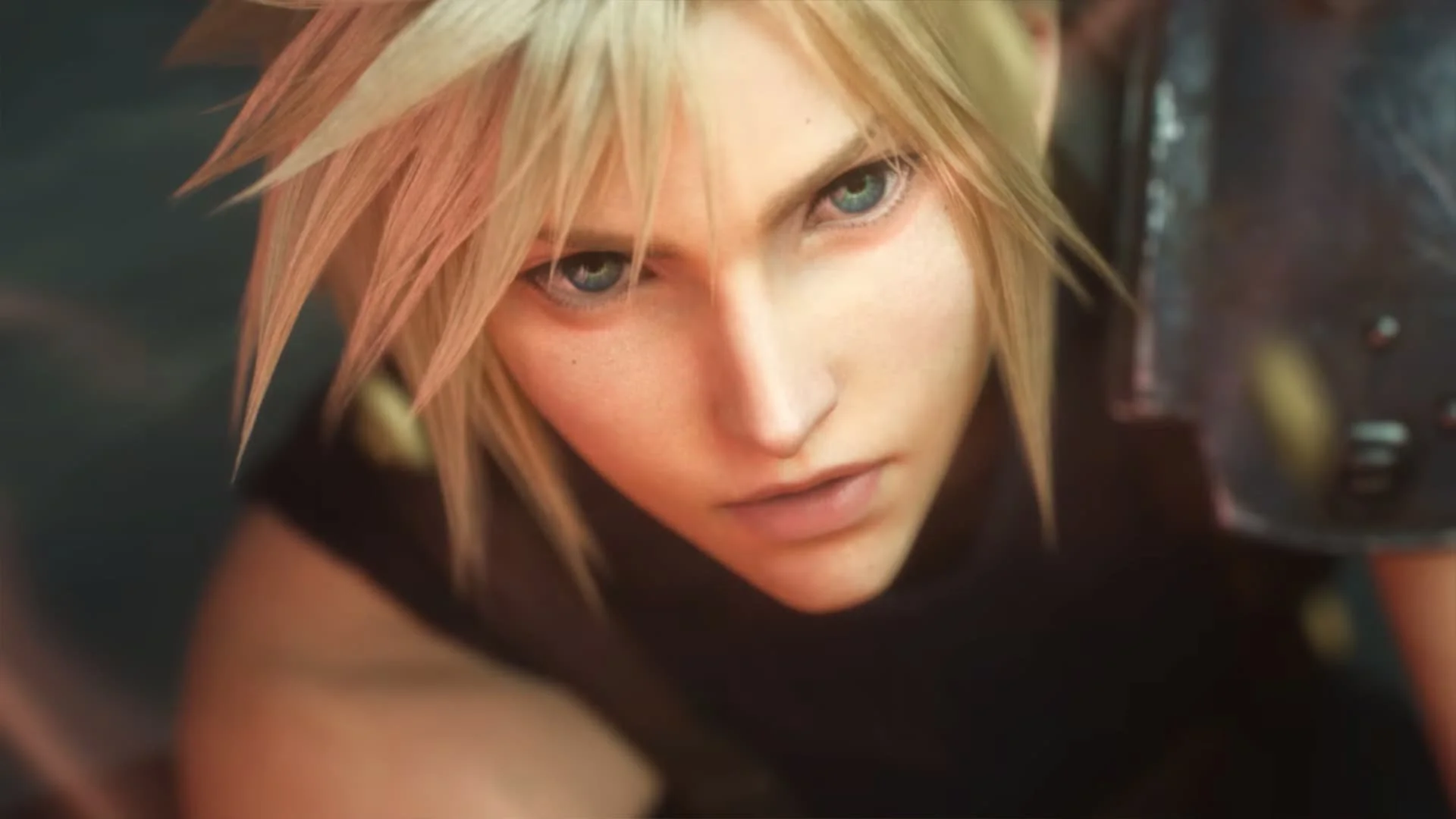
Imagine meeting a character for the first time. She is sarcastic. She rarely gives a straight answer. Her jokes are dry, and she has a habit of cutting people off. Now imagine her translated dialogue suddenly becoming polite and formal. The words might be grammatically perfect. The character is still wrong.
Players spend a lot of time with recurring characters. They learn their personalities through dialogue. A translator needs more than the source sentence. Character descriptions, previous conversations, screenshots, and game context can all change how a line should be translated.
Gender can cause another layer of trouble. English often leaves gender unclear, while languages such as Spanish, French, and German may require grammatical choices that reveal it. If the source text gives no clear clue, an automated system may guess. One wrong guess is easy to miss. The same mistake repeated across dozens of lines is not. A human reviewer can spot that pattern and check it against the character and story.
Dubbing Adds Another Problem
A translated subtitle gives the player enough time to read the line. Dubbing is different. The dialogue has to sound natural when spoken. It needs to fit the scene and the actor's delivery. In projects that require lip synchronization, the timing and length may need to match the character's mouth movements as well. This creates situations where a direct translation simply does not work. Perhaps the English line takes three seconds to say, while the translated version takes five. The translator may need to cut words, rearrange the sentence, or rewrite it. That is part of adapting dialogue for performance. Game translation for voiced content requires attention to both language and performance. AI can provide a starting point, but translators familiar with dialogue and acting need to make the final call.
There Is No Single Localization Formula
A small indie game and a huge multiplayer title do not have the same localization needs. An indie developer with a few thousand strings may prefer a largely human workflow. A major live-service game dealing with constant updates may use AI for some material and reserve human attention for story content, marketing copy, character dialogue, and other high-risk text. The amount of text matters. So does the type of text.
A system message does not need the same treatment as a character's emotional confession. A weapon statistic is different from a joke. A tutorial instruction has a different purpose from a villain's speech. Studios should decide where human expertise adds the most value rather than treating every line identically.
Translation Files Do Not Tell the Whole Story
There is another stage that is easy to underestimate: LQA. A translation can look perfect in a spreadsheet and still look terrible once it reaches the game. Sometimes, the dialogue box cannot fit the translated sentence, and a menu label is too long. A subtitle might disappear before the player finishes reading it. A character's name could be spelled one way in a cutscene and another way in a quest. These problems become obvious when reviewing strings.
Linguistic Quality Assurance (LQA) puts the translation back into its real setting. Reviewers check the game itself and look for language, context, timing, and display problems. This is especially important because context can change meaning. A sentence that looks harmless in a spreadsheet may become confusing when the player sees the character, location, or action connected to it. LQA is a part of the localization process, so it is done before launch.
Choosing a Localization Partner
Cost will always matter in selecting a gaming translation agency. Before handing over a game, it is worth asking a few practical questions:
Have the translators worked on games before?
Are they native speakers of the target language?
Will they have access to screenshots and character information?
How will terminology be approved and maintained?
Who checks AI-assisted translations?
Is LQA part of the service?
Can the team handle updates after launch?
That last question is important for live-service games. A game can change long after its initial release. New content has to sound as though it belongs with what came before it. A new character should not suddenly use terminology that conflicts with the established world. A new quest should follow the same naming conventions as older ones. Good localization is therefore not just a one-time translation job. It is an ongoing process.
So, Should Studios Choose AI or Humans?
There is no useful answer in choosing one and rejecting the other. AI has a clear advantage when a project contains a large amount of repetitive material. It can move through that content quickly and give linguists a useful starting point.
Humans become more important when meaning depends on context. They can judge whether a joke works, whether a character sounds authentic, and whether a cultural reference needs changing. Then LQA checks the finished work where it matters most: inside the game. The strongest game translation workflow combines automation for speed with human judgment where it matters most.
Disclosure: This is a paid guest post. The author or an affiliated third party paid for its publication, and the article may contain promotional links. The views and opinions expressed are those of the author and do not necessarily reflect those of GameTyrant or its editorial staff.