Magic: The Gathering’s first trip to Middle-earth became one of the bestselling sets in the game’s history, and for good reason. The Lord of the Rings: Tales of Middle-earth was one of Magic’s first full Universes Beyond sets, giving players an enormous selection of flavorful cards to build around. It also introduced plenty of powerful new Commanders that continue to see play today.
Magic: The Gathering | The Hobbit may be a much smaller set, but it still includes a surprisingly strong selection of legendary creatures. Whether you want to create an army of tokens, tell an enduring story, or simply overwhelm the table with one very large Dragon, there are plenty of interesting new Commanders to choose from.
These are my picks for the best Commanders from Magic: The Gathering | The Hobbit.
Best Mono-Colored Commanders
As with every set, I wanted to pick five mono-colored Commanders for all the players who prefer sticking to a single color. This time, that decision was surprisingly easy because there appears to be one perfect option for each of Magic’s five colors, with every Commander supporting a distinctly different playstyle.
Belladonna Took (White)
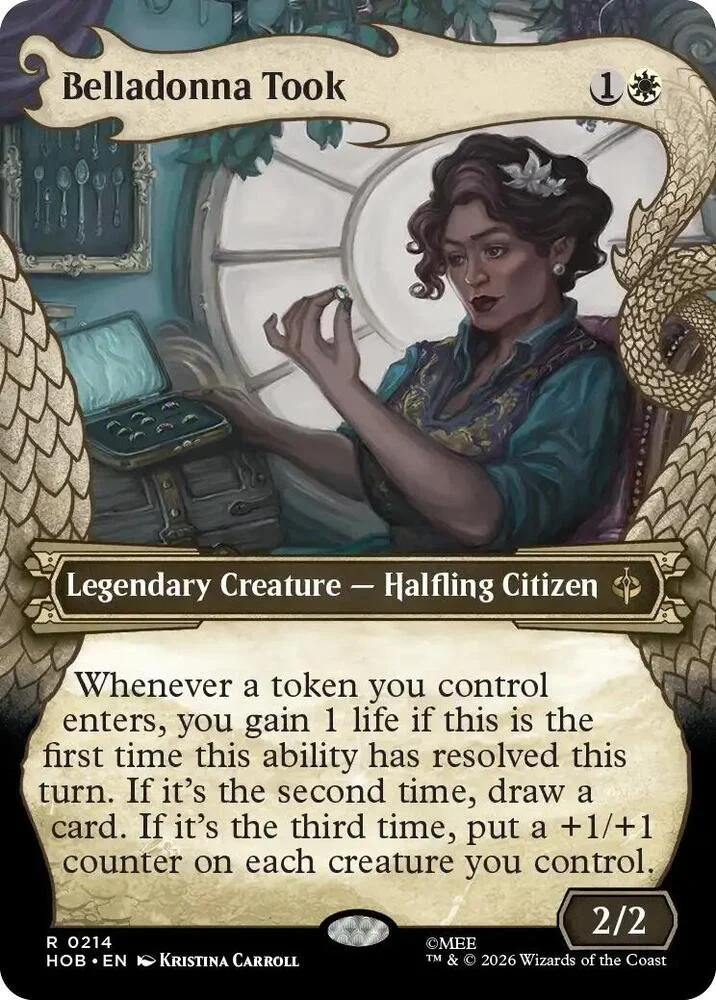
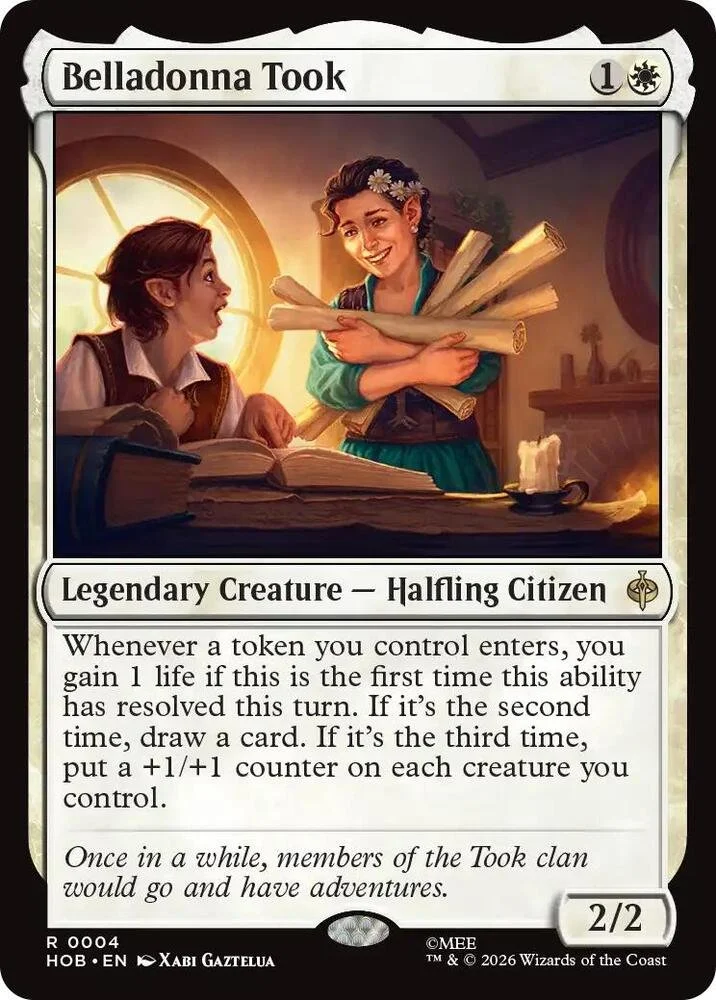
Belladonna Took combines three classic mono-white strategies: token generation, life gain, and +1/+1 counters. Whenever a token enters under your control, she rewards you based on how many times her ability has resolved that turn. The first gains you one life, the second draws a card, and the third places a +1/+1 counter on every creature you control.
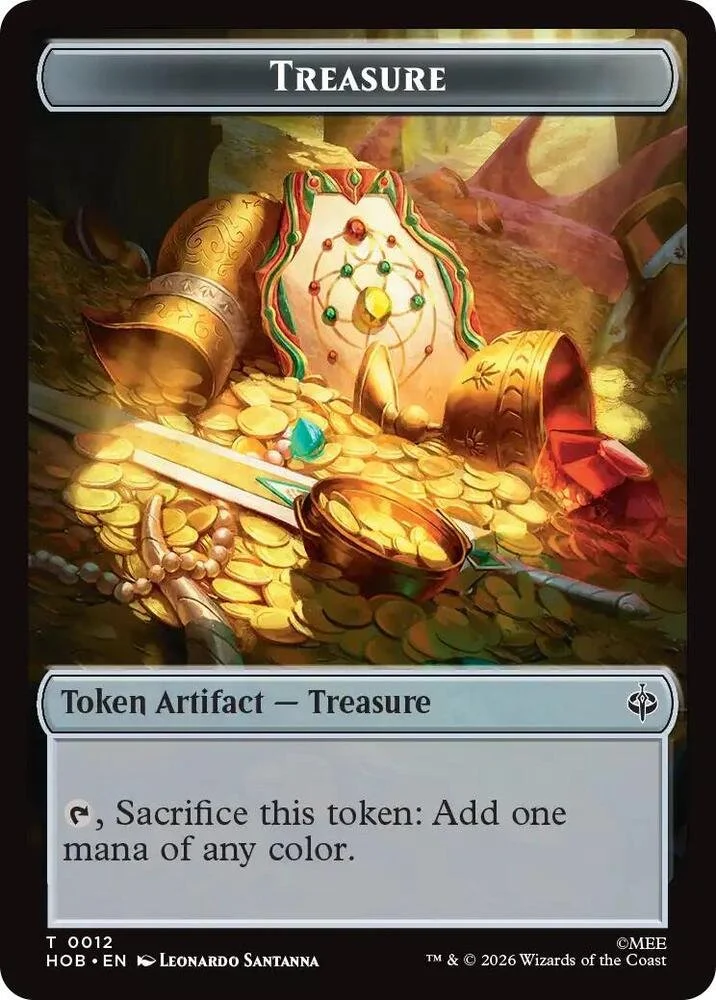
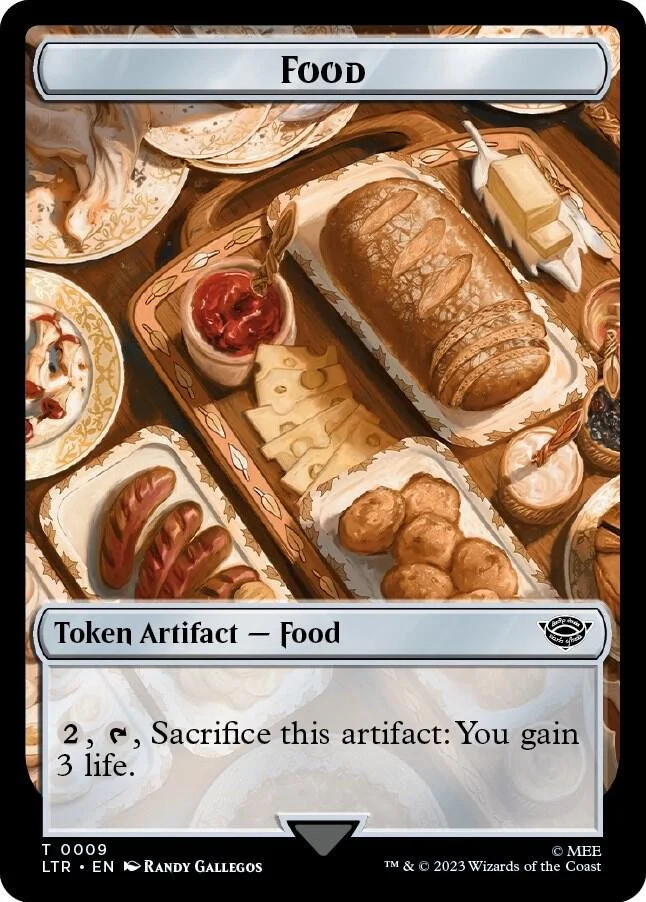
That gives the deck a simple goal: create at least three tokens every turn. Belladonna does not specifically require creature tokens, so Food, Treasure, Clue, and artifact tokens all count. Adeline, Resplendent Cathar can trigger every part of the ability with one attack in a four-player game, while Secure the Wastes and The Eagles Are Coming! provide explosive token production. Skrelv’s Hive, Legion’s Landing, Oketra’s Monument, Cat Collector, and Castle Ardenvale offer more consistent sources.
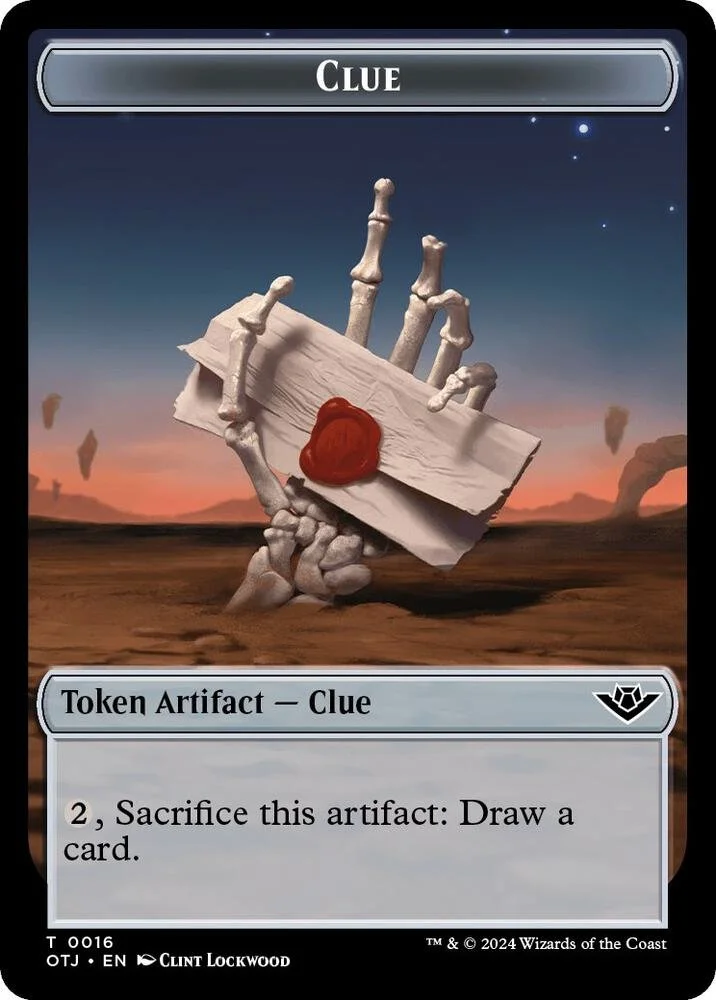
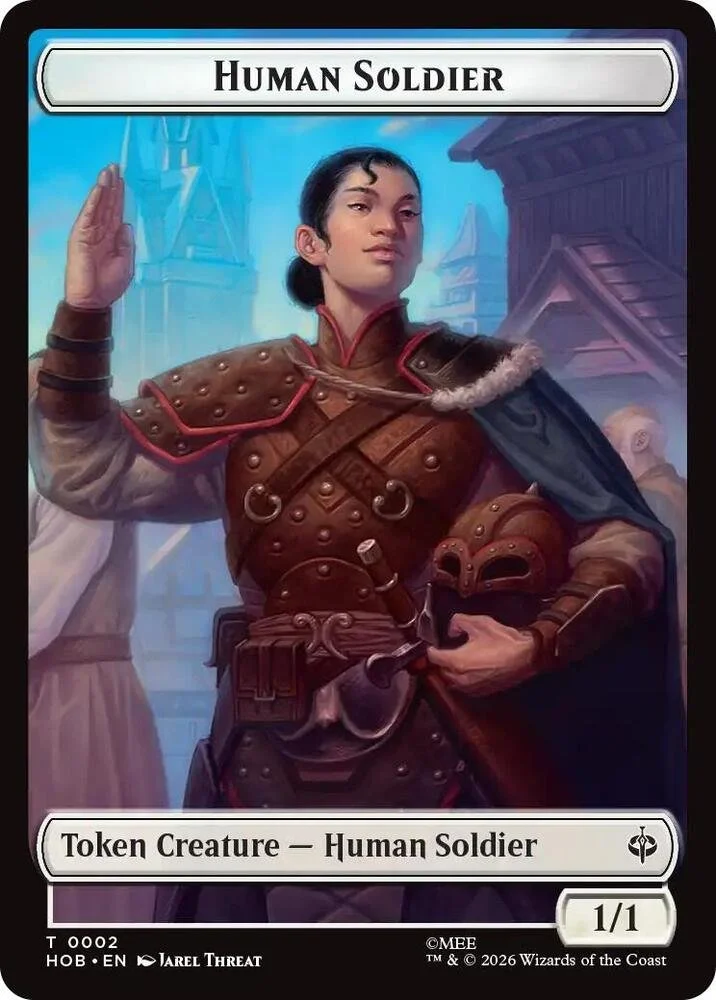
Because Belladonna’s ability resets each turn, instant-speed token creation is particularly valuable. Creating three tokens during an opponent’s turn gives you another opportunity to gain life, draw a card, and strengthen your board. Caretaker’s Talent, Tocasia’s Welcome, Welcoming Vampire, and Skullclamp provide backup card draw, while Rosie Cotton of South Lane, Cathars’ Crusade, and Intangible Virtue help turn your small tokens into a lethal army.
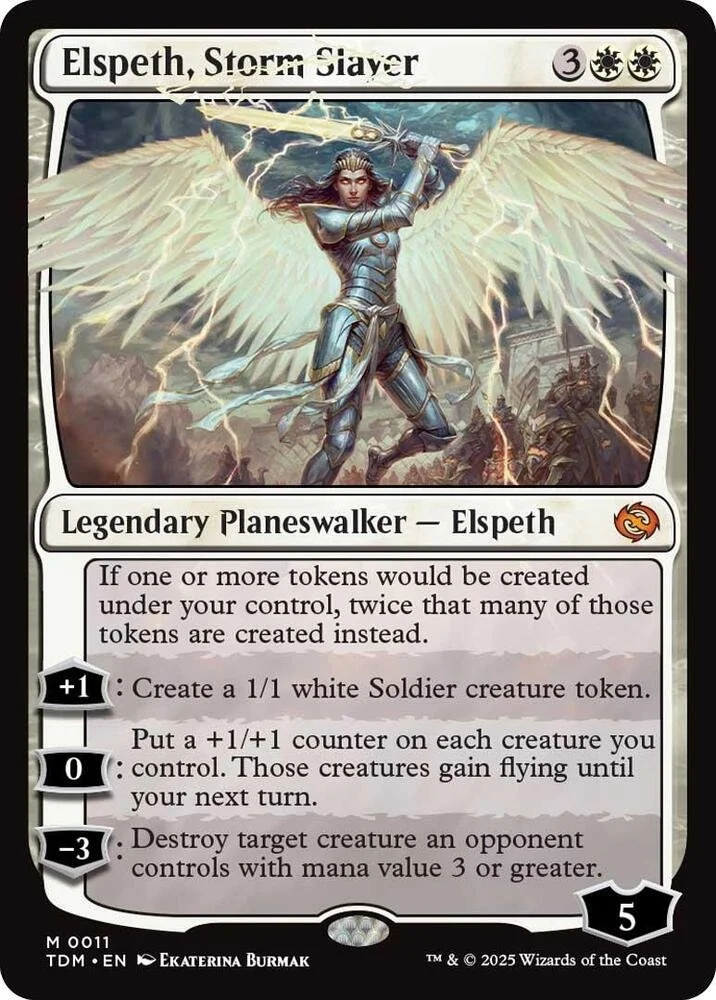
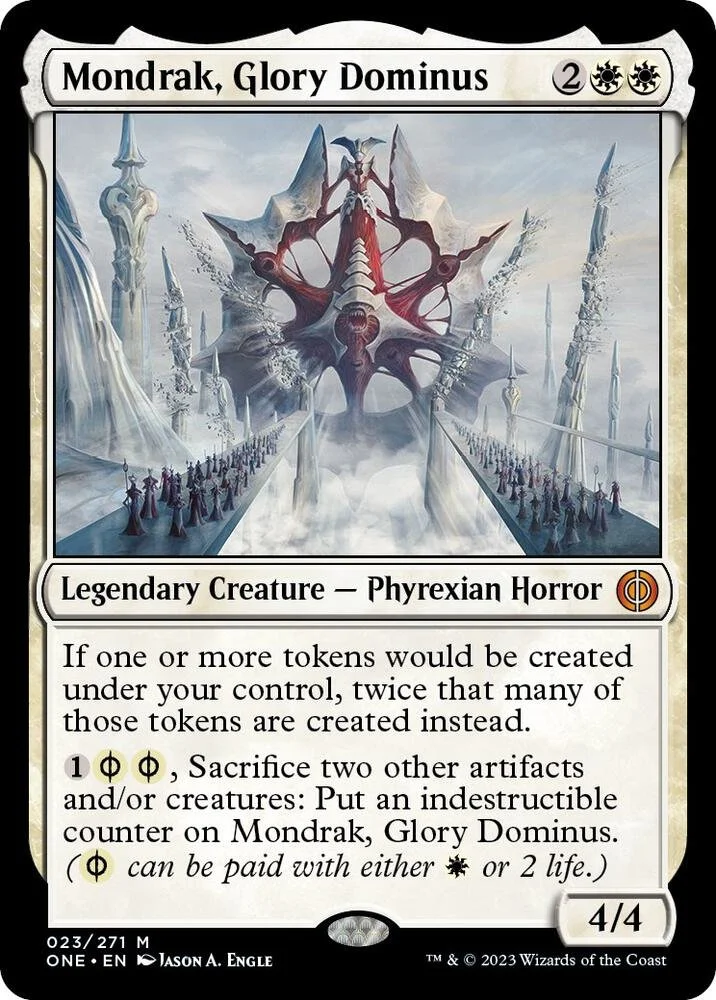
The deck needs protection because it commits heavily to the battlefield. Dawn’s Truce and Selfless Spirit can save your creatures, while Hour of Reckoning usually leaves your tokens untouched. For larger budgets, Mondrak, Glory Dominus and Elspeth, Storm Slayer double your token production. Smothering Tithe and Gleaming Splendor are also excellent because their Treasures can trigger Belladonna during opposing turns.
Belladonna is inexpensive, easy to understand, and gives mono-white token decks exactly what they need: life, cards, and a way to turn a harmless board into a game-ending threat. You only need to count to three.
Example decklist: Mono-White Belladonna Took Tokens
Bilbo, Thief in the Night (Blue)
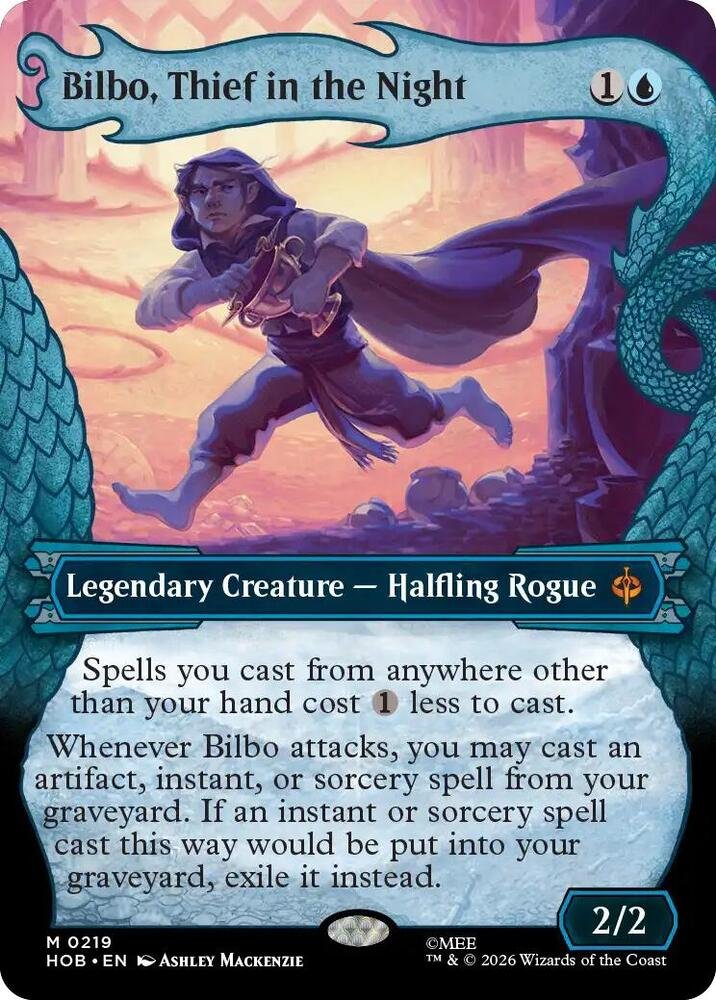
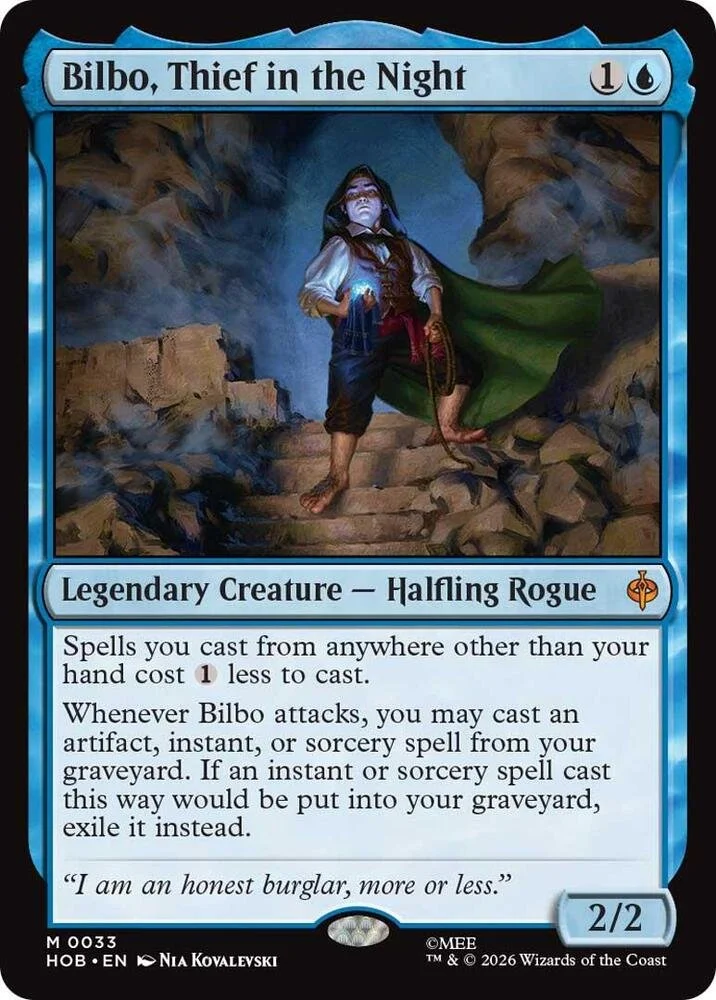
Bilbo, Thief in the Night is a mono-blue spellslinger Commander who rewards you for casting cards from anywhere except your hand. Spells cast from your graveyard, exile, or the top of your library cost one generic mana less, and whenever Bilbo attacks, you may cast an artifact, instant, or sorcery from your graveyard. Instants and sorceries cast this way are exiled afterward, but reusable artifacts can return to the graveyard and be cast again later.
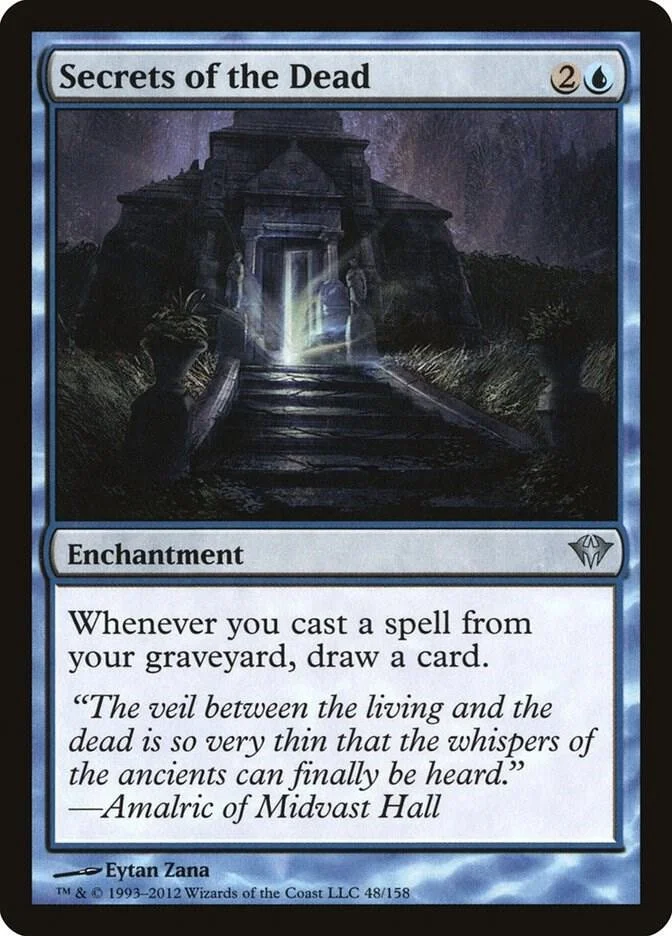
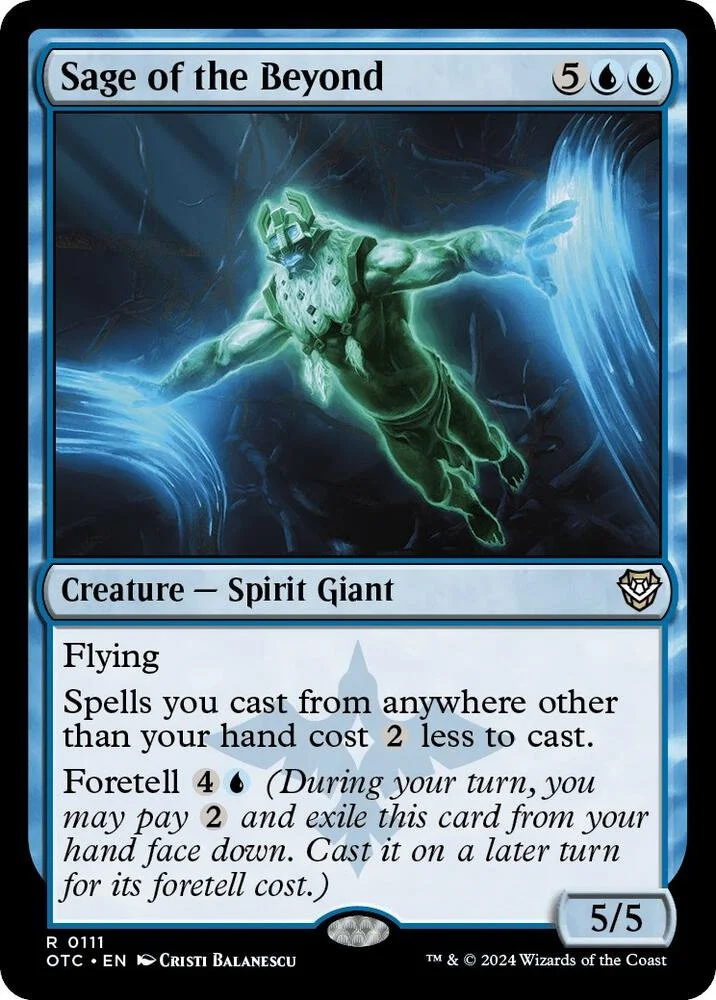
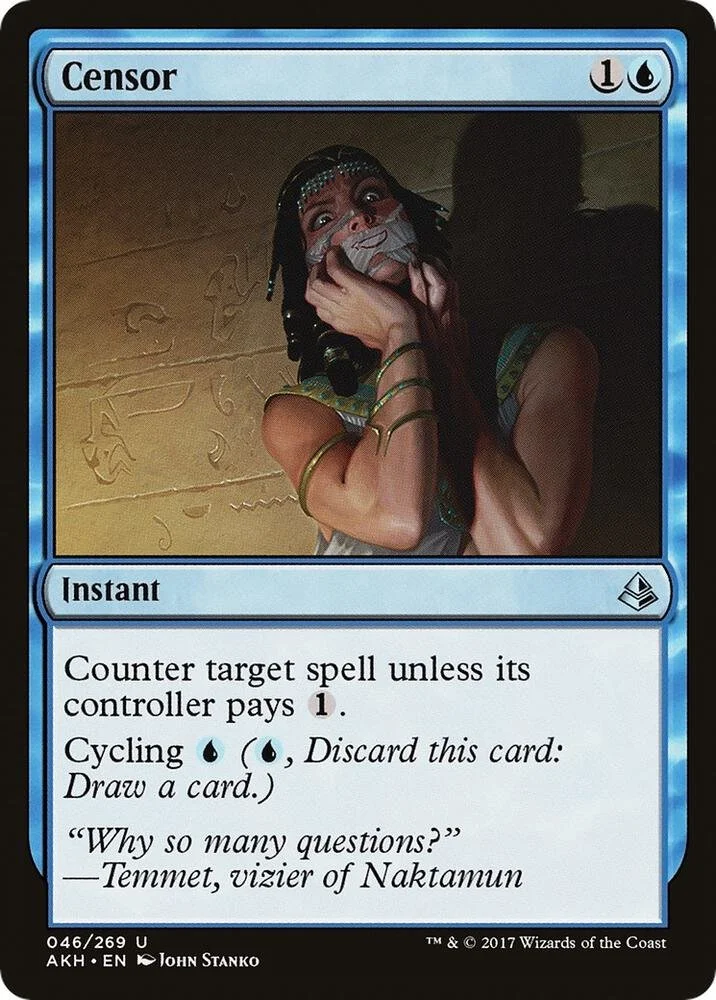
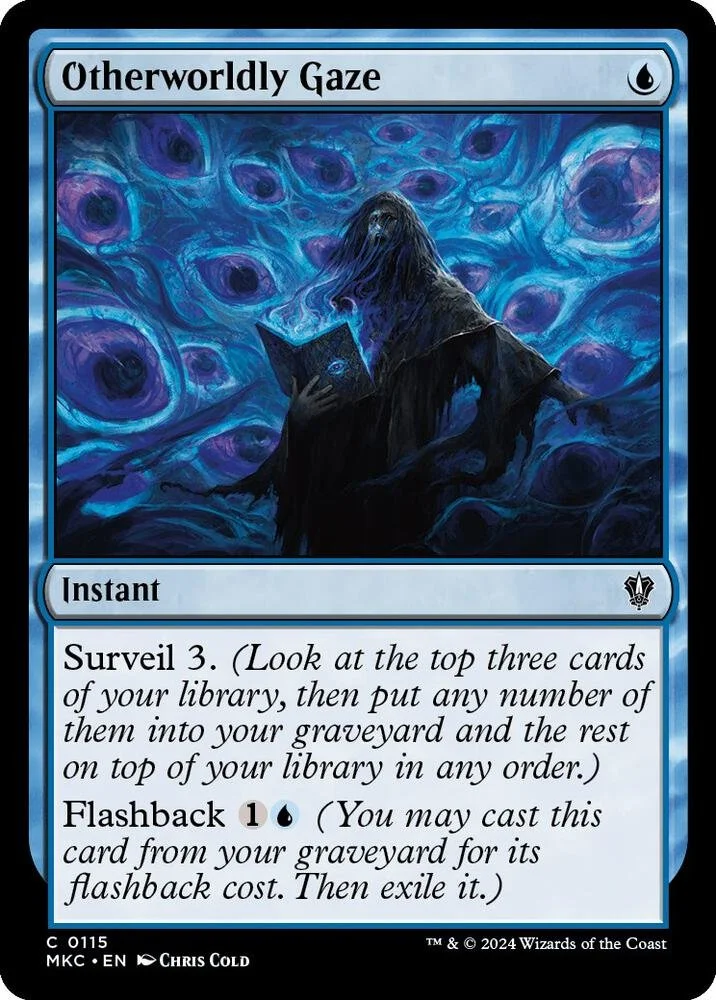
Self-mill effects like Otherworldly Gaze, Fact or Fiction, and Windfall stock the graveyard. Cycling cards such as Censor and Boon of the Wish-Giver are also useful because you can cycle them early and recover them later through Bilbo or Abandoned Sarcophagus. Sage of the Beyond, Catalyst Stone, and Archmage of Runes stack additional cost reductions, while Secrets of the Dead rewards every spell cast from the graveyard with another card.
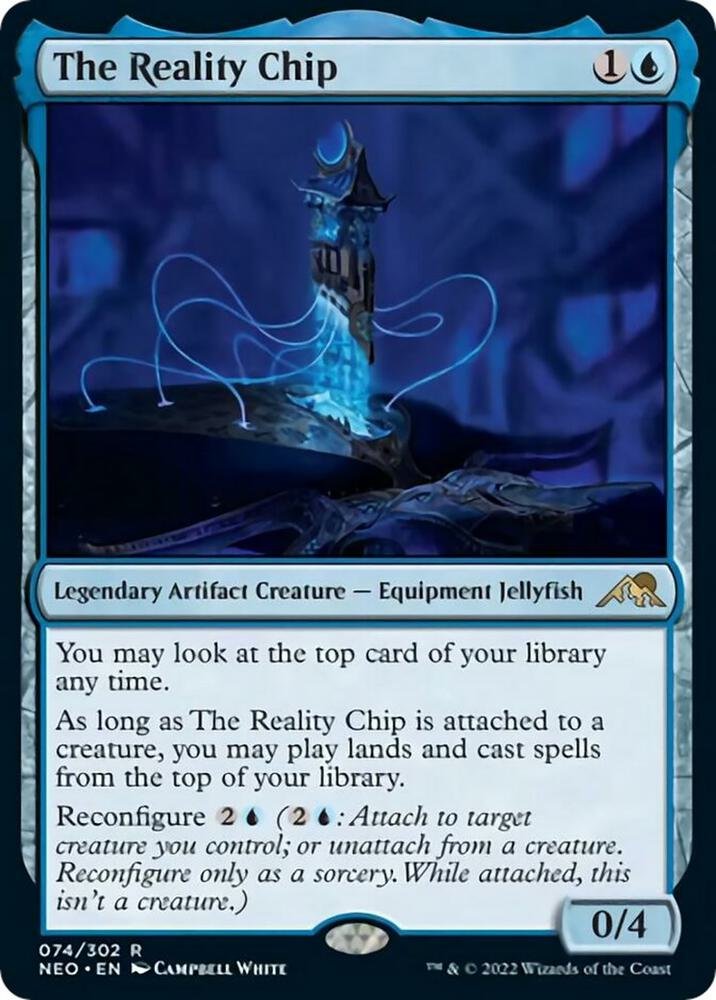
Lier, Disciple of the Drowned can give the entire graveyard flashback for one enormous turn, although preventing spells from being countered also disables your own counterspells. The Reality Chip and Crystal Skull, Isu Spyglass extend Bilbo’s ability to the top of your library, with Castle Vantress and Rivendell helping arrange upcoming cards.
The challenge is keeping Bilbo alive long enough to attack. Bilbo’s Ring is nearly perfect: it grants hexproof during your turn, makes him unblockable, and draws a card when he attacks alone. Whispersilk Cloak, Access Tunnel, and Rogue’s Passage provide additional protection or evasion. Propaganda and efficient bounce or counterspells compensate for the deck’s low creature count.
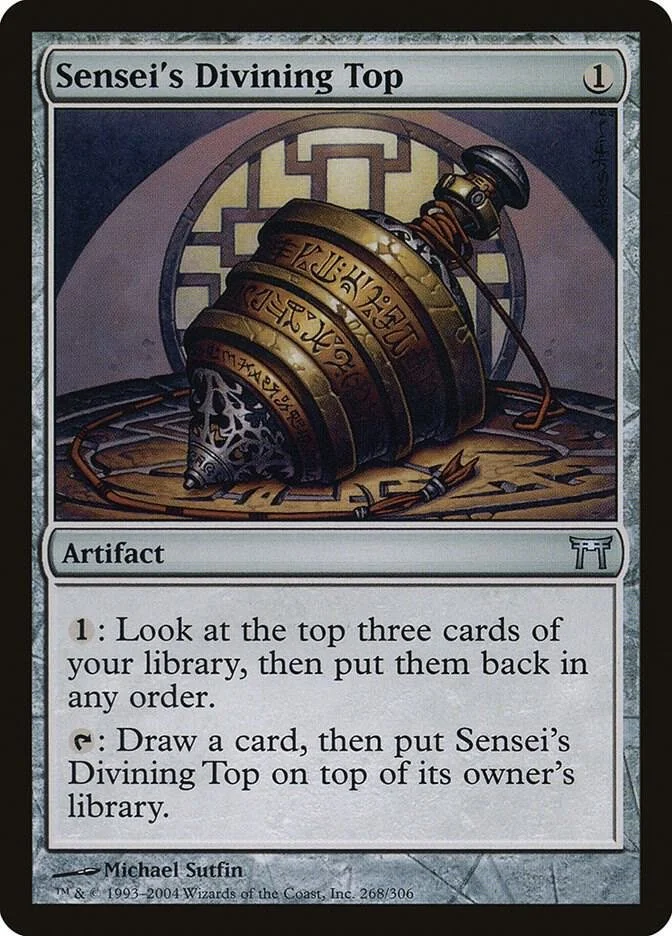
Mithril Coat is one of the best premium upgrades because it can immediately make Bilbo indestructible. Sensei’s Divining Top is even more powerful alongside The Reality Chip: Bilbo’s discount lets you repeatedly cast the Top from your library for free after drawing with it. That interaction can push the deck beyond casual play, so discuss expectations before including it.
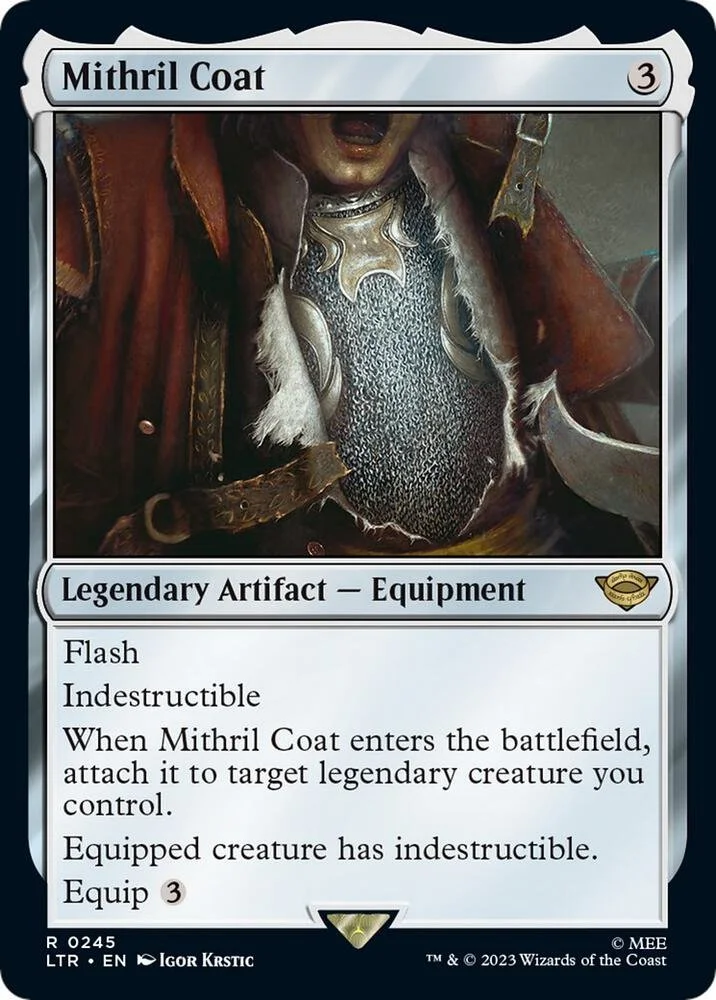
Bilbo turns your graveyard, exile, and library into extra hands. Fill the graveyard, protect your burglar, and keep finding new places to cast spells from.
Example decklist: Mono-Blue Flashback Bilbo
The Master of Lake-town (Black)
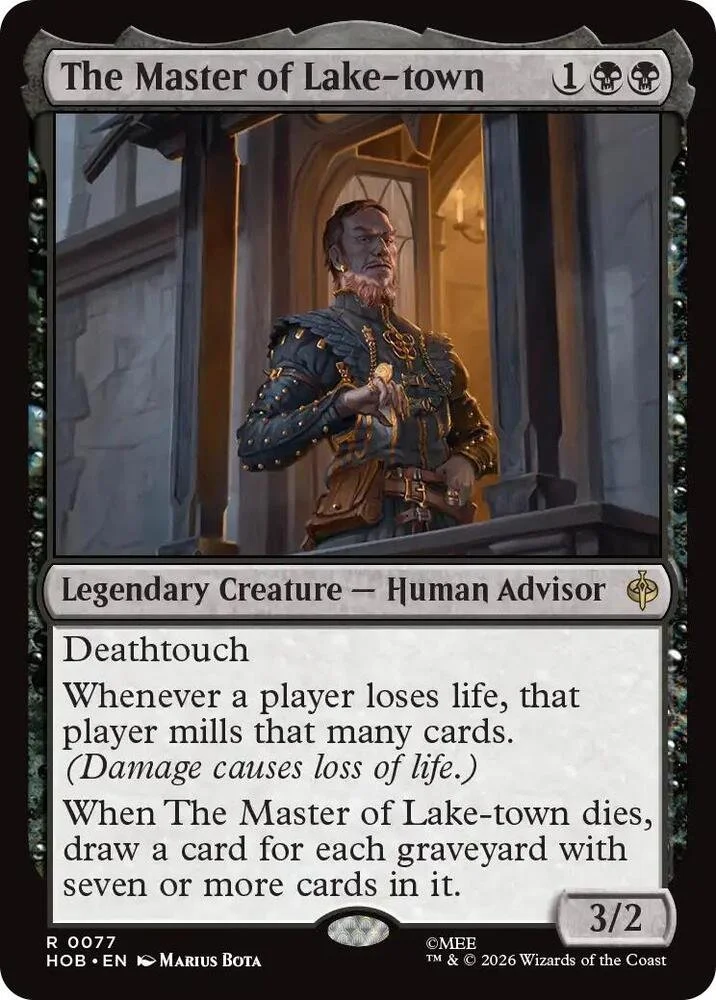
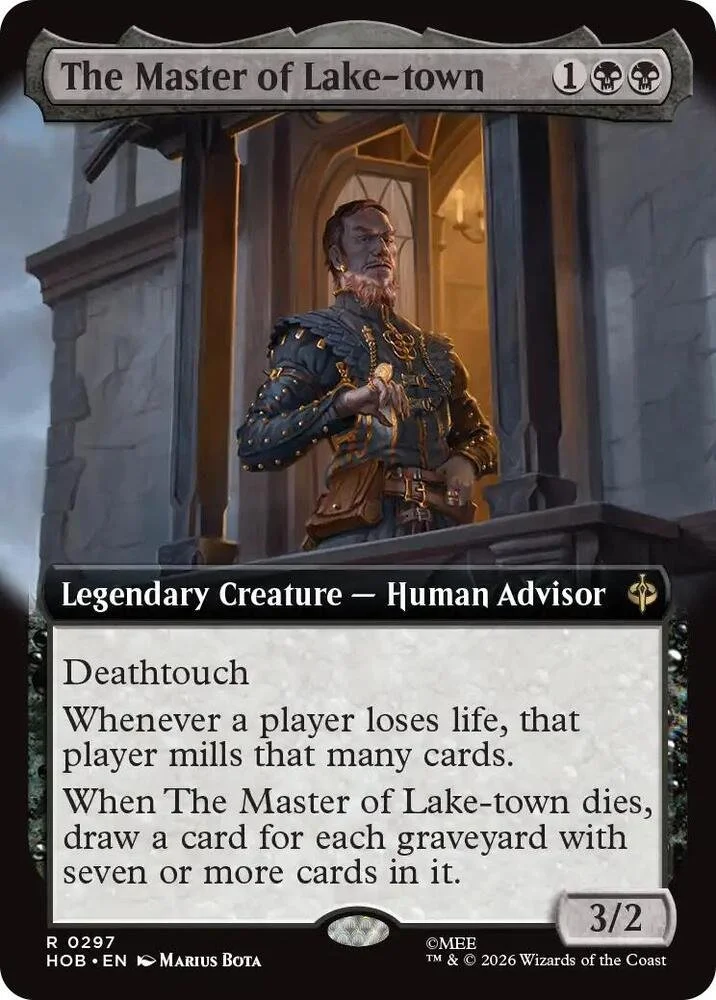
The Master of Lake-town turns every point of life lost into another card milled. Damage counts, but so do direct life-loss and life-payment effects. His ability affects every player (including you) making this part group-mill deck, part life-drain strategy, and part graveyard deck.
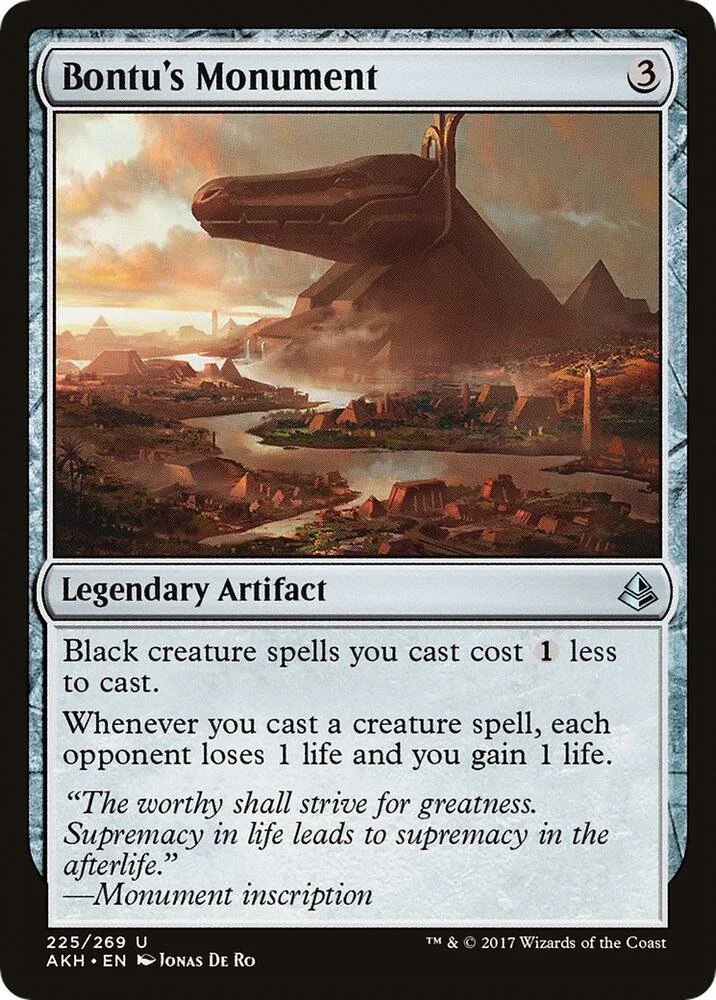
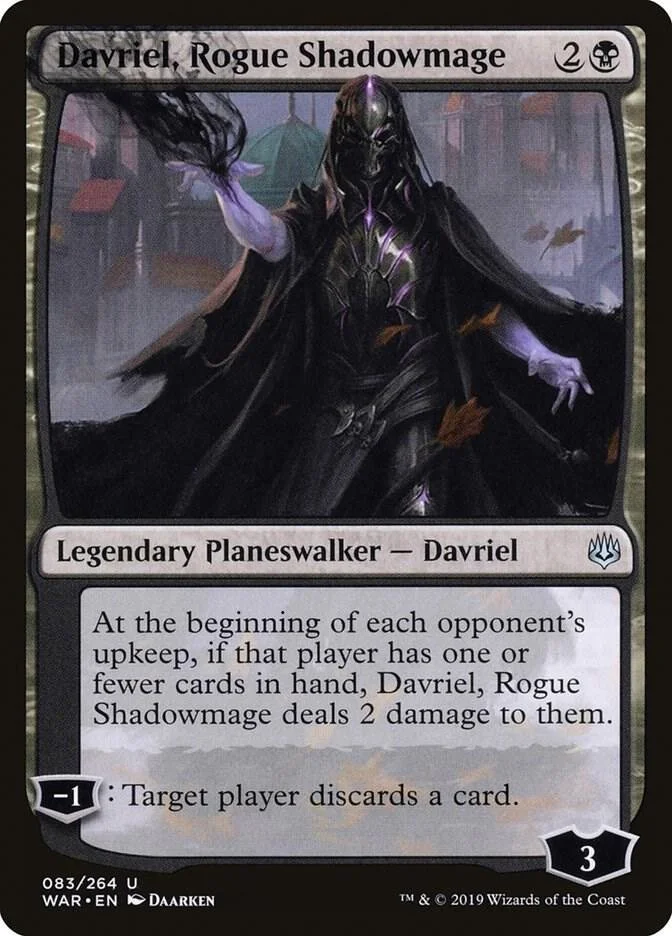
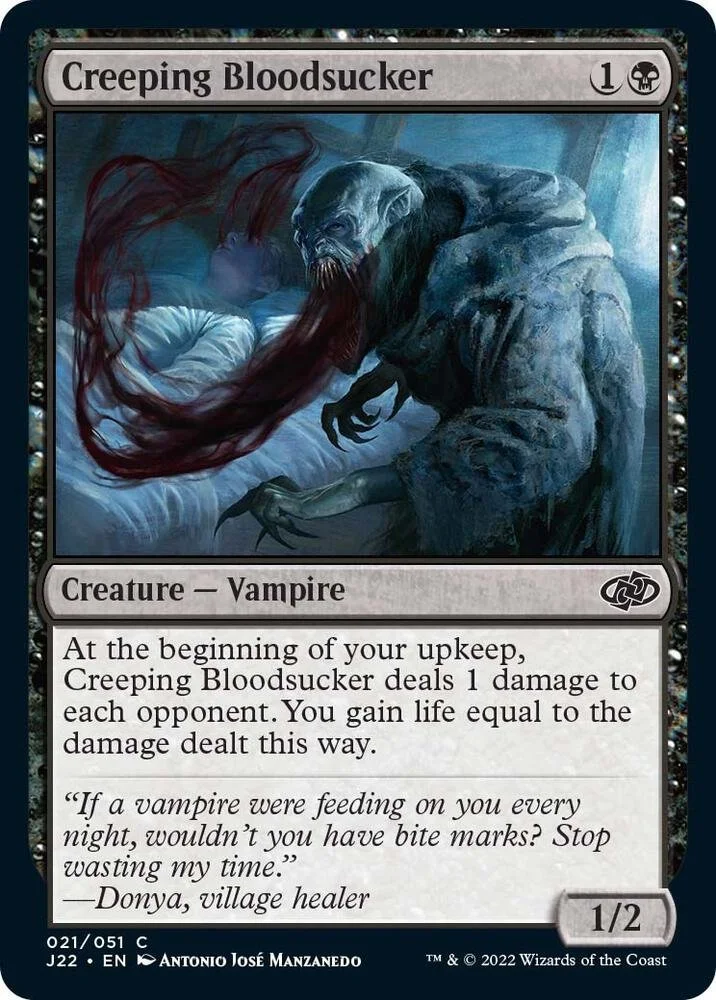
Small repeatable effects from Creeping Bloodsucker, Davriel, Rogue Shadowmage, Iridescent Vinelasher, Bontu’s Monument, and the usual Blood Artist package steadily attack both life totals and libraries. The Master even replaces himself when he dies by drawing a card for each graveyard containing at least seven cards, potentially drawing four in a normal Commander game.
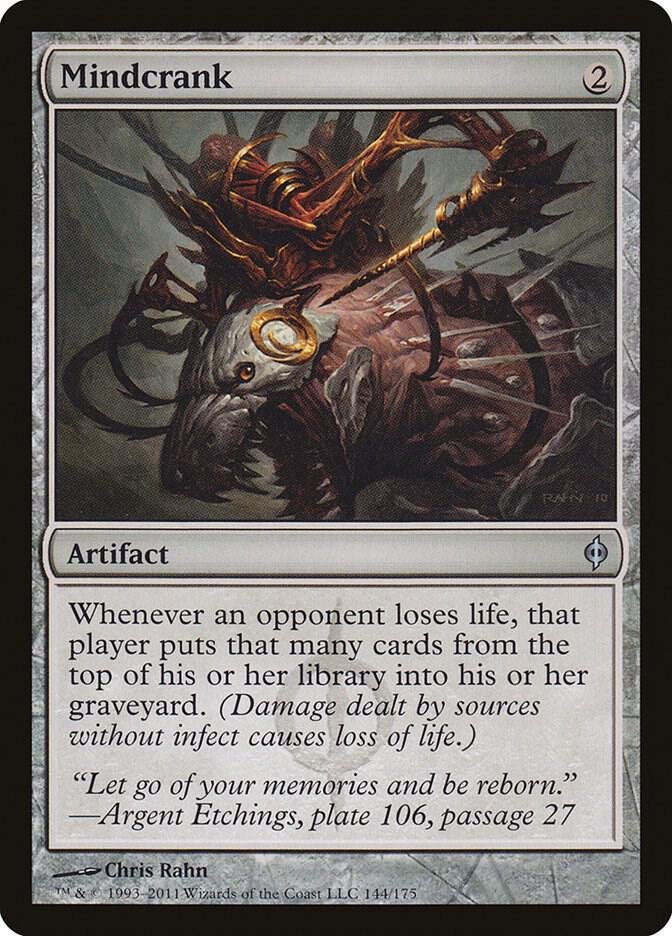
Mesmeric Orb fills graveyards quickly, while Mindcrank adds another mill trigger whenever an opponent loses life. Syr Konrad, the Grim can create frightening chains: milled creature cards cause damage, which causes more milling through The Master and Mindcrank. The sequence is not guaranteed to continue, but creature-heavy libraries can lose an alarming number of cards.
Because The Master mills you too, reanimation is essential. Animate Dead, Reanimate, Victimize, Dread Return, and Phyrexian Reclamation turn self-mill into an advantage. Rise of the Dark Realms is the dream finisher, stealing every creature the table has spent the game placing into graveyards. Mortal Combat provides a sillier alternate victory if you reach twenty creature cards in your own graveyard.
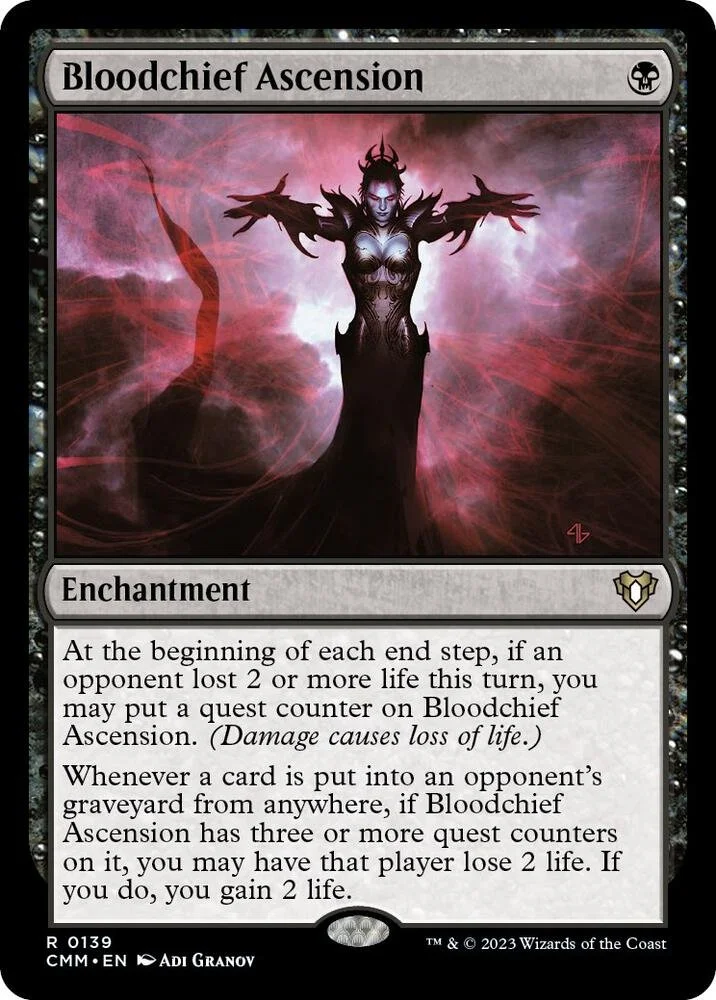
Exsanguinate is the cleanest finisher because it attacks every opponent’s life total and forces each of them to mill the same amount. For higher budgets, Sheoldred, the Apocalypse turns card draw into more life loss and punishes opponents while keeping you alive. Bloodchief Ascension is also terrifying once active, especially beside Mindcrank.
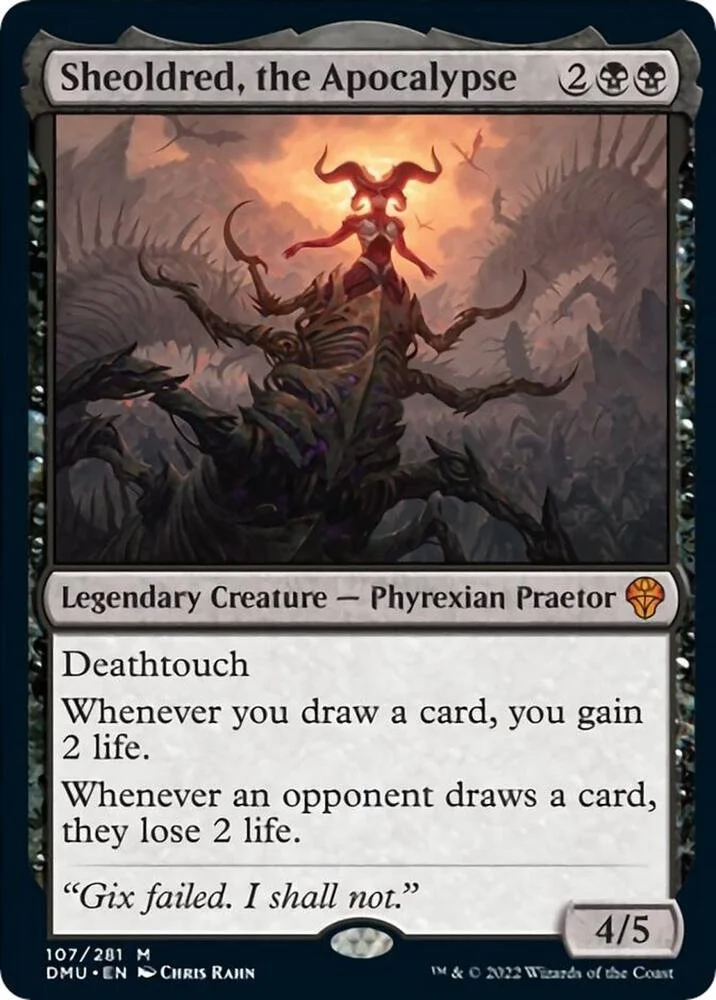
This deck gives opponents two shrinking resources to worry about. Drain the table, use your own graveyard as a second hand, and let The Master decide whether life totals or libraries disappear first.
Example decklist: Mono-Black Master of Lake-Town Mill
Smaug the Magnificent (Red)
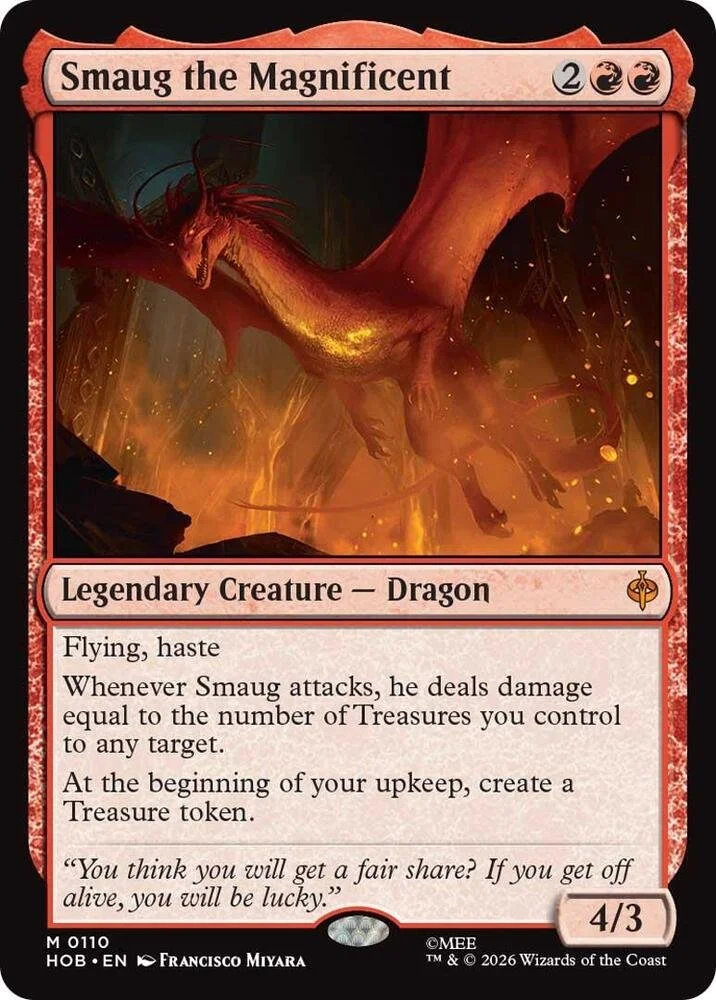
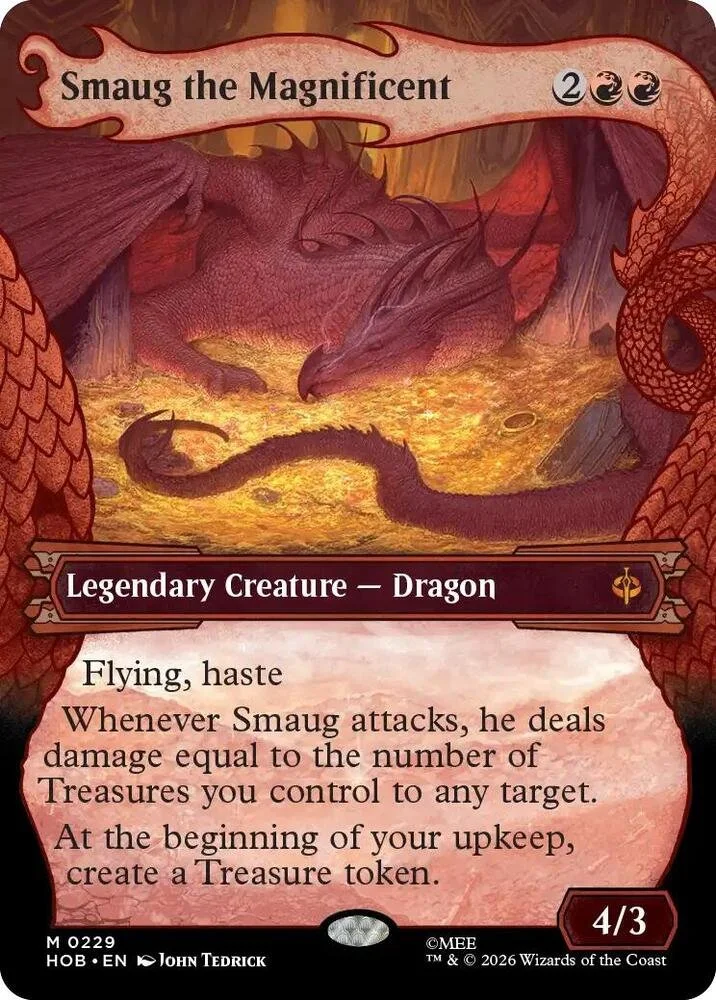
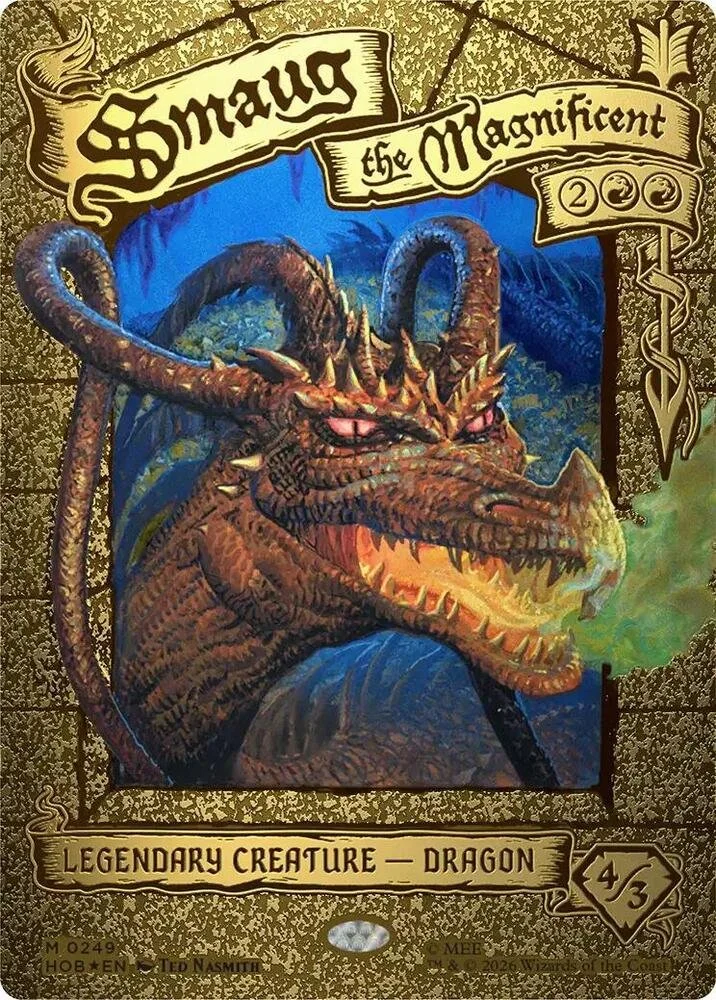
Smaug the Magnificent could lead a straightforward Treasure deck, but this version turns his hoard into as many win conditions as mono-red can reasonably support. It can win through combat, direct damage, artifacts, charge counters, coin flips, or Gates.
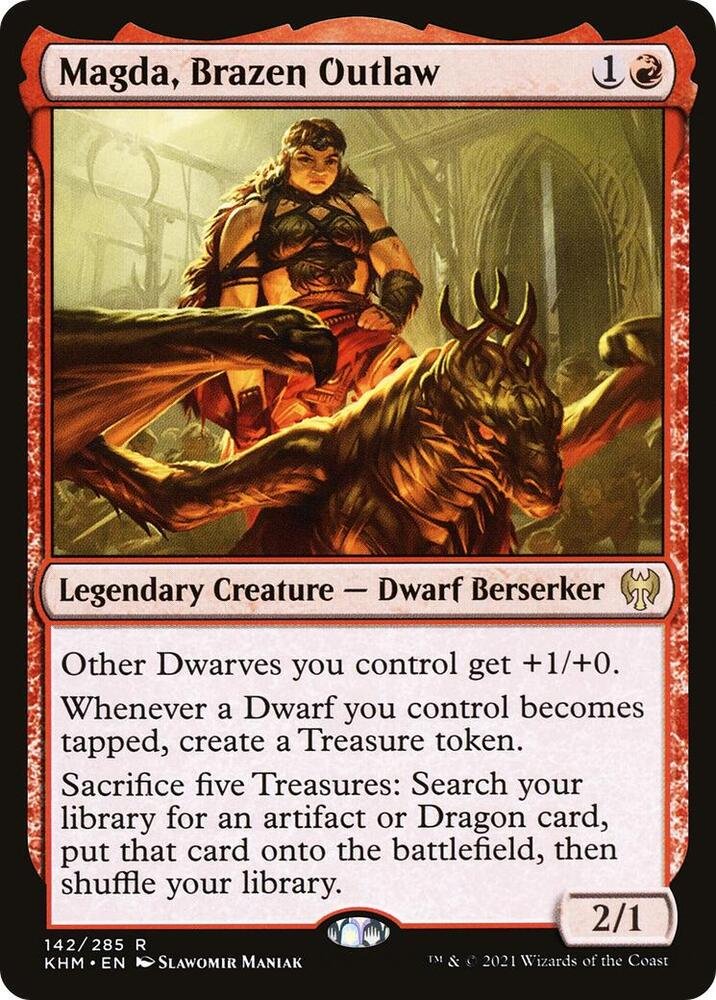
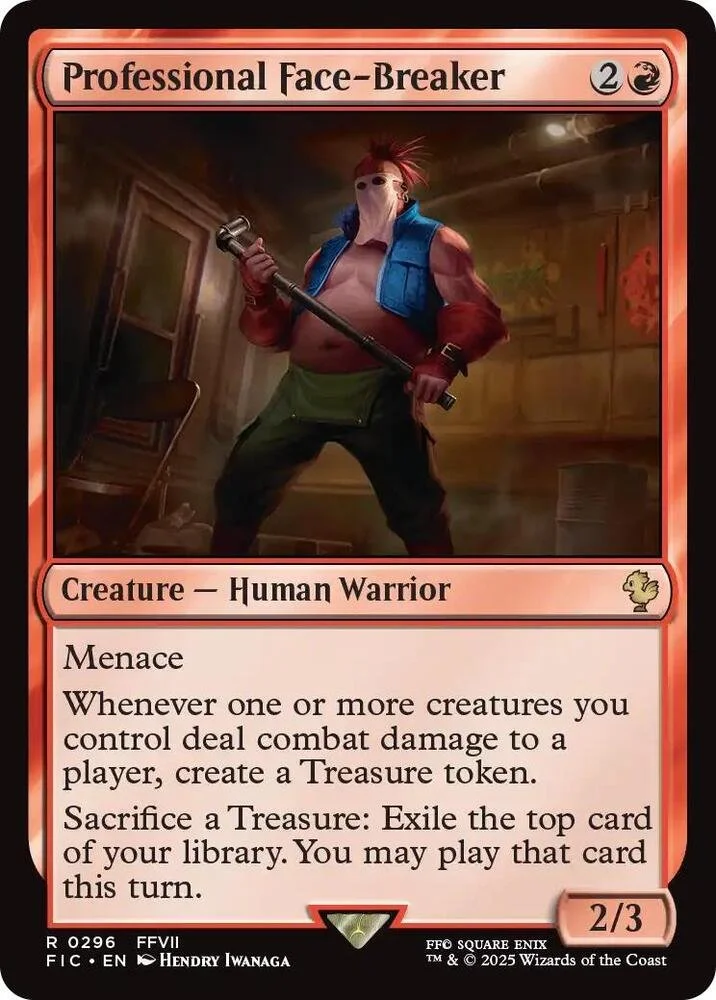
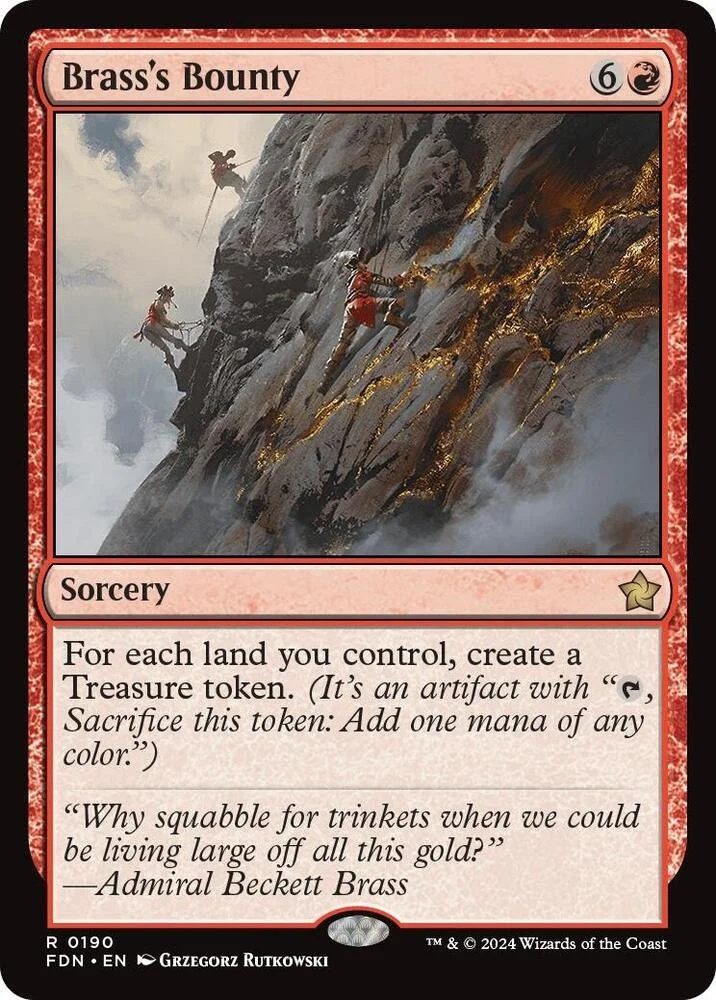
Big Score, Unexpected Windfall, Brass’s Bounty, Storm-Kiln Artist, Professional Face-Breaker, and a supporting Dragon package build the hoard. Magda, Brazen Outlaw is especially powerful because she creates Treasures when Dwarves tap and can sacrifice five of them to find any artifact or Dragon. Xorn increases production, while Inspiring Statuary lets your artifacts pay for spells without sacrificing them.
Smaug converts those Treasures into damage whenever he attacks, and haste means opponents cannot safely ignore him in the command zone. Fiery Emancipation can turn ten Treasures into 30 damage before combat damage, while extra-combat effects let him trigger again. Reckless Fireweaver and Ingenious Artillerist provide a separate route by damaging the table whenever Treasures enter.
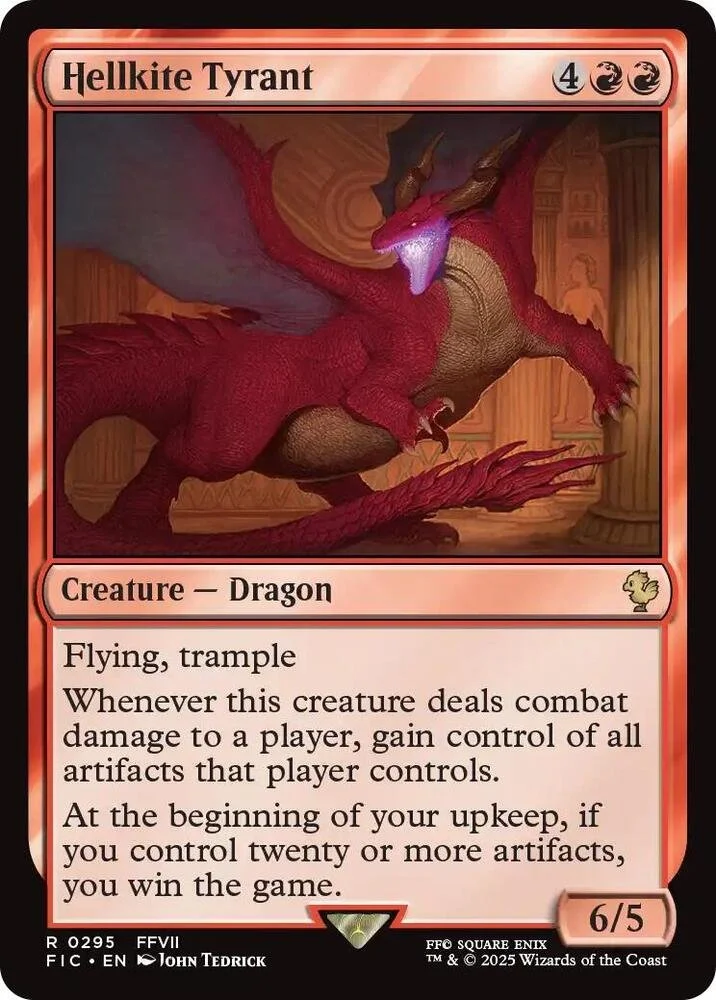
The alternate victories force opponents to divide their attention. Hellkite Tyrant wins if you control twenty artifacts during your upkeep, Darksteel Reactor wins at twenty charge counters, and Chance Encounter wins after ten successful coin flips. Maze’s End adds a Gate-based win condition, with Baldur’s Gate, Basilisk Gate, Gond Gate, Heap Gate, and the rest of the mana base supporting it. Individually these plans look manageable; together they create several ticking clocks while Smaug continues attacking.
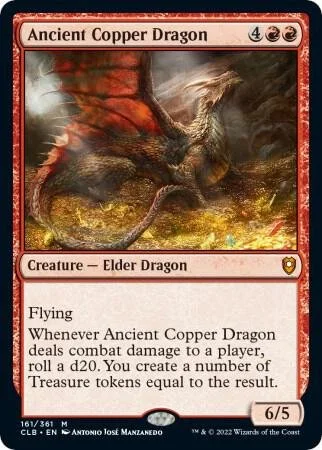
Ancient Copper Dragon is the easiest premium upgrade because one successful attack can create enough Treasures to make Smaug lethal or satisfy Hellkite Tyrant. Roaming Throne doubles the triggers of Smaug and your other Dragons, while Inventors’ Fair can search for whichever artifact win condition is closest.
This deck is not subtle. Build the greatest hoard in Middle-earth, place several emergencies on the battlefield, and challenge your opponents to answer all of them.
Example decklist: Mono-Red Smaug Treasures
Beorn the Fierce (Green)
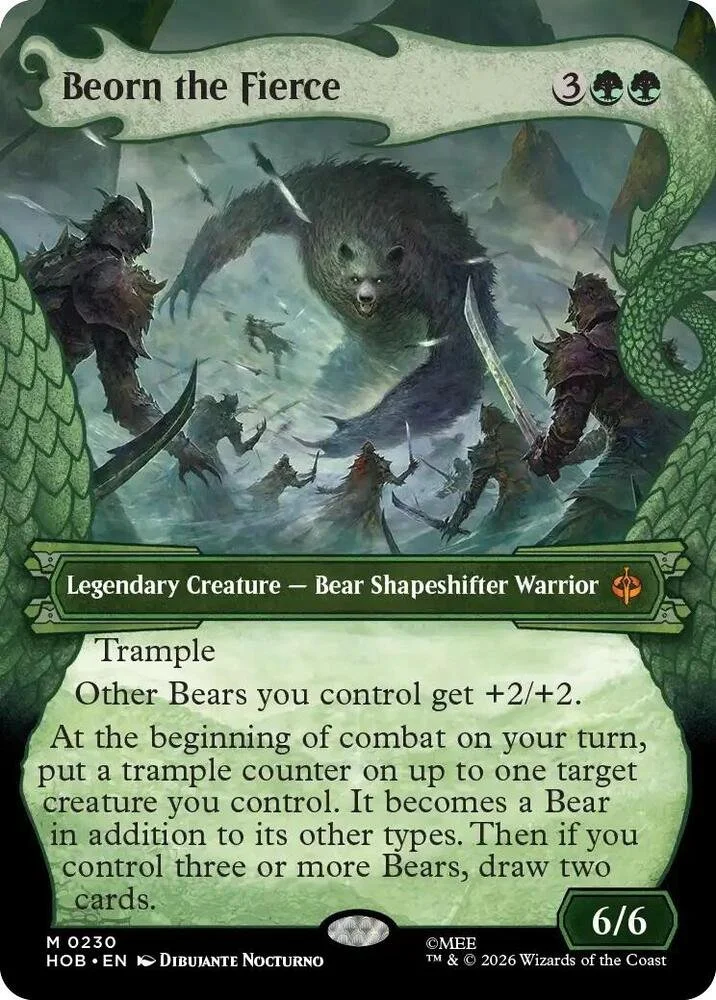
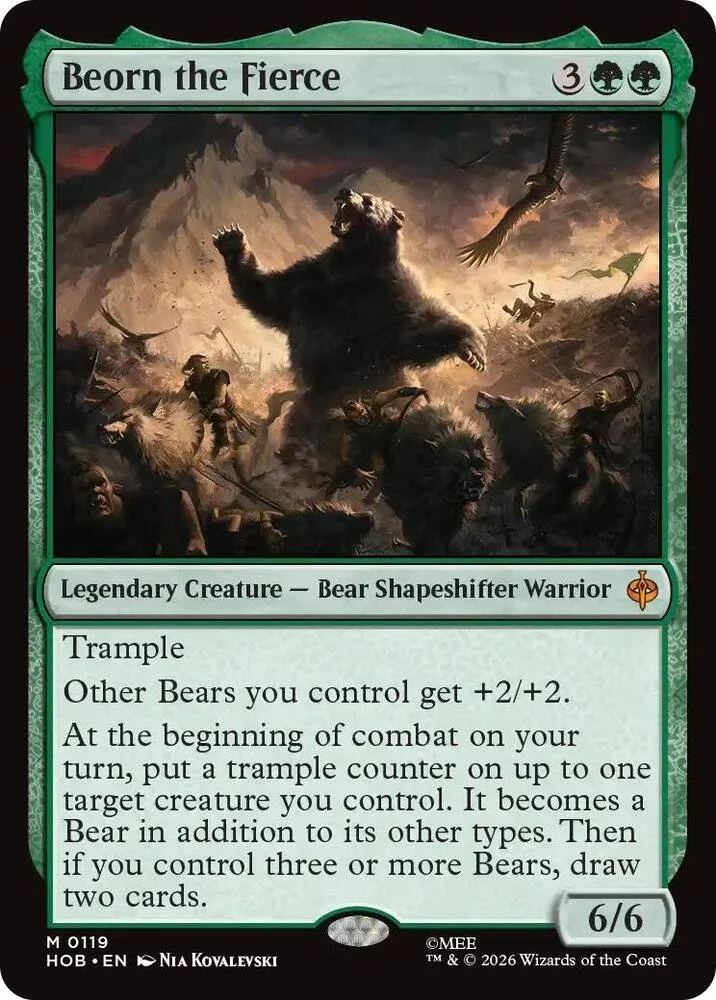
Beorn the Fierce is the simplest Commander in the set, and I mean that as a compliment. Fill the deck with Bears, make those Bears enormous, and attack.
For five mana, Beorn is a 6/6 with trample who gives your other Bears +2/+2. At the beginning of combat, he gives one creature a trample counter, permanently makes it a Bear in addition to its other types, and draws two cards if you control at least three Bears. This lets powerful green creatures like Ghalta, Primal Hunger and Ohran Frostfang join the family while keeping their original abilities.
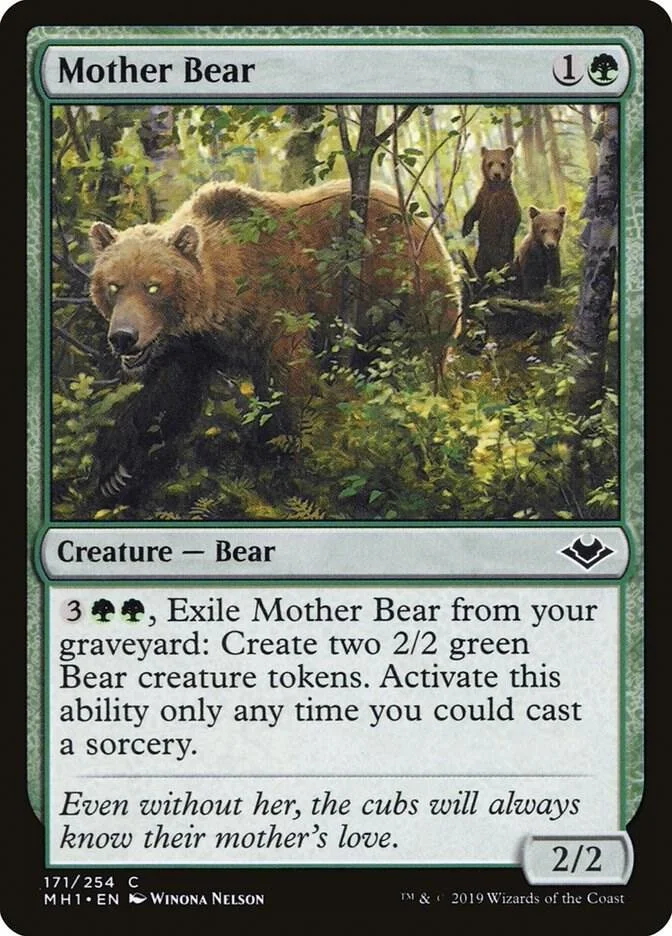
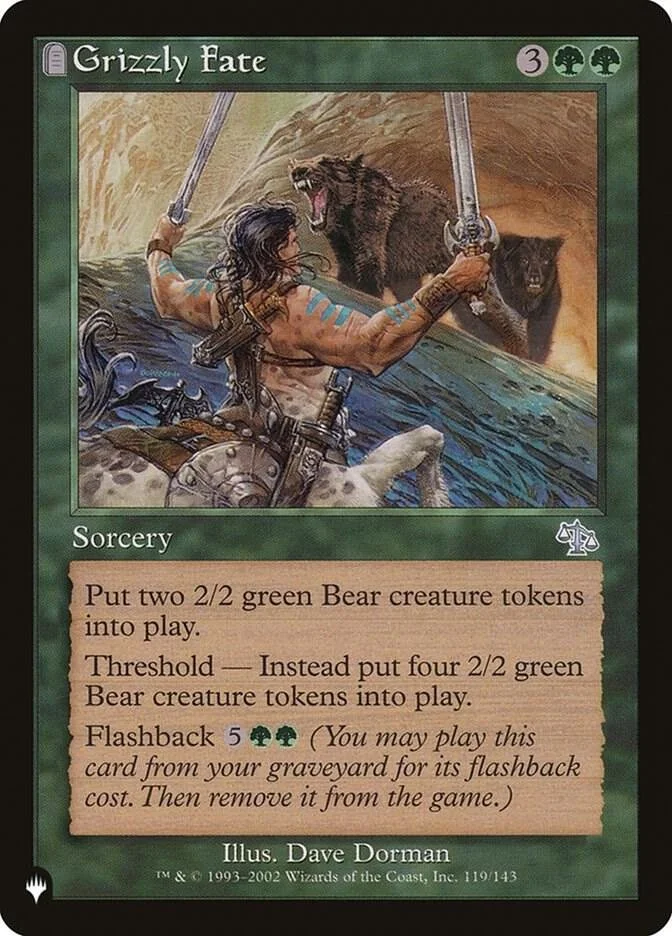
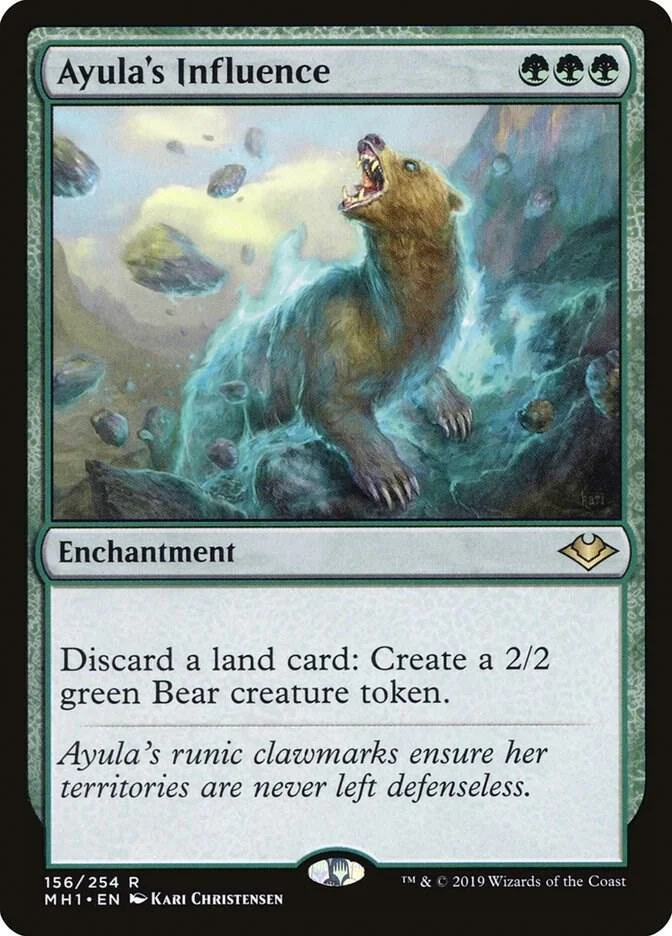
Ayula, Queen Among Bears is the most important typal payoff, placing counters on your Bears or letting them fight opposing creatures. Ayula’s Influence, Grizzly Fate, Mother Bear, and Caller of the Claw provide more bodies, while Dancing from Dark to Dawn creates Bears through Landfall and grows creatures whenever you cast something large. Changelings naturally qualify as Bears, giving the deck more options at every point on the curve.
The deck needs plenty of ramp for Beorn and its oversized threats. Nature’s Lore, Cultivate, mana Elves, Castle Garenbrig, and Mosswort Bridge help you reach the top of the curve. Beast Whisperer, Garruk’s Uprising, Ohran Frostfang, and Rishkar’s Expertise provide backup card draw whenever Beorn is unavailable.
Eventually, Beastmaster Ascension, Overwhelming Stampede, or Unnatural Growth turns the battlefield lethal. Trample is especially valuable with Ohran Frostfang because deathtouch allows you to assign only one damage to each blocker before sending the rest at the defending player.
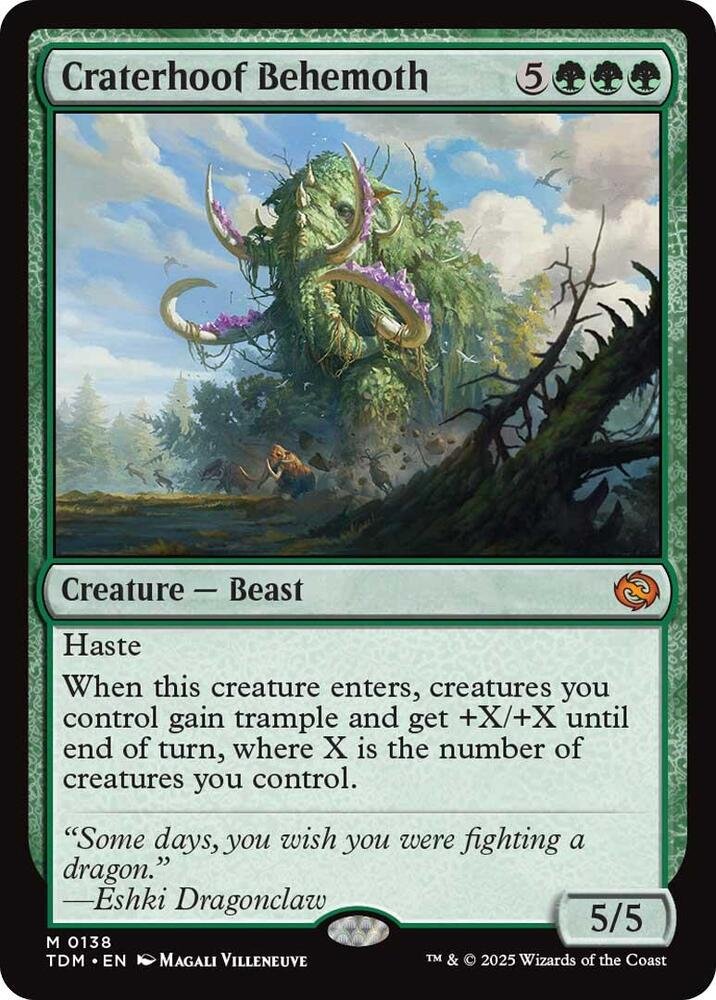
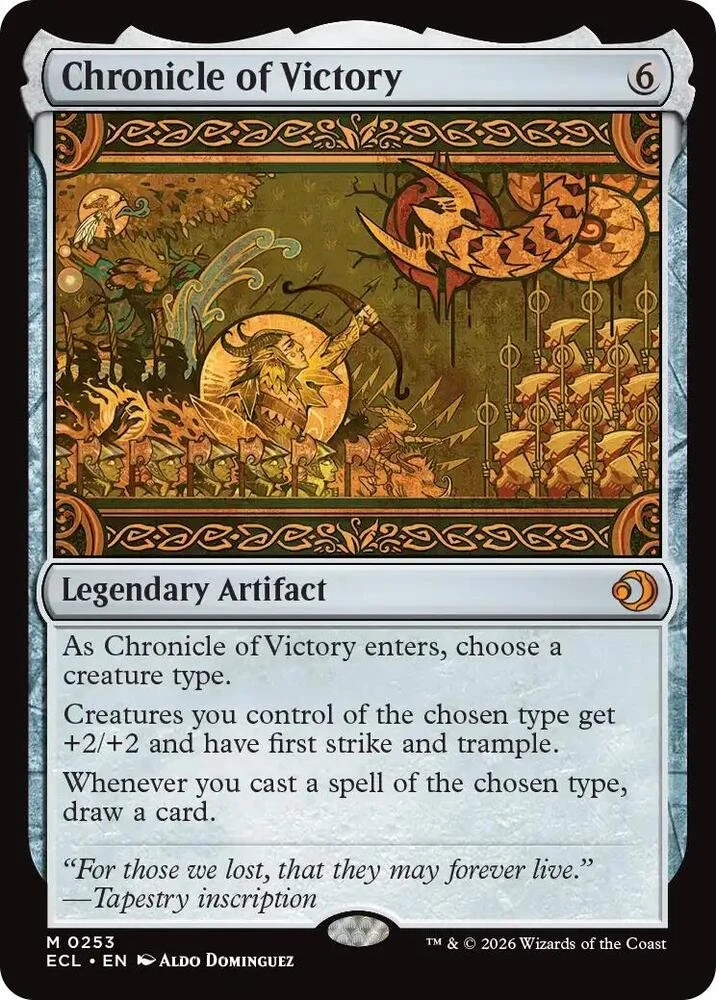
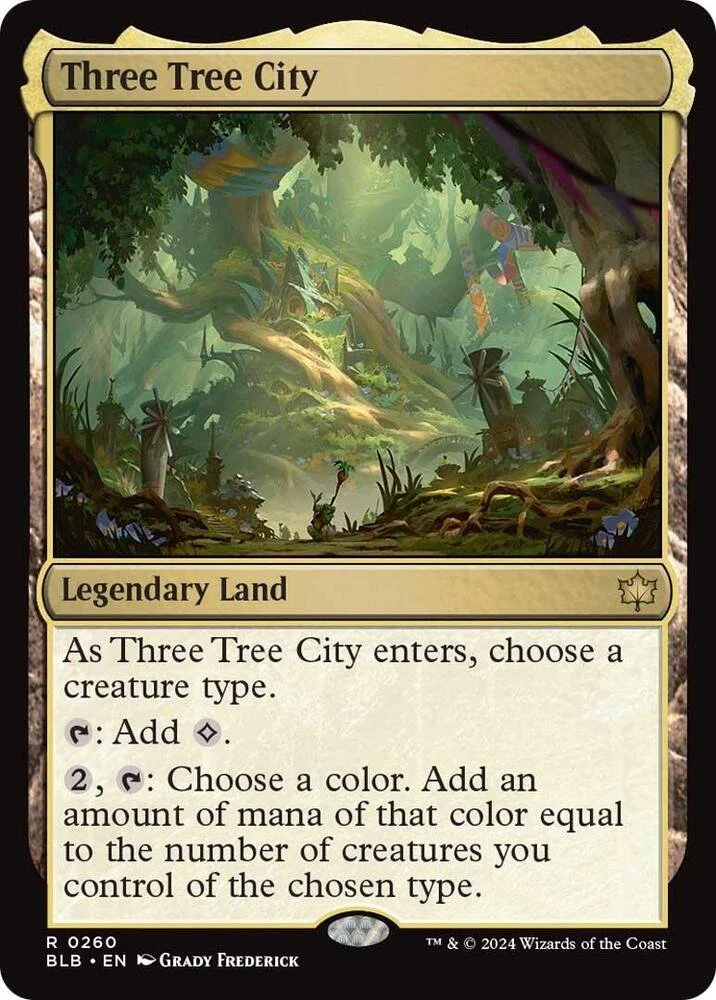
Craterhoof Behemoth is the obvious premium finisher. Chronicle of Victory provides a powerful Bear anthem and card draw, Three Tree City creates enormous amounts of mana, and The Banyan Tree offers mana, life, counters, and cards at a steep discount.
Sometimes Commander requires tutors and complicated loops. Sometimes you just need more Bears.
Example decklist: Mono-Green Beorn Bears
Best Multi-Colored Commanders
The multicolored Commanders draw heavily from The Hobbit’s Limited archetypes while opening several more focused constructed strategies.
Dwalin, Weaponmaster (Boros)
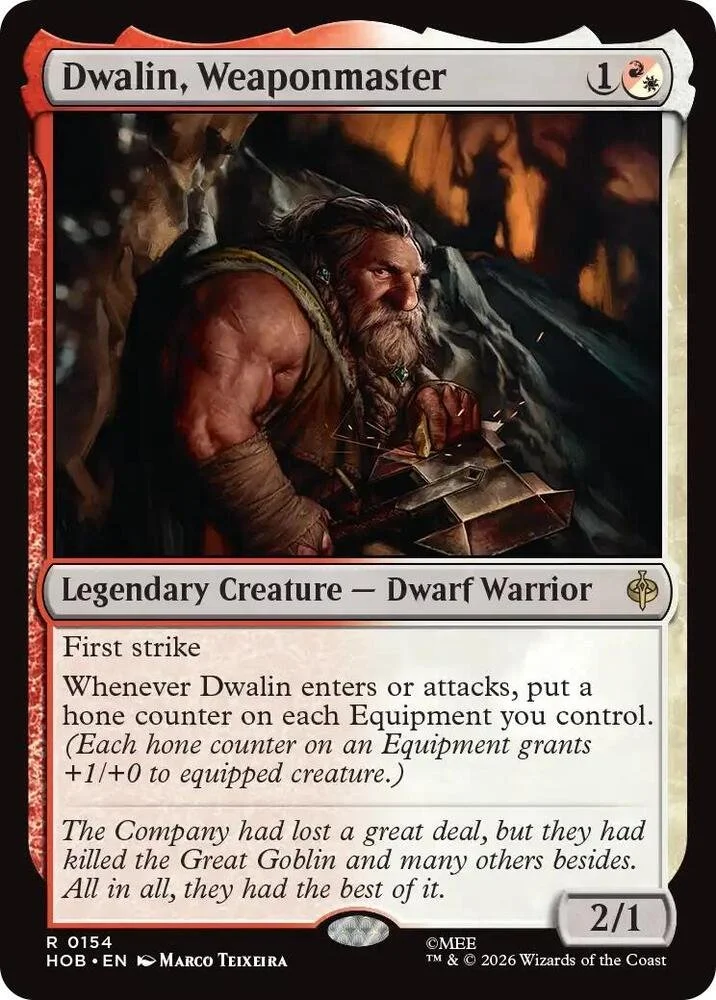
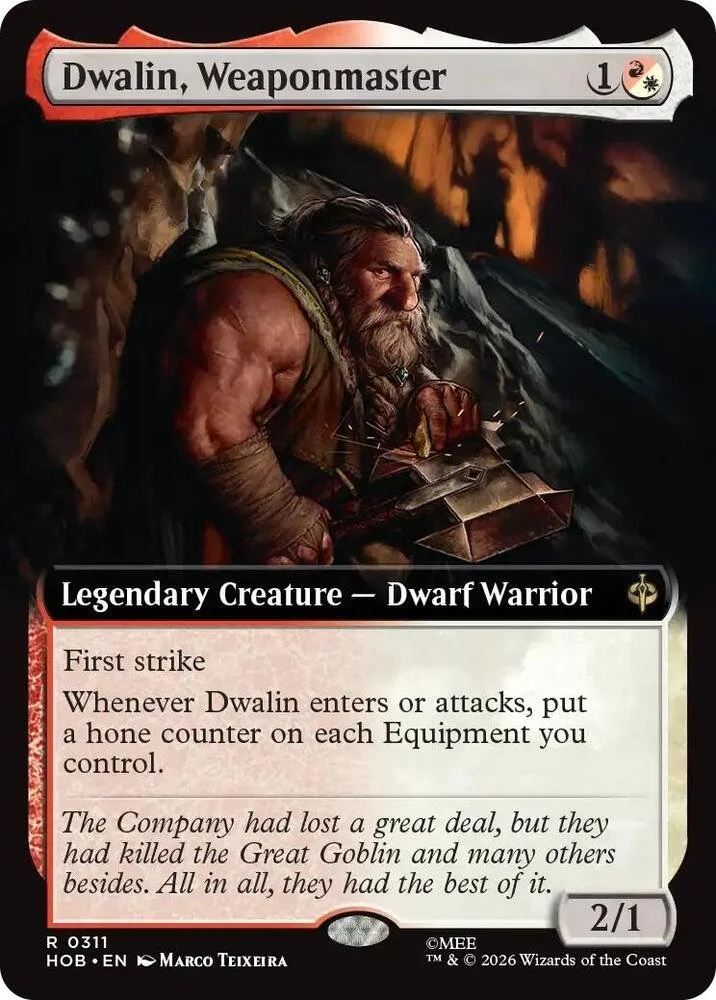
Dwalin combines Dwarf typal with Boros Equipment. Whenever he enters or attacks, every Equipment you control receives a hone counter, and each counter gives its equipped creature +1/+0. Those counters remain even if Dwalin dies or the Equipment moves, allowing your entire armory to become more dangerous over time.
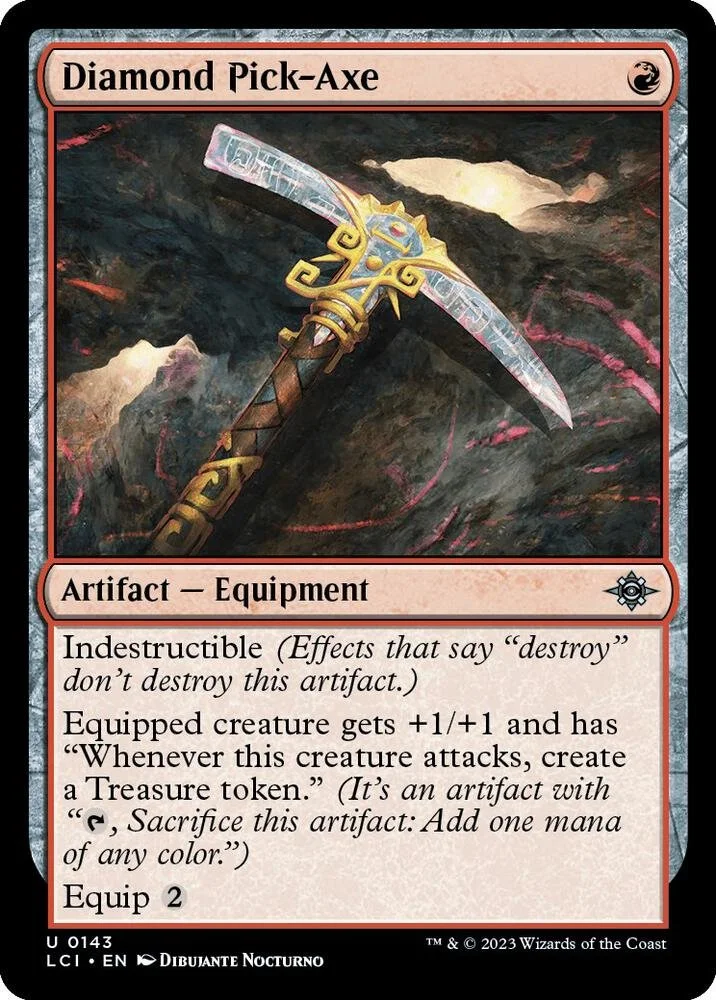
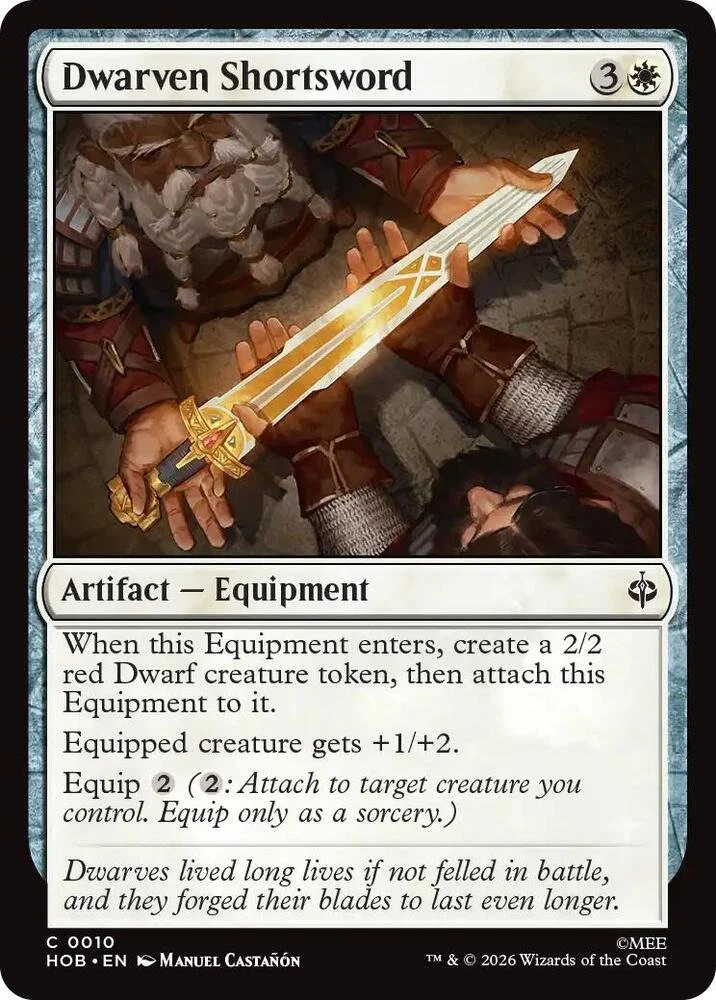
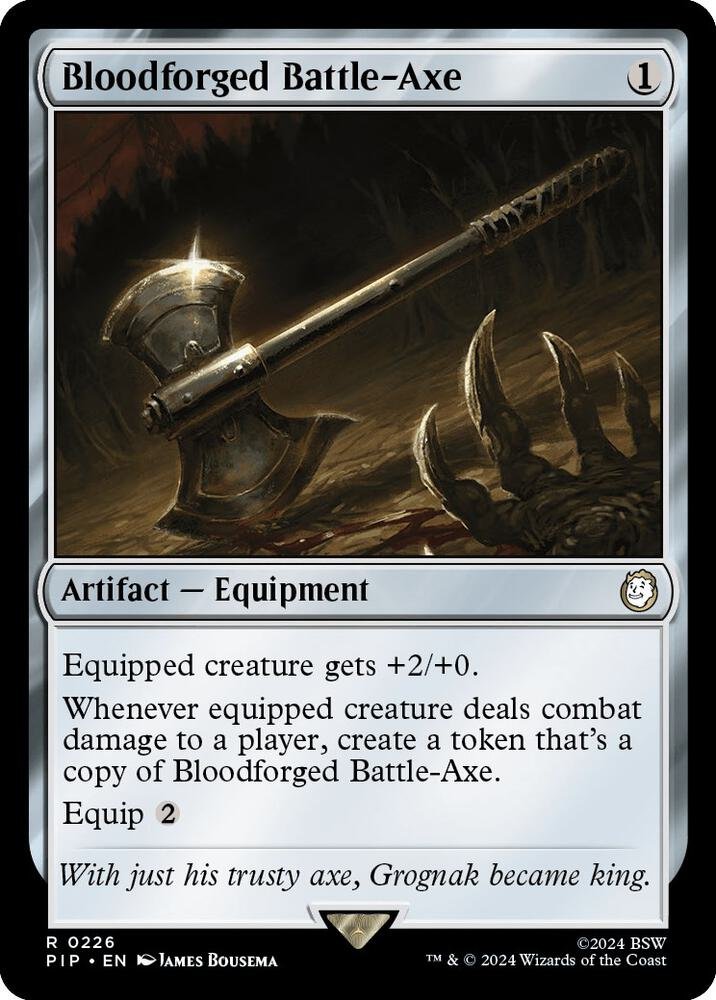
You can concentrate several weapons on Dwalin for a Voltron plan or distribute them across a Dwarf army. Bloodforged Battle-Axe is particularly fun because combat damage creates more copies for future Dwalin triggers. Cheap Equipment like Dwarven Shortsword, Goldvein Pick, and Diamond Pick-Axe become legitimate threats after accumulating several counters, while Colossus Hammer and Orcrist, Goblin-cleaver provide larger payoffs.
Fighter Class, Blacksmith’s Talent, Bruenor Battlehammer, and Koll, the Forgemaster reduce equip costs or protect your creatures. Steelshaper’s Gift and Open the Armory find whichever weapon you need, while Sram, Senior Edificer keeps the cards moving.
The Dwarf package is equally important. Magda, Brazen Outlaw generates Treasures whenever your Dwarves attack and can turn five of them into your best artifact. Thorin, King of Durin’s Folk creates more Treasures and strengthens Dwarves based on your artifact tokens. Once you have an enduring story, Bifur, Melodic Rider can double Dwalin’s triggers, placing two hone counters on every Equipment whenever your Commander enters or attacks.
Boros Charm protects the armory or gives an enormous attacker double strike. The deck can eliminate players through Commander damage or spread its sharpened weapons across multiple Dwarves to avoid relying on one creature.
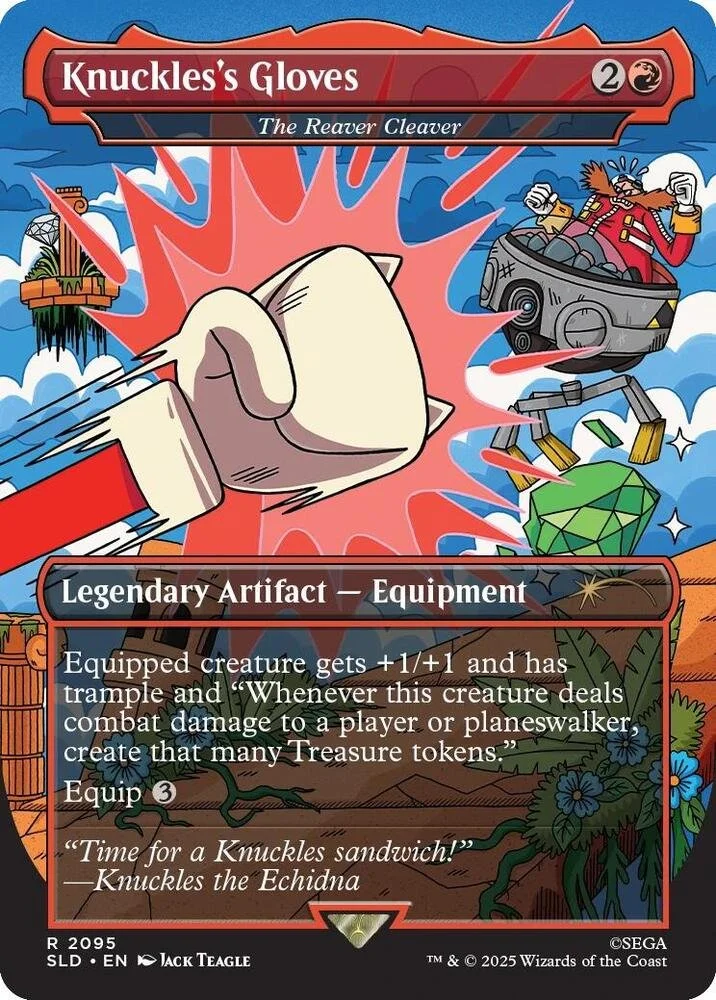
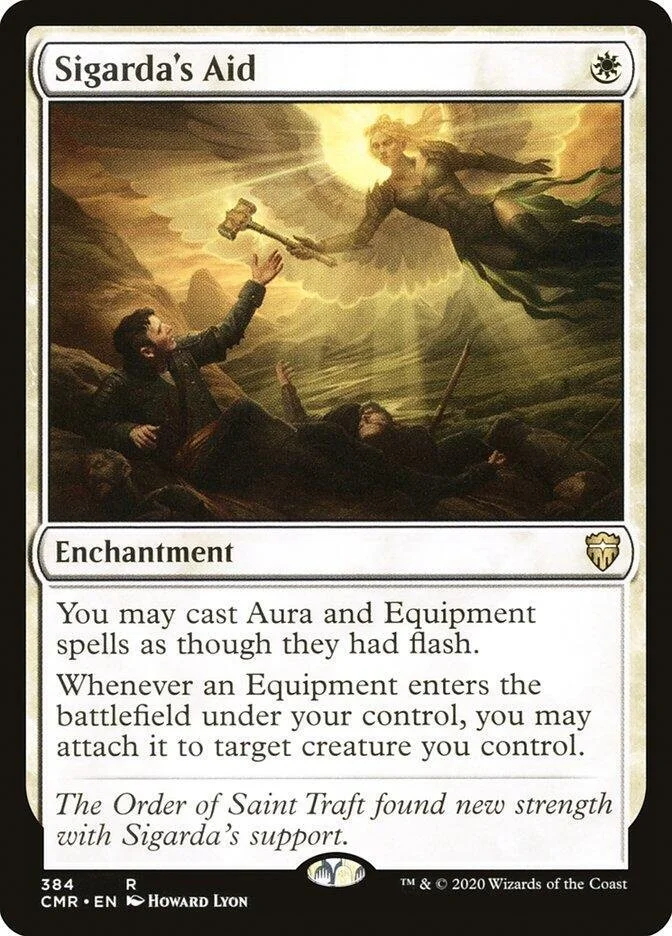
For larger budgets, Sigarda’s Aid removes much of the deck’s setup cost by granting Equipment flash and attaching each new weapon for free. Mithril Coat protects Dwalin, while Knuckles’s Gloves converts his growing power into a huge pile of Treasures.
Dwalin does not reinvent Boros Equipment, but hone counters give the strategy a satisfying way to scale. Play Dwarves, equip weapons, and keep sharpening until something breaks.
Example decklist: Boros Dwalin Hone Counters
Bard, King of Dale (Azorius)
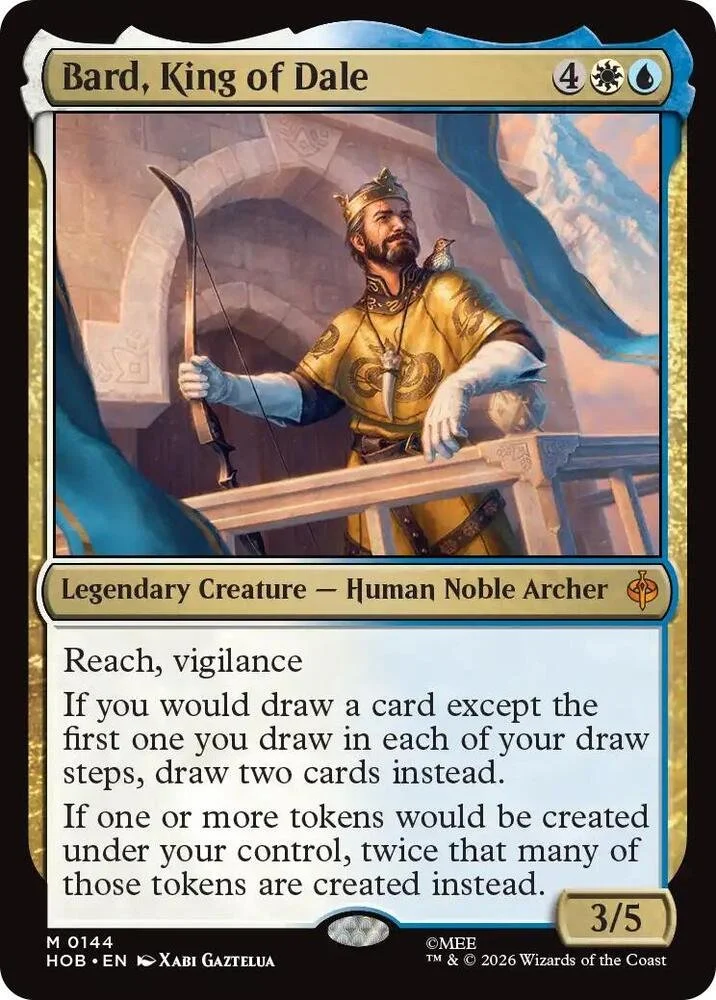
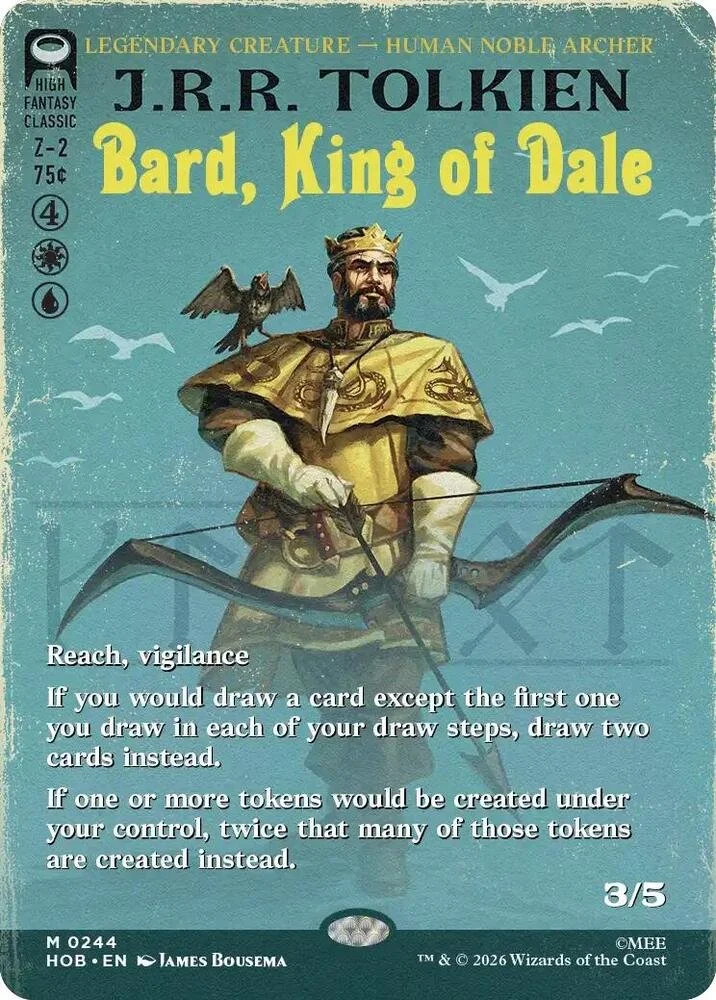
Bard, King of Dale doubles every token you create and every card you draw beyond the first card of your draw step. That makes him a more expensive but incredibly explosive token Commander, combining white’s army-building with blue’s card draw and protection.
Recruit uses both sides of Bard perfectly. Normally, it draws a card, discards a card, and creates a 1/1 Human Soldier if you discarded a nonland card. With Bard, you draw two, discard one, and create two Soldiers. Lake-town Lookout, Patient Instructor, Ravenhill Flock, Esgaroth Garrison, and Bard’s Company turn routine card filtering into card advantage and a growing army.
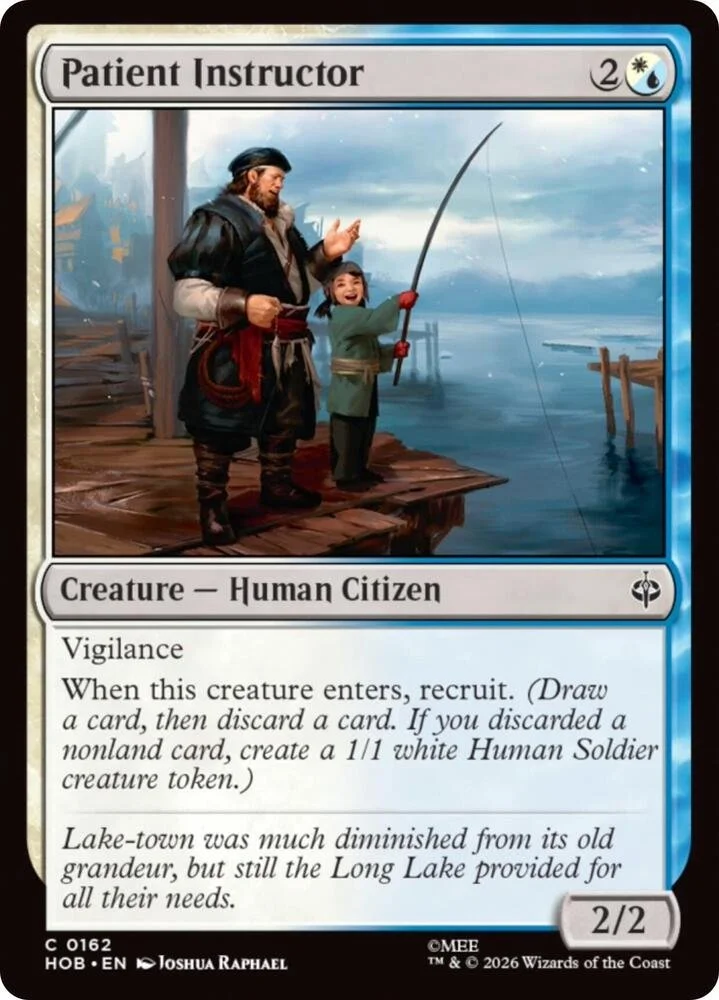
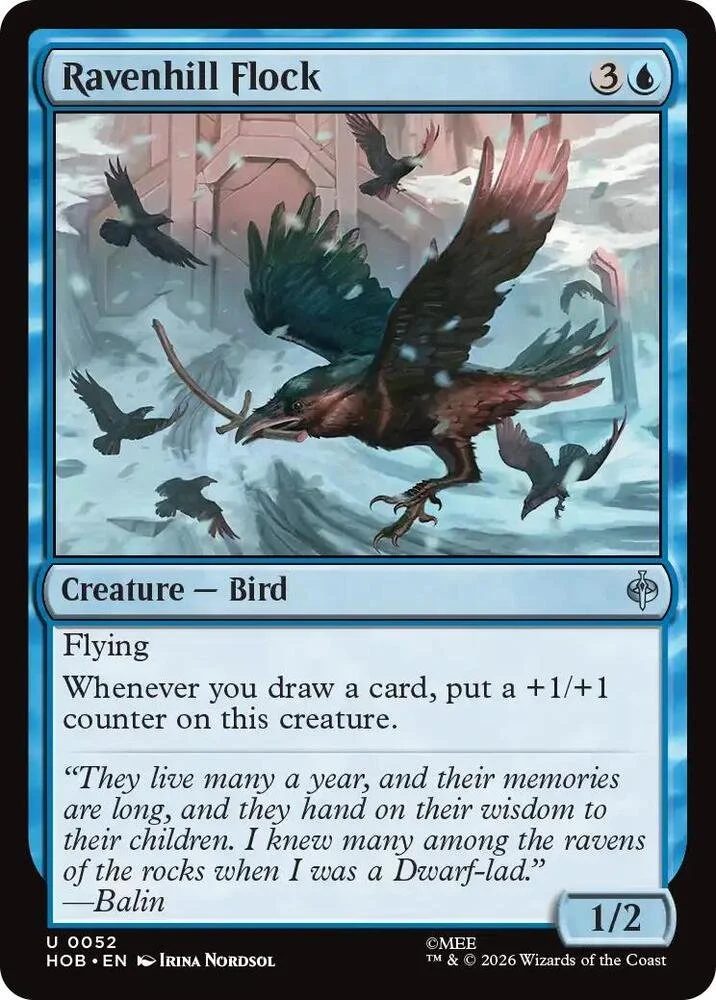
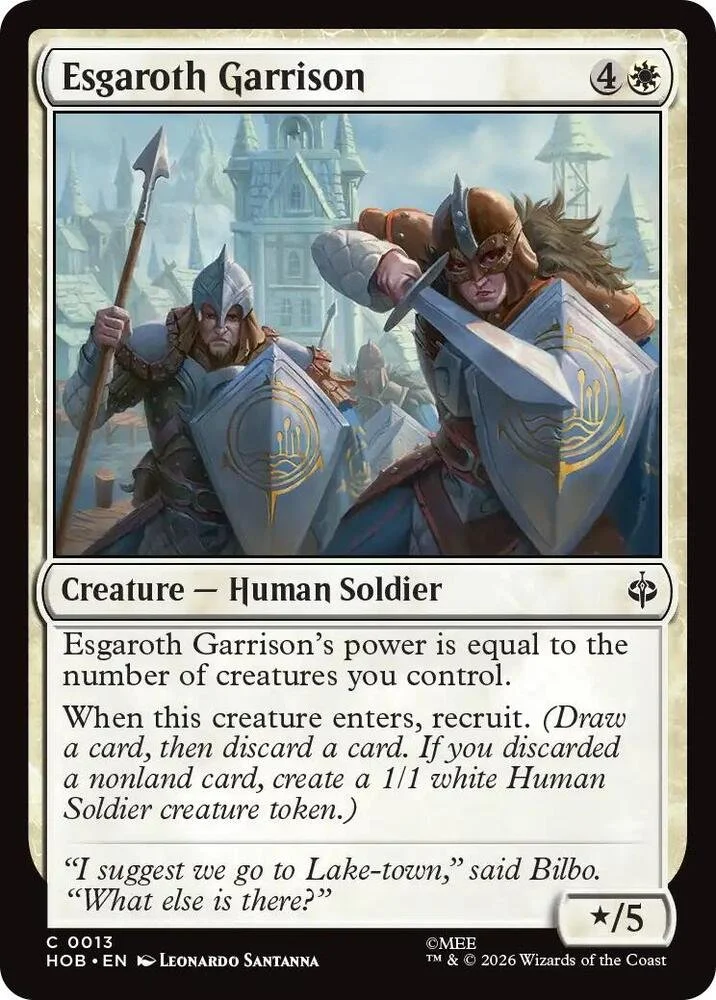
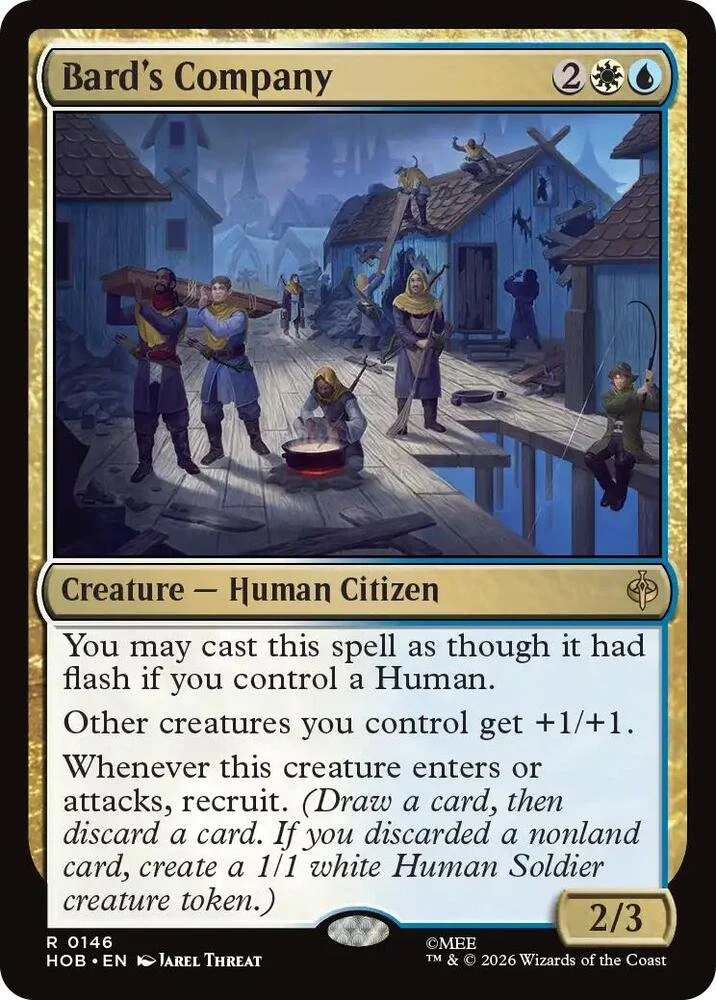
Adeline, Resplendent Cathar, Horn of Gondor, Faramir, and Caretaker’s Talent supply additional tokens. Brainstorm, Ponder, Arwen’s Gift, and Faerie Mastermind benefit from the draw replacement, while Alandra, Sky Dreamer, Prince Imrahil the Fair, Chasm Skulker, and Mischievous Mystic turn those extra cards into even more creatures. Teferi’s Ageless Insight can combine with Bard to turn one additional draw into four cards, so watch your library carefully.
Bard costs six mana and immediately becomes a removal target. Lightning Greaves and efficient counterspells are essential, while Reliquary Tower and Thought Vessel prevent the deck from discarding its oversized hand. Moonshaker Cavalry is the cleanest finisher, turning a massive token board into a flying lethal attack.
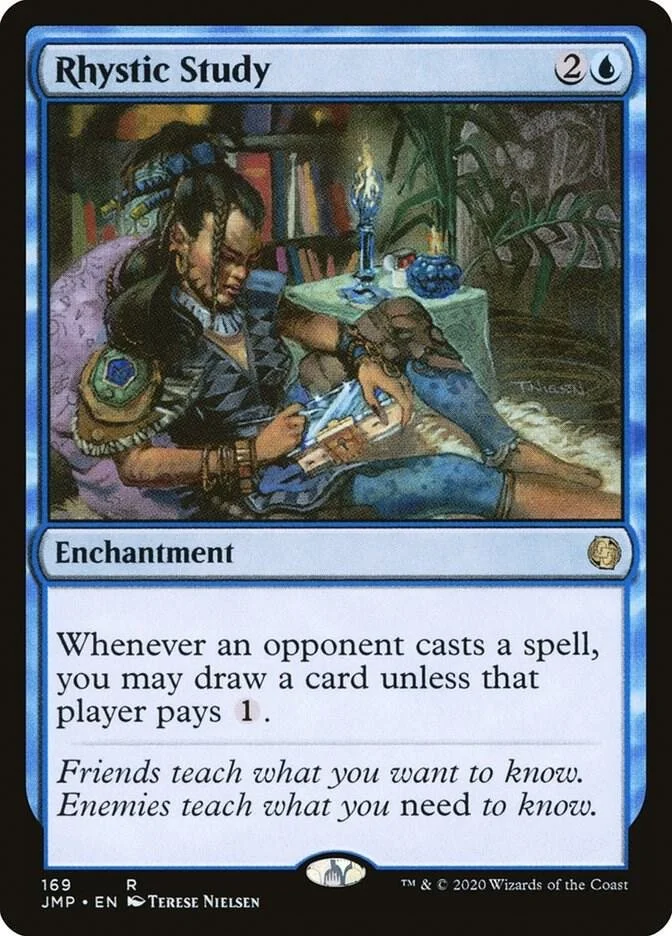
Elspeth, Storm Slayer is an excellent premium upgrade because Bard and Elspeth can turn one token into four. Smothering Tithe produces doubled Treasures, while Esper Sentinel and Rhystic Study draw two cards from every successful trigger.
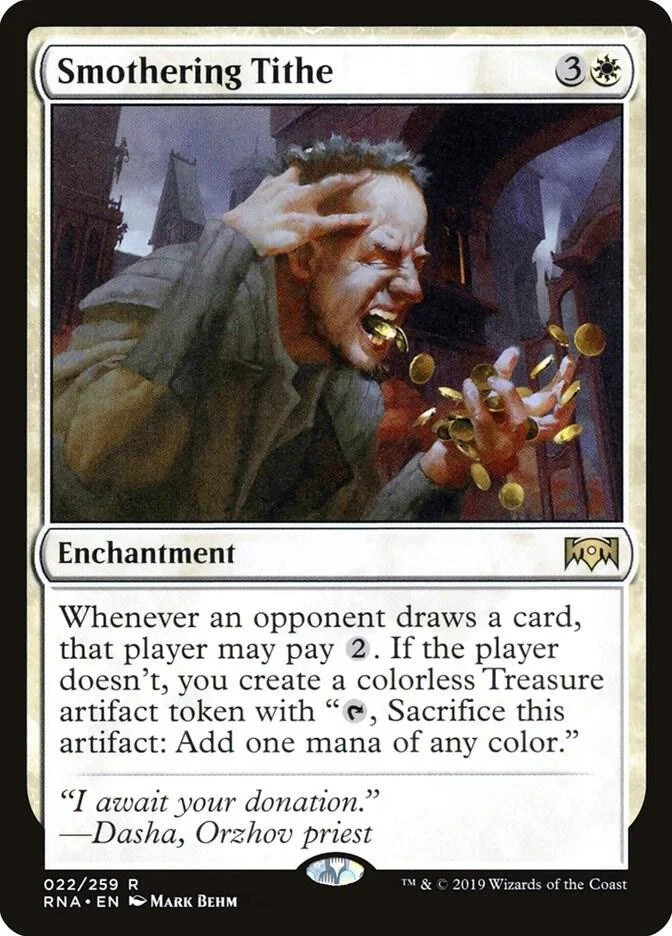
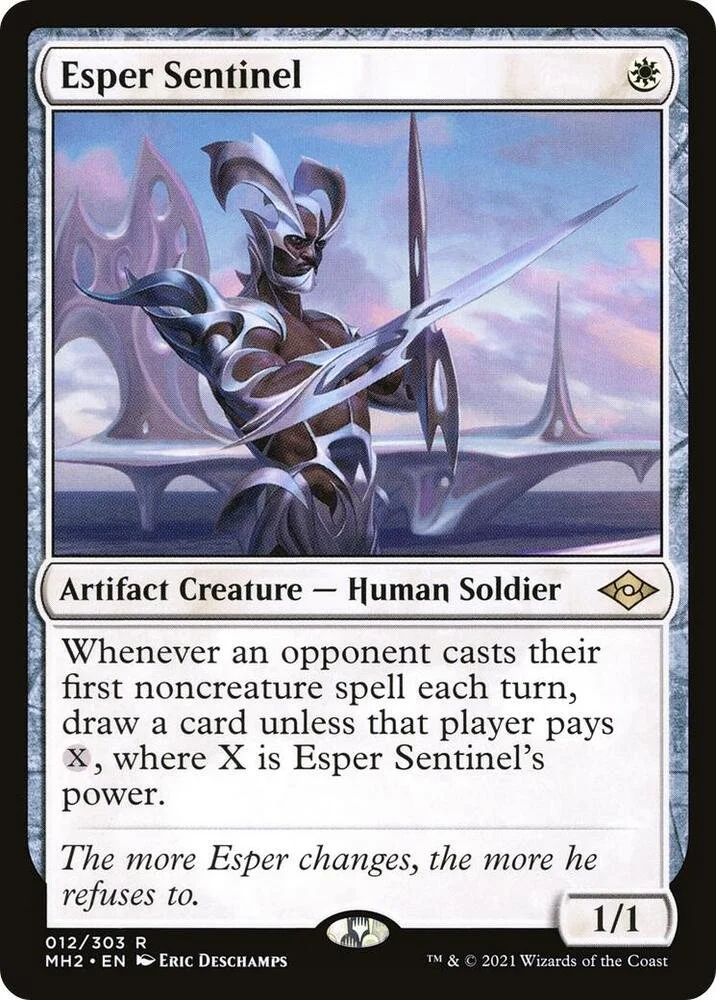
Bard supplies two of the strongest effects a token deck could want directly from the command zone. Recruit an army, double everything, and try not to draw your entire library before the Soldiers finish the job.
Example decklist: Azorius Bard Tokens
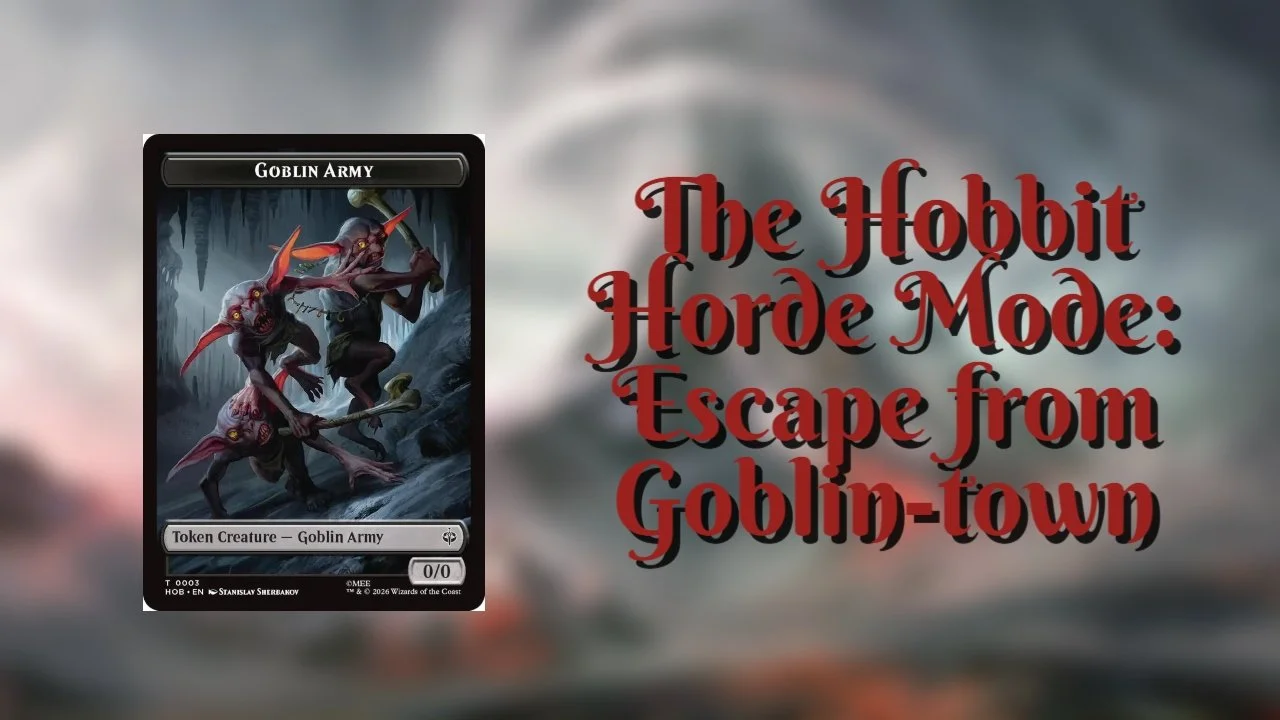
The Great Goblin (Rakdos)
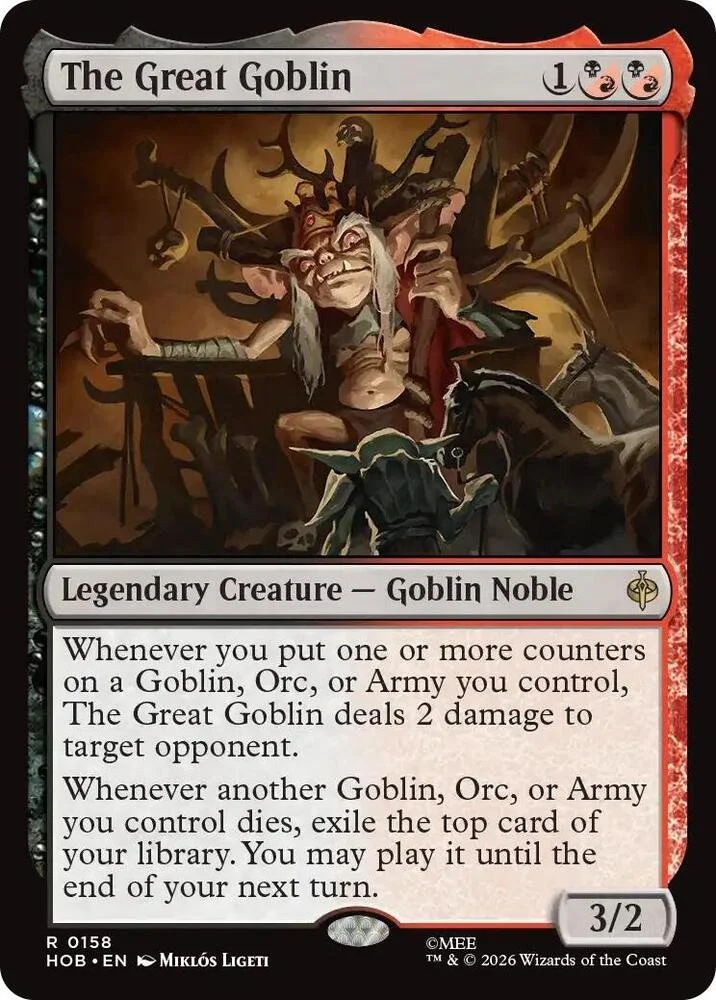
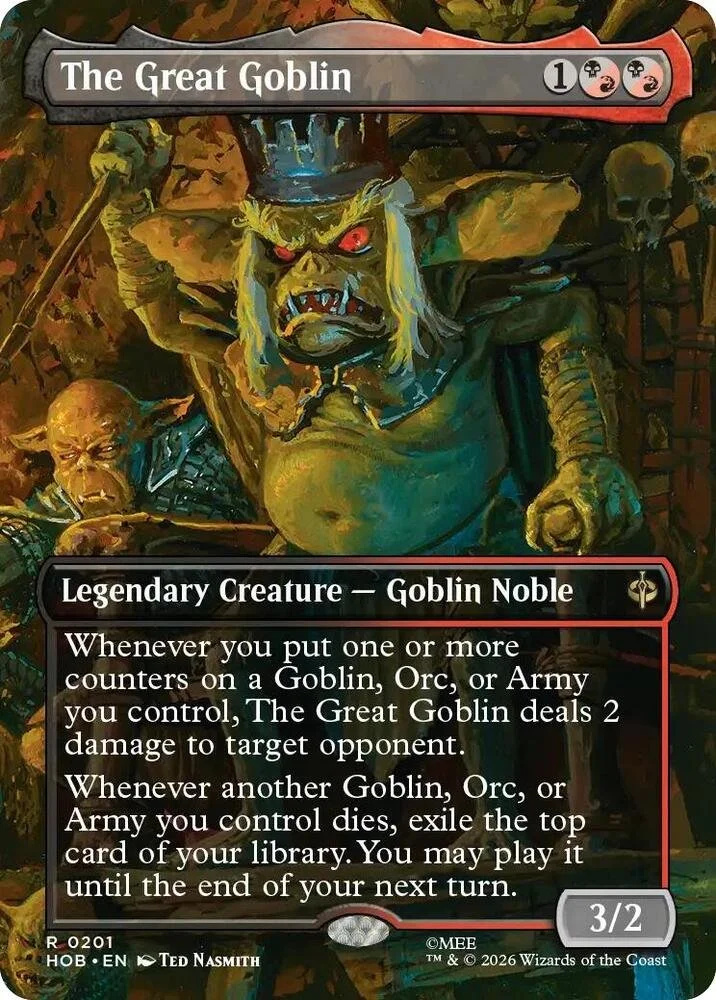
The Great Goblin can lead a normal Rakdos Goblin sacrifice deck, but this version mixes a go-wide Goblin strategy with Amass. Small Goblins provide expendable attackers and blockers while your Amass effects create one enormous Goblin Orc Army.
Whenever counters are placed on a Goblin, Orc, or Army you control, The Great Goblin deals 2 damage to an opponent. Every Amass trigger therefore grows your Army and burns the table, no matter how many counters it adds. Tidings of War, Foray of Orcs, Swarming of Moria, Mordor Muster, Misty Mountains Raider, and March from the Black Gate keep those triggers coming. Mauhúr, Uruk-hai Captain adds extra counters, while Uglúk of the White Hand grows whenever your creatures die and triggers your Commander in the process.
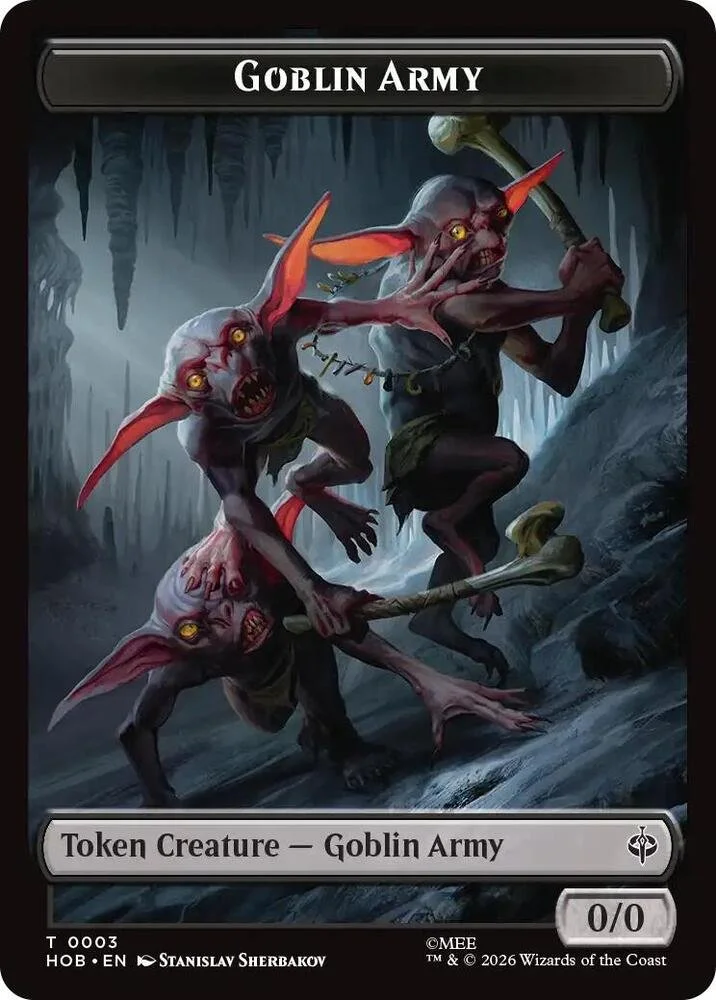
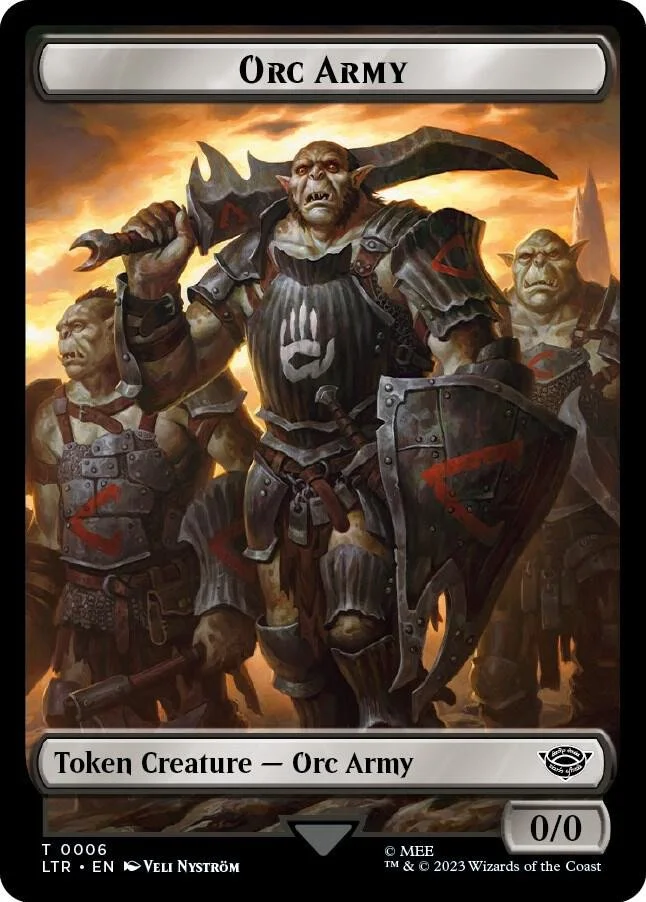
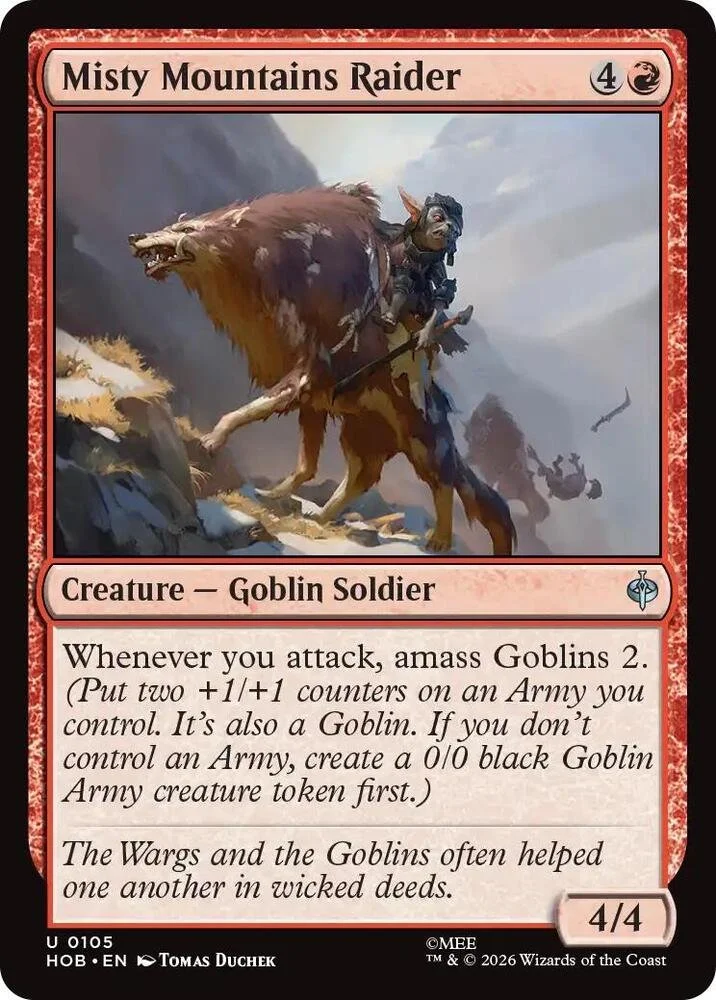
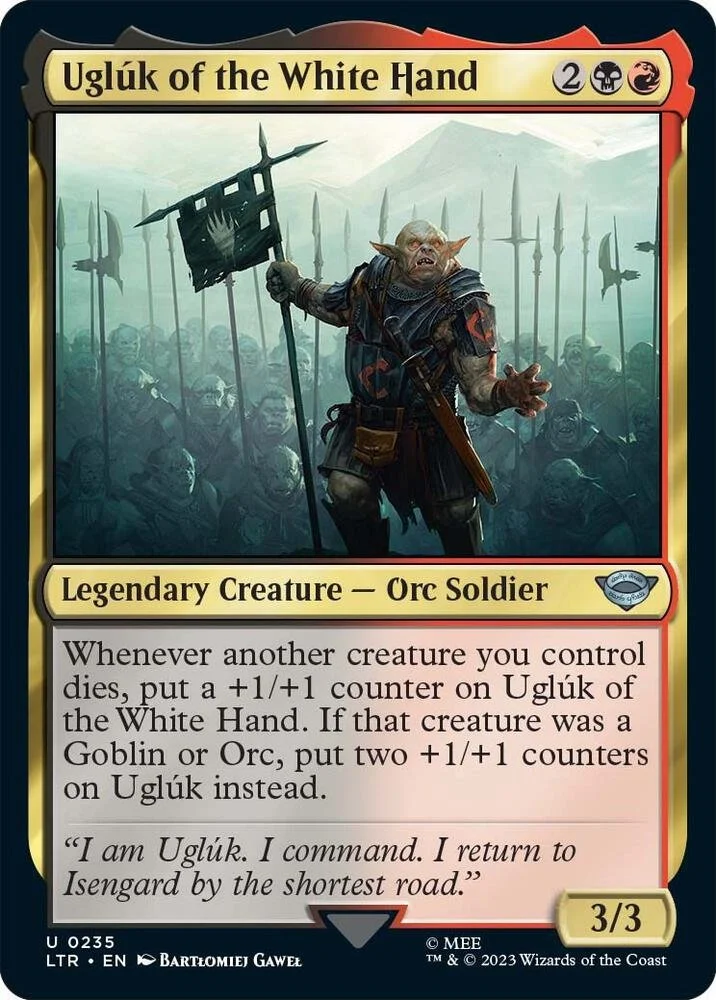
Amass usually builds one tall Army rather than a wide board. Krenko, Mob Boss, Goblin-town, and the rest of the Goblin package provide the width. That lets the deck pressure opponents with many small creatures while one massive Army becomes increasingly difficult to block.
Those Goblins remain useful when they die. The Great Goblin exiles the top card of your library whenever another Goblin, Orc, or Army you control dies, and you may play it until the end of your next turn. Skirk Prospector converts expendable creatures into mana, while Boggart Cursecrafter turns their deaths into damage. Widespread Brutality can grow your Army and use it to clear the rest of the battlefield, with your casualties replacing themselves through the Commander.
Great Goblin, Foul-Hearted is the strongest premium upgrade because it repeatedly amasses and gives your Armies trample. Orcish Bowmasters supplies another instant-speed Amass trigger, and Agadeem’s Awakening helps rebuild after a wipe.
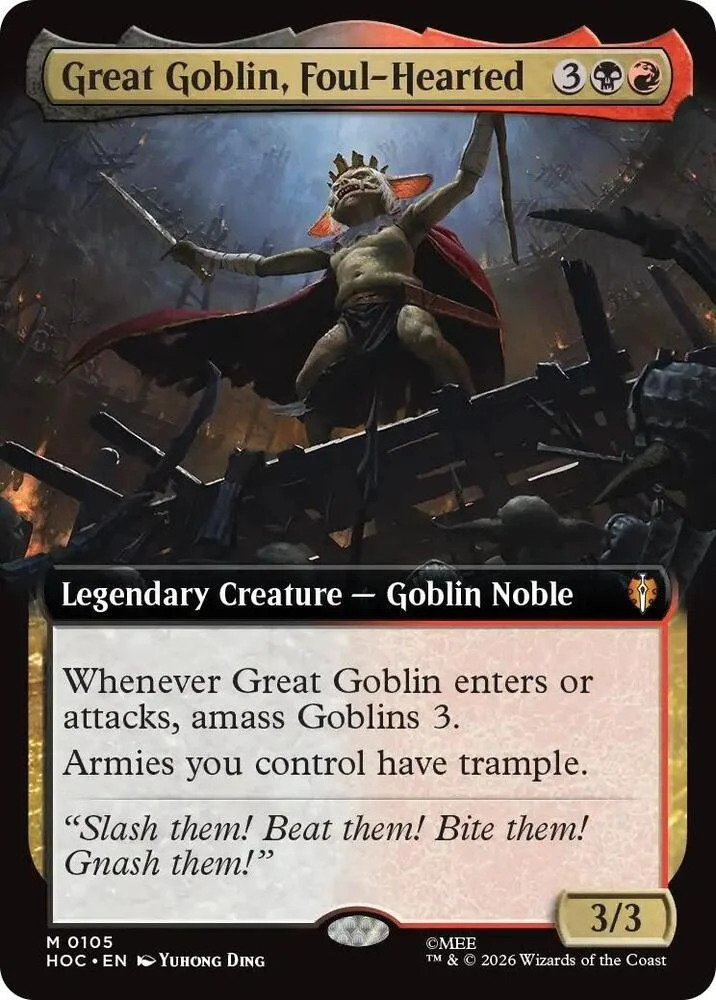
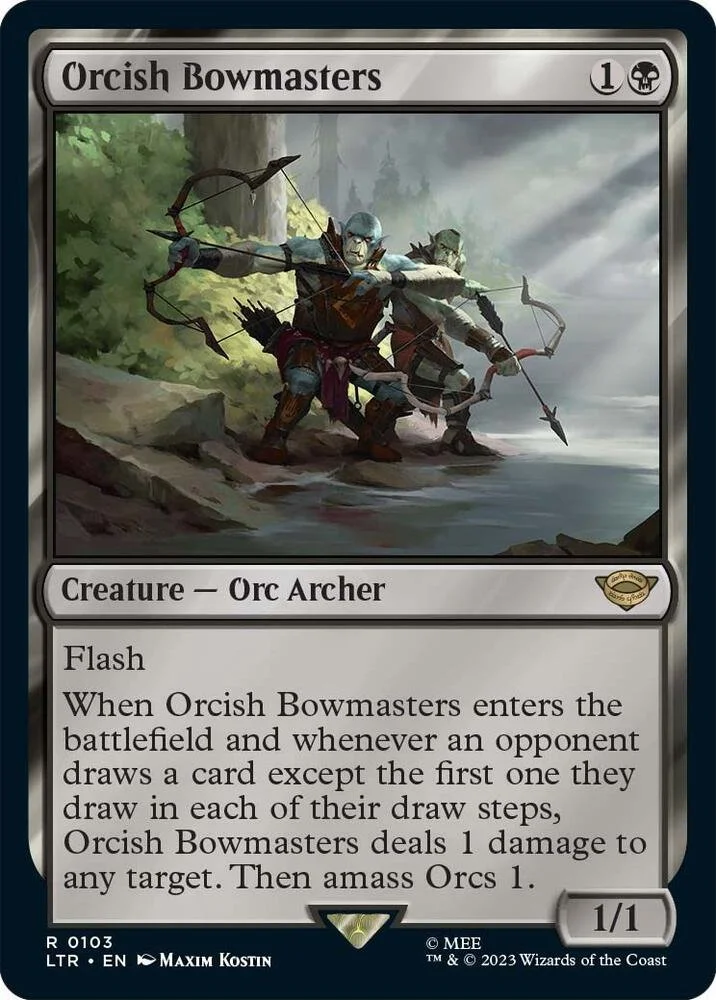
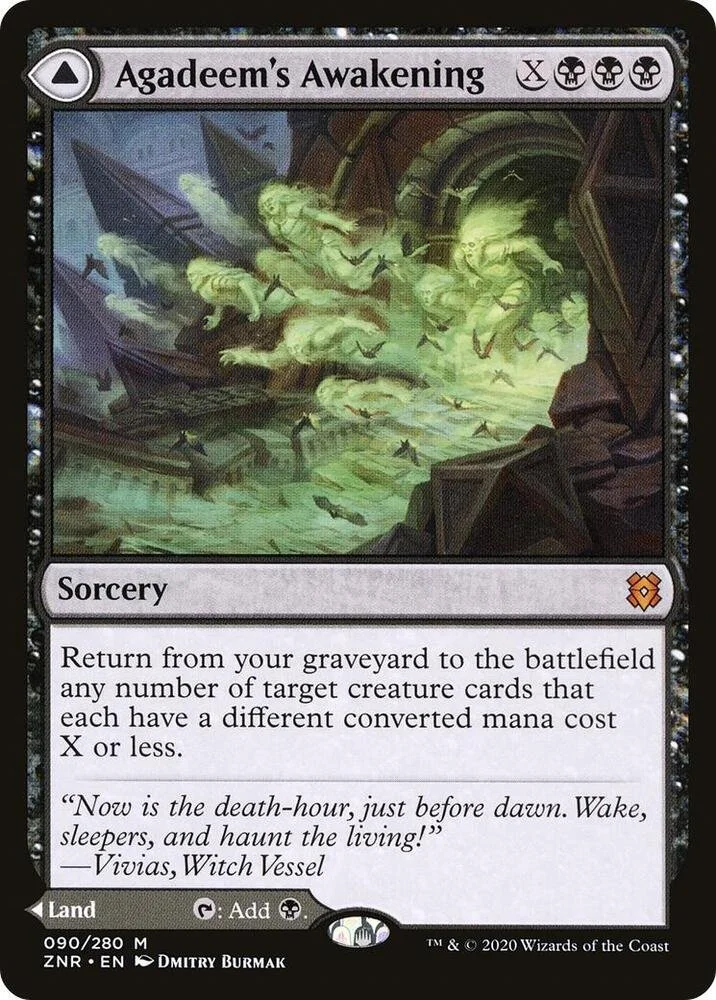
Go wide with Goblins, build one enormous Army, and make sure every creature remains valuable even after it dies.
Example decklist: Rakdos Great Goblin Armies
Thranduil, Sindarin Liege (Simic)
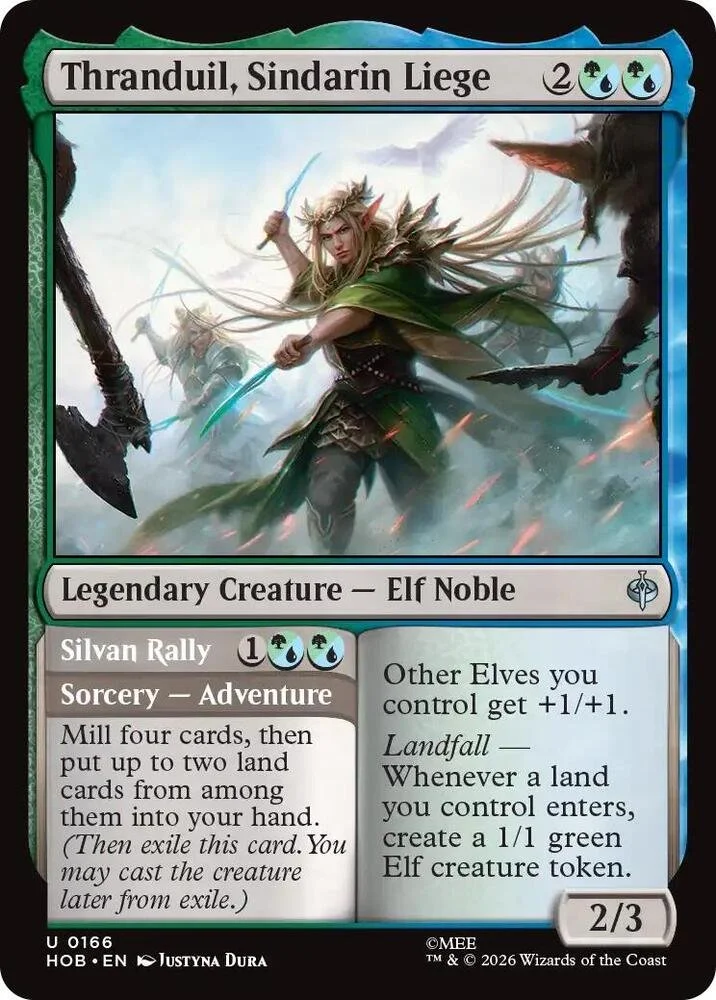
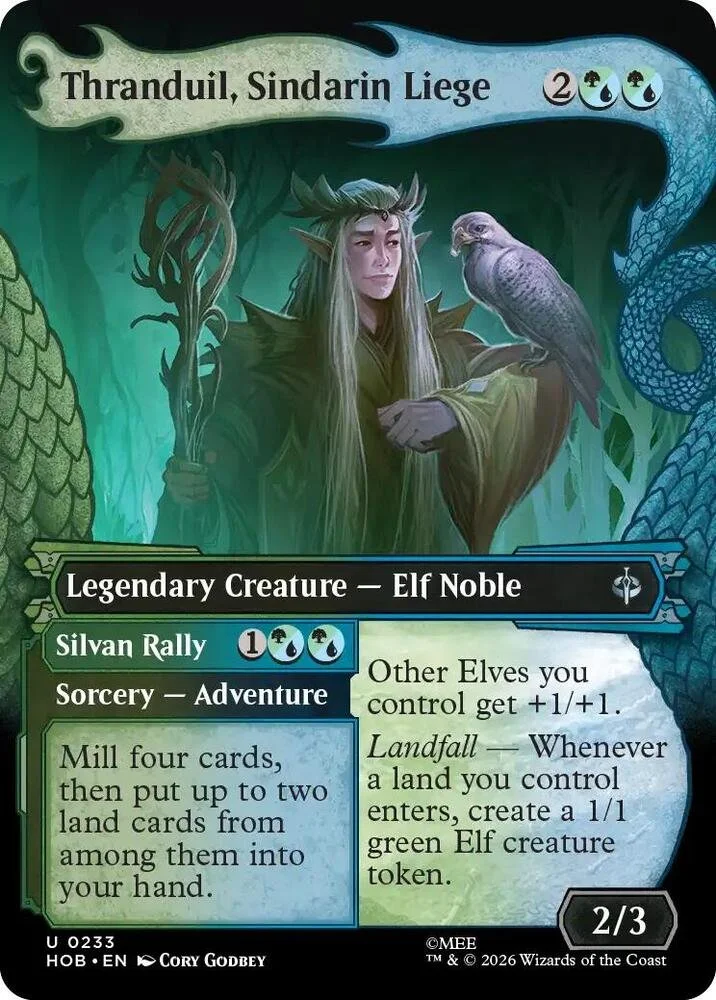
Thranduil could lead an Elf typal deck, but his best identity may be Simic Landfall. His Adventure, Silvan Rally, mills four cards and returns up to two lands from among them to your hand. Once Thranduil enters, every land creates a 1/1 Elf token, and his anthem immediately makes those tokens larger.
The deck wants multiple land entries every turn. Cultivate, Harrow, Entish Restoration, Growth Spiral, and Explore accelerate your mana, while Dryad of the Ilysian Grove, Oracle of Mul Daya, Case of the Locked Hothouse, and Thranduil’s Company grant additional land plays. Fetch-style lands such as Evolving Wilds and Elven Passage produce two triggers, and Conduit of Worlds lets you reuse them from the graveyard.
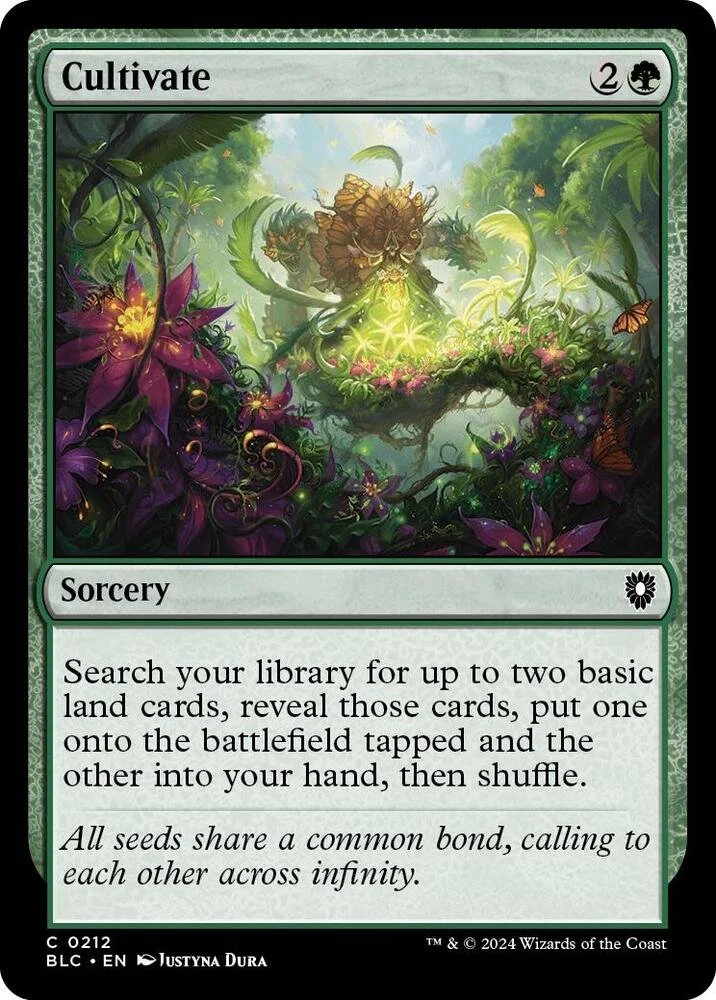
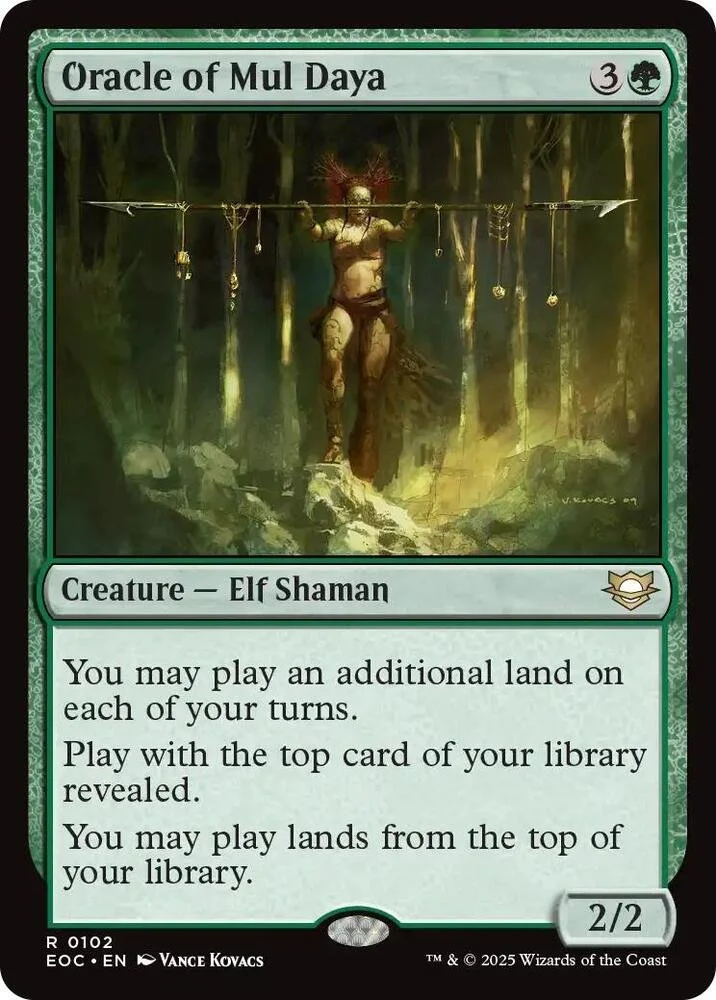
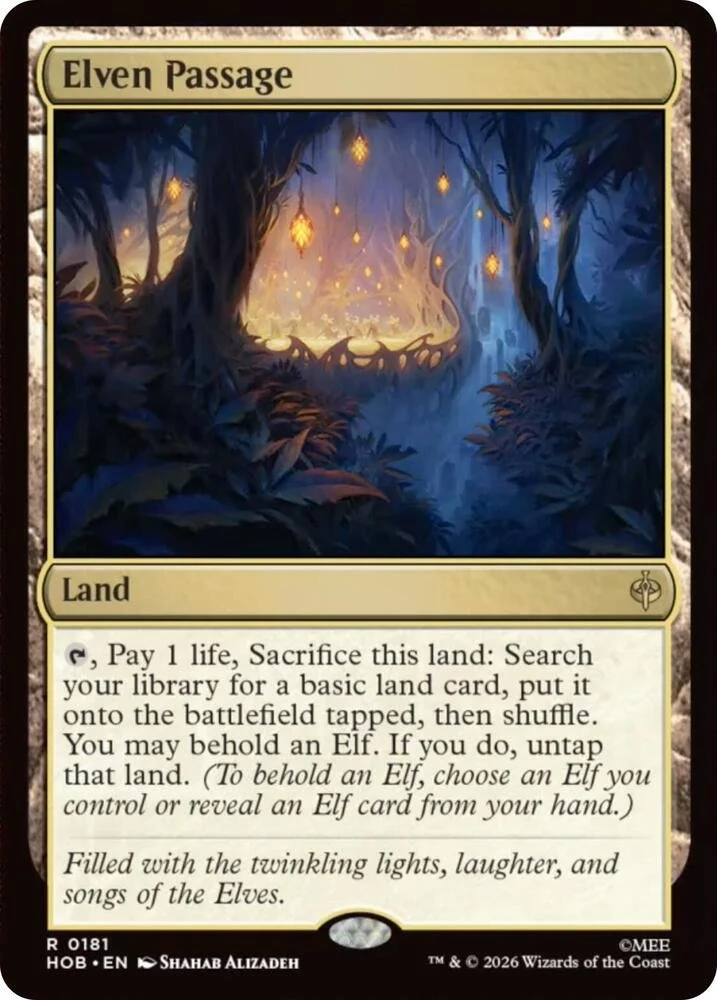
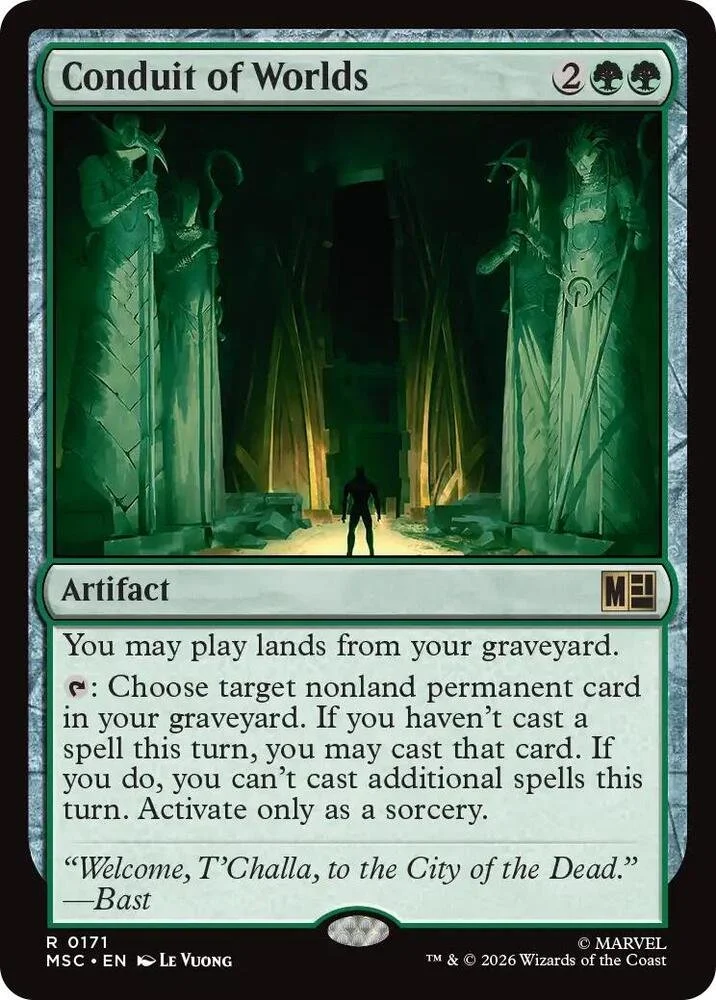
Additional Landfall payoffs keep the engine moving. Tatyova, Benthic Druid draws cards and gains life, Beorn’s Hospitality adds counters, and Dancing from Dark to Dawn creates a Bear beside every Elf. Thranduil the Strategist effectively doubles your token production while turning your Elves into mana creatures. Cryptolith Rite, Elven Chorus, Elvish Archdruid, Priest of Titania, and Marwyn, the Nurturer provide similar acceleration once the token army grows.
The deck wins by converting land drops into an overwhelming battlefield, then strengthening those tokens with Thranduil’s anthem and traditional Elf payoffs. Save fetch lands when possible until your Commander is in play, and use instant-speed ramp to create surprise blockers during opposing turns.
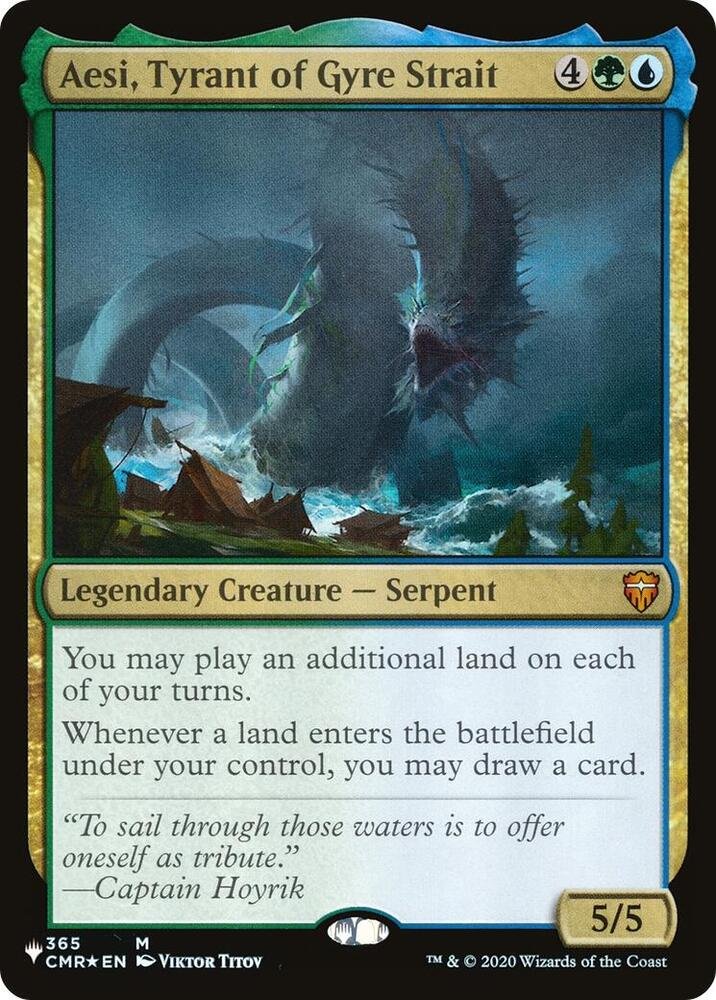
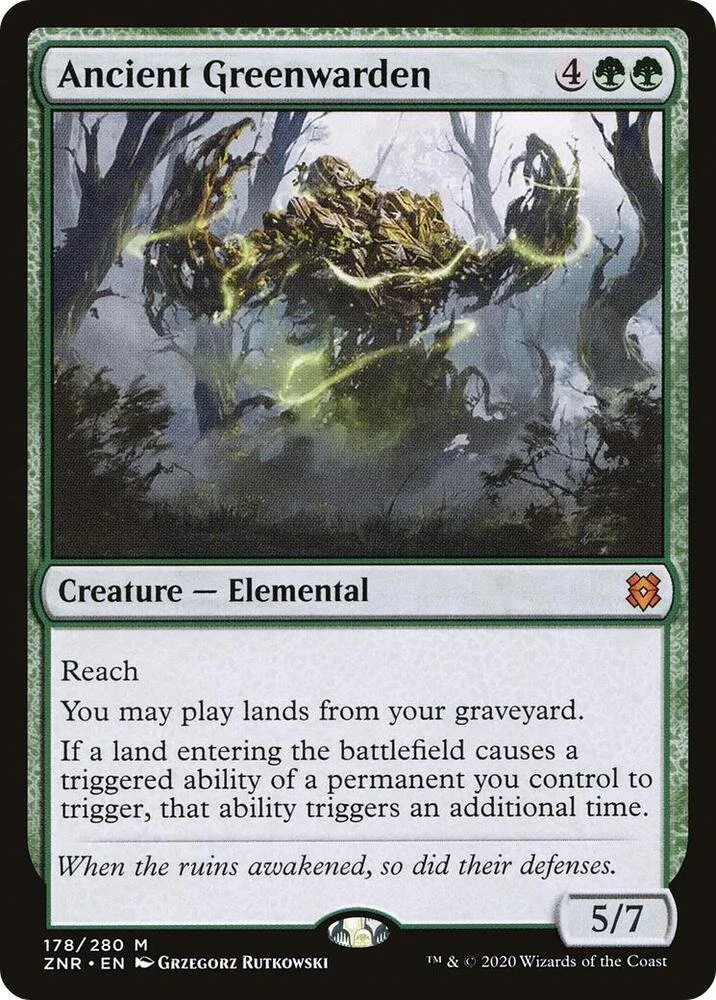
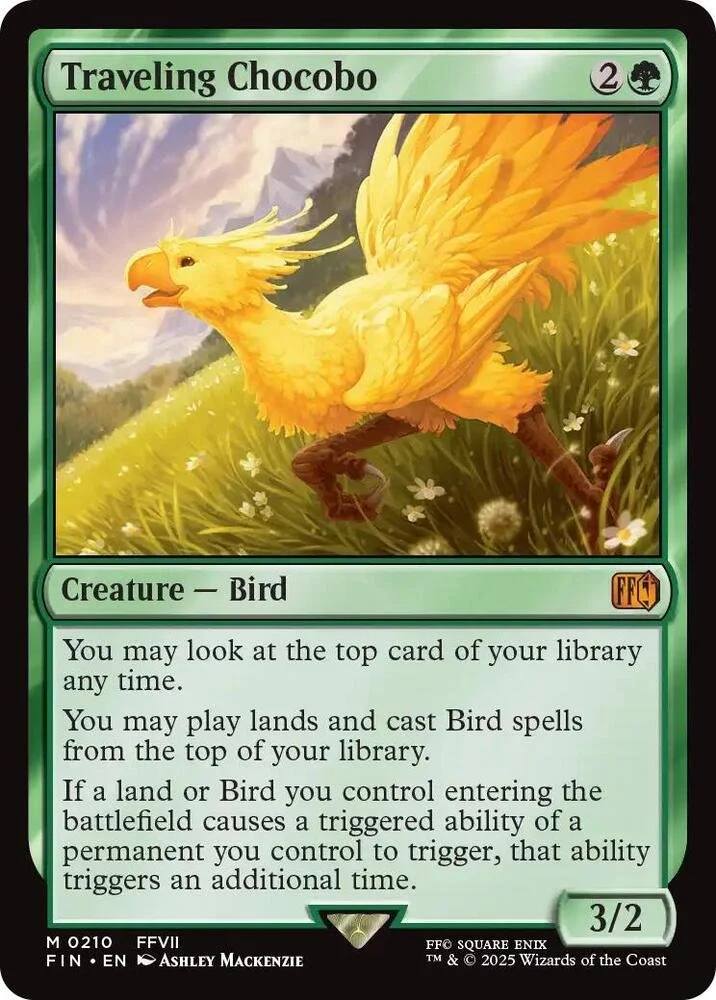
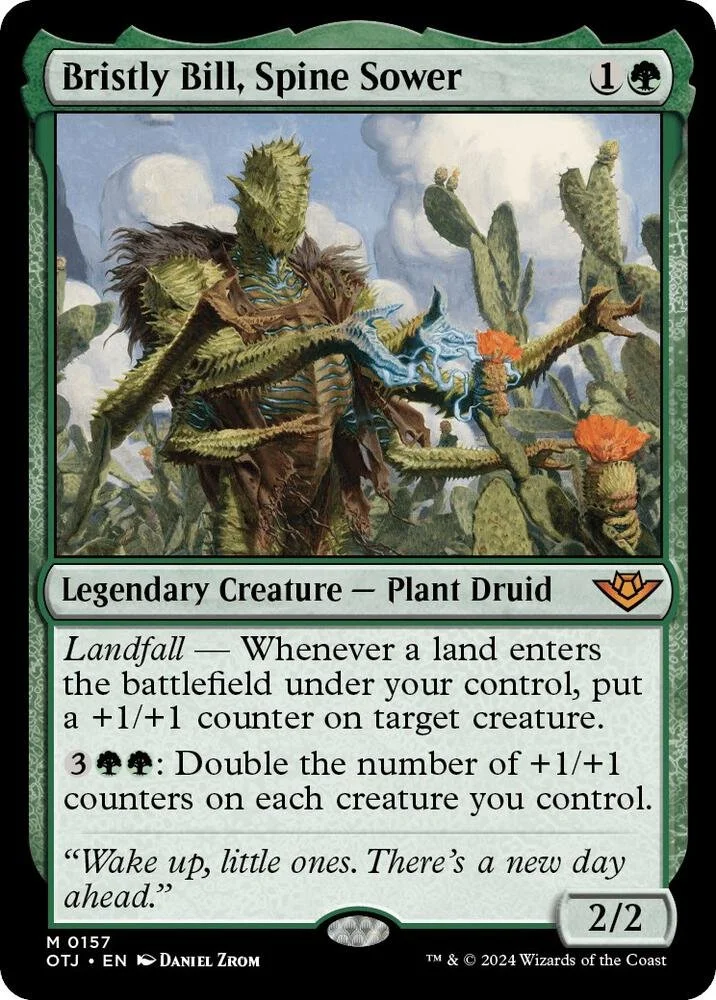
Aesi, Tyrant of Gyre Strait and Ancient Greenwarden are the best premium upgrades. Aesi provides another land play and card draw, while Greenwarden lets you play lands from the graveyard and doubles Landfall triggers. Traveling Chocobo, Exploration, and Bristly Bill, Spine Sower push the strategy even further.
Play lands with purpose, reuse them whenever possible, and let Thranduil turn every step of the journey into another Elf.
Example decklist: Simic Thranduil Landfall
Tom, Bert, and William (Golgari)
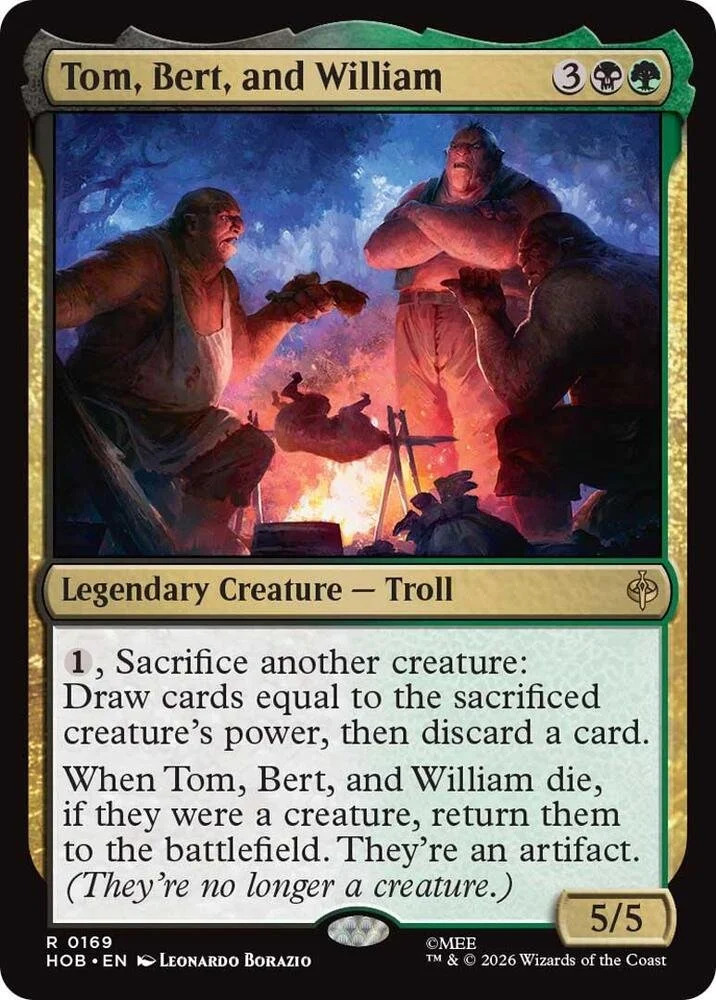
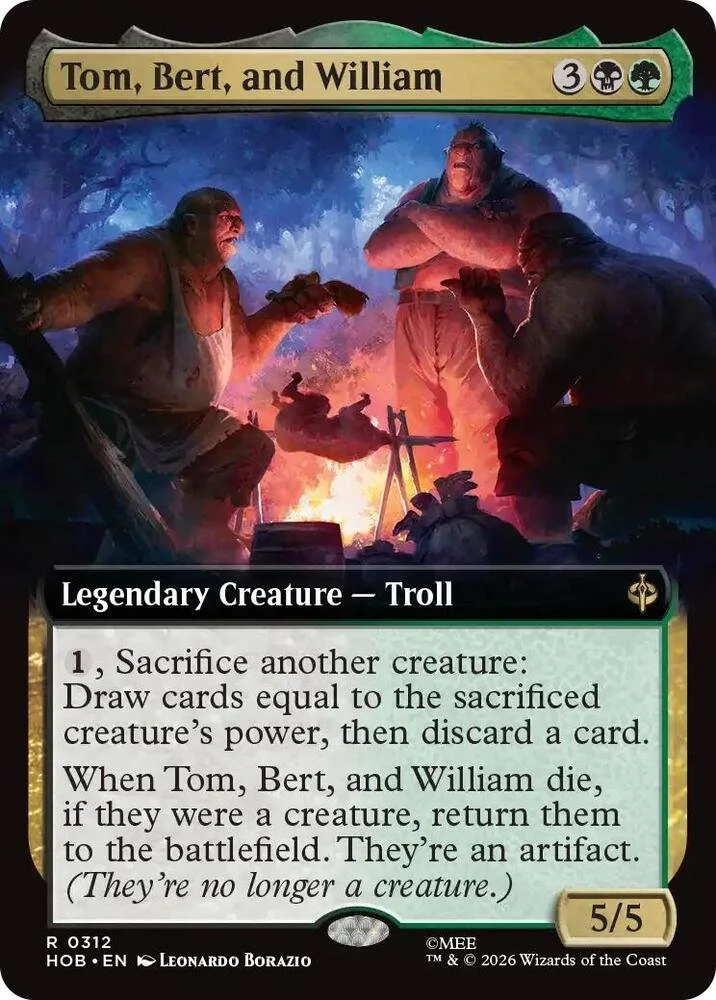
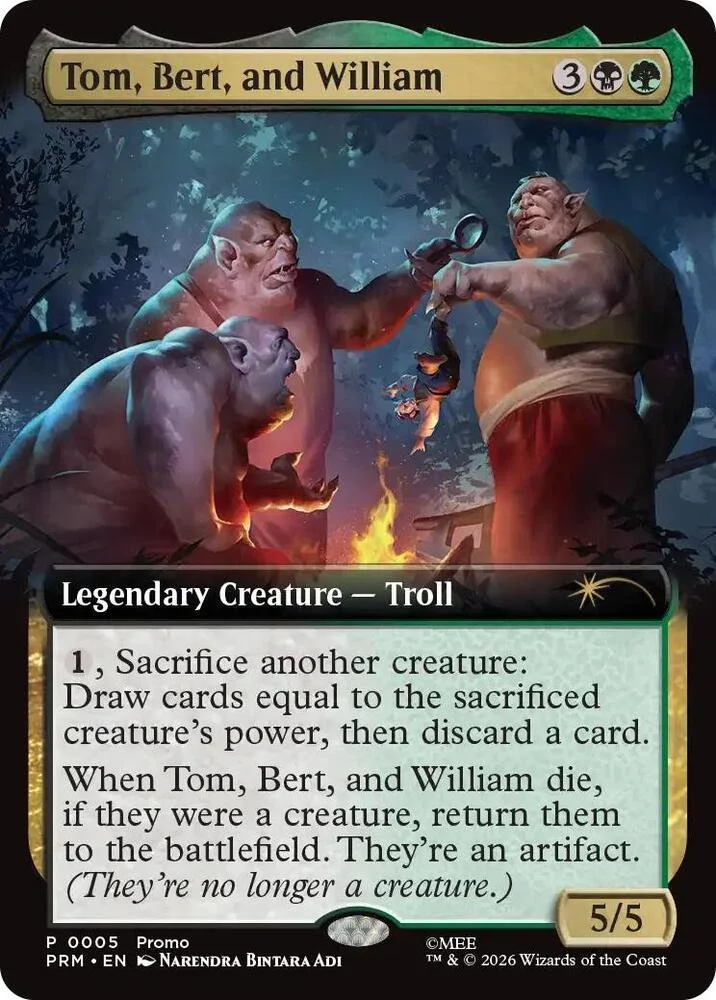
Tom, Bert, and William may have the highest skill ceiling among these Commanders. Their deck wants you to sacrifice high-power creatures for large bursts of cards, then bring those creatures back and use them again. The difficult part is knowing when each creature is more valuable on the battlefield, in the graveyard, or as a resource.
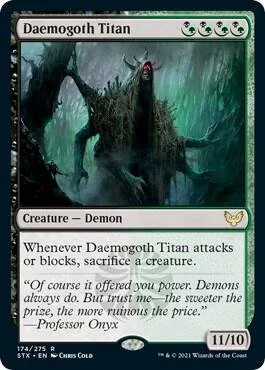
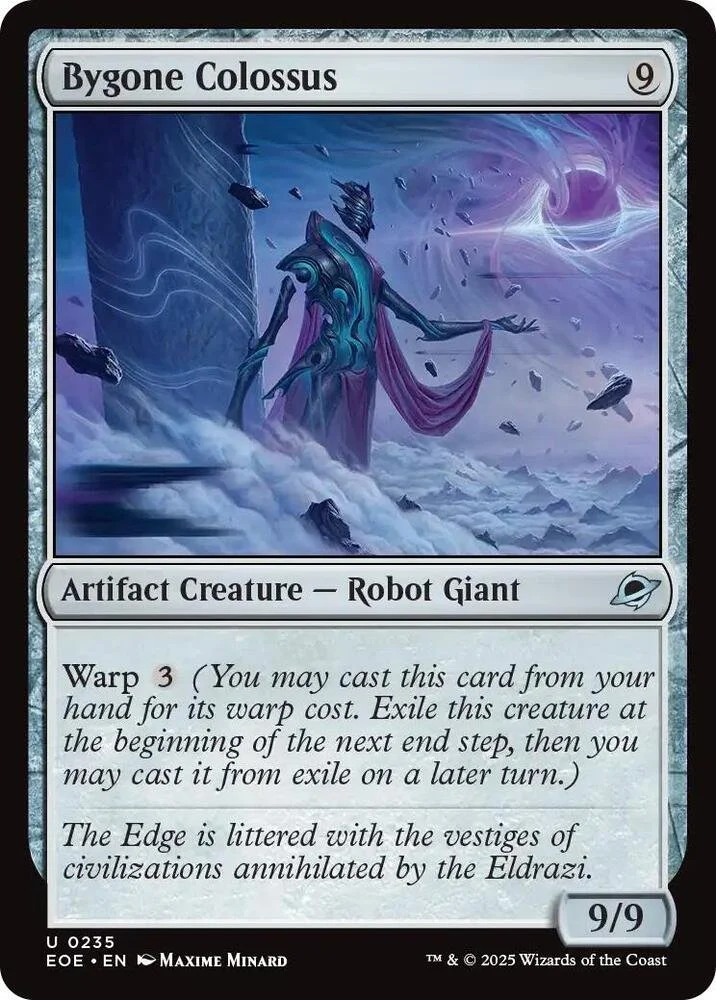
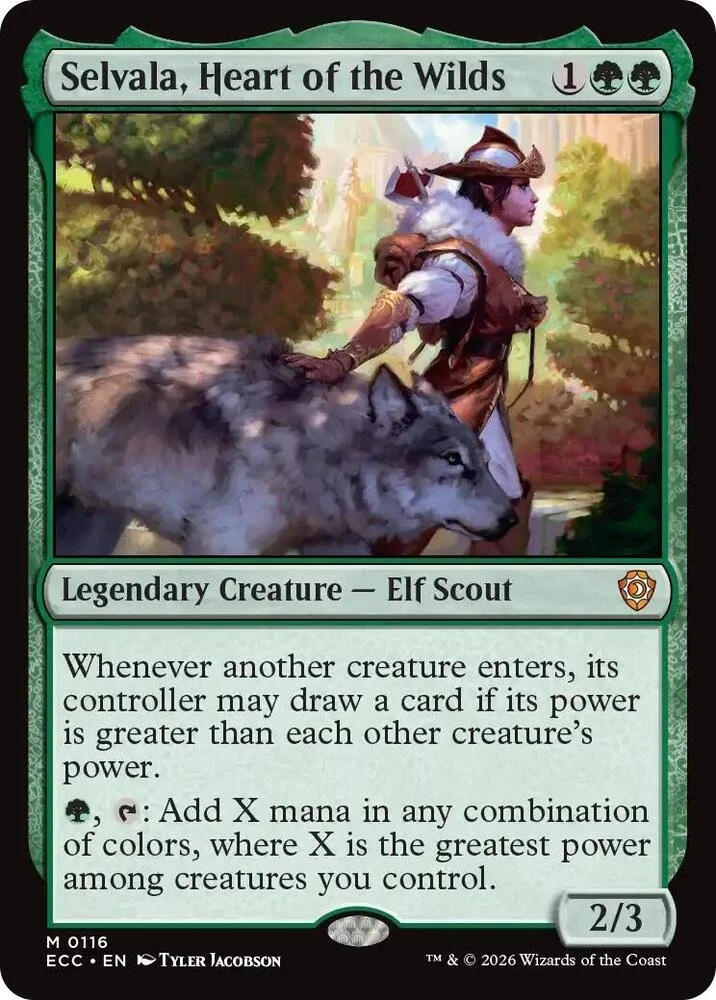
This is not a deck built around sacrificing disposable 1/1 tokens. Daemogoth Titan, Yargle and Multani, Charnel Troll, Clackbridge Troll, and Bygone Colossus provide enormous power for relatively manageable costs. Sacrificing one of them can draw an entirely new hand. Selvala, Heart of the Wilds and Disciple of Freyalise turn that power into mana or cards, while Goreclaw, Terror of Qal Sisma makes the larger threats easier to cast.
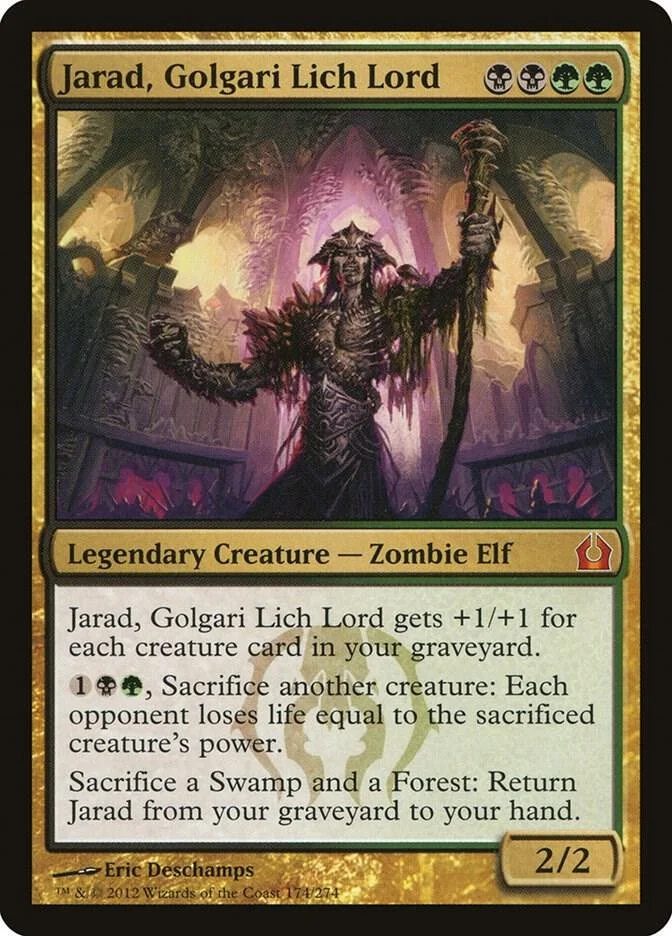
Jarad, Golgari Lich Lord provides another sacrifice payoff by making each opponent lose life equal to the sacrificed creature’s power. Psychosis Crawler turns every card drawn through your Commander into damage, meaning one enormous sacrifice can threaten the entire table. The Skullspore Nexus makes these decisions easier by replacing dead nontoken creatures with equally large tokens.
Reanimation is what holds the deck together. Animate Dead, Reanimate, Victimize, Living Death, and Rise of the Dark Realms return the threats you sacrificed or milled. Eternal Witness, Bala Ged Recovery, and Honest Rutstein recover other important pieces. No-maximum-hand-size effects such as Reliquary Tower, Thought Vessel, and Decanter of Endless Water are essential once one activation can draw ten or more cards.
Timing matters. You may want to sacrifice a creature before a board wipe, hold it back to discourage attacks, feed it to Jarad for lethal damage, or cash it in for cards only after combat. For higher budgets, The Great Henge is an ideal payoff for the deck’s enormous creatures, while Malakir Rebirth lets you sacrifice a threat for cards and immediately return it.
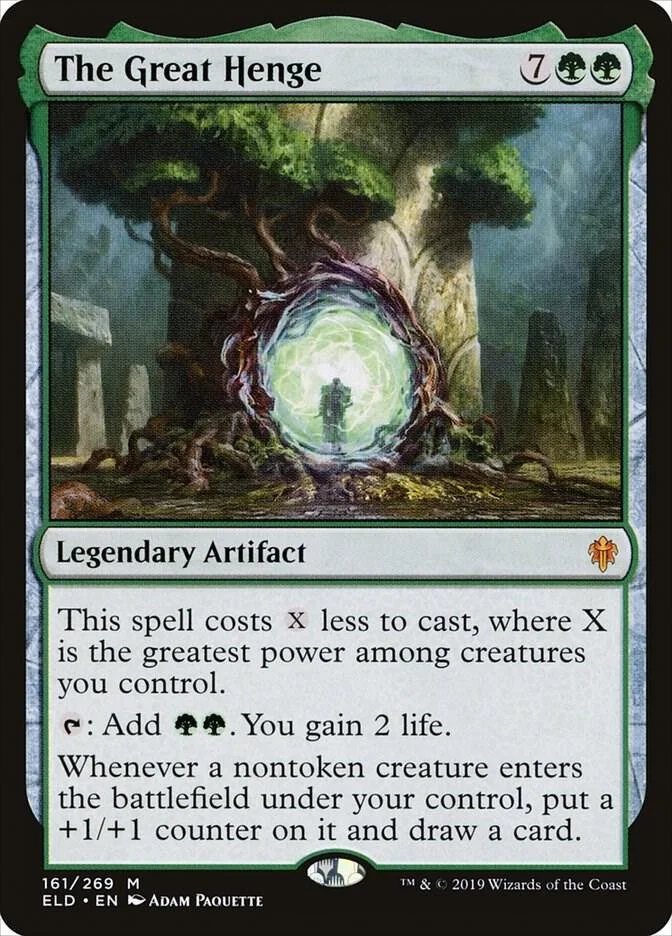
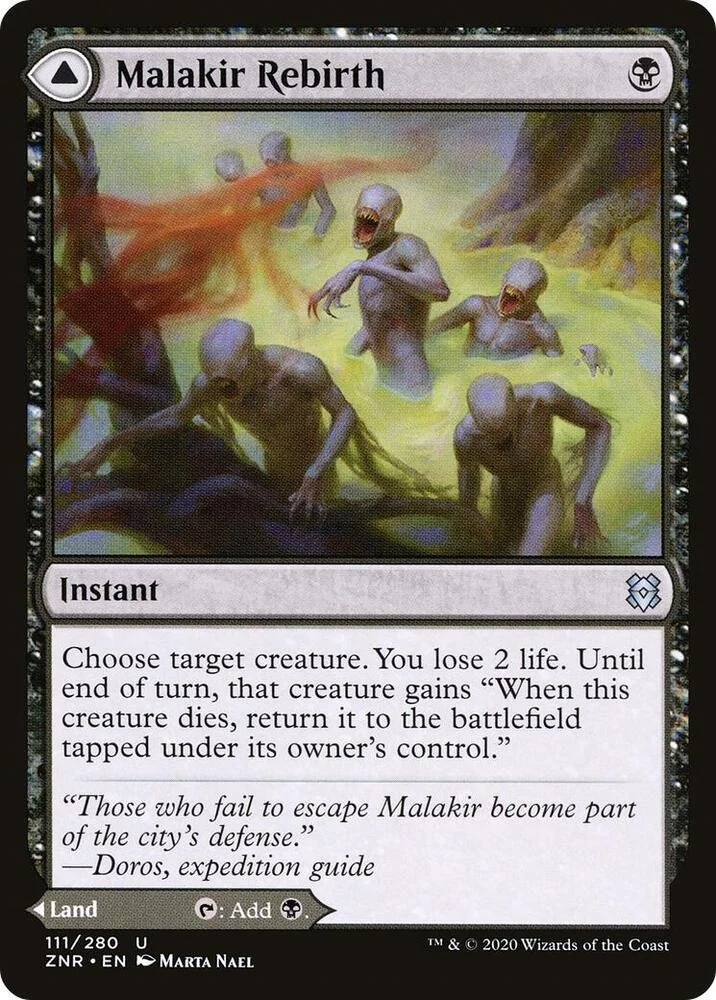
Play something huge, sacrifice it for an unreasonable number of cards, bring it back, and decide how to use it the second time.
Example decklist: Golgari Troll Sacrifice
Thranduil, the Elvenking (Sultai)
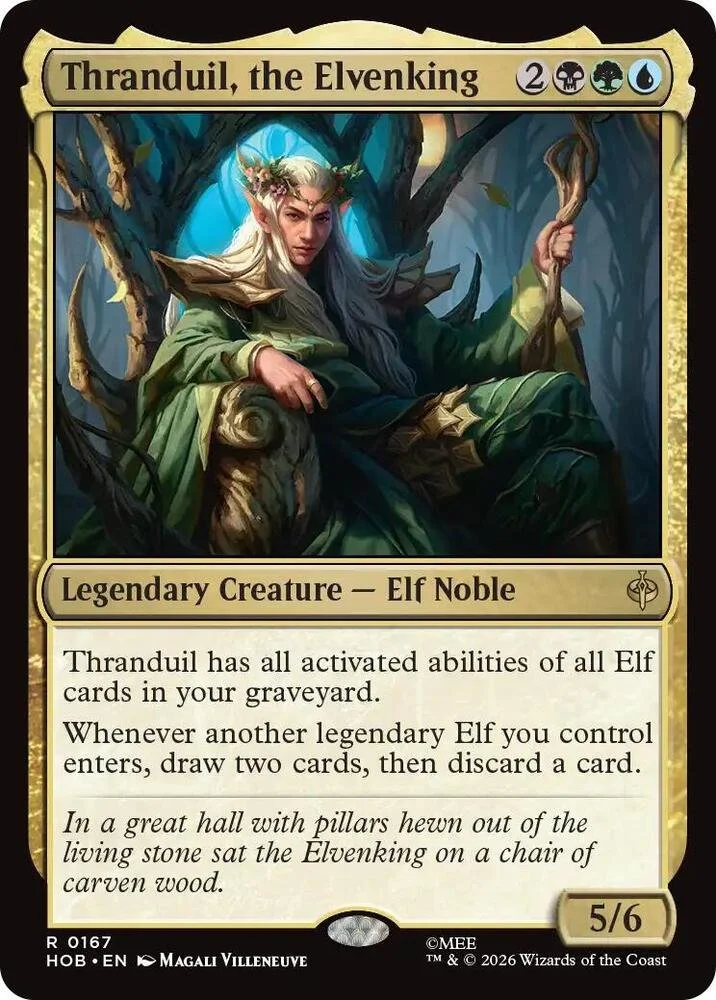
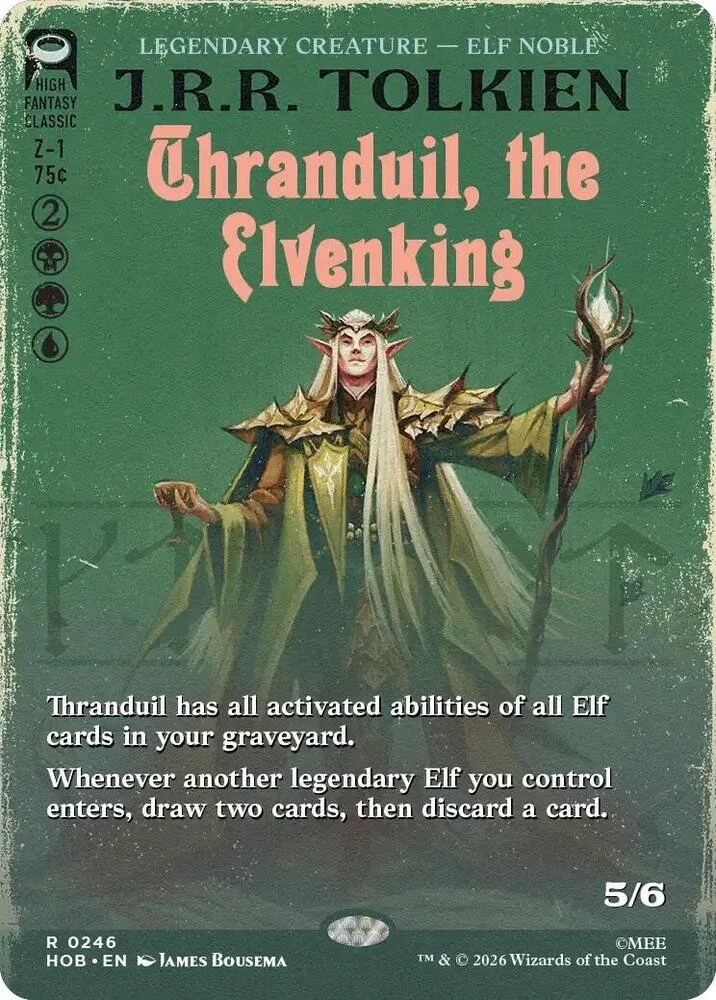
Thranduil, the Elvenking is an Elf typal Commander who wants useful Elves in both the battlefield and graveyard. He has every activated ability of every Elf card in your graveyard, allowing him to borrow mana abilities, token production, protection, combat buffs, and sacrifice outlets.
The key phrase is “activated ability.” These are normally written as a cost, followed by a colon, followed by an effect. Triggered abilities beginning with “when,” “whenever,” or “at” are not copied. Prioritize Elves with strong activated abilities—especially those that do not require tapping—when modifying the list.
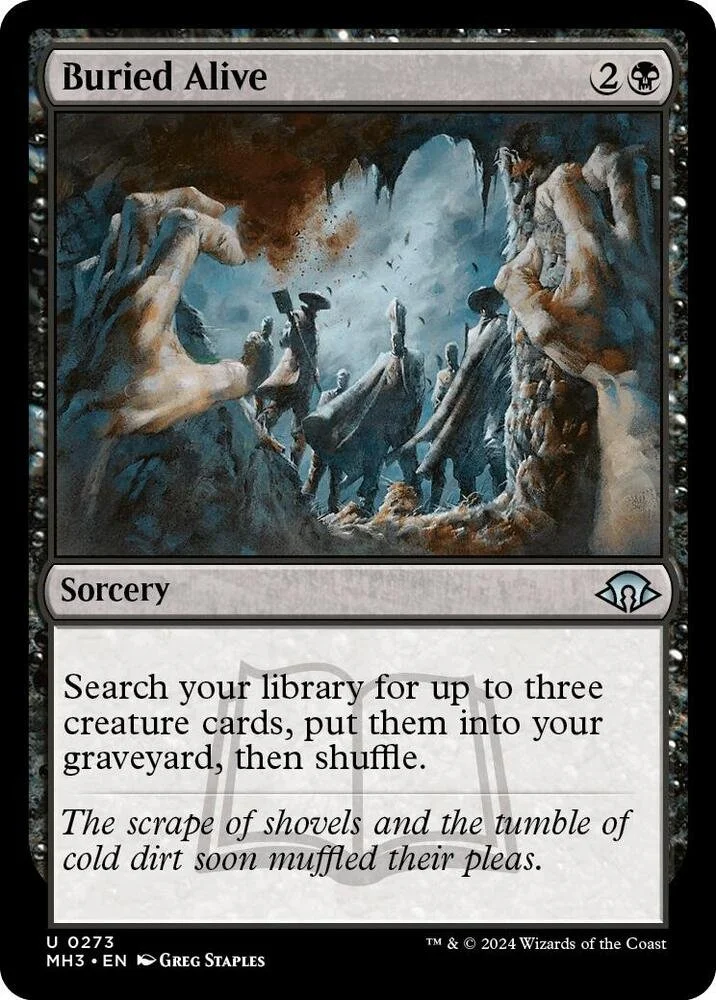
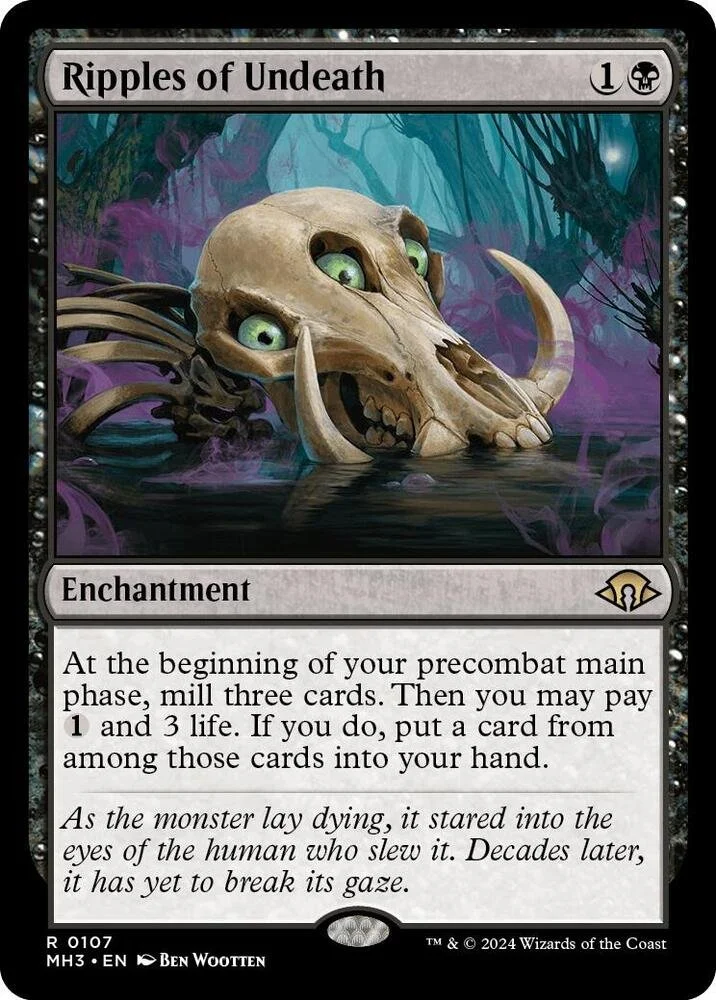
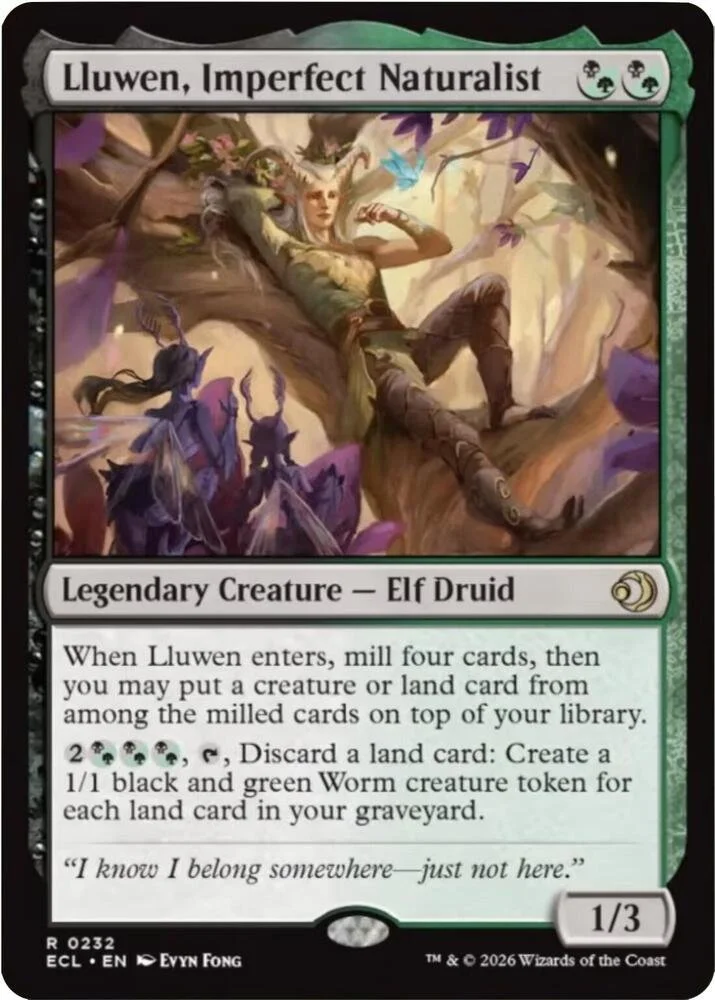
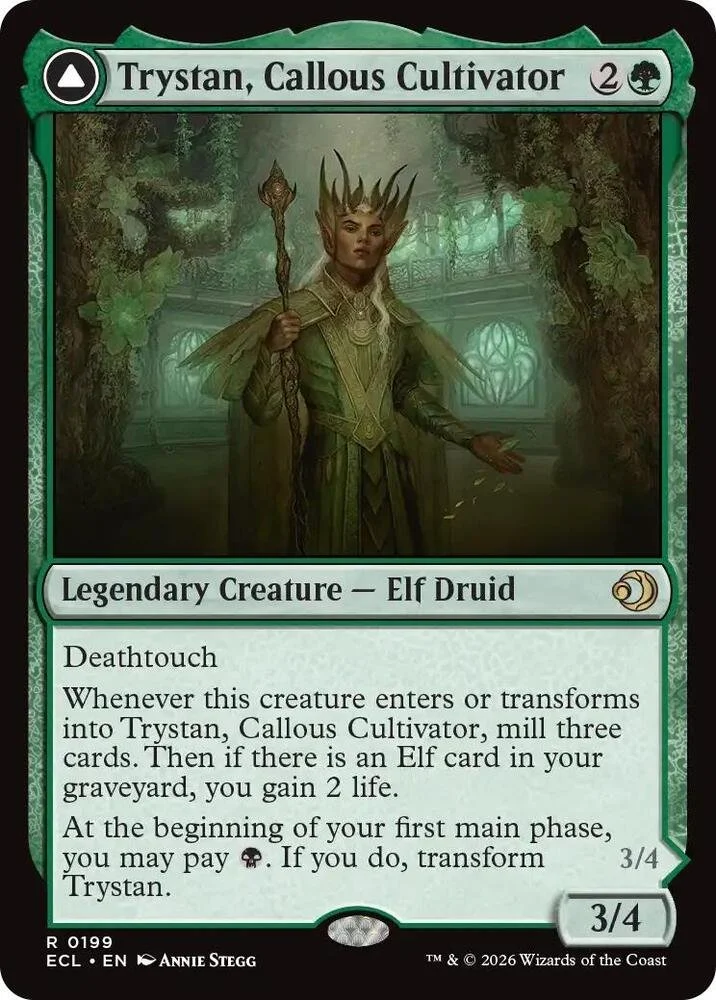
Whenever another legendary Elf enters under your control, Thranduil draws two cards and discards one. That creates the deck’s natural engine: cast a legendary Elf, improve your hand, and discard another Elf whose ability Thranduil can use. Buried Alive, Ripples of Undeath, Lluwen, Imperfect Naturalist, and Trystan, Callous Cultivator help load the graveyard more deliberately.
Mana Elves provide some of the best borrowed abilities. Bloom Tender, Elvish Archdruid, Marwyn, the Nurturer, and Woodland Weavemaster can let Thranduil generate enormous amounts of mana. Devoted Druid gives him a way to untap by taking a -1/-1 counter, while Tyvar, Jubilant Brawler supplies another untap effect.
Imperious Perfect lets Thranduil create tokens, Immaculate Magistrate piles counters onto creatures, and Ezuri, Renegade Leader offers regeneration and a repeatable Overrun effect. Lathril, Blade of the Elves and Jarad, Golgari Lich Lord provide alternate ways to drain the table. The central decision is whether each Elf is currently more useful as a creature or as an ability in the graveyard.
Reanimate, Celestial Reunion, and Bloodline Bidding let you change that answer later. Keep important graveyard abilities separated for easy tracking, because Thranduil becomes more complicated with every Elf he inherits.
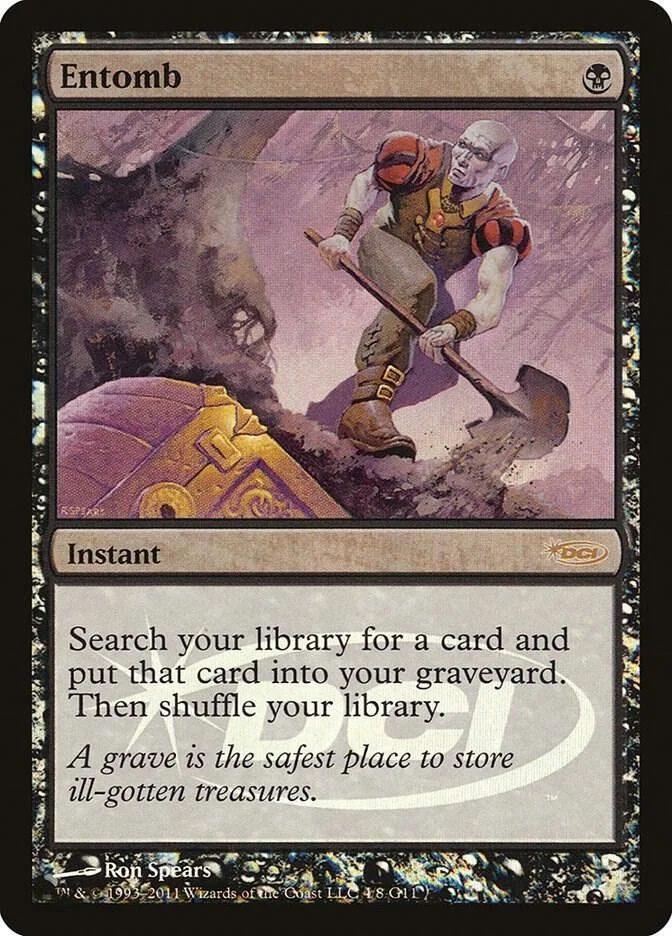
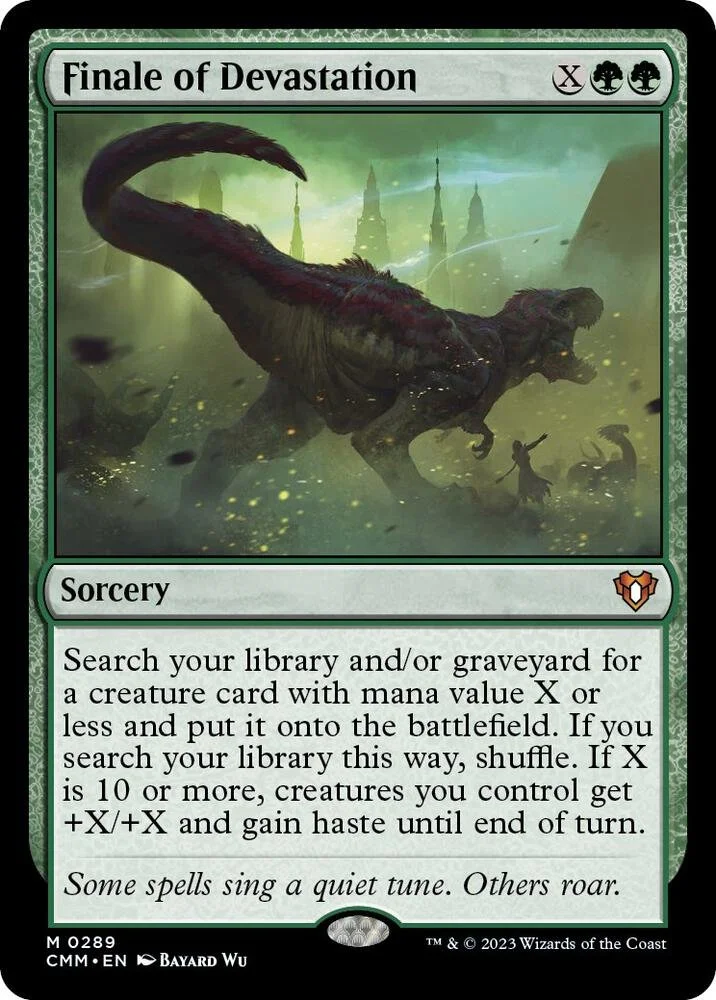
Entomb is the cleanest premium upgrade, placing any needed ability into the graveyard at instant speed. Prime Speaker Vannifar gives Thranduil a powerful creature-chain ability, while Finale of Devastation can recover a key creature or finish the game.
Fill the graveyard with useful Elves, cast legendary Elves to keep your hand moving, and let the Elvenking borrow generations of abilities from the fallen.
Example decklist: Sultai Thranduil Elves
Final Thoughts
Magic: The Gathering | The Hobbit may not make a major impact on 60-card Constructed formats, and its smaller size limited the variety of its draft environment. However, it still delivers an impressive collection of distinct Commander options.
These legends support everything from familiar strategies like Elf typal, Equipment, tokens, and Landfall to more unusual builds involving Recruit, Amass, hone counters, and graveyard-based activated abilities. They also work naturally alongside The Lord of the Rings: Tales of Middle-earth, giving players even more ways to build flavorful Middle-earth decks.
If you are preparing for a draft or a sealed event, check out our complete Magic: The Gathering | The Hobbit Limited Guide for the set’s mechanics, archetypes, and best strategies. You can also visit our 2026 TCG and Tabletop Release Calendar to keep track of every major card game, board game, and tabletop release coming this year.