The relationship between gamers and their favorite virtual worlds is changing dramatically. For decades, gaming was mainly entertainment, a hobby where players spent money on consoles, PCs, and in-game items with no expectation of getting money back.
That idea is now being challenged by a new model that mixes gaming with economics. It lets players earn real rewards for their time and skill through a play-to-earn model. This new area is called Play-to-Earn (P2E) gaming, and it's redefining what it means to be a gamer.
This model makes players more than just consumers; they become active participants in a game's economy. By putting in their time, they can create real-world value, setting up a cycle of assets that helps both players and developers. It's a big shift that could have lasting effects on the entire entertainment industry.
What is Play-to-Earn Gaming?
Play-to-Earn gaming is a business model where players can earn valuable digital assets just by playing a game. In traditional games, in-game items are stuck within the game and owned by the developer. P2E games, however, use blockchain technology to give players true ownership of their assets. These assets are often Non-Fungible Tokens (NFTs) or cryptocurrencies.
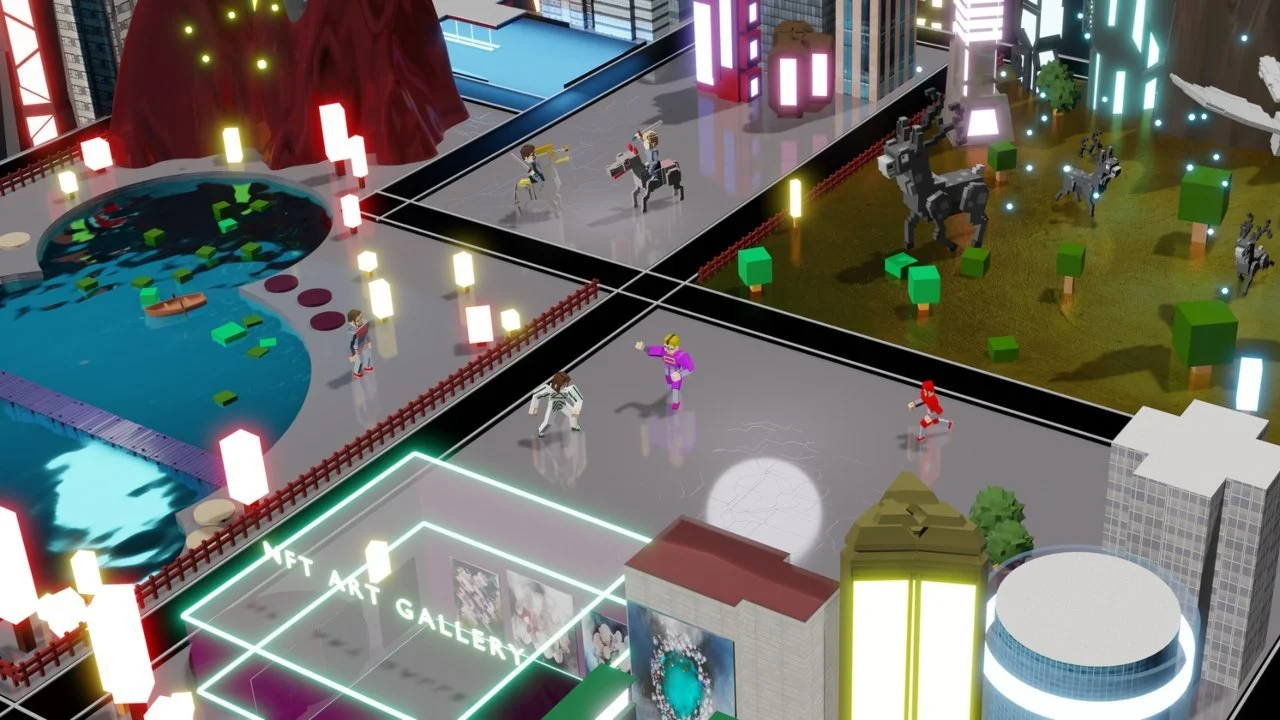
Think of it this way: if you find a rare sword in a classic online game, you can use it in the game, but you can't sell it for real money on an open market. It belongs to the game company. In a P2E game, that same rare sword would be an NFT that you, the player, own. It's stored on a public blockchain, giving you a verifiable record of ownership. This means you can sell it to another player, trade it for other assets, or even move it outside the game.
Games like Axie Infinity helped popularize this idea by creating an economy where players could breed, battle, and trade digital creatures called Axies. Players earn a cryptocurrency called Smooth Love Potion (SLP) through gameplay, which they can sell on crypto exchanges.
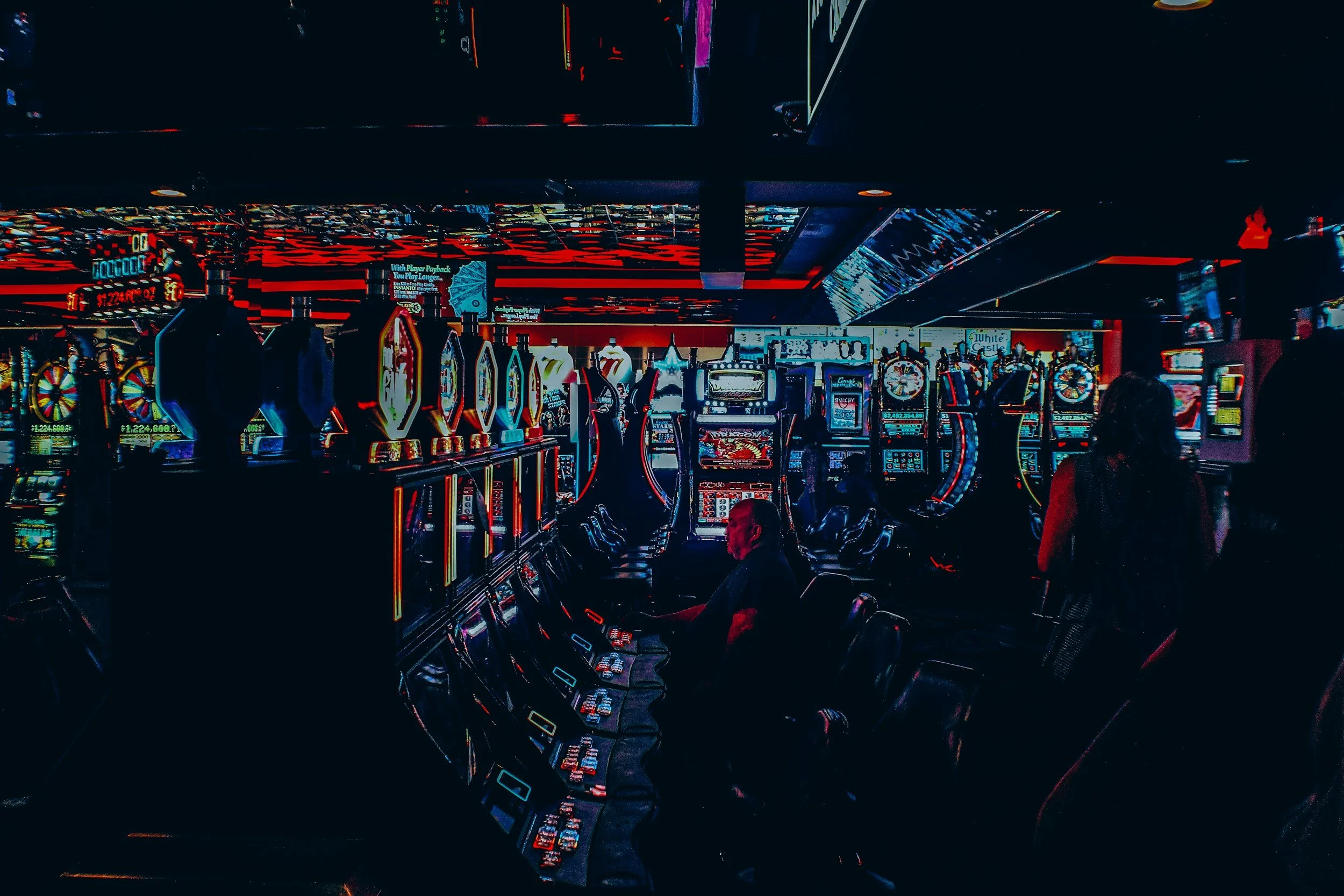
The cryptocurrency earned can then be traded, used to buy other digital goods, or even spent on various entertainment platforms, from digital art marketplaces to crypto gambling sites. This directly links in-game activity to real-world economic value.
Beyond Traditional Gaming Models
The P2E model is very different from the ways games have made money over the last two decades. The traditional "Pay-to-Play" model required buying the game upfront. This later changed to the "Free-to-Play" (F2P) model, which made it easier to start playing but introduced microtransactions, small purchases for cosmetic items, power-ups, or loot boxes. In both of these models, value almost always flows one way: from the player to the developer.
P2E reverses this. While some P2E games might need an initial investment to get the NFTs required to play, they create an ecosystem where value can flow back to the player. Players are no longer just spending money for a temporary license to use an item; they are investing in assets they truly own. This difference is a key part of the move toward Web3 gaming, creating a new relationship between developers and their communities.
The discussion often goes beyond a simple play-to-earn vs play-to-own debate to a more detailed look at building sustainable, player-focused economies. This ownership model encourages a more engaged and invested player base, as they have a real stake in the game's success and longevity.
Cryptocurrency's Role in P2E
Cryptocurrency and blockchain technology are the essential foundations that make Play-to-Earn gaming possible. Without them, true digital ownership and decentralized economies couldn't be implemented securely and transparently. They provide the technical framework for this new generation of interactive entertainment.
Here’s how the main parts work together:
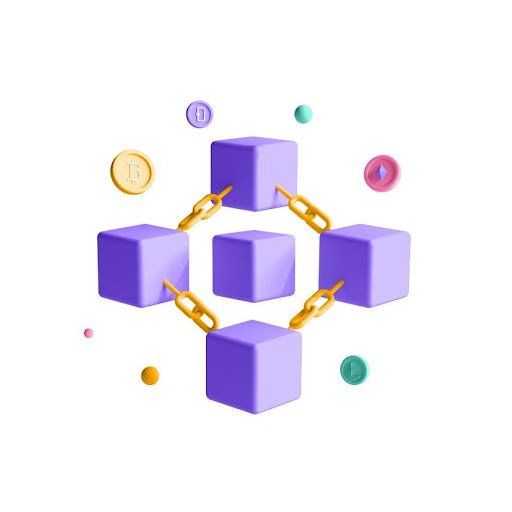
Blockchain: This is a decentralized digital ledger that records all transactions. In P2E gaming, it tracks who owns in-game assets. Because the ledger is spread across many computers, it’s incredibly hard to change or fake, making sure your ownership of a digital item is secure and verifiable by anyone.
Non-Fungible Tokens (NFTs): NFTs are unique digital tokens on the blockchain that represent ownership of a specific item. This could be a piece of art, a character, a piece of virtual land, or a special weapon. "Non-fungible" means each token is one-of-a-kind and cannot be replaced by another. This is what gives your in-game items their unique identity and provable scarcity.
Cryptocurrencies: These are digital currencies used as the medium of exchange within the game's economy. Players might earn a game's native cryptocurrency for completing quests, winning battles, or contributing to the community. These tokens can then be used to buy new NFTs, upgrade existing ones, or be traded for other cryptocurrencies like Bitcoin or Ethereum on external exchanges. This mechanism connects in-game achievements to real-world value, showing what play-to-earn crypto games are at their core.
Challenges and Opportunities
The fast rise of Play-to-Earn has created a landscape with both huge potential and significant obstacles. On one hand, the opportunities are compelling. The global P2E market size is expected to grow explosively, showing strong interest from investors and consumers. This model could create new economic opportunities for players worldwide, especially in developing nations where game earnings can become a significant income. It also gives developers new ways to build and monetize games while fostering highly dedicated communities that have a vested interest in the game's success.
However, the path forward isn't without its challenges. A main concern is the high barrier to entry for many popular P2E games, which can require a large upfront investment in NFTs before a player can even start. The inherent volatility of the cryptocurrency market also adds risk, as the value of earned assets can change dramatically.
Furthermore, the underlying blockchain technology can sometimes struggle with scalability, leading to high transaction fees and slow processing times that can hurt the user experience. The space has also been a target for scams and fraudulent projects, so players need to be careful. Perhaps the most critical challenge is balancing the "earn" with the "play." Many early P2E titles have been criticized for focusing more on economic mechanics than on fun, feeling more like a job than a game.
The Future of Digital Assets
The Play-to-Earn model is likely just the first version of a much larger trend toward player-owned economies in gaming. As the technology improves and developers learn from early successes and failures, the concept is evolving.
Many are now moving toward "Play-and-Earn" or "Play-to-Own" frameworks. This subtle change in terms reflects a shift in philosophy, prioritizing engaging and fun gameplay first, with the ability to earn value being an added benefit rather than the sole reason for playing. The goal is to create sustainable ecosystems where players want to spend their time because the game is enjoyable, and the assets they acquire have lasting value.
Looking ahead, one of the most exciting possibilities is interoperability. This is the idea that the digital assets you own could be used across multiple games and virtual worlds. Imagine taking a unique character skin or a powerful vehicle from one game and using it in a completely different one. This would create a true metaverse where your digital identity and possessions are persistent and portable.
While the technical and business challenges to achieving this are immense, it represents the ultimate vision for digital ownership. As major gaming studios begin to experiment with NFTs and blockchain, we may see these concepts gradually integrated into mainstream AAA titles, forever changing our relationship with the digital items we collect.
The rise of P2E gaming marks a pivotal moment for the industry. It suggests a future where the lines between playing for fun and building real-world value become increasingly blurred. While the model is still new, its core principle of empowering players with true ownership of their digital assets is powerful and unlikely to fade away.