For most of gaming history, players were expected to pick a side: cardboard and dice or screens and servers. In 2026, that divide feels increasingly outdated. One of the most active and innovative areas of the hobby sits squarely in the middle, where physical board games integrate digital tools to create hybrid experiences that are easier to run, easier to learn, and still deeply social. Rather than replacing the tabletop, technology is quietly improving it, following a familiar pattern seen in music and film, where established formats evolve instead of disappearing.
Why traditional board games still matter
Board gaming is no longer a niche pastime. The global board game market was valued at around $17.2 billion in 2025 and is expected to keep growing strongly through the decade as demand for social, screen-free entertainment continues.
A solid chunk of people really do play. Surveys suggest that about one in five Americans play board games at least once a month, often citing social interaction as a major reason they sit down to play rather than reach for a tablet.
Physical board games offer something screens still struggle to replicate. Sitting across from real people, moving pieces, and reading reactions in real time adds a layer of connection that digital interfaces rarely mimic well.
The rise of board game cafés
Board game cafés such as The Uncommons in New York and Snakes & Lattes in Toronto have become thriving community hubs, combining food, drinks, and libraries of hundreds of games in a social setting. These cafés also function as discovery engines for the hobby since many players first try titles there before buying them for home use.
Home play and modern titles
At home, modern titles prove how deep the hobby has gotten. Games like Ark Nova and Wingspan are not just boutique favorites, they rack up serious engagement on hobbyist platforms, with Ark Nova logging well into six figures of recorded plays among dedicated players, pointing to sustained interest far beyond casual holiday fun.
That said, traditional board games still come with friction. Setup can take longer than the first round. Rulebooks can feel intimidating. Scoring mistakes happen. None of this undermines the appeal, but it does limit how often games hit the table, especially for complex titles or mixed-experience groups.
What digital games do better
Digital games solved many of these issues years ago. Setup is instant, rules are enforced automatically, and scoring is flawless. Tutorials teach players as they go instead of forcing a full deep dive before the first turn.
Digital adaptations of tabletop classics are now common on PC, consoles, and mobile. Carcassonne – Tiles & Tactics is a well-known example of a board game successfully adapted to digital platforms, with online play and matchmaking turning a beloved tile-laying strategy into something you can enjoy on the go.
Efficiency comes with trade-offs, though. Digital play often lacks the warmth of in-person interaction. Voice chat is not the same as sitting across the table. Emojis can’t replace body language. Even polished interfaces struggle to recreate the shared laughter, tension, and table talk that define great board game sessions.
So players have long faced a compromise: accept physical friction for richer social vibes, or enjoy digital convenience at the cost of some human connection.
Hybrid games: The practical middle ground
Hybrid board games exist to completely remove that trade-off.
Most hybrid titles still look and feel like traditional board games. There’s a board on the table, cards in hand, and pieces being moved. The difference is that a companion app or digital system handles the tasks players are happiest to offload: setup, hidden information, scenario flow, and scorekeeping.
Beasts of Balance is a standout early example. It uses RFID-tagged pieces and a companion app to track physical actions and trigger in-game effects, letting the tech handle complexity while the physical play stays front and center.
In recent years, newer hybrid games have continued this approach with lighter digital layers, including audio narration, dynamic randomization, and app-managed events that keep gameplay fresh without overwhelming the table.
The result is smoother play without turning the experience into a video game. You still negotiate, bluff, joke, and react face to face. The tech simply keeps the game moving.
This approach also lowers the barrier to entry. New players don’t have to master dense rulebooks on their own. Apps can explain rules step by step, prevent illegal moves, and manage complexity behind the scenes. By 2026, hybrid design is widely seen as a standard development tool rather than a novelty.
A parallel from online casino games
A similar evolution has already played out in another entertainment sector.
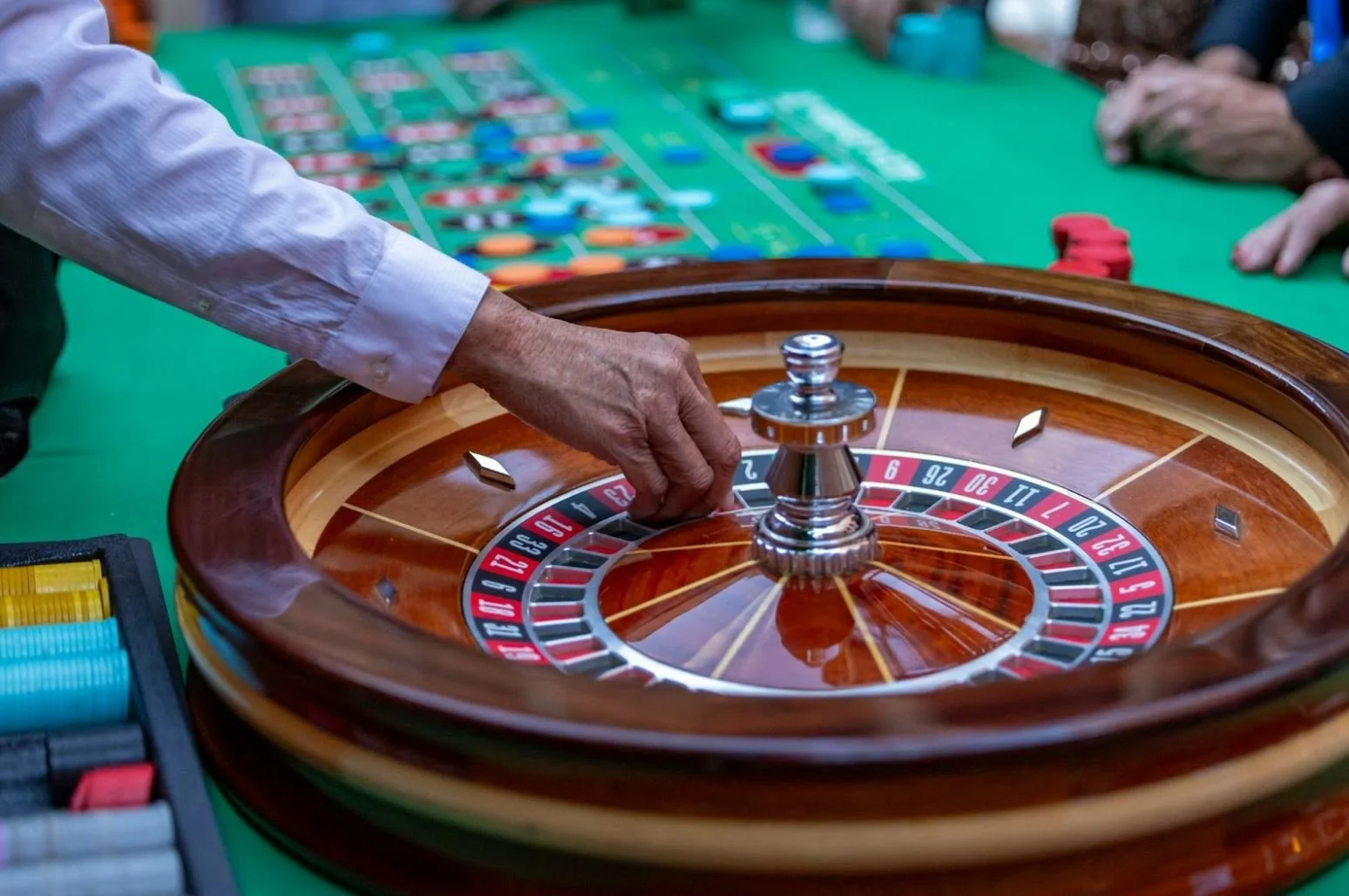
Casino games were once tied almost exclusively to physical venues. If you wanted to play poker, blackjack, roulette, or bingo, you went to a casino. But over time, those games moved online and now attract millions of players worldwide.
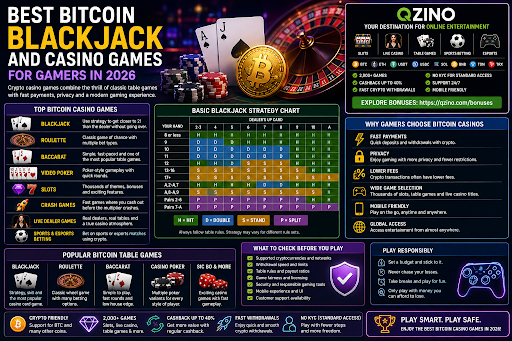
Crypto-focused platforms such as Sportbet.one illustrate this transition clearly. They offer digital versions of classic casino games, including bingo-style games. If you want a clear example of how a traditional format has been modernized for a new audience, you can find here the best Bitcoin bingo games. Alongside bingo, the platform also offers poker, blackjack, and roulette adapted for cryptocurrency use.
The key takeaway is that successful digital adaptation preserves what players already know while removing barriers to participation. Hybrid board games follow the same logic by respecting traditional gameplay and using technology to reduce friction.
Social flexibility matters more than ever
Flexibility is one of the main reasons hybrid games are thriving in 2026. Not every group looks the same. Some players are hobby veterans. Others are brand new. Some want deep strategy, while others just want something quick and fun.
Hybrid games adapt to those realities. Companion apps can guide new players without slowing down experienced ones. They can streamline short sessions or help manage long campaign games without dumping bookkeeping on a single person.
This mirrors broader entertainment habits. People increasingly expect experiences that scale up or down depending on mood, company, and time. Just as online casino players can choose between quick solo sessions or more social formats, board game players now expect similar flexibility.