The gaming world has changed rapidly in recent years. Gamers expect smooth performance, instant responsiveness, and vast virtual worlds they can explore without pause. At the same time, digital experiences such as live streaming, cloud play, and real-time collaboration have become central to how people interact with technology. These expectations place new demands on network infrastructure, requiring connections that can handle high data throughput, low delay, and stable performance. Next-generation connectivity has risen to meet these challenges and is reshaping how gaming and digital interaction feel.
The Shift to High-Performance Gaming
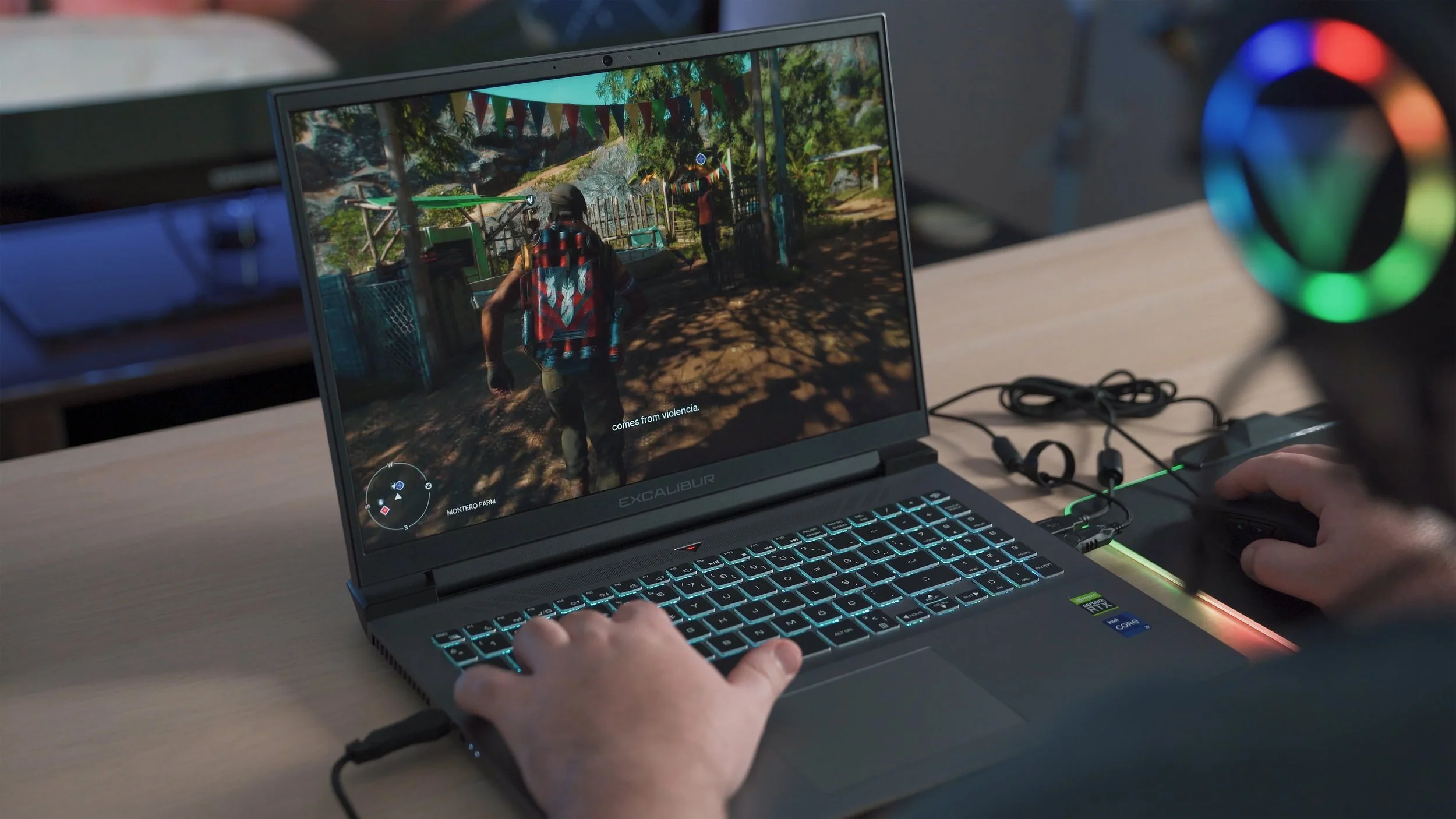
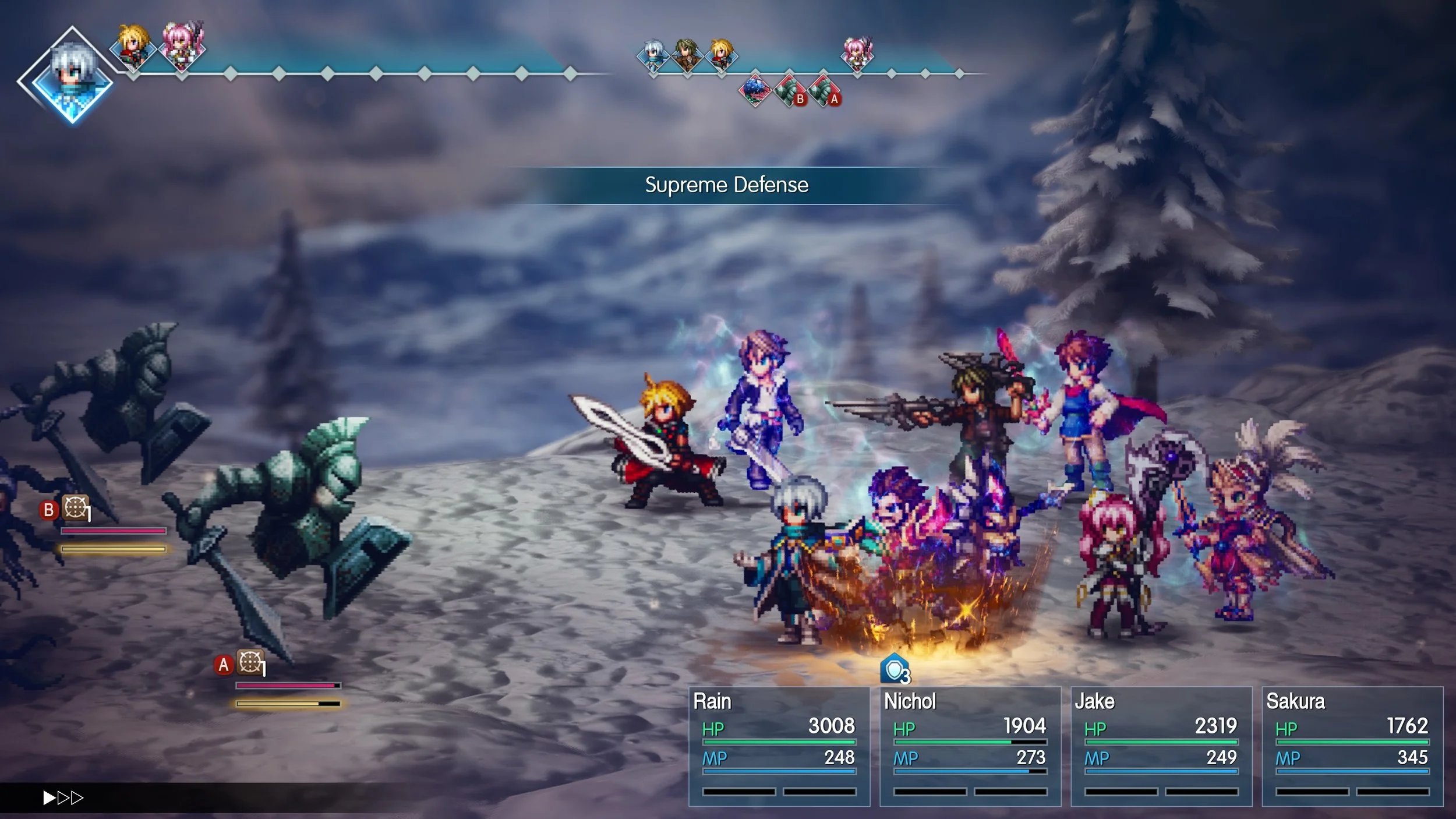
Online gaming today is nothing like it was a decade ago. Multiplayer platforms host thousands of players in dynamic environments. Competitive games rely on precision and timing, where even small delays can change outcomes. Casual players also demand reliable performance so their experience is immersive rather than frustrating. High-performance connections ensure that game data travels quickly between servers and player devices. Fast updates, reduced lag, and immediate feedback are all made possible by connectivity that supports high-speed data movement.
Streaming and Cloud Play
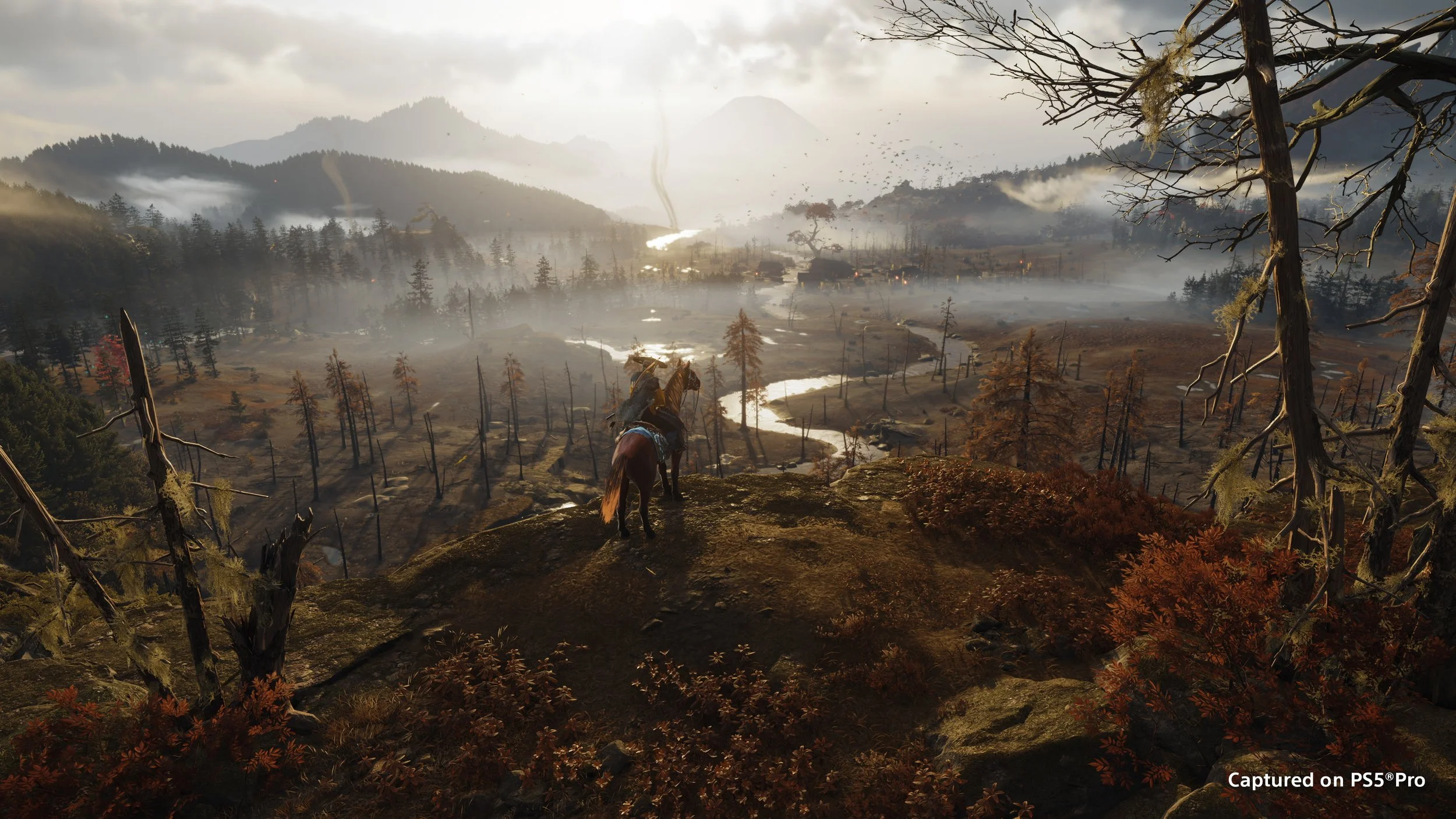
Another trend in gaming is the rise of streaming and cloud-based play. Instead of downloading and running games locally, players can stream titles directly from powerful remote servers. This allows users to access high-end games on devices that might not have significant processing power. For this model to work well, network performance must be excellent. A weak connection can cause video artifacts, delays, and disconnections, undermining the whole experience. Strong connectivity supports the delivery of high-resolution visuals at stable frame rates, creating a gaming experience that feels native to the device.
Live Interaction and Social Gaming
Gaming has become a social activity. Players connect with friends, form teams, and share experiences across platforms. Live voice chat, video interaction, and coordinated play require low delay and consistent network performance. When connectivity struggles, communication falters, and the experience suffers. Next-generation connection technologies help maintain smooth social interaction as part of digital entertainment. This enhances not just the technical performance of games but also the social joy players get from collaborating with others.
Local Connectivity and Community Growth
Access to advanced connectivity can make a clear difference for users and communities. In areas where infrastructure has been upgraded, people can take full advantage of next-generation performance. Options like Frontier fiber internet in Minneapolis bring high-speed connections to homes and businesses, enabling gamers and digital creators to push their systems to new levels. With these services, users can stream high-resolution media, join multiplayer platforms with minimal delay, and interact with digital content without interruptions.
Beyond Gaming to Digital Performance
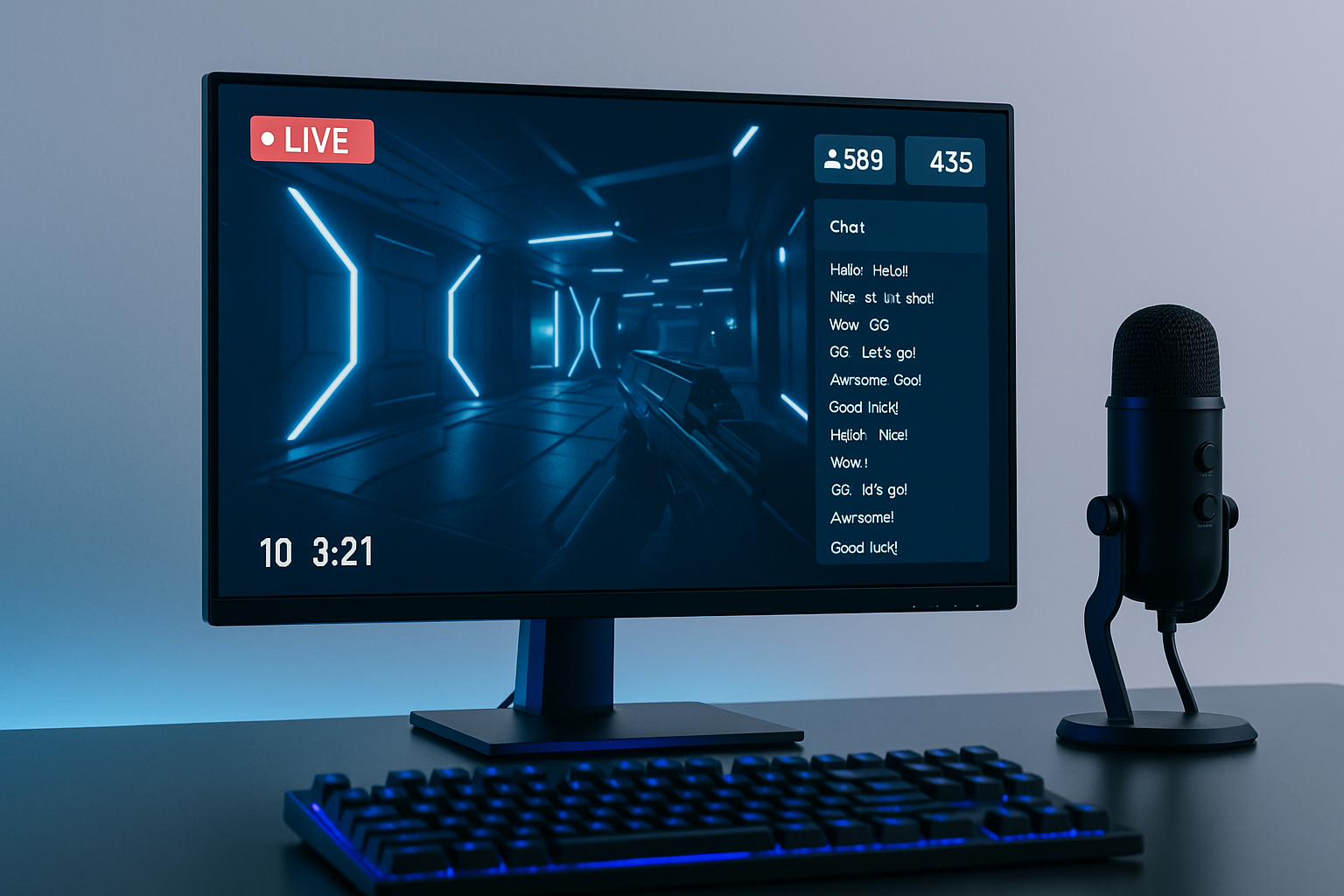
The advantages of enhanced connectivity are not confined to games alone. Digital experiences such as live streaming, virtual events, and real-time content creation also depend on network quality. Influencers broadcast live to audiences around the world. Content creators upload large files to platforms daily. Virtual reality environments require real-time tracking and rendering. All of these activities demand more than basic internet service. A capable connection ensures content moves quickly and reliably between users and digital platforms.
Preparing for Future Digital Trends
Gaming and digital experiences are evolving rapidly. Users expect speed, responsiveness, and seamless performance. Next-generation connectivity empowers these experiences by providing the necessary bandwidth, low delay, and network stability. As infrastructure improves and new technologies become mainstream, digital interaction will continue to evolve in exciting ways, offering gamers and tech users alike the freedom to explore, create, and connect without boundaries.