Modern video games are bigger, faster, and more complex than ever. Massive open worlds, competitive online ladders, intricate skill trees, and split-second decision-making define today’s gaming landscape. However, many of the skills that separate the great modern gamers from the mediocre or poor ones, are not skills that were born in esports arenas or high-end gaming rigs. They’re skills that have always been around and which have long been honed by classic games that may be simple on the surface, timeless in design, and brutally effective at sharpening the mind.
Long before patches, DLC, and matchmaking systems, classic games taught players how to think strategically, adapt under pressure, and learn from failure. If you want to improve as a modern gamer, looking backward might actually be the smartest move.
Why Classic Games Still Matter
Classic games endure because they focus on fundamentals. With fewer rules and no flashy distractions, players must rely on pure decision-making, pattern recognition, and anticipation. There’s no grinding for better gear or waiting for cooldowns to save you; every move matters.
Modern games often reward mechanical skill and reflexes, but classic games train the brain. They develop habits that transfer surprisingly well into today’s shooters, strategy games, MOBAs, and RPGs.
Checkers is The Gateway to Strategic Thinking
At first glance, checkers seems almost too simple to be useful. The rules can be learned in minutes, and the board is small and familiar. But beneath that simplicity lies a powerful lesson in planning and foresight.
In checkers, every move affects future options. Advancing a piece too early can expose it. Holding back too long can cost you tempo and control. You learn to think several turns ahead, anticipate your opponent’s responses, and recognize traps before they spring.
These skills translate directly into modern games. Whether you’re positioning in a tactical shooter or planning rotations in a strategy game, the habit of thinking ahead, rather than reacting blindly, is invaluable.
Chess and Long-Term Planning
Chess takes the strategic lessons of checkers and pushes them even further. Every piece has a unique role, and victory depends on coordinating them toward a long-term goal.
For modern gamers, chess trains:
Resource management (sacrifices vs. gains)
Map control (central dominance matters)
Reading opponents’ intentions
If you play real-time strategy games or competitive multiplayer titles, you’ll recognize these concepts instantly. Understanding when to commit, when to defend, and when to bait an opponent into a mistake is a chess lesson in digital form.
Card Games and Probability Awareness
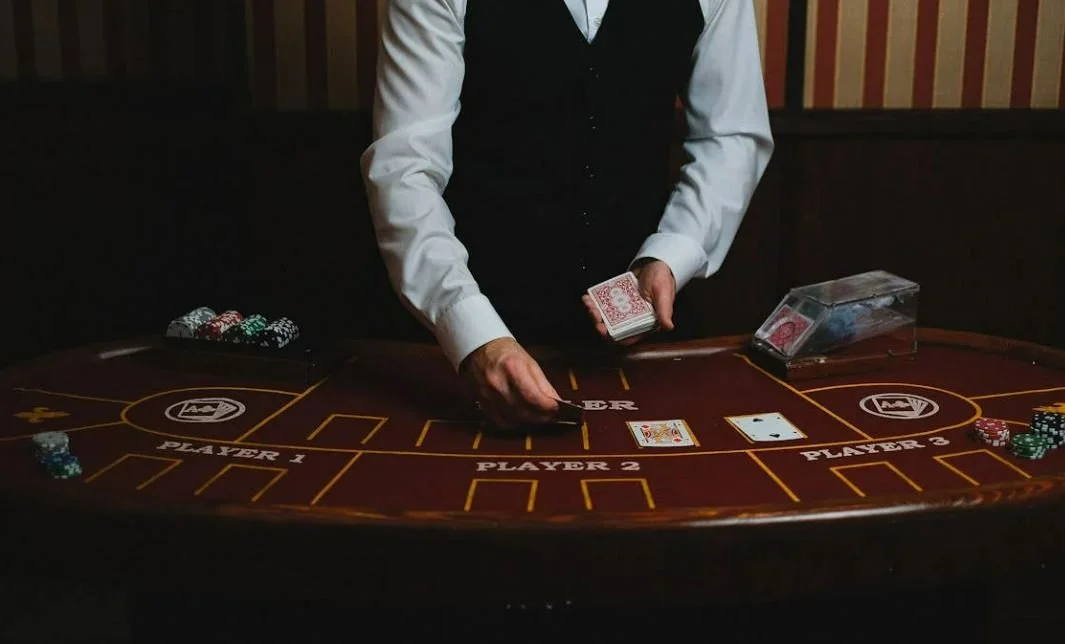
Classic card games like poker, bridge, and rummy are masters at teaching probability, risk assessment, and incomplete information. You rarely know everything, so you learn to make the best possible decision with limited data.
In modern gaming, this skill shows up constantly:
Predicting enemy loadouts
Estimating cooldowns or resource availability
Deciding whether to push or retreat
Good card players understand that a bad outcome doesn’t always mean a bad decision. This mindset is essential in competitive gaming, where variance and luck are always part of the equation.
Tetris and Pattern Recognition
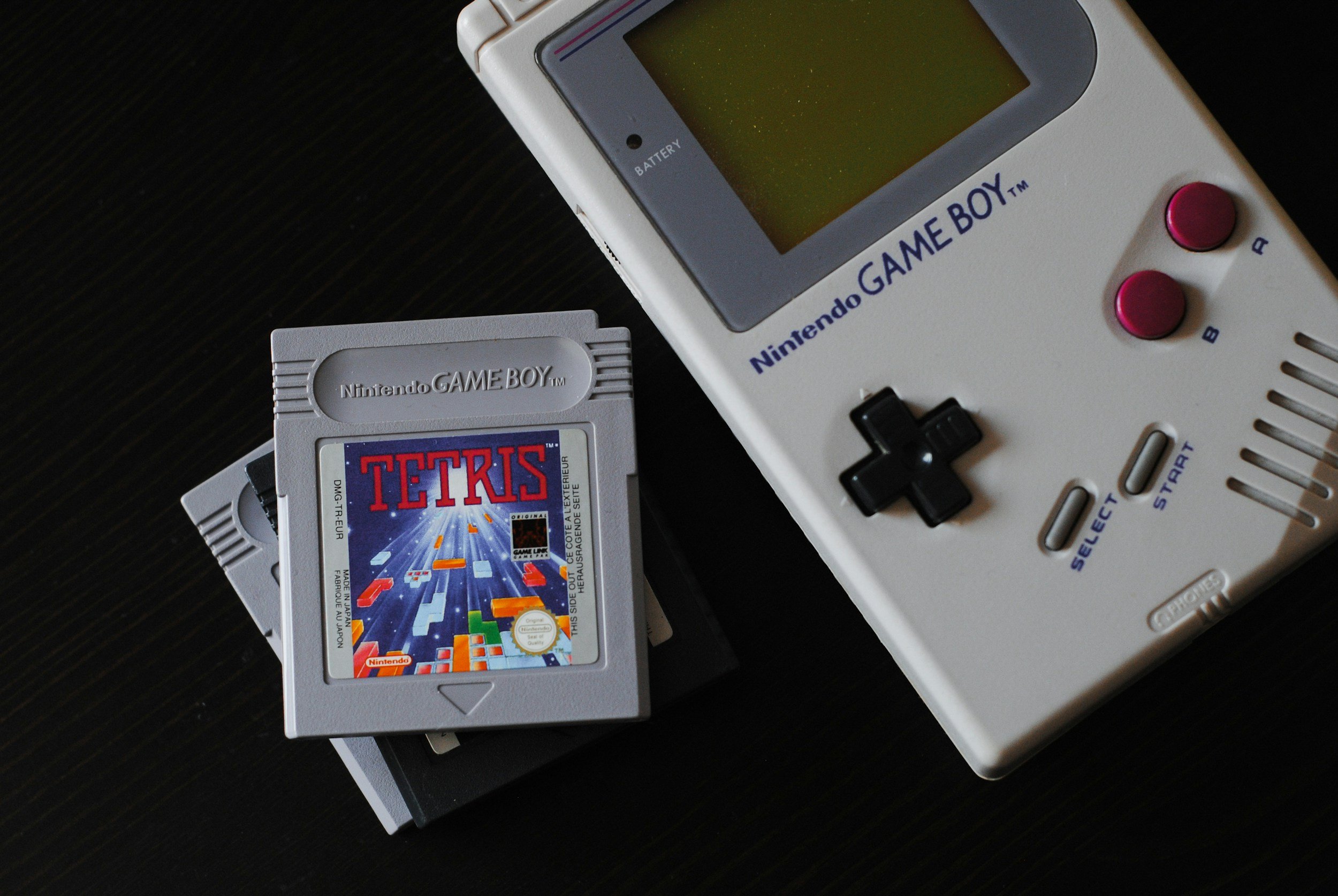
Tetris may look like pure reflex, but at its core, it’s about pattern recognition and mental rotation. High-level play requires planning several pieces ahead while maintaining a clean board.
This ability to quickly recognize patterns and adjust on the fly is critical in fast-paced modern games. Whether you’re reading enemy movement in a battle royale or managing visual clutter in a bullet-hell shooter, your brain is doing the same kind of work Tetris demands, just at a higher speed.
Platformers and Precision Thinking
Early platformers forced players to master timing, spacing, and consistency. There were no checkpoints every few seconds, and mistakes were punished immediately.
Classic platformers trained:
Muscle memory
Risk evaluation
Persistence under failure
Modern action games, from soulslike titles to competitive fighters, still rely heavily on these same skills. Players who grew up mastering precise jumps and tight timing windows often adapt faster to demanding modern mechanics.
Board Games and Social Intelligence
Many classic board games are as much about reading people as they are about rules. Games involving negotiation, bluffing, or hidden objectives teach players to interpret behavior and anticipate human decision-making.
This is especially relevant in team-based modern games. Understanding teammates’ tendencies, predicting opponents’ aggression, and communicating effectively under pressure are all extensions of social skills developed around a physical table.
Learning to Lose (and Learn Faster)
One of the biggest advantages classic games offer is how they handle failure. Losses are usually quick, clear, and instructive. You can often trace a defeat back to a specific decision or moment.
Modern games sometimes obscure learning behind complex systems or long matches. Classic games, by contrast, encourage reflection:
What move caused this loss?
What could I have done differently?
How did my opponent outplay me?
This mindset builds resilience and accelerates improvement, and these are two traits that every serious gamer needs.
Simplicity Builds Mastery
Classic games strip away noise and focus attention on core mechanics. This teaches players how mastery actually works: repetition, feedback, and adjustment.
When you bring this understanding into modern games, you’re less likely to chase gimmicks or blame external factors. Instead, you look inward, refine fundamentals, and steadily improve.
Bringing Old Skills Into New Worlds
You don’t need to abandon modern gaming to benefit from classic games. Even occasional play can sharpen your instincts and refresh your approach.
Think of classic games as mental cross-training. They strengthen the cognitive muscles that modern games rely on - strategy, focus, adaptability, and emotional control.
The Past Still Has Power
Older games might not be all singing, dancing, action-packed affairs that play out like mini-movies, but that doesn’t mean that they are boring, and it definitely doesn’t mean that they have nothing to offer us in the modern age. They have endured, and they have endured because they are not only great fun, but they have a lot to teach us. So, if you want to be the best gamer you can possibly be right now, you need to look to the past as well as the present.