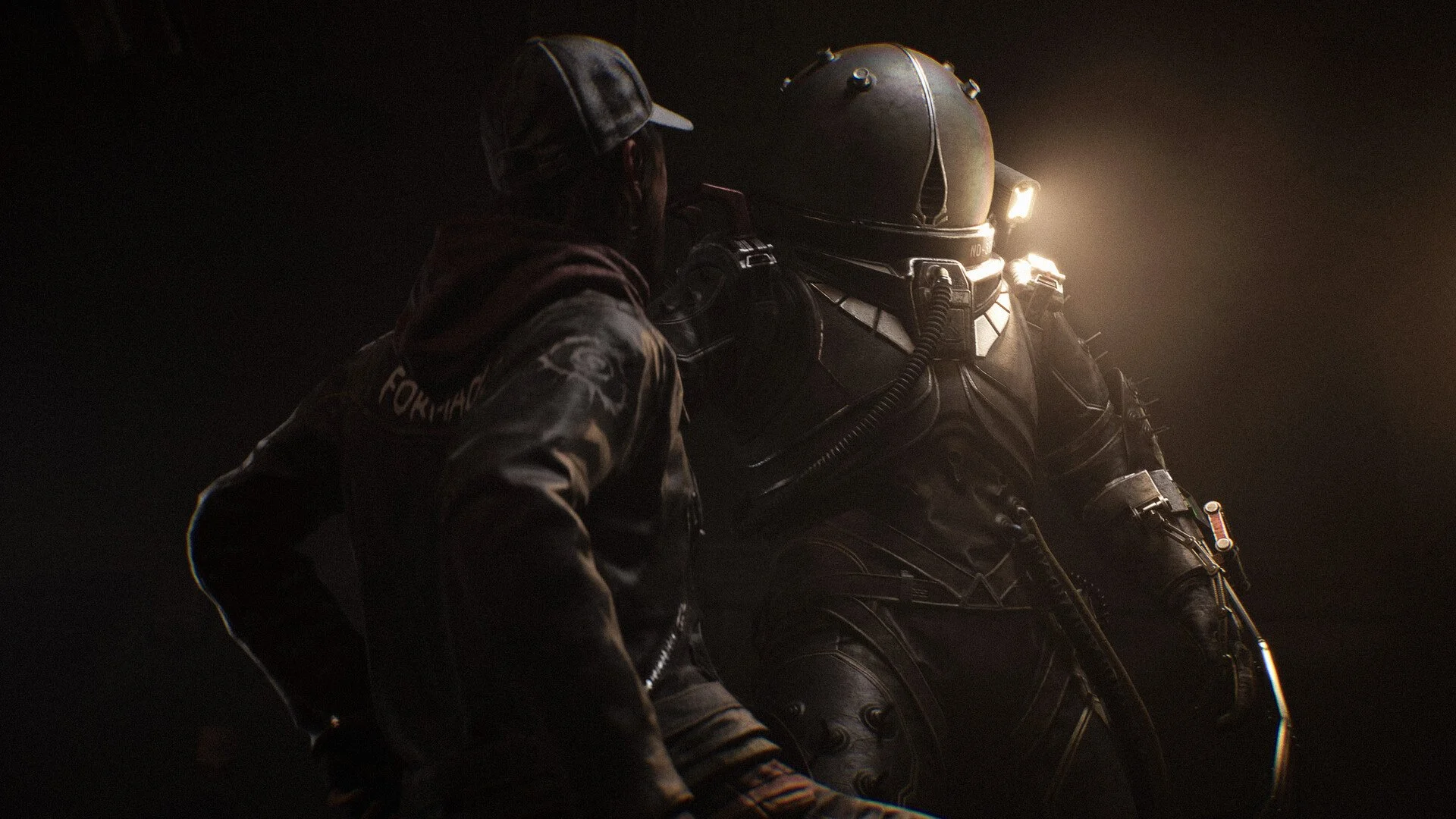
Cronos: The New Dawn is the latest horror installment from Bloober Team, and since its announcement it’s been whispered about as “the new Dead Space.” While I see the comparison, I don’t think it’s fair to paint it as just another spiritual successor. Cronos carves out its own identity with a chilling time-jumping premise, grotesque enemies, and some of the most suffocating survival mechanics I’ve experienced in years. The real question is: is it actually fun to play? Let’s dive in.
How does Cronos: The New Dawn play?
Set in a nightmare-soaked version of Poland, Cronos wastes no time establishing itself as a punishing survival horror experience. While most games in the genre hand you just enough resources to feel safe, Cronos does the opposite—you’ll often find yourself staring down three “orphans” with only two bullets to your name, forced to improvise or die trying. Every encounter feels like a puzzle, and resource management isn’t just suggested, it’s demanded.

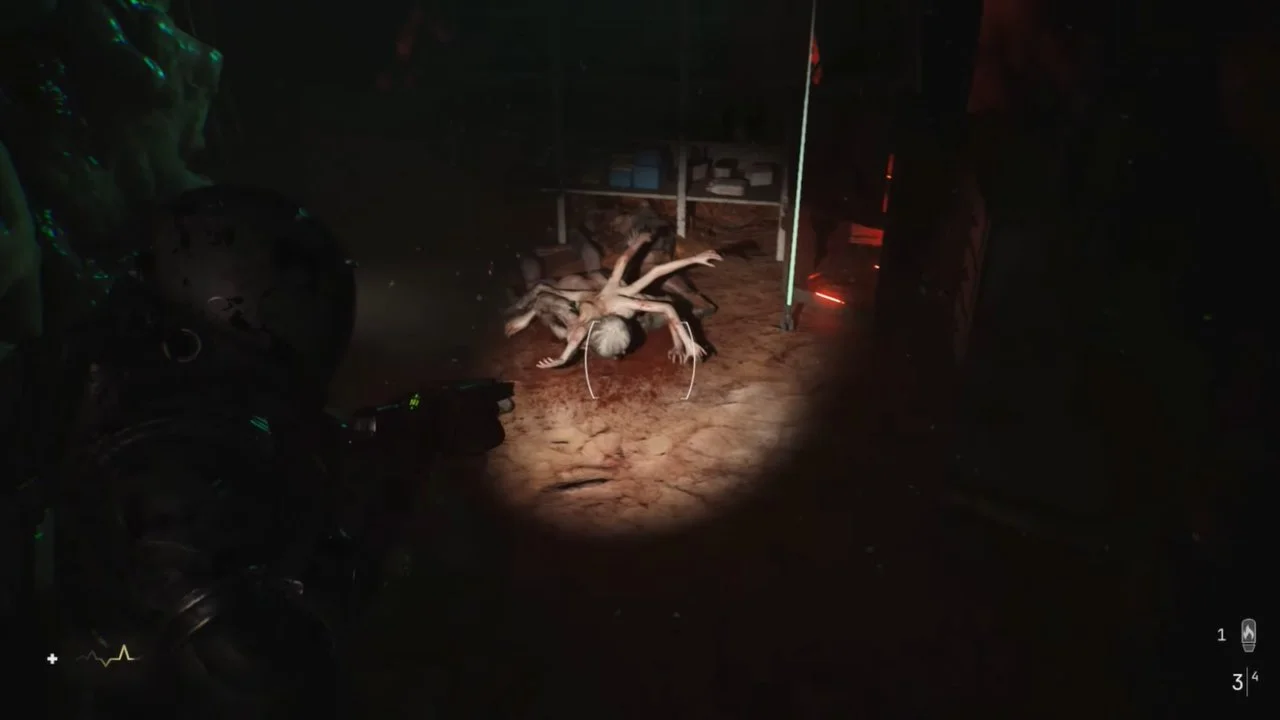
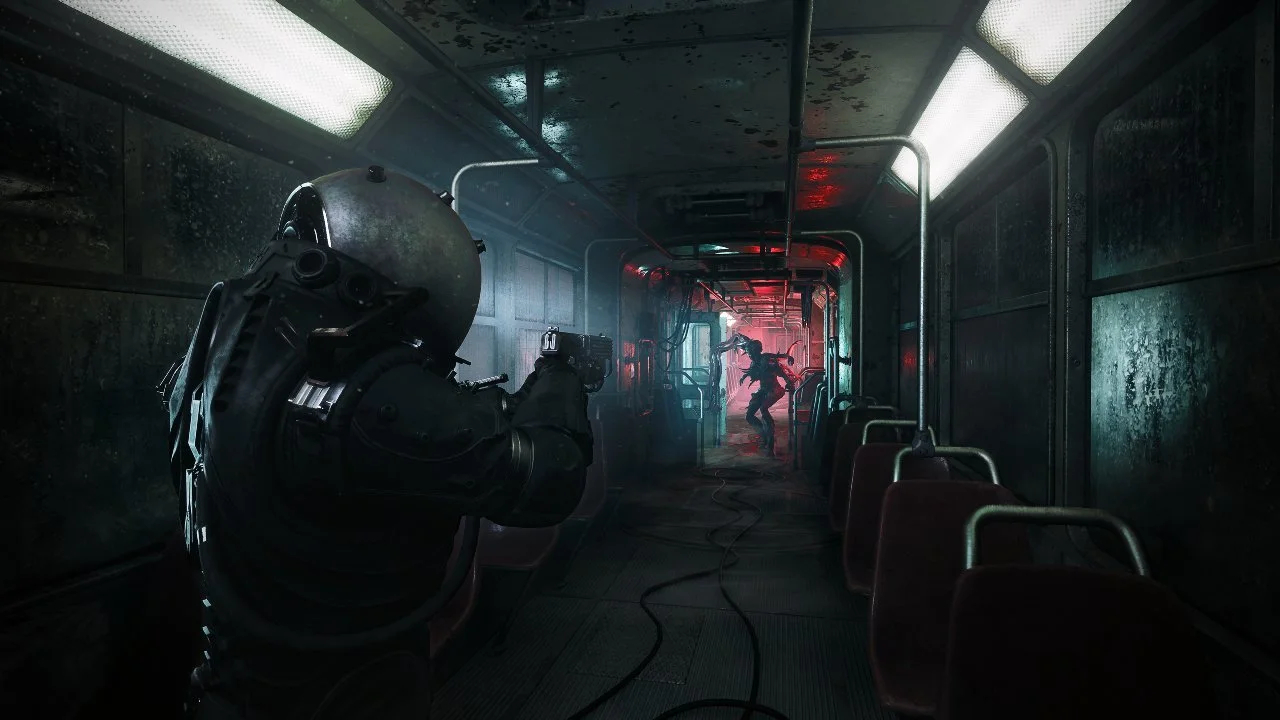
The orphans are unlike anything I’ve faced in horror before. They don’t simply attack—you have to worry about what happens after they fall. Leave a body behind and nearby orphans will absorb it, gaining new abilities such as armor or ranged attacks. Your only option is to burn the corpses, but that comes with risk: fire can draw out hidden enemies or waste precious resources you may need later. This constant tension makes every fight feel like a desperate scramble.
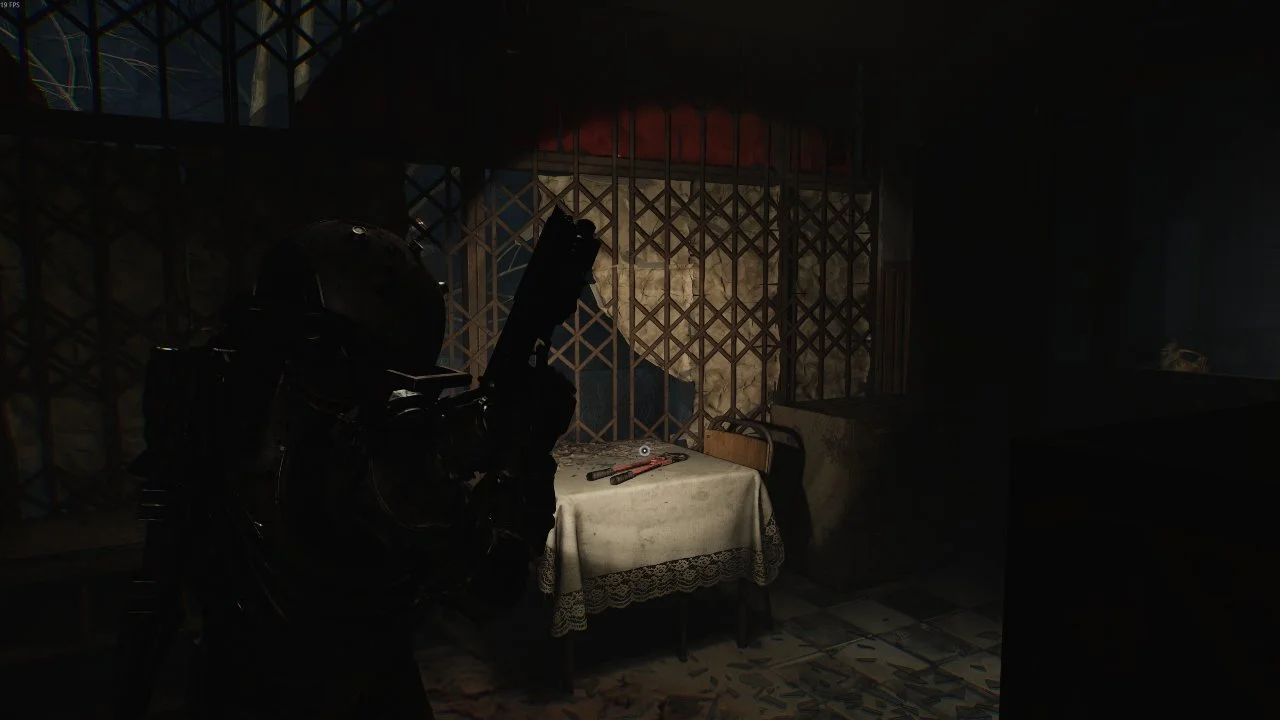
Exploration is equally punishing. In most horror games, scavenging means finding just enough to stock up before the next big encounter. Here, if you’re not tearing apart every corner of the world for scraps of ammo, energy, and crafting materials, you will regret it. Cronos doesn’t hand out freebies—you earn survival.
The upgrade system adds another layer of pressure. Your suit is improved by finding “cores,” usually tucked away in bases or locked behind clever exploration puzzles. These upgrades feel meaningful, whether it’s hardening your armor, or adding much needed inventory slots. They’re not just stat bumps—they can change how you approach encounters, which makes finding them incredibly rewarding.
Combat itself is tense and deliberate, though occasionally clunky. Being locked into third person makes melee distance hard to judge, and more than once I swung at air only to get shredded seconds later. Bullets can also hit geometry if you’re too close to walls or cover. While frustrating, these quirks almost work in the game’s favor—it’s another reminder that Cronos doesn’t want you to be comfortable.
Does Cronos: The New Dawn have a good story?
On the surface, Cronos’ story seems straightforward: a protagonist driven by purpose, fighting through a warped world where time itself fractures. But after the first major time jump—called an “ascension”—everything becomes less clear. Who can be trusted? What’s real, and what’s just a manipulation of time? The narrative toys with you, dangling answers just out of reach, and while it never goes off the rails, it keeps you second-guessing long enough to stay invested.
It’s a strong mix of grotesque body horror and psychological dread. Where other time-travel stories lean into sci-fi spectacle, Cronos keeps it personal and unnerving.
How are the graphics in Cronos: The New Dawn?

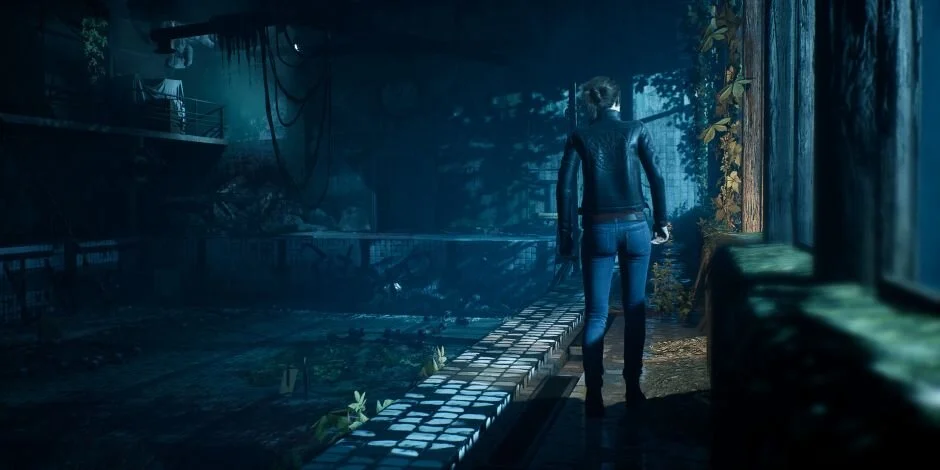
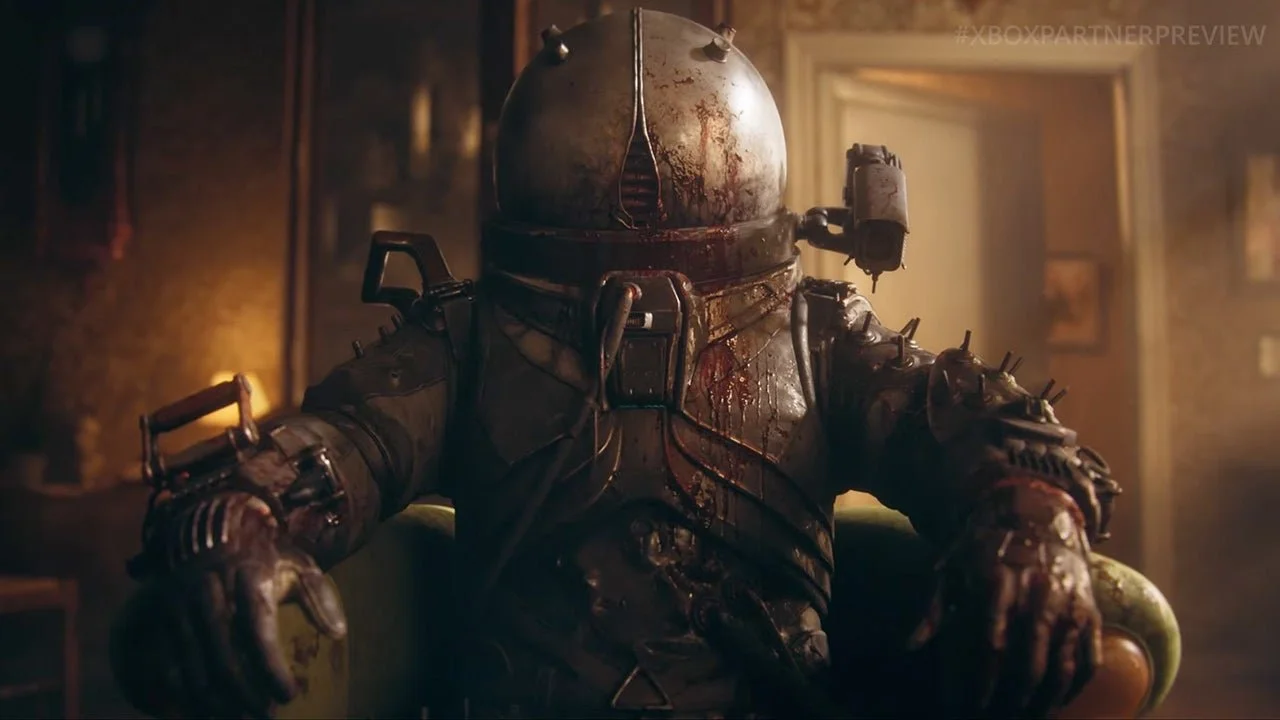
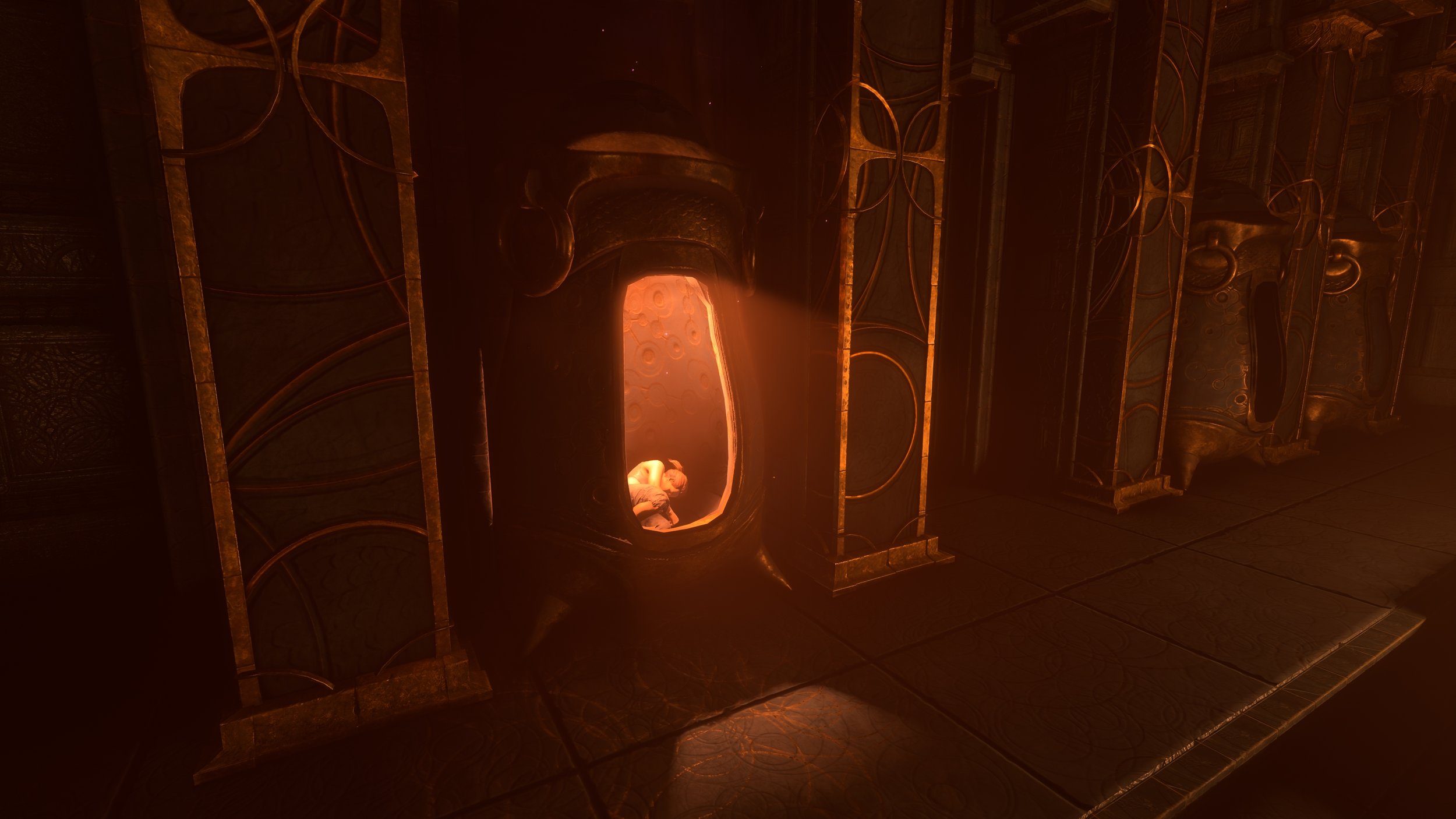
Cronos is a dark game—literally. The flashlight often feels like your only lifeline, forcing you to stare into every shadow rather than look away. Environments swing between massive, decaying structures and claustrophobic corridors where every corner feels like a trap. When the game lets you breathe, there’s a haunting beauty to its ruined world, but the orphans and the places they spawn are pure nightmare fuel—wet, grotesque, and textured in ways that make your skin crawl.
The sound design is equally excellent. The score keeps your pulse racing, but it’s the ambient details—the distant breathing, the creaks in the walls—that get under your skin. Cronos is one of those games where wearing headphones with good spatial audio works really well. And whoever handled the foley work deserves serious praise.
Is Cronos: The New Dawn Replayable?

Short answer, yes! Cronos offers a solid New Game+ mode, which any game with collectibles desperately needs. After finishing, you can start over on a harder difficulty with all your upgrades intact, giving you the chance to chase down missed collectibles—or, in this case, cats. Yes, in between all the grotesque horror, Bloober Team slipped in collectible cats you can stop to pet. It’s a small but delightful tonal break, and exactly the kind of detail that gives the game personality.
What is Cronos: The New Dawn missing?
Honestly, not much. Cronos: The New Dawn feels like a complete package for survival horror fans. Its monsters are unique, its world is atmospheric, and its mechanics genuinely make you feel like you’re surviving rather than mowing down hordes. My only gripes are minor: combat can feel a little stiff in third person, and the aiming occasionally betrays you in tight spaces. But those flaws almost become part of the identity of the game—you adapt, you get smarter, and you learn.
Is Cronos: The New Dawn good?
Cronos: The New Dawn isn’t just “the next Dead Space.” It’s something nastier, something more desperate, and something uniquely its own. Between the terrifyingly adaptive orphans, the scarcity of resources, and the unnerving atmosphere, it’s a horror game that makes you feel vulnerable in a way few modern titles do. It’s frustrating, punishing, and absolutely exhilarating. If you’ve been waiting for a horror game that doesn’t just spook you but truly tests you—Cronos delivers.
Cronos: The New Dawn is available September 5th on PC via Steam, Xbox Series X|S, PS5, and Nintendo Switch 2.