Disney Lorcana is getting a little overgrown with Attack of the Vine, a set filled with dangerous Vinelings, powerful Shift characters, evasive threats, and several cards that can completely take over a Limited game.
Attack of the Vine looks like an especially interesting set for sealed play because it supports several different strategies. Aggressive decks can build an early lore lead, tempo decks have plenty of ways to interrupt opponents, and slower decks gain access to removal, card draw, and some tremendous late-game bombs.
Whether this is your first Disney Lorcana prerelease or you’re looking for a few extra tips before opening your packs, this guide will help you identify the set’s best cards, build a consistent deck, and avoid some of Attack of the Vine’s biggest Limited traps.
What to Expect at the Attack of the Vine Prerelease
Attack of the Vine prerelease events begin today! One week before the set’s wider release on July 24. Formats may vary between stores, but prerelease events can be run using either Sealed or Pack Rush. You should always check with your local game store before attending to confirm its format, entry fee, round structure, and prize support.
For a traditional sealed event, you’ll open six Attack of the Vine booster packs and use those cards to build a deck containing at least 40 cards. Unlike Core Constructed, your deck can include any number of ink colors and more than four copies of the same card.
Even though you can play every ink color, that doesn’t necessarily mean you should. Most sealed decks will be more consistent when focused around two or three primary inks, with additional colors included only for especially powerful cards.
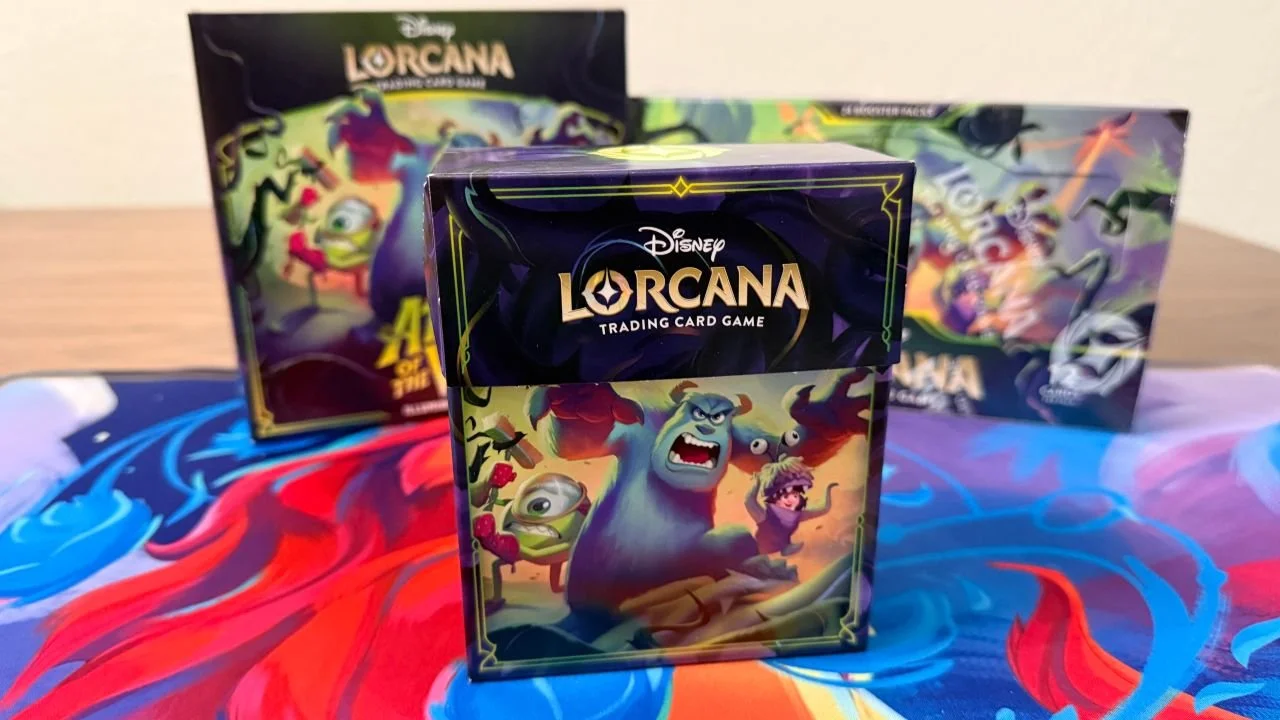
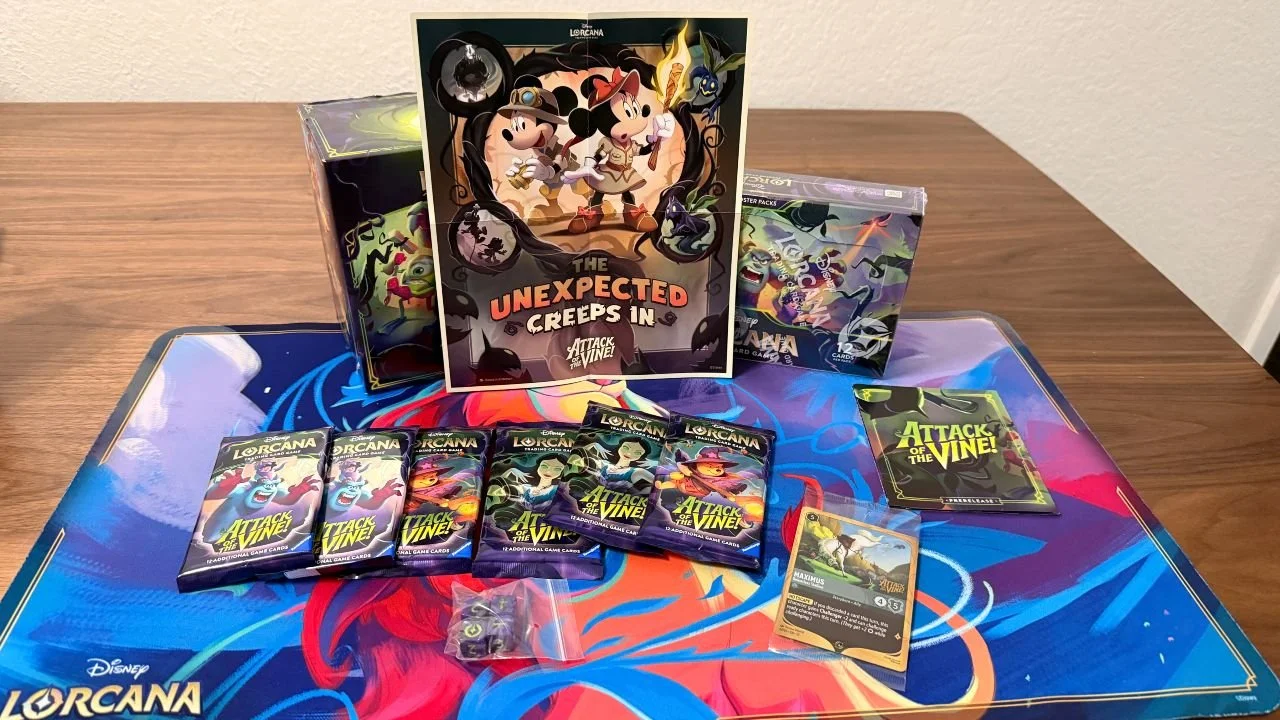
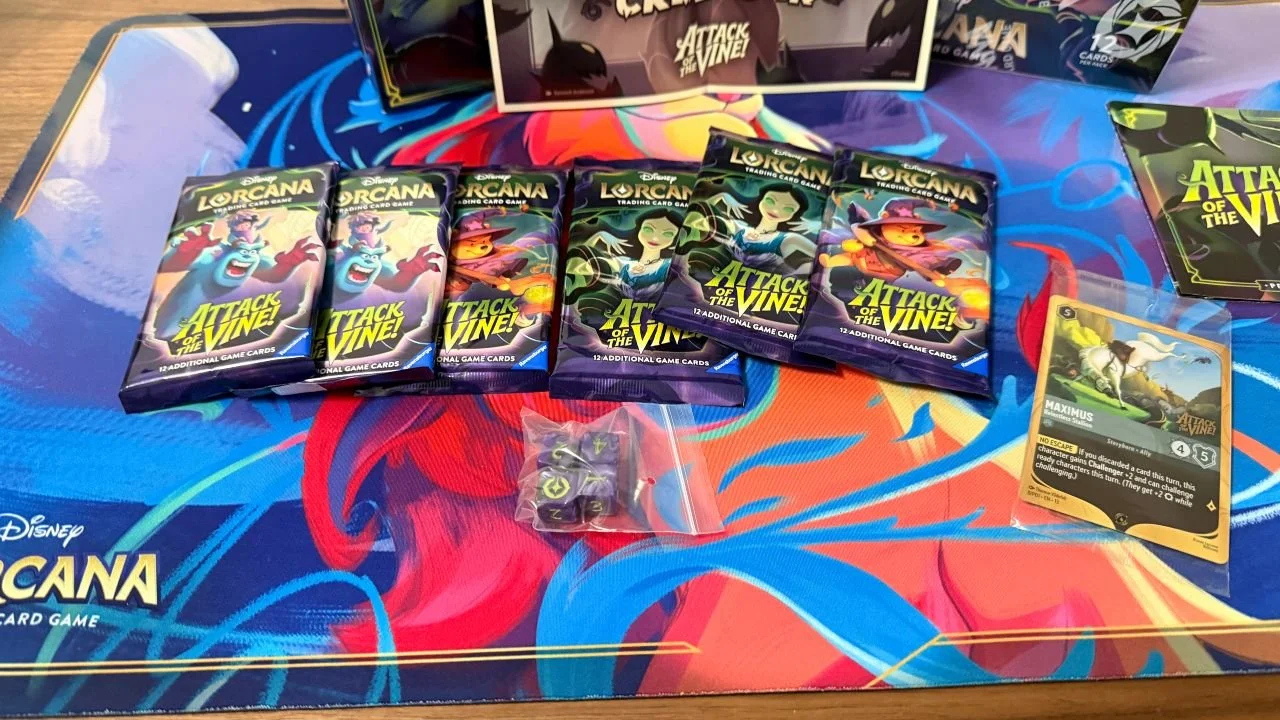
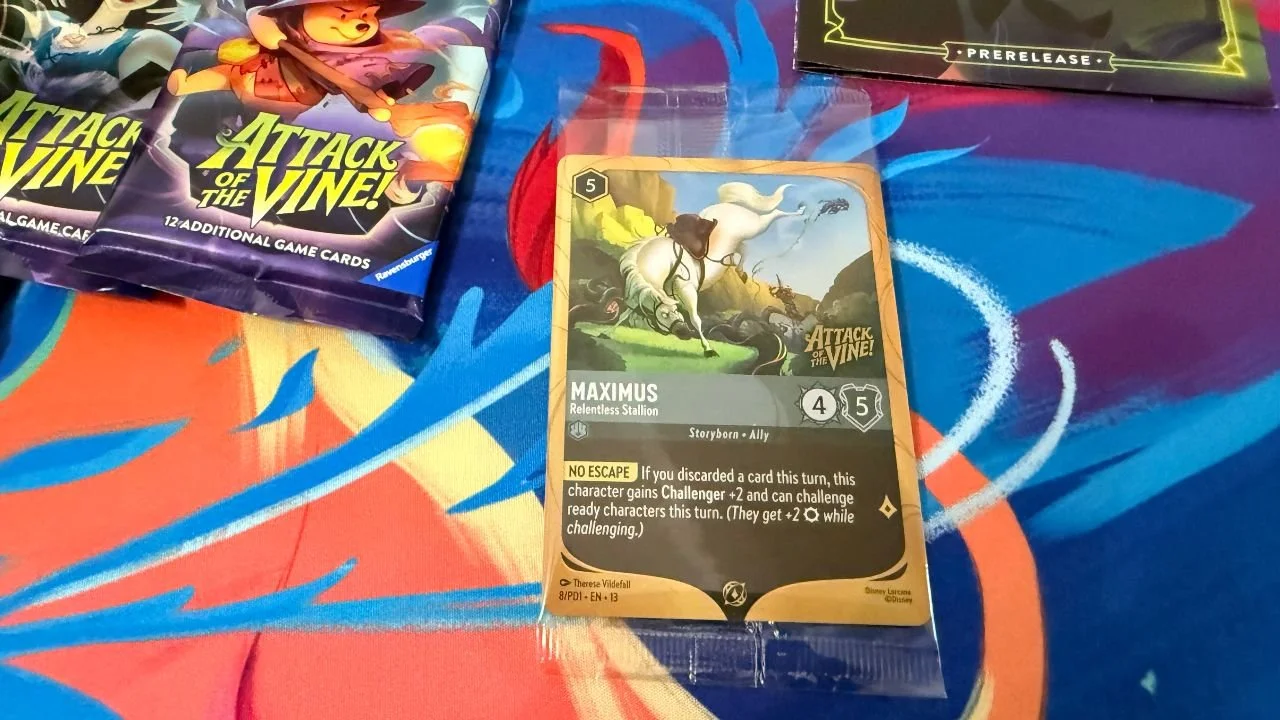
Attack of the Vine prerelease boxes contain six booster packs along with additional event supplies. Exact event contents and prize support may vary, so check with your store before arriving.
Bring card sleeves, a deck box, dice or damage counters, and anything else you normally use during a game of Lorcana. Most importantly, remember that prereleases are designed to be casual events where everyone is learning the set together.
What Is Attack of the Vine Trying to Do?
Attack of the Vine Limited revolves around four major ideas:
Establishing an early board
Choosing a clear strategy
Supporting that strategy during the midgame
Recognizing when it is time to stop trading and start questing
Unlike some sets where most sealed decks naturally become midrange piles, Attack of the Vine appears to support four legitimate deck styles: aggro, tempo, midrange, and control.
Aggressive decks want to play inexpensive characters and race toward 20 lore. Tempo decks also prioritize questing but use bounce effects, Evasive characters, and efficient removal to slow the opponent. Midrange decks rely on efficient characters and favorable challenges, while control decks aim to dominate the board before winning through card advantage and late-game bombs.
Your card pool should determine which strategy you choose. Don’t force an aggressive deck because that is your preferred style if your strongest cards clearly want you to play a longer game.
The Best Cards for Attack of the Vine Sealed
Below you’ll find some of the best cards you can find in the set to help edge you towards that victory.
The Horned King - Merciless Master
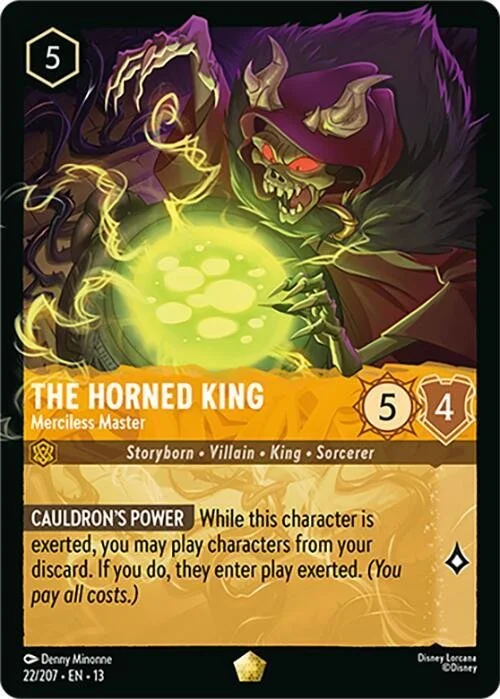
The Horned King may be the strongest sealed card in the entire set. While he is exerted, you can play characters directly from your discard pile, although they enter play exerted.
Sealed games frequently reach a point where both players have exhausted their hands and are relying on the top card of their decks. The Horned King effectively gives you access to a second hand filled with every character already in your discard pile.
The longer the game continues, the more options he provides. If your opponent cannot remove him quickly, the card advantage can become nearly impossible to overcome.
Peter Pan & Tinker Bell - Fast Friends
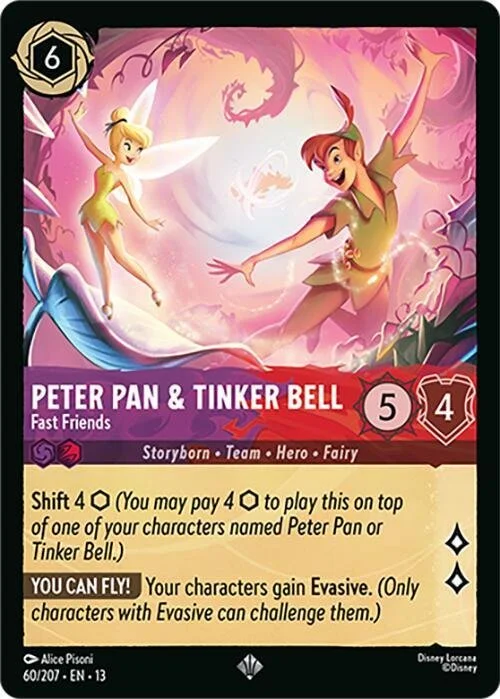
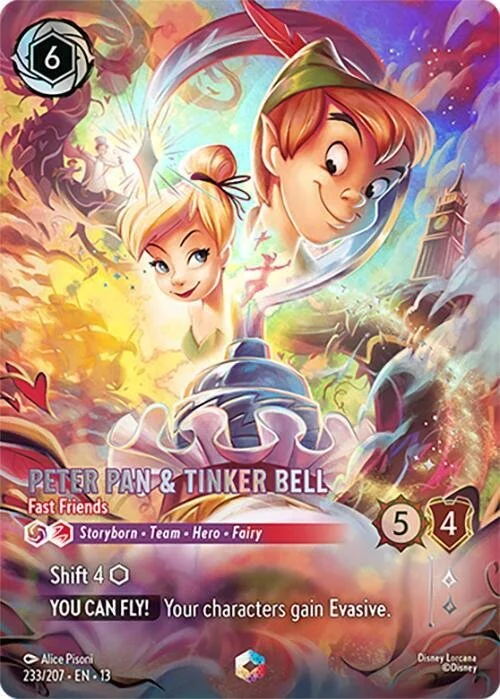
Evasive is tremendously powerful in Attack of the Vine because the set contains relatively few ways to challenge Evasive characters. Peter Pan and Tinker Bell take that problem to another level by giving your entire board Evasive.
If you can Shift them into play, you may suddenly create a board that your opponent is almost completely unable to challenge. Even when played normally, their stats and ability make them one of the set’s most dangerous finishers.
Don’t weaken your entire deck in an attempt to guarantee the Shift, but prioritize playable Peter Pan, Tinker Bell, or Morph cards if you open this bomb.
Rapunzel & Flynn Rider - Unlikely Pair
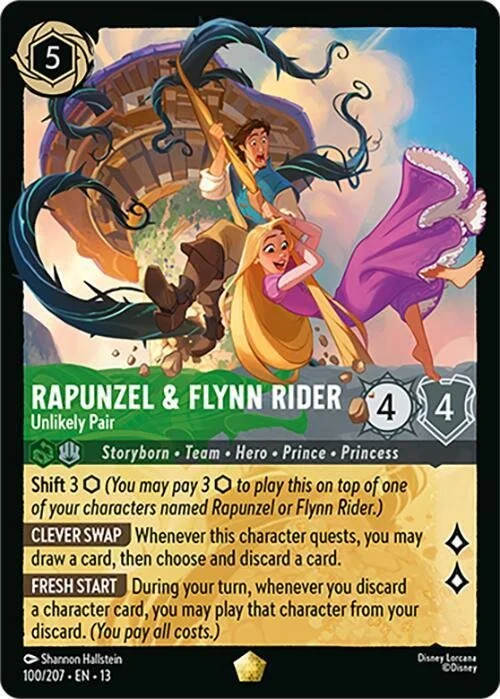
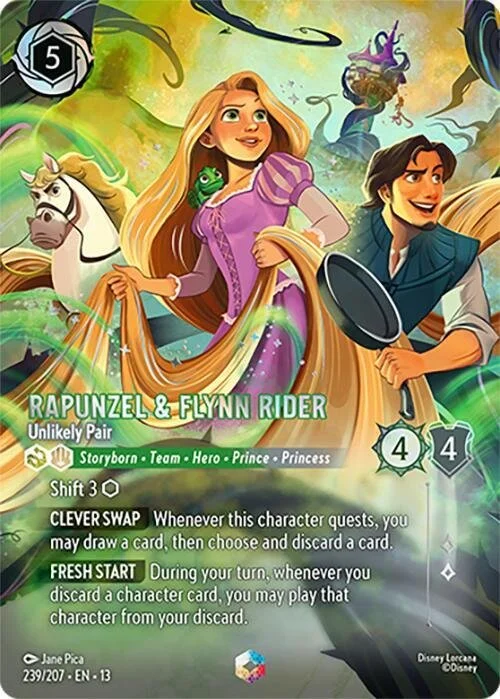
Whenever Rapunzel and Flynn Rider quest, you draw a card and then discard a card. More importantly, when you discard a character during your turn, you may play that character from your discard pile.
That means the card’s filtering ability can also help you develop your board. You get to improve the quality of your hand while potentially turning the discarded character into an immediate play.
Card advantage is already valuable in sealed. Combining card selection with free access to discarded characters makes Rapunzel and Flynn Rider one of the set’s best engines.
Dash Parr - Super Fast
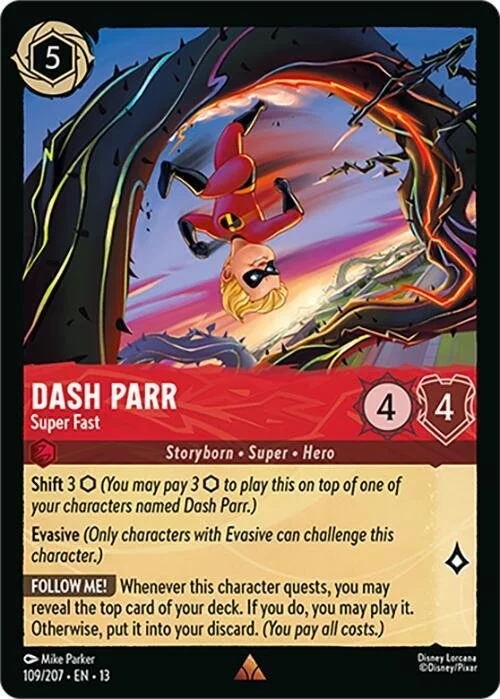
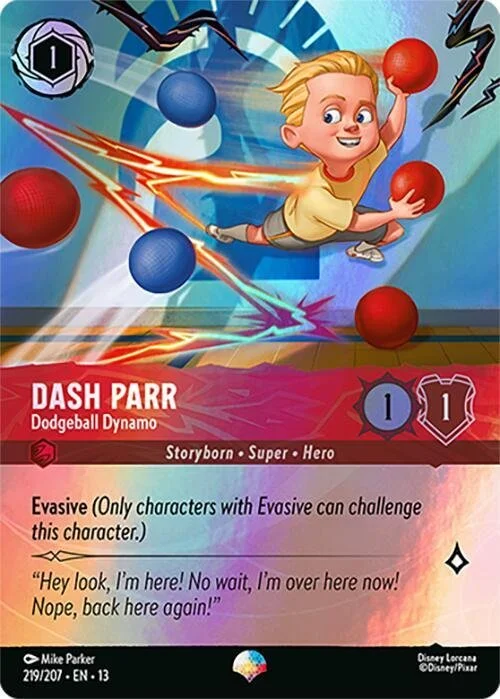
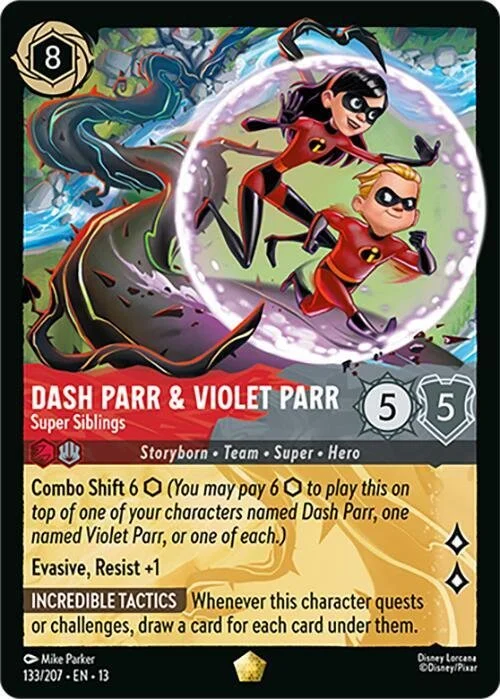
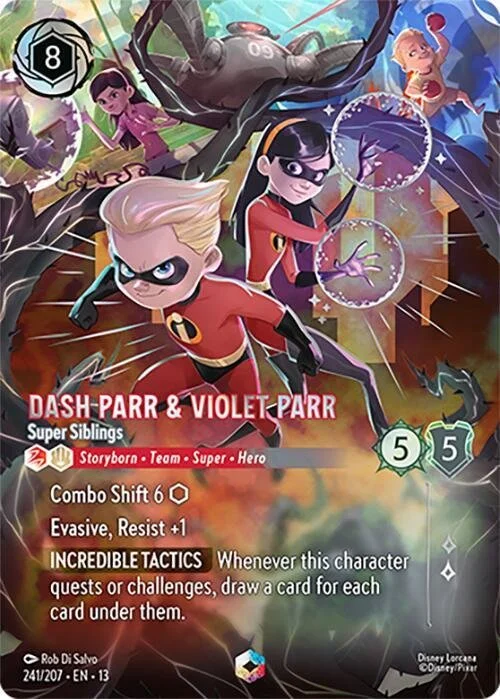
Dash Parr combines two things that are extremely valuable in Limited: Evasive and card advantage.
Whenever Dash quests, you reveal the top card of your deck. You may play that card, or it goes into your discard pile. Because Attack of the Vine contains several ways to use cards from the discard pile, even missing with Dash may provide future value.
Try to build enough ink before questing with Dash that you can play most cards you might reveal. Otherwise, you risk discarding a powerful card simply because you cannot afford it.
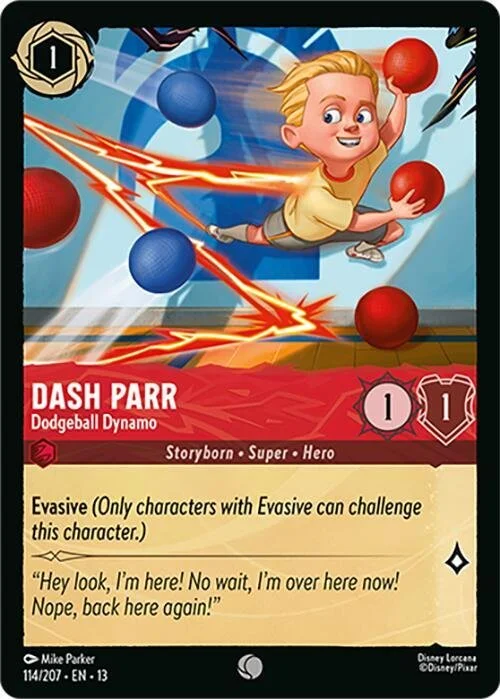
Dash Parr - Super Fast is the rare printing of Dash Parr, however all three cards with Dash Parr would be very good for this set. Dash Parr - Dodgeball Dynamo gives you Evasive at common for just 1 ink, and Dash Parr & Violet Parr - Super Siblings is a really strong card to give Evasive, resist, and card draw o’ plenty.
Sheriff of Nottingham - Vine Slayer
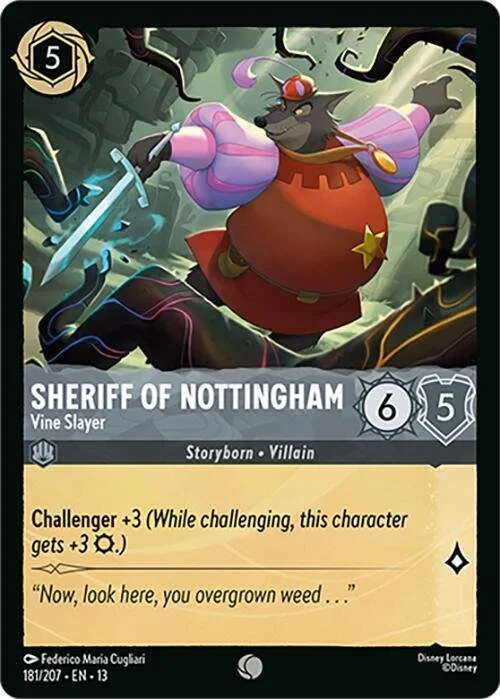
Sheriff of Nottingham is one of the best challengers you can open. His Challenger +3 takes him to nine Strength when challenging, allowing him to banish almost anything your opponent can play.
Not every Limited bomb needs an elaborate ability. Sometimes a large character capable of controlling the entire board is exactly what your deck needs.
Megavolt - Electrical Menace
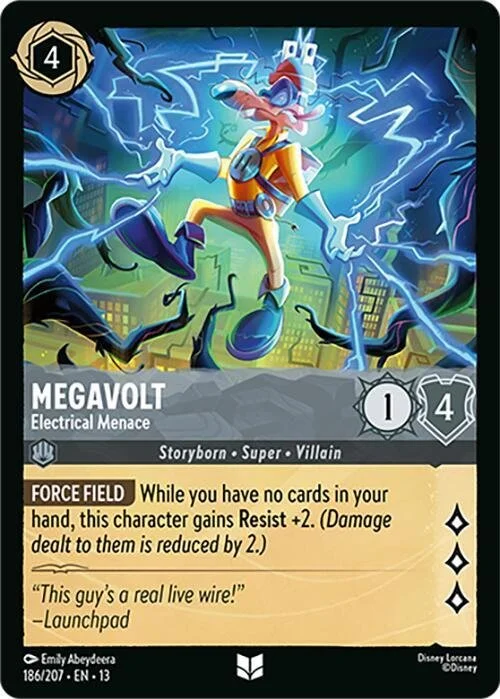
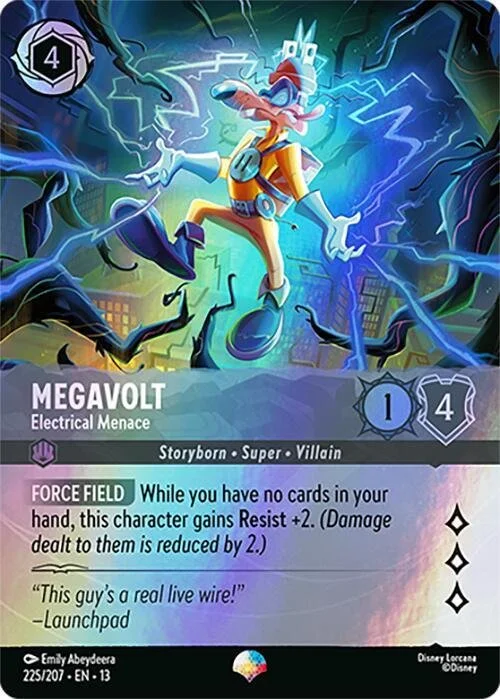
Questing for three lore already makes Megavolt a major threat. He becomes even harder to stop when your hand is empty because he gains Resist +2.
Running out of cards is fairly common in sealed, especially when both players are trading characters and playing one card per turn. That makes Megavolt’s condition much easier to activate than it might appear in Constructed.
Winnie the Pooh and Piglet - Hunny Mages
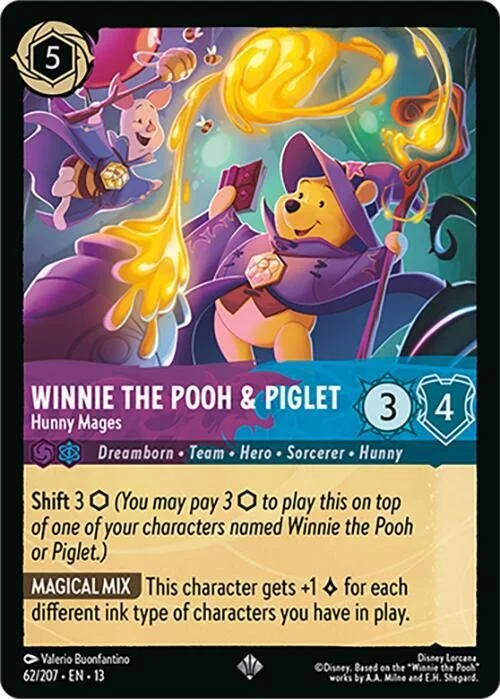
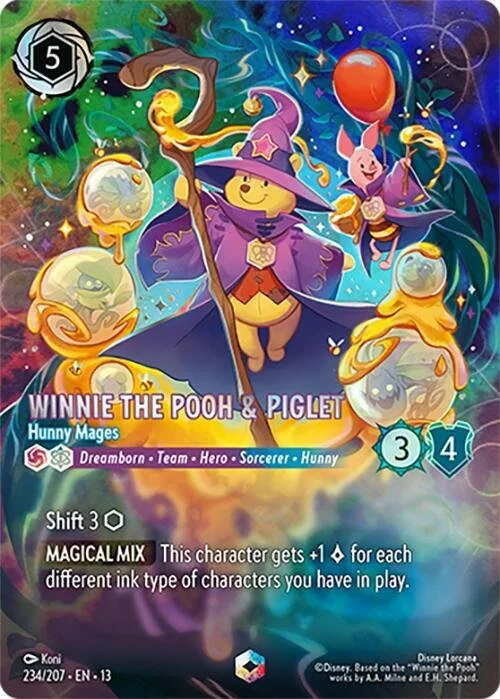
Winnie the Pooh and Piglet are uniquely suited to Limited because they gain additional lore for each different ink type among your characters.
Constructed decks are limited to two inks, but sealed decks can use all six. It is entirely possible for Winnie the Pooh and Piglet to quest for three, four, or even more lore during a single turn.
You shouldn’t fill your deck with weak cards solely to increase their lore value, but they become a devastating threat in a naturally multicolored deck.
Mushu - Stealthy Dragon
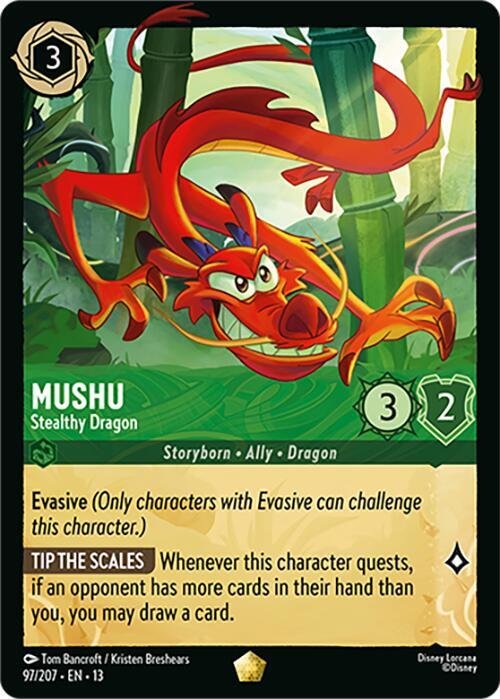
Mushu is another strong Evasive character in a set with limited answers to Evasive threats. Whenever Mushu quests while an opponent has more cards in hand than you, you draw a card.
That condition will come up frequently when you are going second or playing an aggressive deck that empties its hand quickly. Mushu can safely generate lore while preventing you from completely running out of resources.
Genie - Hard to Grasp
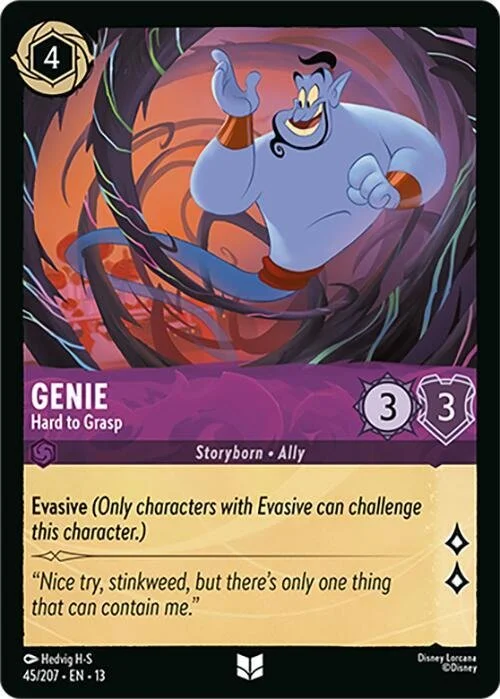
Genie may not look as explosive as the set’s Legendary bombs, but Evasive alone makes him a serious sealed threat.
There are only a small number of Evasive characters and Alert answers in Attack of the Vine. If your opponent doesn’t have one, Genie may be able to quest safely for several consecutive turns.
Lumpy – Hunny Druid
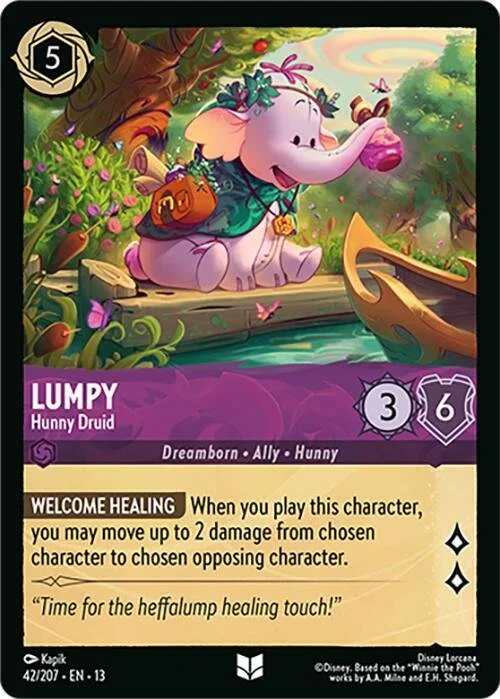
Lumpy can move up to two damage from one character onto an opposing character when he enters play.
That ability can save one of your characters, finish an opposing threat, or move damage between two opposing characters to create a better challenge. His value will change with the board state, but the potential swing makes him an excellent mid-to-late-game play.
Sulley – The New Boss
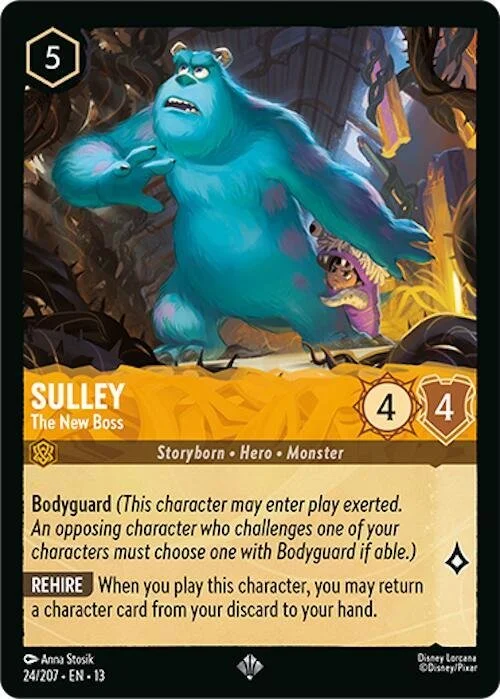
Sulley returns a character from your discard pile to your hand when played, giving you immediate card advantage. He also has Bodyguard, forcing your opponent to deal with him before challenging your more valuable questers.
Recursion, protection, and a solid body make Sulley useful in nearly every sealed deck.
Rapunzel – Tower Defender
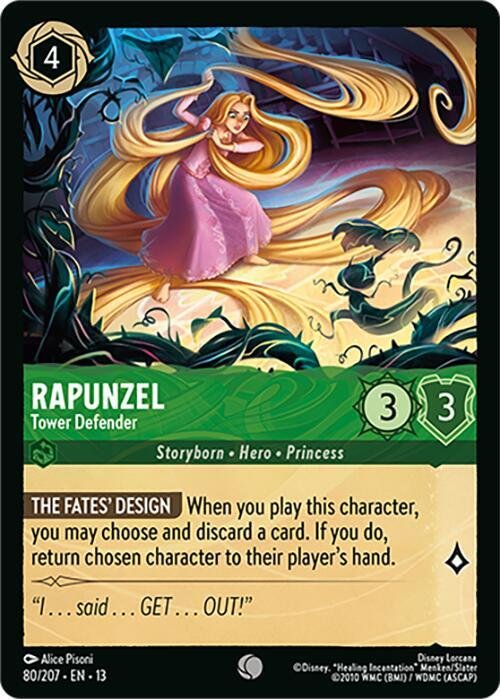
Rapunzel allows you to discard a card when she enters play to return an opposing character to its owner’s hand.
Bounce effects are especially powerful against expensive characters and Shift cards. Returning a Shift character can undo several turns of your opponent’s setup while forcing them to pay for the card again.
The discard cost is significant, but removing an immediate threat or opening a path to victory will often be worth it.
Other Cards to Watch For
Now that we’ve gone through some of the best characters in the set, here are some of the best songs, items, or actions you can hope for in your sealed pool.
Red Moon Ritual
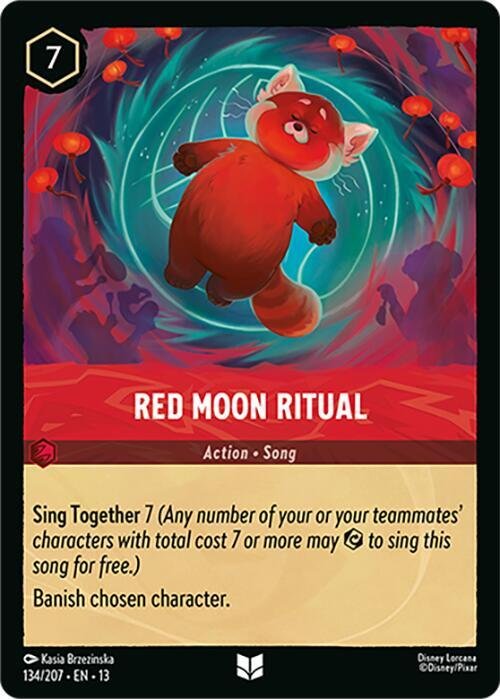
Red Moon Ritual is expensive and uninkable, but Sing Together makes it much easier to use. Being able to banish any chosen character gives you an answer to the set’s biggest bombs.
Try not to spend it on the first decent character your opponent plays. If you already control the board, save Red Moon Ritual for something you otherwise cannot answer.
Red Alert
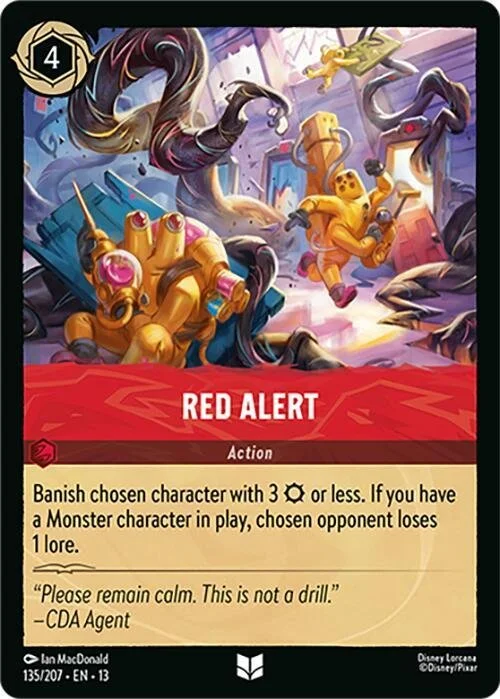
Red Alert can banish a character with three Strength or less. That limitation may appear significant, but a large percentage of Attack of the Vine’s characters fall within that range.
It is flexible, relatively efficient removal that can answer questers, Evasive threats, and several higher-rarity cards.
Put That Thing Back
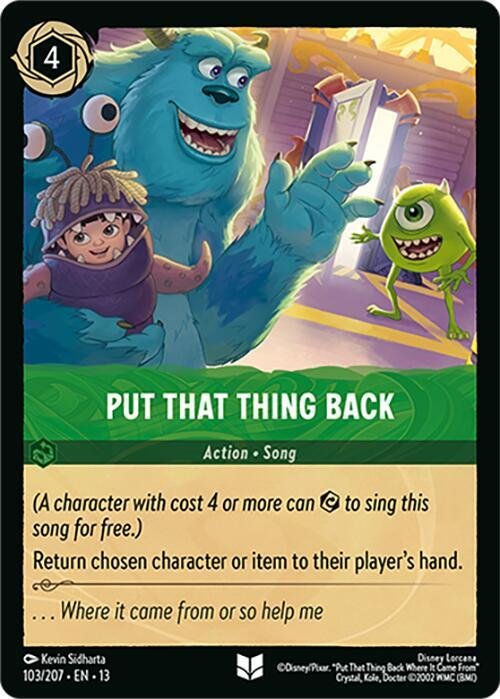
Returning a character to an opponent’s hand can create the extra turn an aggressive or tempo deck needs to reach 20 lore.
The card is also inkable, which makes it much easier to include. If the effect isn’t useful in a particular matchup or board state, it can simply become ink.
You Broke My Smolder
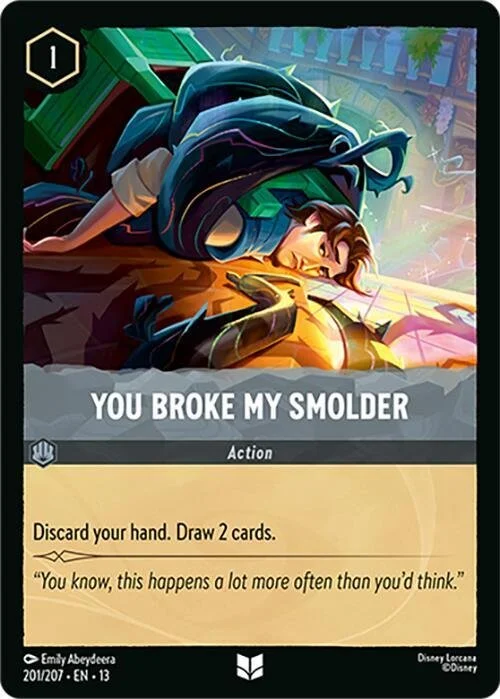
You Broke My Smolder requires you to discard your hand before drawing two cards. That sounds like a major drawback, but it becomes an efficient refill when your hand is already empty.
The first copy can be excellent in an aggressive deck that empties its hand quickly. Multiple copies are riskier because drawing one while already holding another can make both cards awkward.
Absorbing Bloom
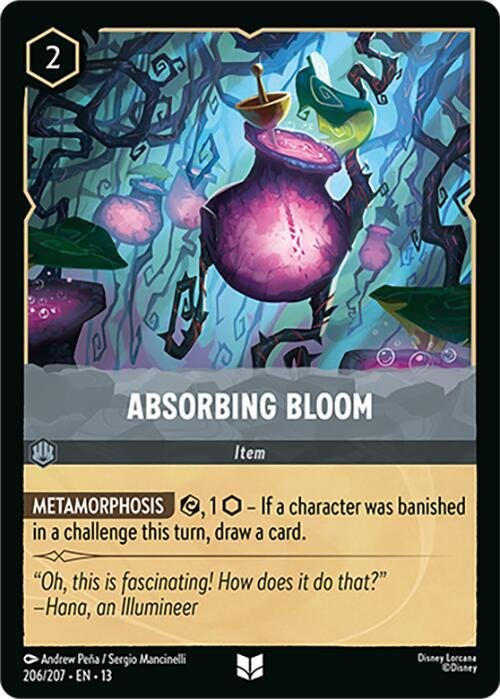
Absorbing Bloom allows you to pay one ink to draw a card whenever a character is banished in a challenge that turn.
Challenges happen constantly in Limited, so the potential for repeated card draw is real. However, Absorbing Bloom is uninkable and doesn’t immediately affect the board. Include it when your deck can afford a slower value card, but don’t prioritize it over characters needed to complete your curve.
Besties Assemble
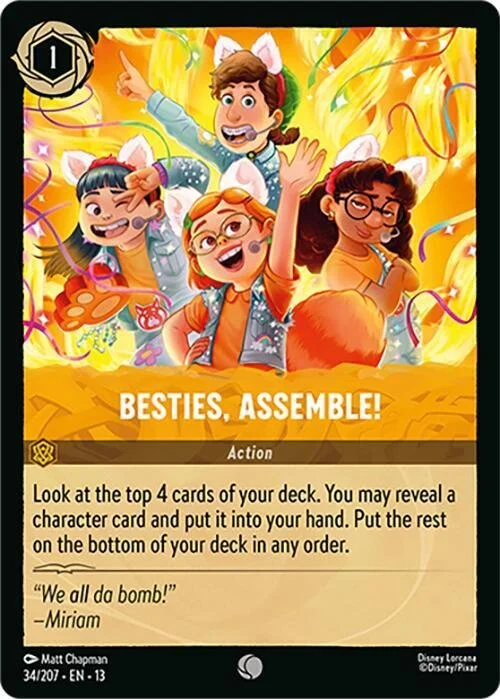
Besties Assemble looks at the top four cards of your deck and can put a character among them into your hand.
In sealed, you will normally have only one copy of your strongest Rare, Super Rare, or Legendary characters. Besties Assemble helps you find those bombs while keeping your deck moving.
Source of the Vine
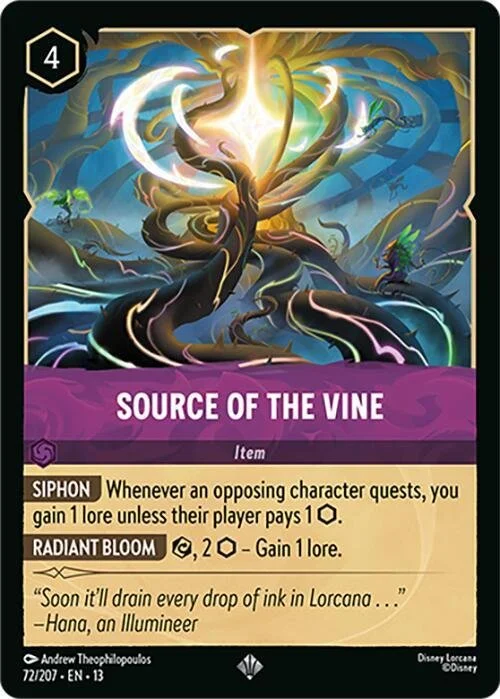
Source of the Vine forces an opponent to either pay one ink or give you one lore whenever they quest.
Early in the game, paying the extra ink can interfere with their development. Later, giving you lore may push you within range of victory. The item also gives you another way to generate lore if the board becomes stalled.
Best Strategies in Attack of the Vine Limited
This question always really depends on the cards you open in your sealed pool, but here are some of the best strategies you can run in Attack of the Vine.
Aggro
Attack of the Vine aggro decks want to establish characters immediately and start questing before slower decks can stabilize.
One-ink characters like Dash Parr are particularly valuable because Evasive makes them difficult to challenge. You Broke My Smolder can refill your hand after you deploy several cheap characters, while Randall Boggs can turn an outclassed character into additional ink.
Aggressive decks should keep their curve low and avoid loading up on expensive bombs that may never leave the hand. Your top end should help you earn the final few points of lore rather than merely extend the game.
Tempo
Tempo may be one of the best overall strategies in the set. These decks combine efficient questers with bounce effects, Evasive characters, and selective removal.
Put That Thing Back and Rapunzel – Tower Defender can temporarily remove blockers or major threats. Evasive characters like Genie, Mushu, and Dash Parr continue generating lore while the opponent struggles to interact with them.
The goal isn’t necessarily to destroy everything your opponent plays. You only need to delay them long enough to reach 20 lore.
Midrange
Midrange decks want efficient characters at every point on the curve. They challenge when a trade is favorable, maintain control of the board, and gradually transition into questing.
Cards like Sheriff of Nottingham, Lumpy – Hunny Druid, and Sulley – The New Boss are ideal because they provide strong bodies alongside removal, recursion, or protection.
Midrange is also a good fallback when your sealed pool doesn’t contain enough specialized cards to support a dedicated aggro or control strategy.
Control
Control decks need early characters to prevent aggressive opponents from building an insurmountable lore lead. Once the board is stabilized, cards like The Horned King and Rapunzel and Flynn Rider can take over through card advantage.
Red Moon Ritual is especially important because it answers threats that your characters cannot remove through challenges. Absorbing Bloom can also help you win a long war of attrition.
Don’t confuse control with doing nothing during the early turns. Even the slowest Attack of the Vine deck needs characters on turns one, two, and three.
Attack of the Vine Strategies to Avoid
Attack of the Vine contains plenty of flavorful synergies, but several of them appear too inconsistent for sealed unless you open an unusually deep pool.
Don’t Force Vinelings
Vineling synergies are one of the set’s main themes, but many of the individual Vinelings are underwhelming without support. A typical sealed pool may not contain enough of them to justify the weaker cards.
Play Vinelings that are already useful on their own. Treat their shared synergy as an added benefit rather than the primary reason they made your deck.
Be Careful With Hunny Synergies
Hunny cards face a similar problem. Some payoffs can be fun, but there may not be enough strong enablers in an average pool to build an entire deck around them.
Lumpy – Hunny Druid is excellent because he is powerful independently. Cards that are poor without multiple Hunny pieces should probably remain in your sideboard.
Avoid Weak Shift Packages
Attack of the Vine has several excellent Shift characters, especially with Morph available as a flexible Shift target. However, you shouldn’t play bad base characters solely because you opened the larger Shift version.
The best Shift packages use cards that are playable independently. If either half is nearly useless without the other, the chances of drawing both in the correct order may not justify including them.
Don’t Give Your Opponent Free Cards
Effects that allow both players to draw may look symmetrical, but you are spending the card and the ink to create that effect. Your opponent receives the cards without investing anything.
If I Didn’t Have You is the clearest example. Card draw is valuable, but helping your opponent refill their hand may undo all the advantage you hoped to gain.
Avoid Weak Locations
Locations can be difficult to justify in Limited because they don’t immediately contest the board. Uninkable locations are especially risky.
Unless a location generates significant lore or provides an effect that is central to your deck, you will usually be better served by another character.
Attack of the Vine Sealed Deck-Building Tips
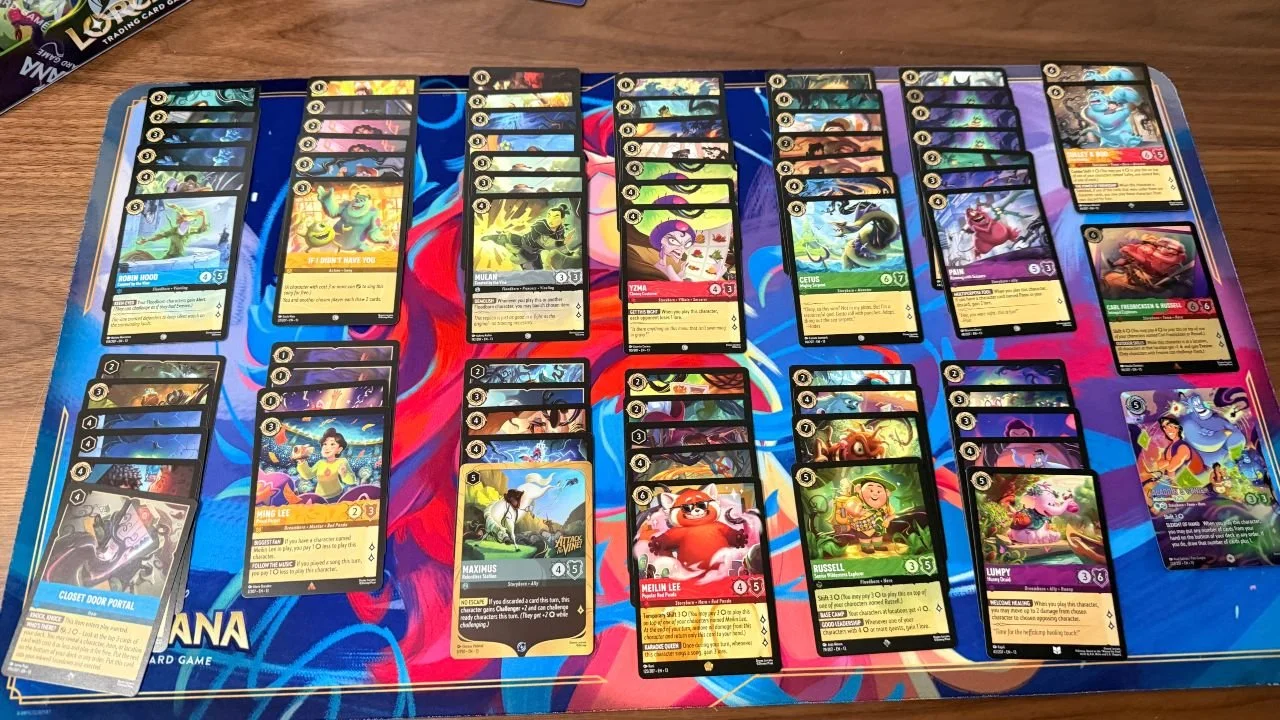
Now that we’ve gone over some of the best cards and strategies in Attack of the Vine here are some tips to help you actually bring that deck to life.
Build a 40-Card Deck
Although there is no maximum deck size, you should almost always play exactly 40 cards. Every additional card reduces the chance of drawing your best removal, questers, and bombs.
Prioritize Characters
Characters are the foundation of Limited. Start with roughly 28 to 32 characters, then adjust based on the quality of your Actions, Songs, items, and locations.
Actions should either remove a threat, create card advantage, or meaningfully advance your game plan. A minor combat trick usually isn’t worth replacing a dependable character.
Keep Your Uninkable Count Low
A 40-card deck should generally contain around four to seven uninkable cards. You can stretch slightly higher if your curve is low, but every additional uninkable increases the risk of getting stuck without a card to place into your inkwell.
Be especially careful with expensive uninkables. Drawing several in your opening hand can make an otherwise powerful deck nearly unplayable.
Establish an Early Board
Attack of the Vine rewards players who begin developing immediately. Try to include enough one-, two-, and three-ink characters to reliably play something during the opening turns.
Even control decks need inexpensive characters. Without them, aggressive opponents may reach 10 or more lore before your stronger cards enter play.
Choose a Primary Strategy
Your deck should primarily be aggro, tempo, midrange, or control. You don’t need to commit every card to that identity, but most of your deck should be moving in the same direction.
An aggressive opening followed by a hand full of slow control cards can leave you unable to finish the race. Likewise, a control deck filled with fragile questers may never stabilize the board.
Don’t Force Two Inks
Two-ink decks are easier to understand, but Limited has no ink-color restrictions. If your best cards are spread across three or four colors, you can play them all.
However, remember that cards like Winnie the Pooh and Piglet reward multiple ink types without making weak cards stronger. Don’t add a bad character simply to represent another ink.
Use BREAD When Evaluating Cards
A common Limited evaluation system is BREAD:
Bombs
Removal
Evasion
Aggro
Duds
Bombs are cards capable of winning the game if unanswered. Removal deals with your opponent’s bombs. Evasion allows characters to quest safely, while aggressive cards help establish early pressure. Duds are the cards you include only when your pool leaves you without better options.
BREAD isn’t an absolute rule, but it is a useful starting point when sorting your sealed pool or deciding between draft picks.
Attack of the Vine Draft Tips
If your local store is running a draft instead of sealed, you will receive at least four booster packs. Select one card from each pack before passing the remainder to the next player, alternating the passing direction with each new pack.
You will draft 48 cards and need at least 40 for your deck, meaning you can cut only eight cards. Every pick matters.
Start by taking powerful cards, efficient removal, and strong Evasive characters. Don’t commit to a specific synergy too early. Instead, pay attention to which cards continue making their way around the table.
If you repeatedly receive strong cards supporting the same strategy, that archetype may be open. If your preferred cards disappear immediately, the players beside you may be drafting them too.
Prioritize individually playable cards over narrow combos. Draft is more consistent than sealed, but you still can’t guarantee that every piece of a Vineling, Hunny, Toy, or Shift package will reach you.
Lastly, keep track of your curve and uninkable count during the draft. A pile of powerful five-, six-, and seven-cost cards won’t help if you have nothing to play during the opening turns.
Gameplay Tips for Attack of the Vine Prerelease
Attack of the Vine rewards early board development, but knowing when to switch from challenging to questing will decide many games.
Challenge while you need to stabilize or remove a threat that can race you. Once you control the board, start calculating how quickly you can reach 20 lore. Continuing to trade unnecessarily gives your opponent additional turns to draw removal or a bomb.
Respect Evasive characters. Attack of the Vine contains only a limited number of clean answers to them, so an apparently harmless Evasive quester can become a serious problem after several turns.
Save universal removal for threats that genuinely require it. Red Moon Ritual may be your only answer to Peter Pan and Tinker Bell, The Horned King, or another game-winning character. Don’t spend it on an average four-drop simply because you have enough characters to sing it.
Watch your opponent’s available ink and potential Sing Together combinations. A tapped-out opponent may still be able to use a powerful Song by exerting several ready characters.
Finally, don’t become so focused on card advantage that you forget the actual victory condition. Drawing extra cards is helpful, but you still need to quest. Once you have a safe path to 20 lore, take it.
Final Thoughts
Attack of the Vine has the potential to be one of Disney Lorcana’s most interesting Limited environments. Aggro, tempo, midrange, and control all appear viable, but every successful deck will need an early board and a clear plan for reaching 20 lore.
Evasive characters are especially dangerous, while efficient removal and repeatable card advantage should be prioritized whenever possible. Cards such as The Horned King, Peter Pan and Tinker Bell, Rapunzel and Flynn Rider, and Dash Parr can completely reshape a game, but strong fundamentals will still matter more than opening a single Legendary.
Build a focused 40-card deck, keep your uninkables under control, and don’t force synergies that your card pool cannot properly support. Most importantly, enjoy your first chance to explore everything growing inside Attack of the Vine.
For more upcoming Disney Lorcana, TCG, board game, and tabletop releases, check out our complete 2026 TCG and Tabletop Release Calendar.