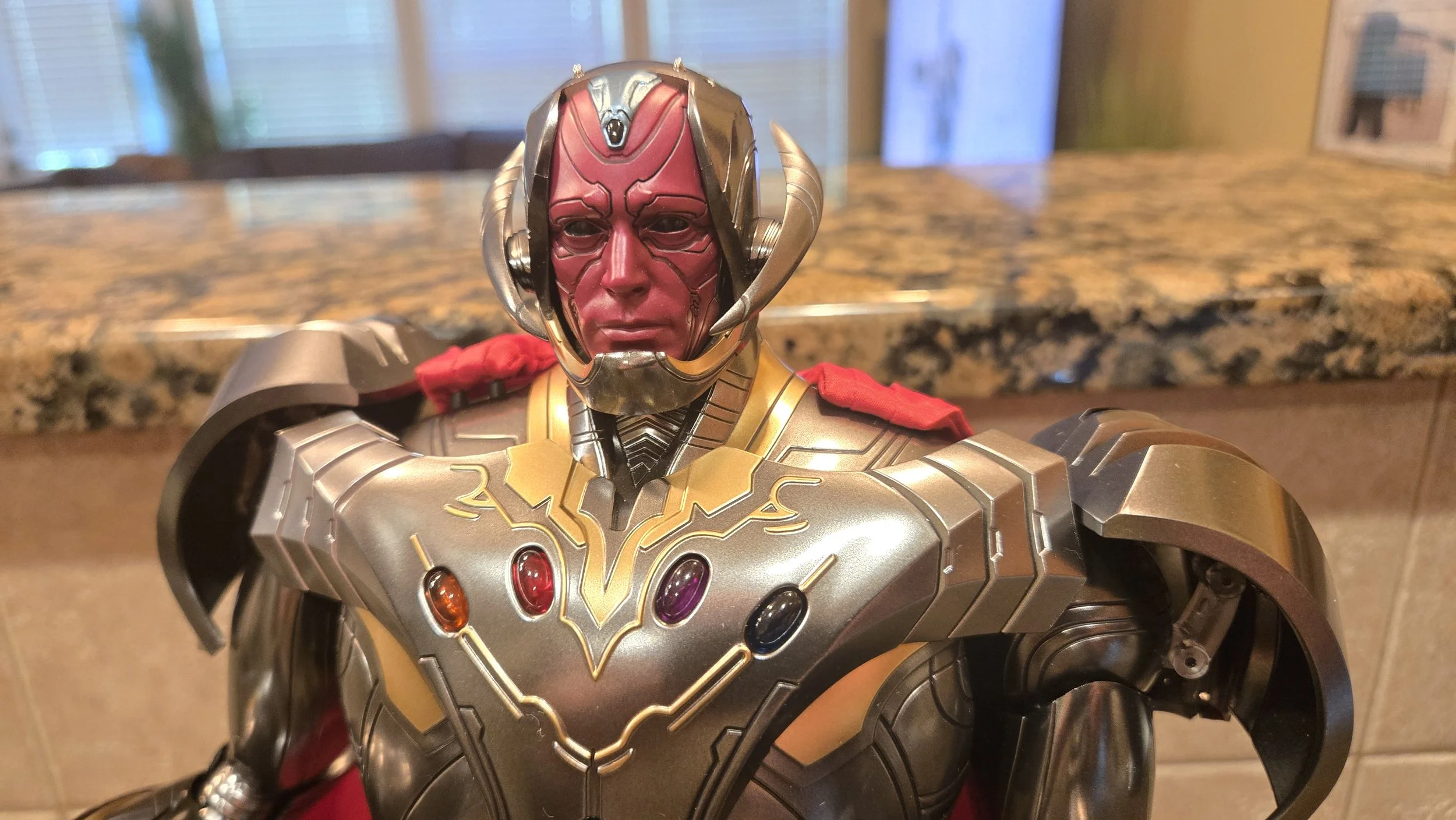
Three hours ago, FictionHorizon dropped photos of the new 1/6-scale Doctor Doom figure from Hot Toys, and the timeline has not recovered. Robert Downey Jr.'s Doom, cloaked in green and chrome, is arguably the most-discussed prop reveal of the year so far. Not bad for a villain who hasn't even appeared in a finished frame of Avengers: Doomsday yet.
Here's the part nobody's really talking about. Doom's entire character is built on calculated risk. He doesn't fight fair. He wagers everything on a single move he's already run the numbers on a thousand times in his head. That's not an accident of writing. It's the same psychology driving the people who'll pay four figures over retail the second this figure hits secondary market listings. Villains who gamble big make collectibles that collectors gamble big for too.
Why Doom Works as a Gambler, Not Just a Genius
Marvel has always coded its smartest villains as high-stakes players. Doom doesn't improvise. He calculates odds the way a professional poker player reads a table, and when he commits, he commits everything. Rolling Stone's coverage of Downey's casting noted the Russo brothers specifically wanted a villain complex enough to feel like the smartest person in every room. That's the appeal. Doom isn't reckless. He's the guy who knows exactly what he's betting and bets it anyway.
Compare that to the Collector. Half his scenes are essentially auction sequences dressed up as exposition. He hoards, he bids, he risks his own collection to acquire something rarer. Marvel keeps returning to this well because audiences respond to characters who treat power like a stake on a table. It's not subtle. It works anyway.
Collectors Go All In Too
Here's where it gets interesting for anyone who's ever fought a bot on a Hot Toys restock page. Rare variant chases aren't really about the figure. They're about the moment before you know if you got it. Limited runs, exclusive convention paint jobs, chase editions hidden in random cases. The entire secondary market for collectibles runs on scarcity and the adrenaline of not knowing if this is the drop where you win.
A 2024 Deadline gallery of the Avengers: Doomsday cast showed just how sprawling this ensemble has become, and every named character in that photo is a future figure, a future chase, a future line at midnight. That's not casual hobbyist behavior. That's the same all-or-nothing mentality that defines real high-roller casino culture, where players chase the rare outcome the same way collectors chase the rare paint job, and the stakes scale up until the win (or the loss) actually matters. Anyone curious what that looks like at the far end of the spectrum, where the bet sizes stop being symbolic and start being real money, should look at this SilverGames article on how VIP-tier platforms structure limits, payout speed, and exclusivity for players who treat risk as the entire point.
Gambling involves real financial risk, and collecting can carry its own version of that risk when secondary markets spike. Neither should be treated as a guaranteed win.
The Merch Machine Behind the Movie
What makes Doom specifically valuable to Marvel isn't just the character work. It's the licensing pipeline attached to him. Superhero blockbusters have quietly become merchandise engines first and box office events second, and National Review's breakdown of superhero economics makes the case that hidden revenue lines, toys, apparel, licensing deals, often dwarf what a film makes in theaters. Doom is the perfect villain for this model. He's visually distinct, instantly marketable, and complicated enough that fans want the figure on their shelf as a stand-in for the character's arc, not just a prop from a scene.
Variety's report on Downey's original casting reveal at the panel where this all started noted the crowd reaction was less "movie news" and more "stock announcement." That's telling. Doom was sold to the fandom as an event before a single trailer existed.
Scarcity Is the Whole Business Model
Think about how Hot Toys actually releases figures. Limited production runs. Staggered regional availability. Exclusive variants tied to specific retailers or conventions. None of that is incidental. It's deliberately engineered scarcity, the exact same lever every high-stakes environment pulls to make the win feel earned rather than guaranteed.
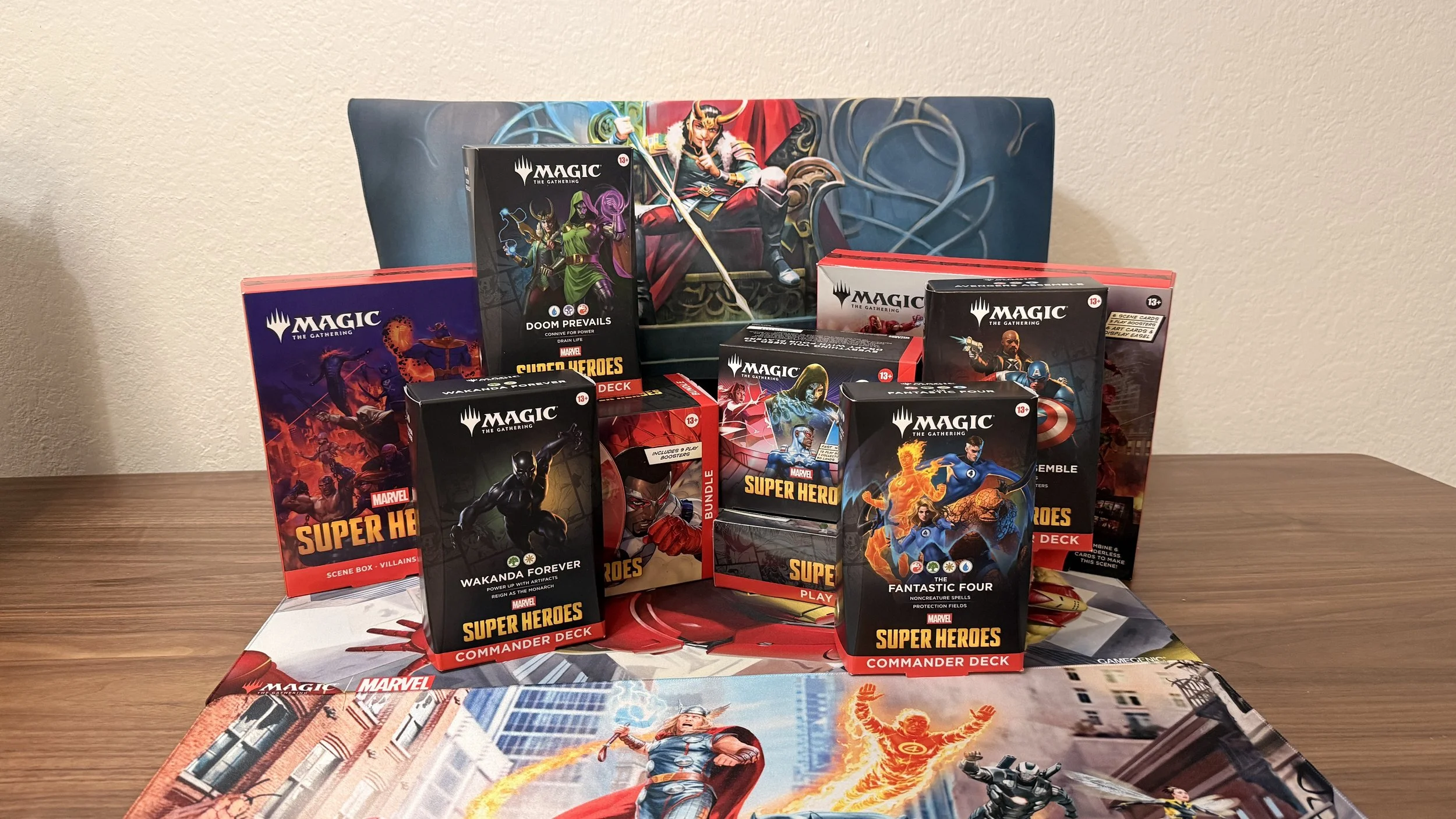
Compare this to how GameTyrant covered the Best Commanders From Magic the Gathering The Hobbit set. That set became one of the bestselling in Magic's history partly because Wizards understood the same principle: chase cards, alternate art, serialized numbering. Scarcity isn't a side effect of collectibles culture. It is collectibles culture. Doom's figure just happens to be wearing a cape while it proves the point.
Small wonder that when a figure like this drops, threads fill up within minutes. Not because the sculpt is objectively better than the last Hot Toys release. Because everyone knows this specific one won't be easy to get.
Where Doom Fits in Marvel's Bigger Gamble
Doomsday is shaping up to be Marvel's biggest bet since the first Avengers assembled in 2012. A cast this large, a villain this central, a multiverse-spanning plot that has to land cleanly after years of mixed reception to the Multiverse Saga. Marvel is wagering the health of its next five years of output on this movie working. Doom, as a character, mirrors that risk back at the audience. He's confident. He's calculating. And if he's wrong, the fallout is total.
That tension, between control and collapse, is exactly why he photographs so well as a collectible. A static figure captures a character mid-decision, right before the wager pays off or doesn't. Collectors aren't just buying a likeness. They're buying the tension.
FAQ
Why is the Doctor Doom Hot Toys figure getting so much attention right now? It dropped only hours before this piece was written, and Robert Downey Jr.'s casting as Doom has been one of the most-discussed Marvel decisions in recent memory. Combine a fresh reveal with an already-hyped character and you get an instant flashpoint on collector forums and social feeds alike.
Are Hot Toys figures a good investment? Some exclusive or limited runs appreciate significantly on the secondary market, but it's not guaranteed. Prices depend on production numbers, character popularity, and how the associated film performs. Treat it as a hobby purchase first, not a reliable financial strategy.
What makes Doctor Doom different from other Marvel villains in terms of merchandising? Doom combines a distinct, sculptable design with genuine narrative weight going into Doomsday. That combination, visually iconic plus story-central, is rare, and it's exactly what licensing teams look for when deciding which villain gets the premium figure treatment first.
Will there be more Doomsday-related figures announced before the movie releases? Almost certainly. Given the size of the confirmed cast and Marvel's typical marketing rollout, expect additional reveals for other major characters in the months leading up to release, likely timed around new trailers or panel appearances.
What This Means for Collectors Watching the Countdown
The Doom figure isn't just a preview of what's coming when Doomsday actually releases. It's a preview of how Marvel plans to sell the wait. Expect staggered reveals, exclusive variants, and scarcity built into every step between now and the premiere. Whether that excites you or exhausts you probably depends on how many times you've refreshed a preorder page at 2am already.
Disclosure: This is a paid guest post. The author or an affiliated third party paid for its publication, and the article may contain promotional links. The views and opinions expressed are those of the author and do not necessarily reflect those of GameTyrant or its editorial staff.