Disclosure: This is a paid guest post. The author or an affiliated third party paid for its publication, and the article may contain promotional links. The views and opinions expressed are those of the author and do not necessarily reflect those of GameTyrant or its editorial staff.
Disclaimer: The following content contains references to gambling, casinos, and related topics.

Anyone who logged into Arc Raiders on 8 October found a different game sitting under the snow. Frozen Trail, the biggest update since launch, dropped a new map in Pendola Pass, two new weapons, 22 new quests, a rebuilt Skill Tree and, buried in the patch notes, a whole new economy: Raider Decks became the Reward Pass, and Cred vanished entirely, replaced by Reward Points that flow straight into whichever pass is active. The full rundown is in GameTyrant's Frozen Trail 2.0 update breakdown, and the economy changes are the part long time players will still be arguing about at Christmas.
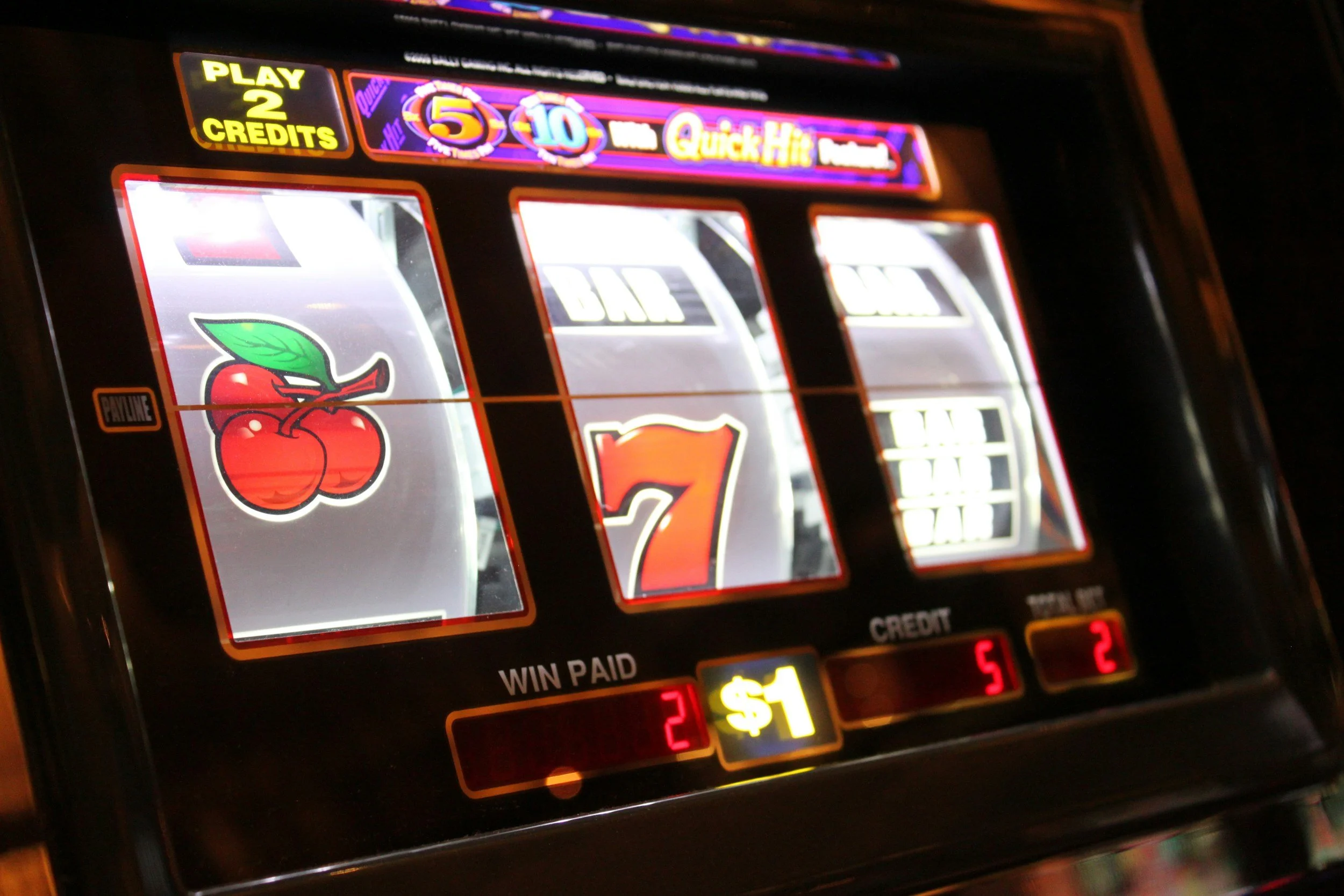
Players in Great Britain went through a similar before and after with slot games, only it was written into law rather than patch notes. For most of their history, online slots in Britain had no statutory limit on how much a player could stake on a single spin, while a fixed odds terminal in a high street bookmaker had been capped at £2 since April 2019. The machine in the shop had a ceiling. The same reels on a phone did not.
The "before" build
Picture a live service game with no spending limit on a single transaction and no cooldown between purchases. That was roughly how remote slot games worked until spring 2025. Operators set their own maximum bets, and those ceilings varied wildly from game to game and site to site.
Some guardrails already existed. Since October 2021, the Gambling Commission had banned autoplay and turbo or slam stop features, set a minimum spin speed of 2.5 seconds, forced games to show total losses or wins and time played, and stopped them from celebrating a "win" that paid back less than the stake. Those rules dealt with pacing and presentation. None of them touched the size of the bet itself.
For a gaming audience, that gap looks familiar. Years of loot box arguments have taught players that the biggest problems rarely sit in the mechanic itself. They sit in how fast and how deep a player can go before anything pushes back.
The "after" patch
The Department for Culture, Media and Sport consulted on a stake limit in summer 2023 and confirmed the numbers in 2024. The Gambling Commission's stake limit guidance sets out what went live: a £5 maximum per game cycle for adults aged 25 and over from 9 April 2025, and a £2 maximum for players aged 18 to 24 from 21 May 2025.
Two details matter more than the headline figures. The limit is attached to every remote casino operating licence, so it is not optional and no "high roller" opt out exists. And it covers slot games only. Roulette and blackjack sit outside it, which surprises plenty of players who assume a casino site applies one rule across the board.
Then came round two. On 19 January 2026, wagering requirements on gambling promotions were capped at 10 times the bonus, and offers that force a player to mix products (say, betting on football to unlock casino spins) were banned. Most recently, from 30 September 2026, only a gross limit on deposits can be labelled a "deposit limit", so a "net" setting dressed up as the real thing is no longer allowed.
What the numbers do to a session
Combine the £5 cap with the 2.5 second spin floor and the maths gets very concrete. At the fastest legal pace, a player gets 24 spins a minute. At £5 a spin, that's a theoretical maximum of £120 staked per minute for anyone 25 or older, and £48 a minute for an 18 to 24 year old on the £2 cap. Both figures are ceilings, not targets, but they show how the rules shape a session rather than just a single spin.
Bonuses changed shape too. Under the old system, a £10 bonus with 50x wagering meant £500 of play before anything could be withdrawn. Under the 10x cap, that same £10 tops out at £100 of required play, and some sites now advertise free spins with no wagering at all. Anyone comparing slots online in 2026 is looking at offers built around these limits, so the small print reads very differently from guides written three or four years ago.
The Reward Pass comparison
This is where Arc Raiders makes a surprisingly good teaching tool. Embark's Premium Pass costs 1,150 Raider Tokens, about $9.99, and can pay back up to 1,150 tokens across its 60 levels. Embark has also kept weapons and gadgets out of the premium track, so paying buys cosmetics, not power. The design question is the one regulators asked about slot bonuses: how much has to go in before anything worthwhile comes back out?
Free spins and wagering requirements are the casino version of that loop. A free spin is a reward with strings attached, and the wagering multiplier is the grind needed to turn it into something withdrawable. Britain's 10x cap shortened that grind in the same way a pass designer might cut the levels needed for the final reward.
The difference is what is at stake. A Reward Pass that goes unfinished costs a cosmetic. A slot session costs real money, which is why one gets a design document and the other gets a statutory instrument.
The current build
None of this makes slots something new. They are the same reels with a hard spending ceiling per spin, and the bonuses attached to them can no longer demand play worth 50 times their value. Arc Raiders players spent this week learning a new economy from scratch, and the smart ones read the patch notes first. British slot players who started before 2025 are in the same position, and the rule change is worth reading before the next spin.