Disclosure: This is a paid guest post. The author or an affiliated third party paid for its publication, and the article may contain promotional links. The views and opinions expressed are those of the author and do not necessarily reflect those of GameTyrant or its editorial staff.
Disclaimer: The following content contains references to gambling, casinos, and related topics.
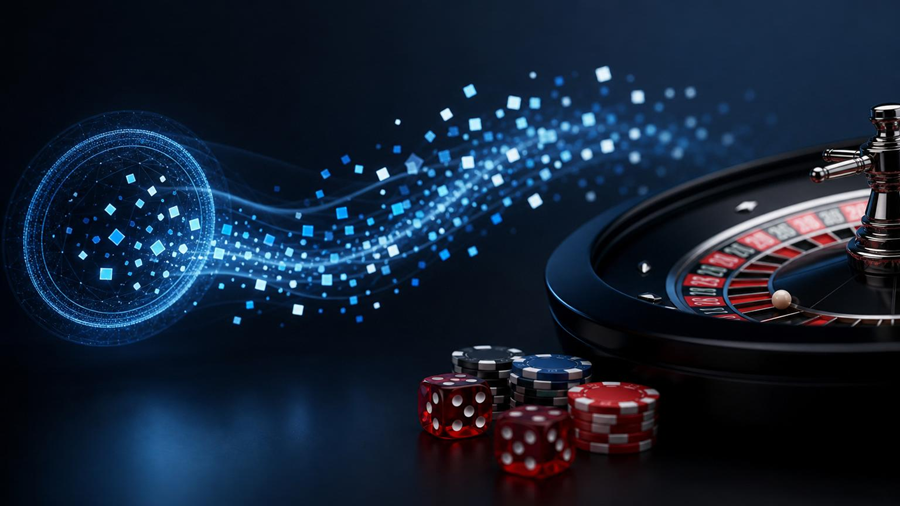
Random Number Generator (RNG) is a core pillar of many game genres. A sense of unexpected randomness can throw off your plans and send you scrambling for new solutions, or it can save you at just the right time. If you ever played XCOM and made that 35% shot, you’ll know that randomness in gaming is excellent when used well.
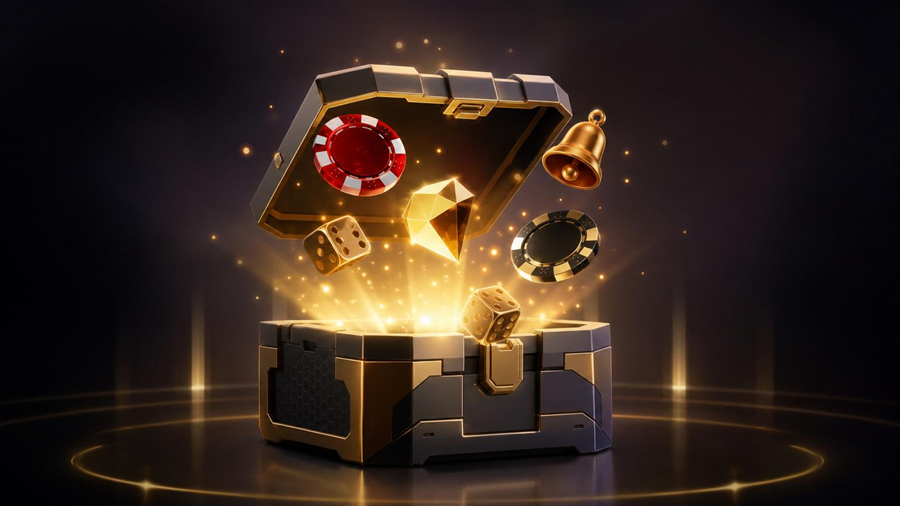
However, the rise of the free-to-play model in games has opened the door for randomness to extend beyond success chances or lucky loot drops. EA Sports FC and Overwatch led the way with lootboxes, with completely randomized rewards. Then there are gacha games, where you’re not just hoping for the right character to drop, but also at the right level.
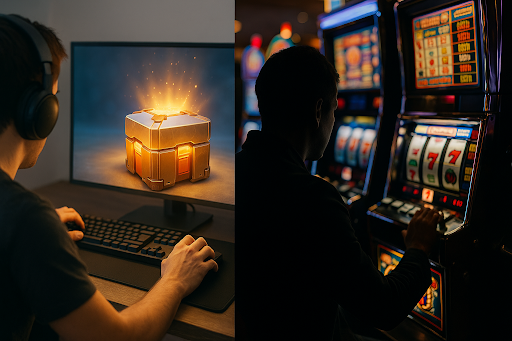
These elements blur the lines between gaming and gambling, as both tap into variable reward schedules and player psychology to hook players. We’ll explore how it all comes together in this article.
The Psychology of the "Variable Ratio"
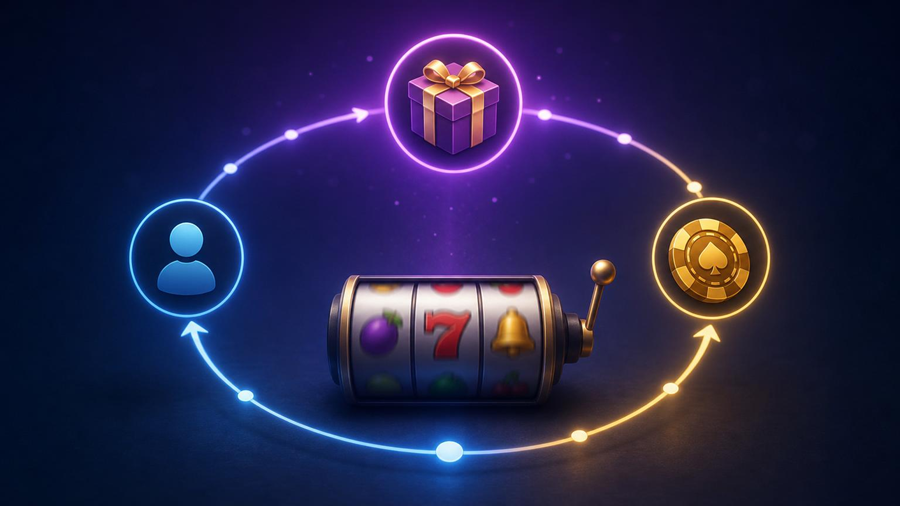
The reason gacha games and slot machines can feel so similar has everything to do with the variable ratio reinforcement schedule. That sounds like a scary set of words, but what that means is that the rewards are unpredictable. Players could get the reward they want on their first pull, or it could take them hundreds of tries. Because they don’t know, their brains are kept in a state of heightened anticipation, the same state gamblers find themselves in when they sit in front of a slot machine.
Naturally, this shrinks the difference between dedicated, but still free casino platforms like Fortunes Ultimate Slots and free-to-play games that adopt chance-based reward systems. However, this isn’t the only way developers across both ecosystems keep players proverbially tied up. They also use different psychological techniques such as:
Near Misses: Rare rewards may flash right beside the less exciting reward you end up getting, creating an illusion that you almost won something.
Pity Systems: In an effort to keep players hooked, gacha games employ pity systems. These systems guarantee you’ll receive a set reward after a certain number of pulls, serving as a form of bad luck protection.
Audio-Visual Feedback: Intricate animations, escalating sound effects and bright colors make it hard to discern whether you just hit a casino jackpot or got a cool character from a gacha roll.
Pure Chance vs. Hybrid Systems
Despite these growing similarities, gambling authorities in many countries haven’t moved against lootboxes and gacha games. There are some exceptions, like Belgium outright banning them and Australia raising the minimum rating for games with lootboxes. However, these mechanics are framed differently: one embraces full chance, while the other uses a hybrid system.
Free-to-play games, whether they use the gacha format or take advantage of lootboxes, can be played and enjoyed without these systems. The core gameplay revolves around combat, exploration, and other activities that test your skill. Getting lucky with getting what you want can make the experience easier, but it’s not the only way to win.
Contrast that to slot games, which are pure chance. Either you get lucky and win or the random number generator works against you and you lose. You cannot improve your odds by playing skillfully. As such, the focus for these games is the theme, randomness, and finding the most enticing math model.
The Future of Game Design
As gaming moves to a mobile, free-to-play model, the line separating traditional gaming from chance-based mechanics will continue to disappear. As developers battle to draw new people in and retain existing players, they’ll reach for any weapon in their arsenal, which includes engagement tactics perfected by the gambling industry.
Whether you're pulling for a mythical hero or spinning a virtual reel, understanding the mechanics behind