Disclosure: This is a paid guest post. The author or an affiliated third party paid for its publication, and the article may contain promotional links. The views and opinions expressed are those of the author and do not necessarily reflect those of GameTyrant or its editorial staff.
Disclaimer: The following content contains references to gambling, casinos, and related topics.

A Final Fantasy VIII player, somewhere back in 1999, put the controller down and grabbed a notebook. Started copying out card rules by hand, more or less obsessively. Not for the main quest. For Triple Triad, a side game that had absolutely nothing to do with Ultimecia or the fate of the world, and that didn't seem to bother anyone. RPGs have been doing this for longer than most people realize.
A tradition older than most players realize
Triple Triad worked partly because it asked so little of the story wrapped around it. Players captured opponents' cards by flanking them on a simple grid, traded rules between regions long before online guides existed, and built decks obsessively enough that Square Enix kept bringing variations of the format back in later titles. Clever design had less to do with it than sheer stubbornness on the players' part. They latched onto it hard the first time round, and Square Enix clearly took note.
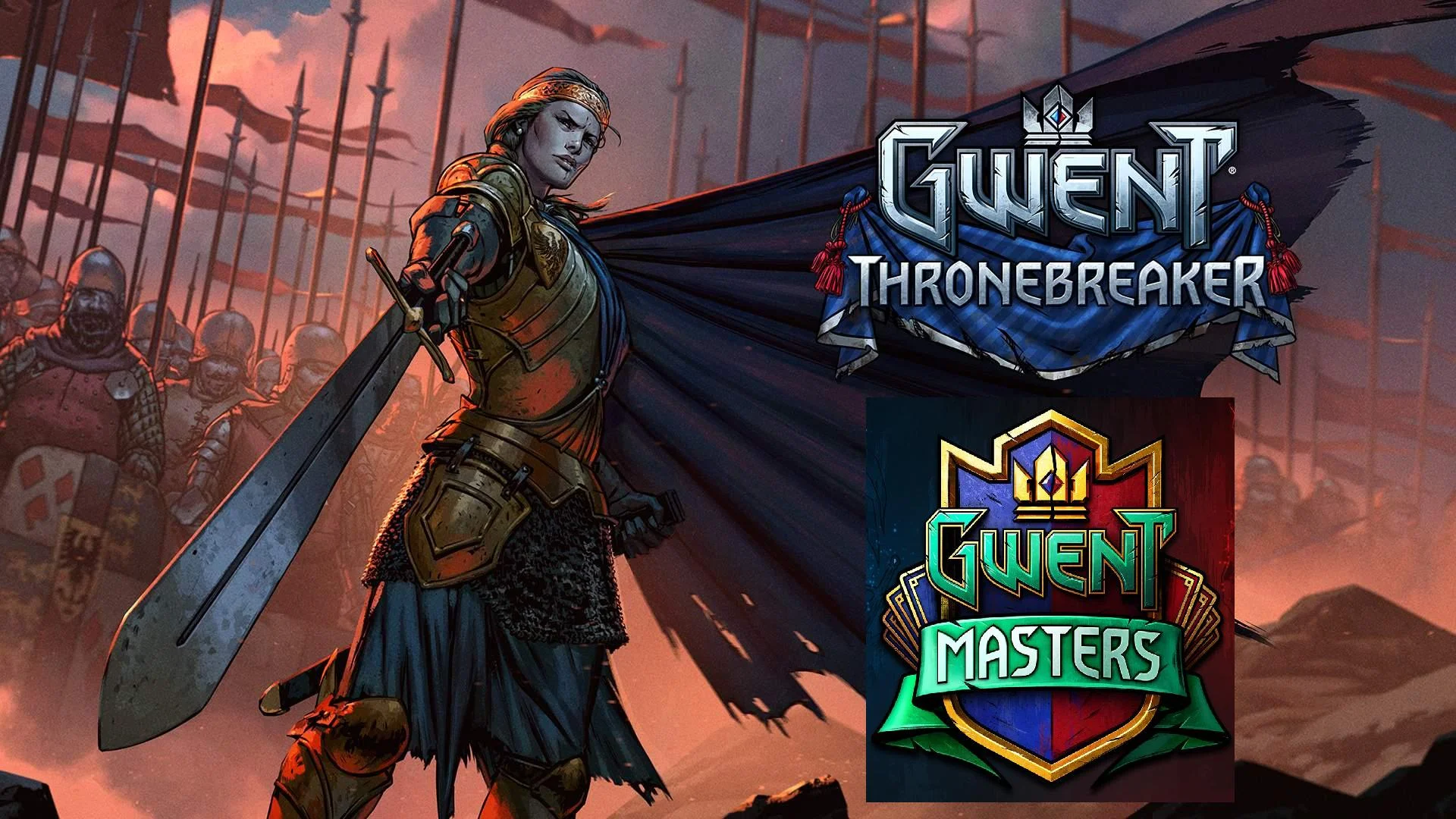
Gwent, introduced in The Witcher 3 back in 2015, was a bigger swing. Faction decks, a small card economy, tucked into corners of the map plenty of players never bothered exploring. CD Projekt Red eventually pulled it out and made it its own game, Gwent: The Witcher Card Game. That one ran a competitive circuit for years.
Albion kept things smaller. The 1996 German RPG this article borrows its title from buried a card game called Iskai Poker inside its taverns, playable against local NPCs for in-game coin, and it never came close to Gwent's staying power. The impulse behind it still tracks with something that keeps recurring decade after decade, though: give players a table where nothing they touch there reaches the kingdom outside.
Card and dice mechanics eventually broke off into their own digital formats too, built for short, self-contained sessions rather than sprawling campaigns. The card tables at sites like NetBet sit in that same lineage, even if the setting has nothing to do with a fantasy tavern anymore. What carried over isn't the theme. It's the older idea underneath it, a short game tucked inside something considerably bigger than itself.
Why developers keep coming back to it
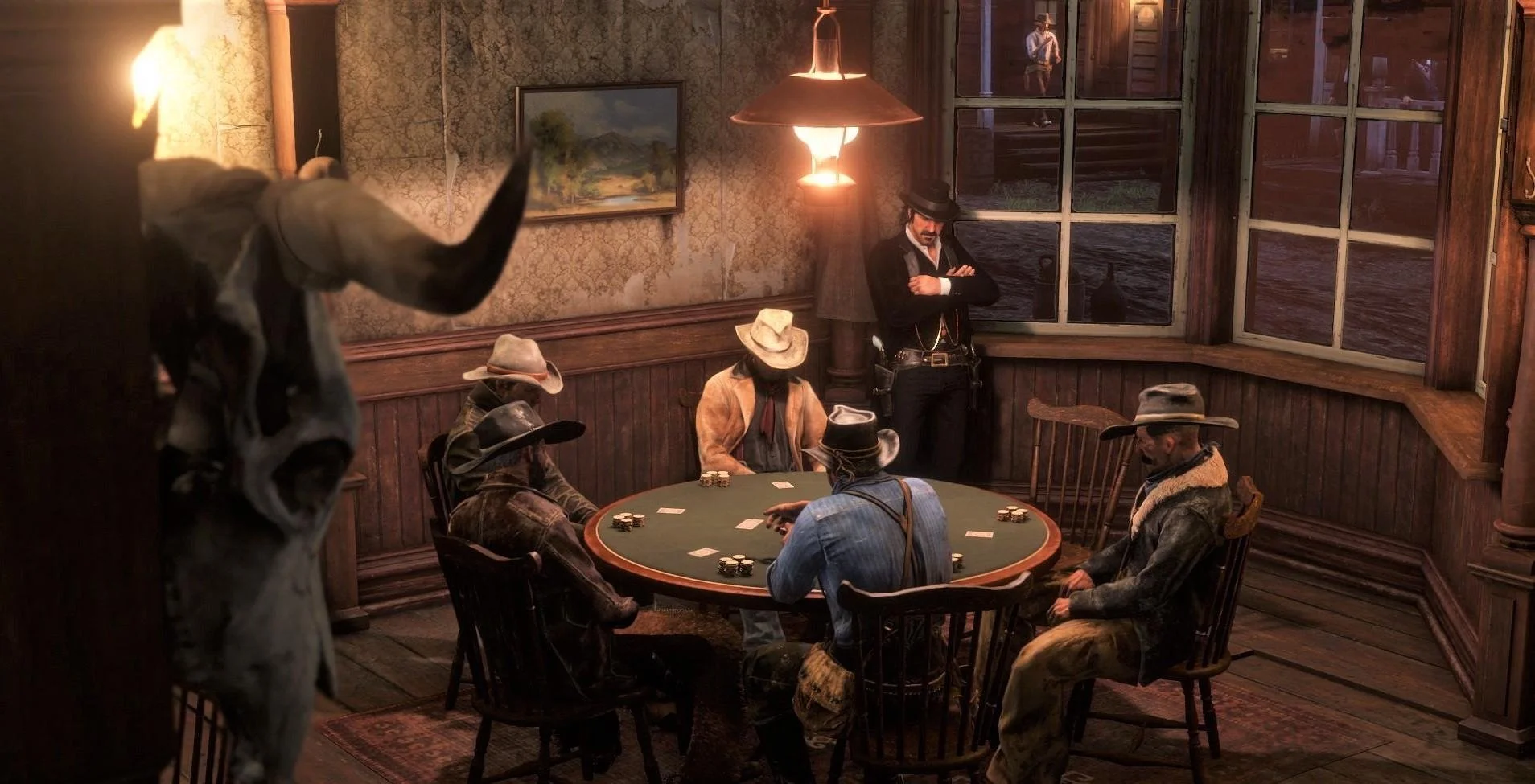
Poker, blackjack, five-finger fillet, Red Dead Redemption 2 built proper side activities around all three back in 2018. The NPCs at those tables had tells, favorite chairs, grudges carried over from earlier sittings. Rockstar probably didn't set out for players to spend more time gambling than doing story missions. A lot of them did anyway.
Sandbox and survival RPGs found their own angle on the idea. Albion Online, an MMO that launched in 2017 and borrowed its name from the 1996 original, built player-run economies where betting and trading grew straight out of territory control rather than sitting off in some separate room. The gambling-adjacent systems just became part of how a player's holdings worked from one day to the next, woven into the resource loop instead of bolted beside it.
What keeps players at the tables
Thirty years on from Albion, this same pattern keeps turning up in new releases, and there's a reason for that. A well-built mini-game offers a break from combat and dialogue without actually removing the player from the world they've spent hours exploring. It's still their character sitting there, still that same tavern, still playing by rules the story had already laid out somewhere earlier on.
A mini-game that feels stapled on tends to fade from memory within a season. One that actually fits, built from the same underlying logic as everything else around it, is usually the part players bring up years later, long after most of the main story has slipped away entirely.