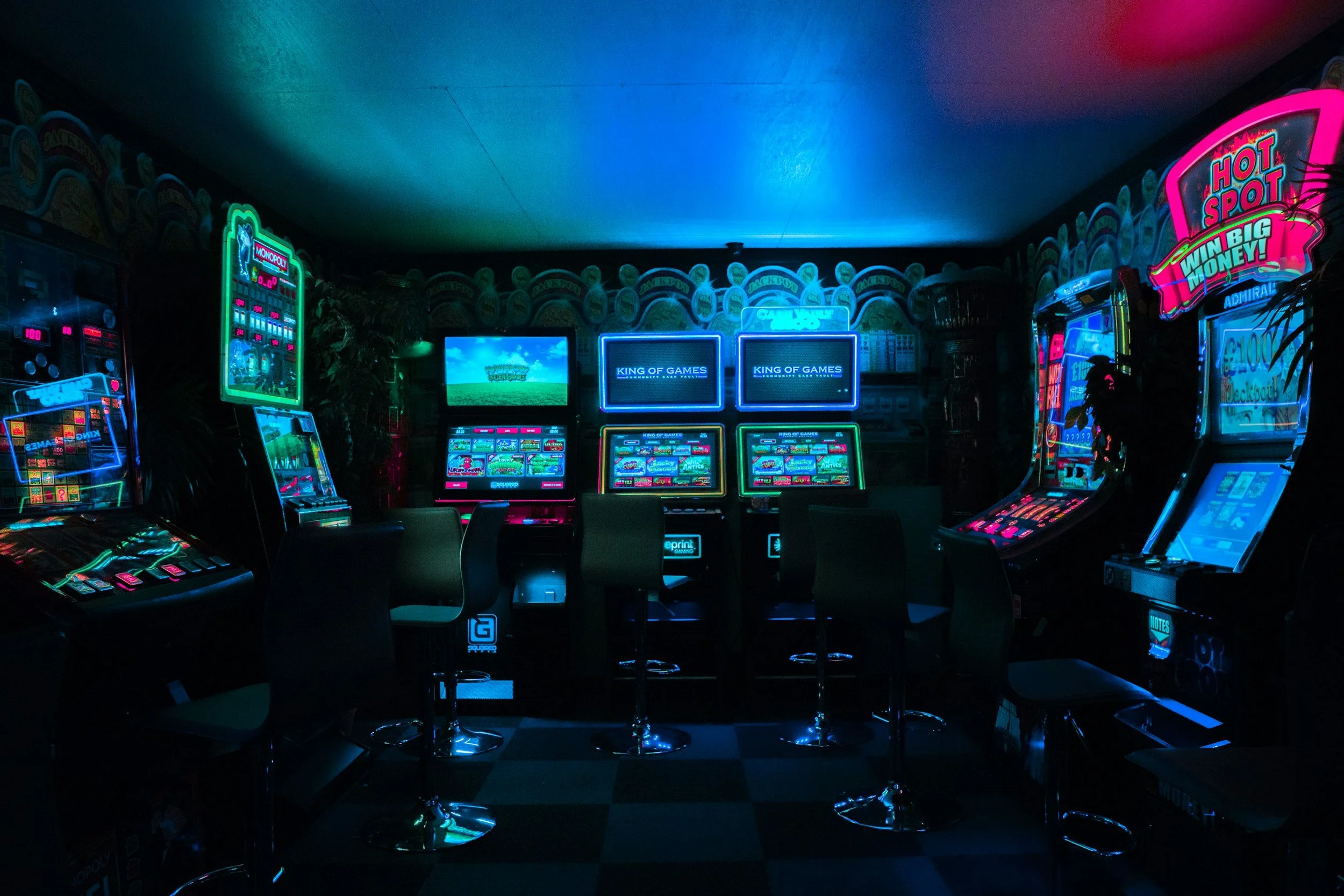
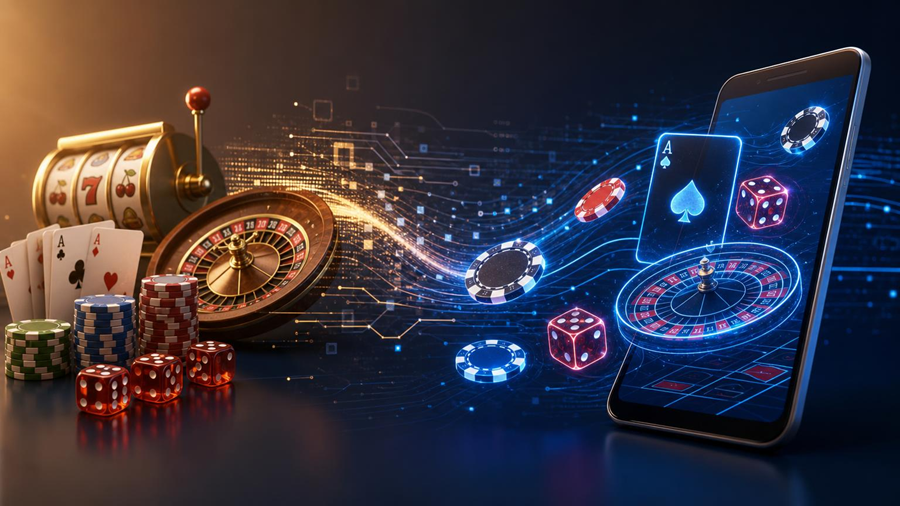
If you spend enough time jumping between different types of games, you eventually notice familiar patterns in how they hold your attention. Progress bars, flashing reward screens, quick loot fanfare, login streak rewards and other small dopamine hits are everywhere now. These systems existed long before battle passes and mobile gachas and parts of them grew out of the same design language you see in casino software. That same reinforcement philosophy also shaped the american online casino environment, where audiovisual feedback and progression meters became standard long before modern gaming adopted similar tricks.
In gaming, these elements show up as fast reward loops rather than financial stakes. A loot box cracks open with sparkles, a post-match chest spins before revealing skins, daily challenges hand out XP with sound cues and progress bars inch forward every time you clear an objective. A lot of players never make the casino connection at all, because games bury these mechanics inside stories, character builds, or multiplayer systems. Casinos focus only on the loop, but games wrap that loop in progression and content so it feels more like a natural part of play instead of the main event.
Once live service games and mobile titles exploded, these loops spread everywhere. Developers needed short check-in incentives that kept players logging in even if they only had five minutes to spare. Progress trackers, gachas, event calendars and season rewards filled that role. The wider entertainment world already moved toward quick dopamine hits through short videos and notifications, so gaming slid into the same rhythm without much resistance. If you watch someone playing on their phone during a commute, you will see a lot of tiny reward flashes and sound cues that feel very similar to how casino software keeps sessions moving.
The Rise of Feedback Loops in Game Design
Casino-like loops have been part of gaming for decades, but they became more noticeable when the pace increased. Older titles spread these moments out. You beat a boss, you got a reward and that was that. Now there are dozens of tiny pops of feedback per session. RPGs have layered skill trees with constant unlocks, battle royales have cosmetic tracks that tick upward every match and mobile RPGs have gacha animations that slow-roll reveals just enough to create anticipation. It is not gambling, but it uses similar visual pacing.
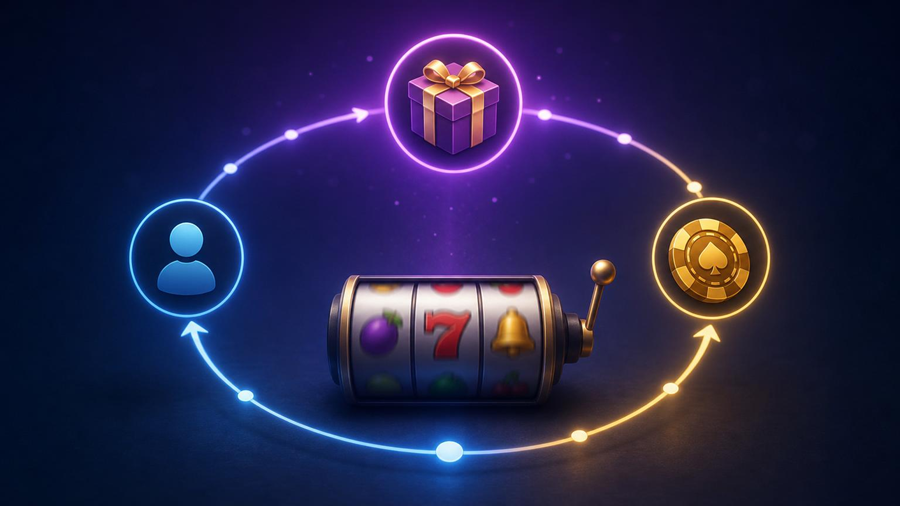
This shift fits modern game structures. Seasonal models and live service formats reward frequency rather than raw time played. Even console titles push daily challenges, weekly missions and rotating shop items. For players, the loop is simple: boot up, grab a few quick unlocks and log off. For developers, it keeps engagement up without demanding long sessions. Psychologically, it sits in the same family as casino reinforcement, but the surrounding gameplay is where the real difference lies. Games have strategy, community, narrative and mechanical depth layered around the loop.
Mobile Gaming’s Growth and Casual Engagement Trends
Mobile gaming basically poured gasoline on the entire system. People play on phones in short bursts, so games adapted by leaning into fast reinforcement. Sensor Tower’s State of Gaming 2025 pointed out that total time spent in mobile games grew 7.9 percent and session counts went up 12 percent, driven mainly by casual titles. You can see why. A match-three puzzle game fires off visual effects every few seconds, while idle clickers spit out currency nonstop. That format is perfect when you are killing time waiting in line or sitting on a train.
Mobile also influences console and PC now. Nearly half of all gaming revenue worldwide comes from mobile platforms, which means design norms flow outward. The battle pass structure that dominates shooters and live-service RPGs today is basically a mobile-style progression system with a bigger skin. The daily login calendars you see in mainstream titles also started in mobile. As a result, casino-like feedback loops are no longer “mobile-only” or “casual-only”; they are just part of the gaming environment.
Social casino titles help connect the dots even further. Cognitive Market Research valued the social casino market at roughly 6.05 billion dollars in 2021 and expects it to reach about 8.35 billion dollars by 2025, with North America being a prime region. These apps do not involve real-money wagering, but they mirror the visual language of slots and other casino games. Designers watch them because they are clean examples of how to keep attention without heavy complexity or long sessions.
Social Casino Elements in Gaming Culture
If you look around the industry, you start spotting these influences everywhere. Loot reveals in shooters slow down just long enough to build suspense. Gacha RPGs pan across character cards with flashy effects. Puzzle games shower players with particle effects for chain reactions. None of it is about betting. It is about the feeling of constant progression. This makes social casino content feel more like a cousin to casual gaming than anything tied to actual gambling culture.
Platforms such as LoneStarCasino.com sit in this category. They focus on audiovisual slot-style feedback, themes, goals and collection rather than financial stakes. From a design perspective, they make it easier to understand why more mainstream games rely on frequent reinforcement. The hook is not the money. The hook is the rhythm.
Industry Interpretation of the Trend
Designers talk about this a lot. Casinos figured out long ago that sound and color guide attention. Games borrowed pieces of that psychology and plugged them into systems with goals, skill expression and competition. When blended properly, it feels natural to players. They do not think “casino mechanic” when they see a loot pop. They just see progress.
Casino mechanics are not taking over gaming, but they are part of the toolbox now. They give developers ways to keep sessions lively, reward short check-ins and create audiovisual payoff without slowing down the play. Modern gaming borrows from all kinds of places and casino design is just one influence among many. Players have adapted, games have changed and the loops will likely stick around because they fit the way people actually play today.