In CS2, some players trade skins even more than they actually play the game. The game has grown so big and impressive that it has created a huge economy around it, with skins at its core. Players trade skins for different reasons, such as having fun, showing off, or making a profit. No matter why you trade, analyzing skins can give you a significant financial advantage over others. In this article, we will discuss how to track and analyze CS2 skins across multiple markets and platforms. Let’s get started!
How CS2 Skin Prices Are Determined
Have you ever wondered how skin prices are determined? When you first started, you probably thought it was all about the design, didn’t you? But that’s not the case. There are several important factors that play a role in CS2 skin prices.
Rarity of the Skin
One of the most significant factors affecting a CS2 skin’s price is its rarity. Skins that are part of limited edition collections, discontinued cases, or special events are far less common than standard skins. For example, the AWP Dragon Lore is a rare skin that appears in very few cases, making it highly desirable among players. The rarer the skin, the fewer copies are available on the market, which naturally drives up demand and price.
Popularity Among Players
Another critical factor is how popular a skin is among players. Certain skins gain popularity because they look visually striking in-game, are featured in professional matches, or are recognized by the community for their style. For instance, the AK-47 Redline became a staple in competitive play because of its sleek design and visual clarity, which made it highly desirable. High demand increases trading activity, and when more players want the skin than there are available, the price rises.
Wear Level
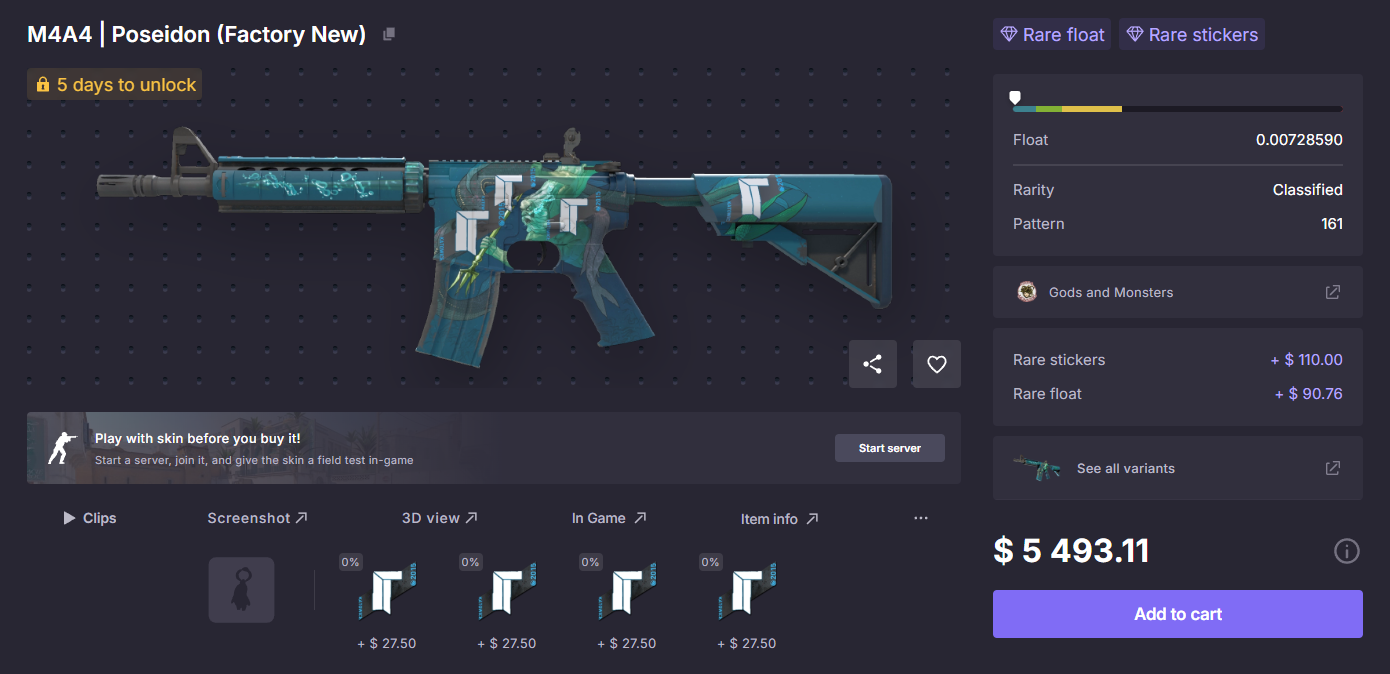
The wear level of a skin directly affects how it looks and can strongly influence its market price. Factory New or Minimal Wear skins maintain sharp details and vibrant colors, while Well-Worn or Battle-Scarred skins appear faded or scratched. For example, a Factory New AK-47 Neon Rider shows bright, clear colors and detailed artwork, whereas the same skin in Battle-Scarred condition looks dull and worn. Even small differences in wear can significantly impact a skin’s desirability and price, especially for skins that are frequently showcased in gameplay or streams.
Analyzing CS2 Skin Prices
When you visit the CS2 market, you will see skins priced anywhere from $0.01 to over $1,000,000. How should you interpret these prices? How can you tell whether a skin is worth investing in, or in other words, has strong potential for growth? This is where analysis techniques come into play. Here’s what we recommend:
Compare Among Skins with the Same Characteristics
One effective way to analyze skin prices is by comparing skins that share similar characteristics, such as the same weapon type, collection, or rarity. By looking at how different skins within the same category are priced, players can identify which ones are valued higher and why.
Compare Across Time
Tracking how a skin’s price changes over time is another key method. By observing past trends, you can see which skins are steadily gaining value and which tend to fluctuate or drop. Price changes can be influenced by in-game events, updates, or shifts in player interest.
Look at Reviews
Community opinions and reviews are an important source of insight for analyzing skin prices. Players often share feedback on which skins look the best, are popular in competitive play, or are in high demand. By paying attention to forums, social media discussions, and review posts, you can gauge which skins are attracting interest and why. This insight can help you make decisions based not just on numbers, but on player perception and demand trends.
Tracking Skin Prices Across Multiple Markets
Okay, let’s move on to tracking. Analyzing skins is the more technical part that helps you understand their prices when you see them, but think of tracking as the path that leads to effective price analysis. Here are some of the best methods for tracking:
Watch Multiple Markets, Not Just One
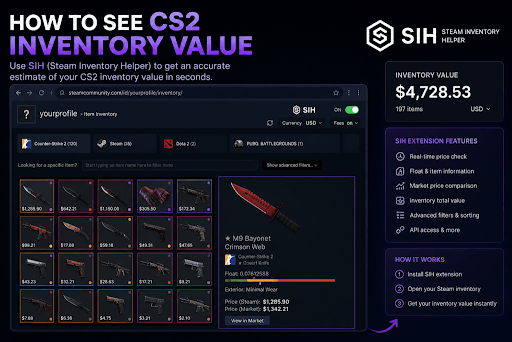
If you want to really understand a skin’s price, don’t rely on just one marketplace. Different platforms can have different prices for the same skin because of supply, demand, and how active the users are. By checking several markets regularly, you get a better idea of the true value and can spot opportunities where a skin might be undervalued on one platform and selling higher on another. To make this process easier, many traders use a price analytics platform like Skinsbook, which allows them to compare listings across multiple markets without having to manually check each site.
Don’t Forget Extra Costs
When comparing prices, remember that there are often extra costs like trading fees, commissions, or withdrawal charges. These might seem small at first, but for expensive skins, they can make a big difference in profit or value. Always include these costs in your calculations so you don’t end up overpaying or underestimating what you could gain.
Track More Skins for a Clearer Picture
The more skins you track across multiple markets, the easier it is to see patterns and trends. Watching just one or two items gives only a small snapshot, but tracking a bigger set of skins makes the market more transparent. You’ll start noticing which skins hold value, which ones fluctuate, and where the best opportunities are. Over time, this practice makes your decisions smarter and less risky.
Conclusion
In conclusion, in this article, we discussed analyzing and tracking CS2 skin prices. We started with the key factors that determine skin values and then moved on to techniques for analyzing and tracking prices across different platforms. Throughout the article, we aimed to be as practical as possible so that you can apply this knowledge directly after reading. We hope you found it helpful and enjoyable. See you in our future guides!