PC gaming has undergone a major transformation over the last two decades, not only in terms of graphics and performance, but also in how players access and manage their games. The era of shelves filled with discs and boxes has steadily given way to digital platforms that allow gamers to build extensive collections without physical limitations. This shift has fundamentally changed the habits of PC players and reshaped gaming culture as a whole.
One of the most noticeable changes is how accessible games have become. Digital platforms remove the traditional barriers associated with physical releases, such as regional availability or limited stock. Players can now discover and access games from around the world with just a few clicks. This level of accessibility has helped expand the PC gaming audience and introduced players to genres and titles they might never have encountered otherwise.
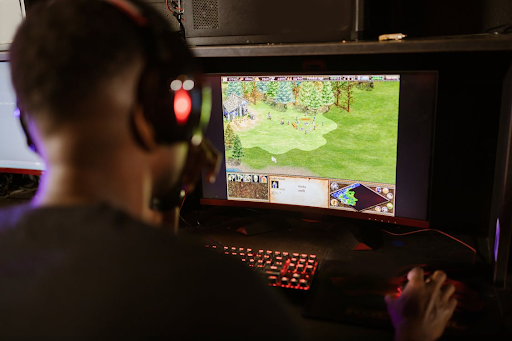
Another major advantage of digital platforms is convenience. Modern PC gamers often maintain libraries containing dozens or even hundreds of titles. Digital collections make it easy to organize, install, and revisit games at any time. Features like searchable catalogs, genre filters, and update tracking allow players to manage large libraries efficiently, something that would be nearly impossible with physical media.
Digital platforms have also played a key role in preserving older games. Many classic PC titles are no longer available in physical form, yet they continue to live on through digital distribution. This has helped preserve gaming history while giving newer generations the opportunity to experience influential releases from previous eras. The ability to access both modern and legacy games in one place adds long-term value to digital libraries.
For many players, digital platforms encourage experimentation. When games are easy to access and organize, gamers are more likely to try new genres or lesser-known titles. This has contributed to the growth of indie games and niche communities that thrive outside of mainstream releases. Digital ecosystems make discovery more intuitive, allowing players to explore beyond familiar franchises.
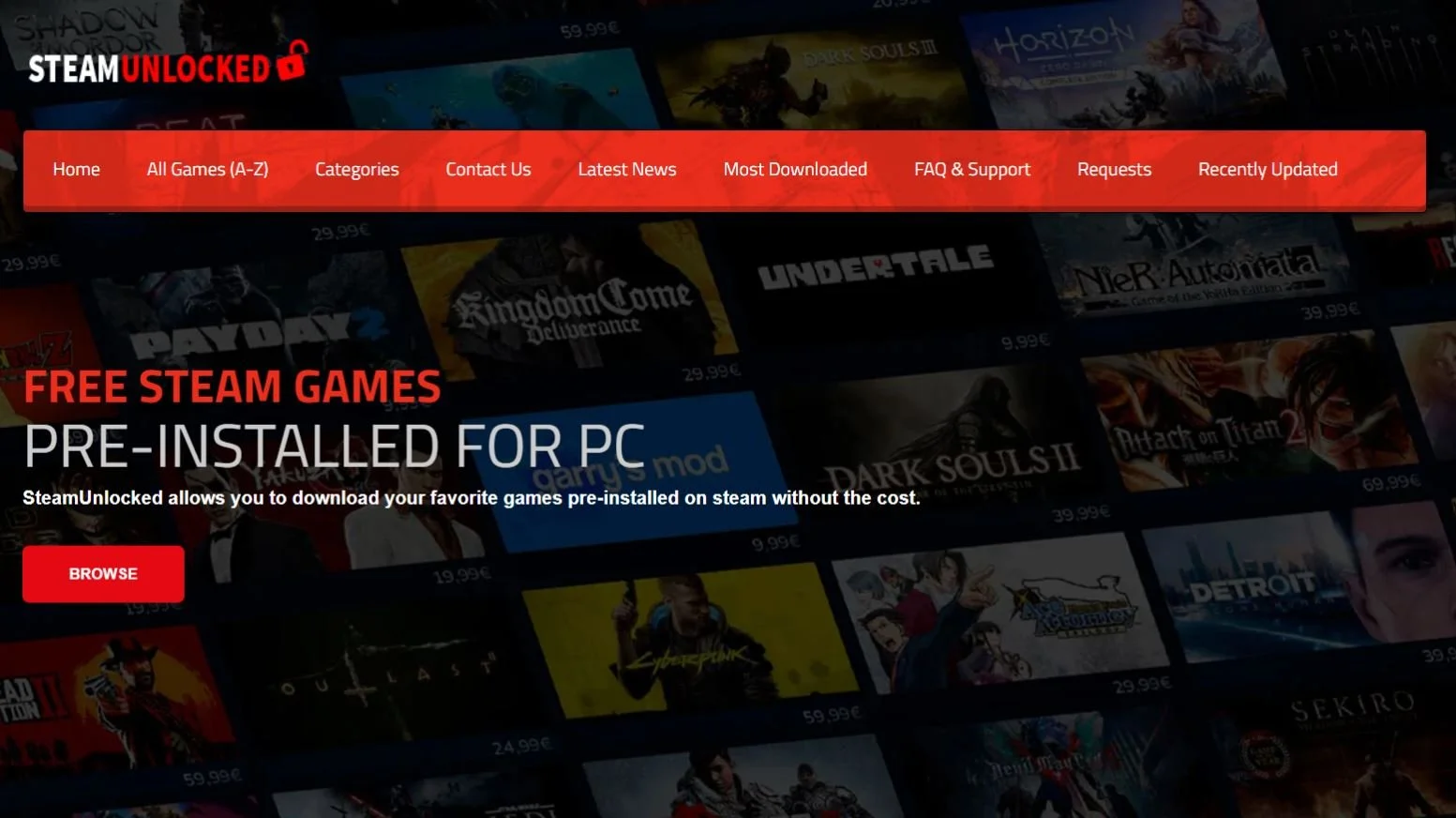
Platforms that focus on centralized access and broad catalogs have become particularly popular among PC gamers. Sites like SteamUnlocked are often referenced by players looking for a straightforward way to browse large collections of PC games. Having a single destination that emphasizes organization and accessibility aligns well with how modern gamers prefer to interact with their libraries.
The shift toward digital platforms has also influenced how gamers think about ownership. While physical copies once represented permanence, today’s players often prioritize access, convenience, and long-term usability. Digital libraries offer features like automatic updates, cloud saves, and centralized management, which add practical value beyond the game itself.
As PC gaming continues to evolve, digital platforms are likely to become even more central to the experience. Improvements in internet infrastructure, storage technology, and cloud services will further reduce friction between players and their games. For many gamers, digital collections already represent the most efficient and flexible way to enjoy PC gaming.
While physical copies still appeal to collectors, the broader trend is clear. Digital game platforms have changed not only how games are distributed, but also how players build, manage, and engage with their collections. For PC gamers, centralized digital access has become a defining part of the modern gaming experience.