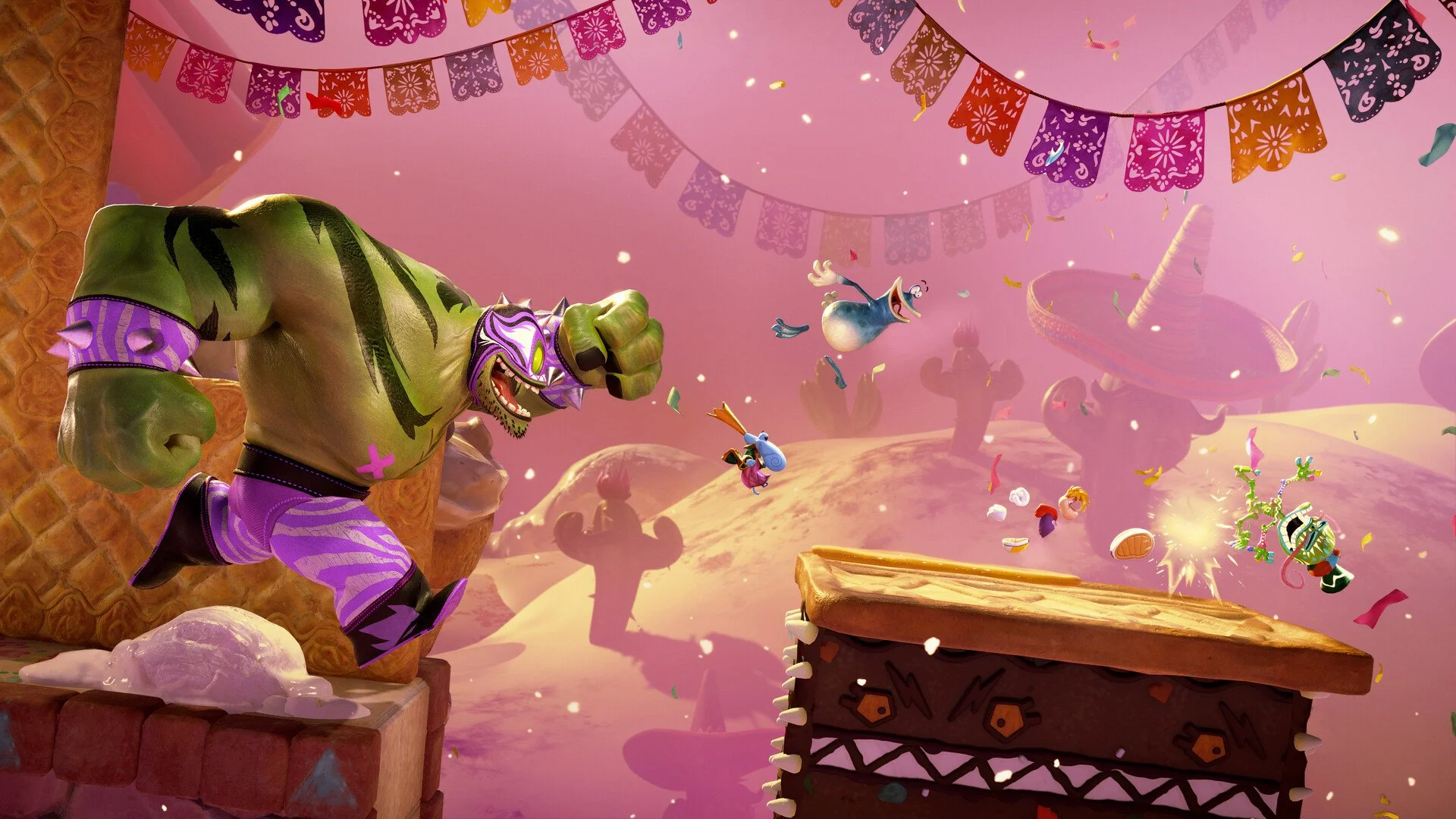
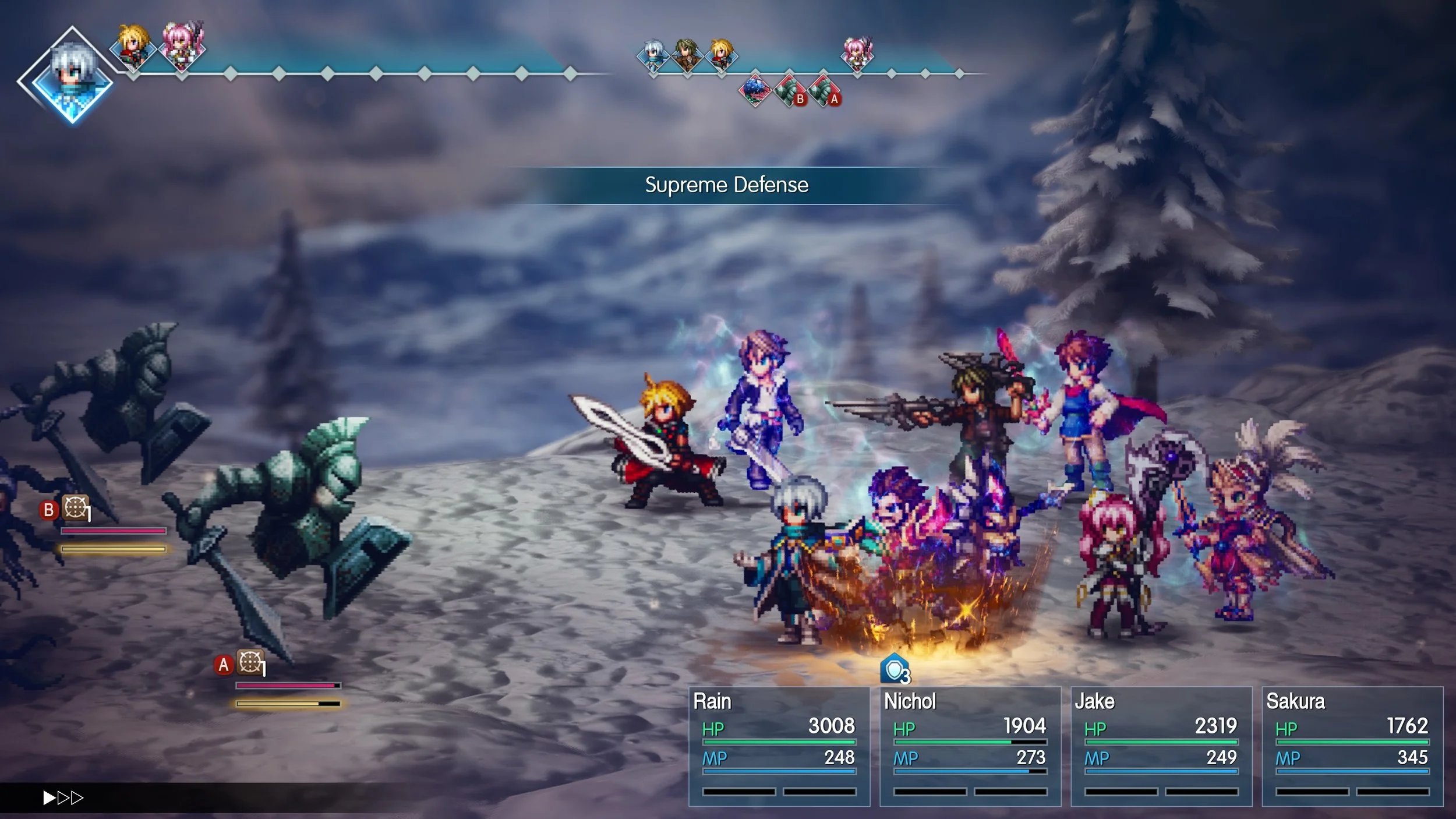
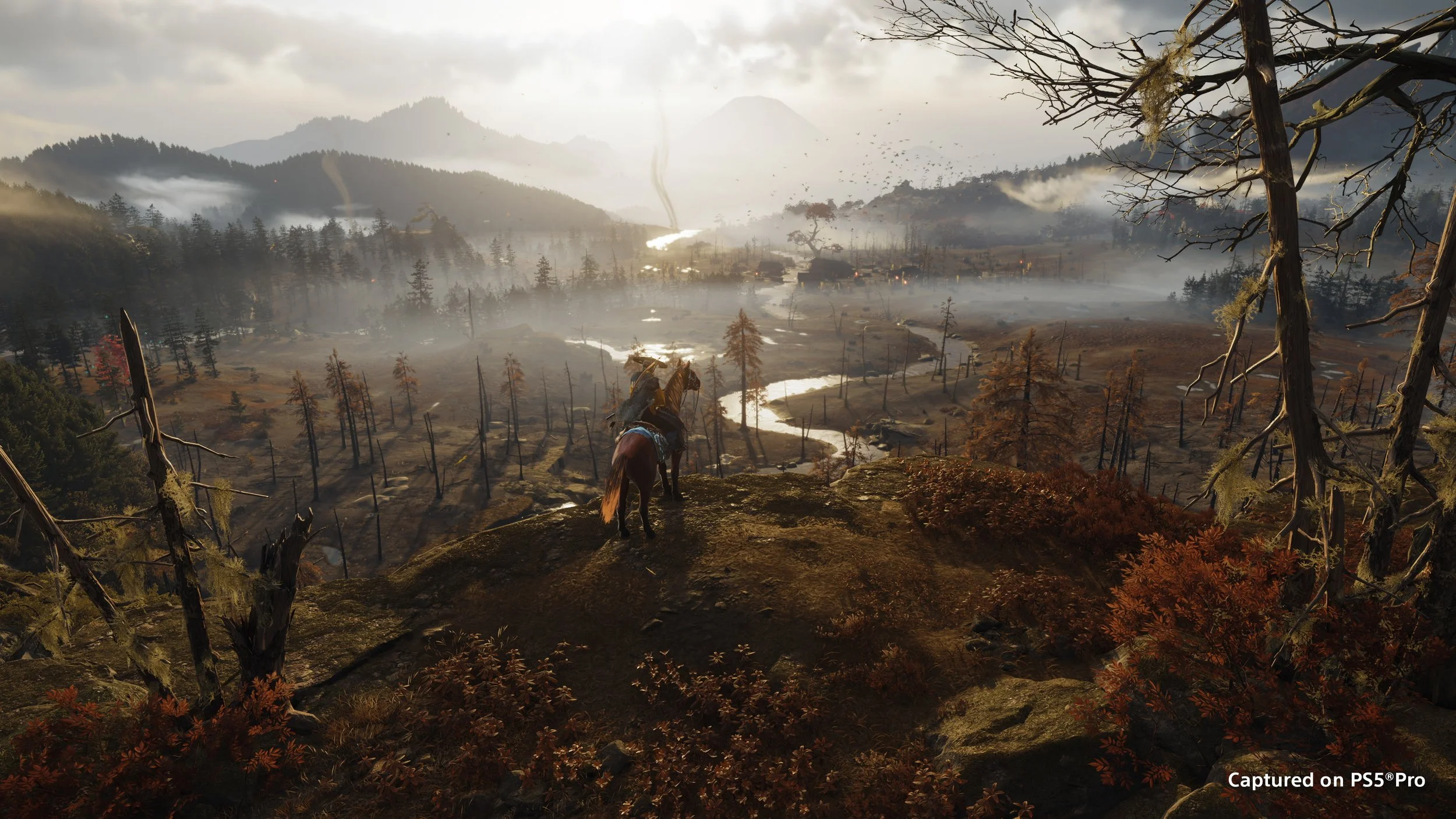
Ubisoft was founded as a small software distributor in 1986 in a small village in Brittany, France, by 5 brothers. Eventually, with a focus on creating games, the company rapidly gained popularity and became a global publisher. After 1995, following the success of Rayman, Ubisoft's franchises Splinter Cell, Far Cry, Assassin's Creed, and Rainbow Six revolutionized the gaming world. The stylized worlds created and the mechanics pioneered by Ubisoft deeply inspired subsequent generations of developers. Indeed, what began with towers from which players saw maps in Assassin's Creed rapidly spread throughout the industry, becoming a common trope of gameplay mechanics and progression.
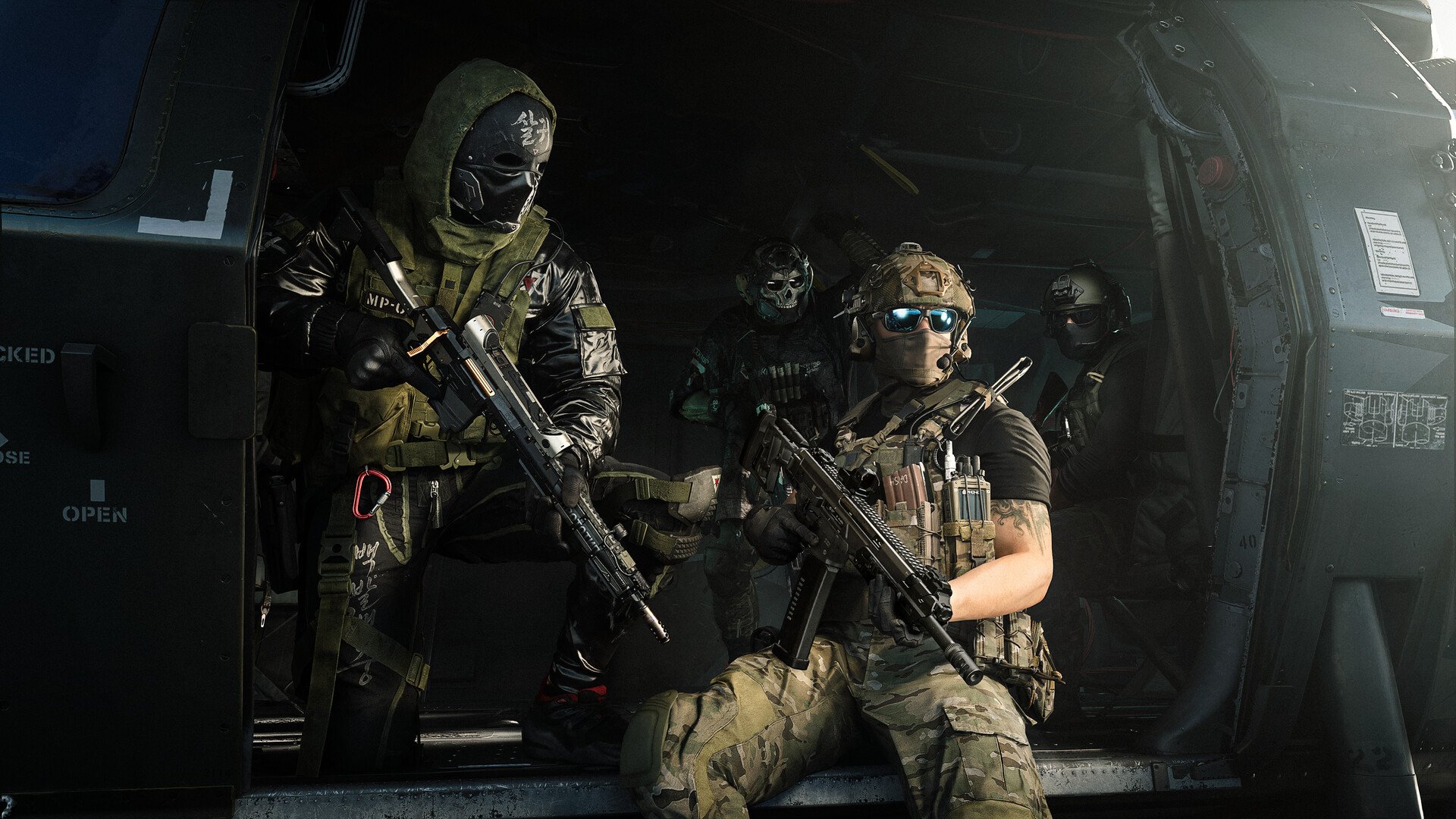
Much like Ubisoft, Fun Labs Romania, based in Bucharest, was quietly building its studio from 1999 and signed a 16-year exclusive deal with Activision Publishing. It then developed numerous installments of the Cabela's series and worked on Prototype and Transformers: Fall of Cybertron. Although it was one of the less recognized developers working on games for a major North American publisher, Fun Labs was part of a wider group of studios doing real creative work outside the main industry centers.
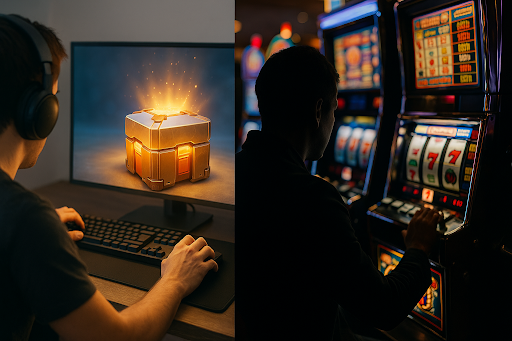
The mechanics and game design pioneered by both companies influenced development beyond video games and, surprisingly, came to shape online casinos.
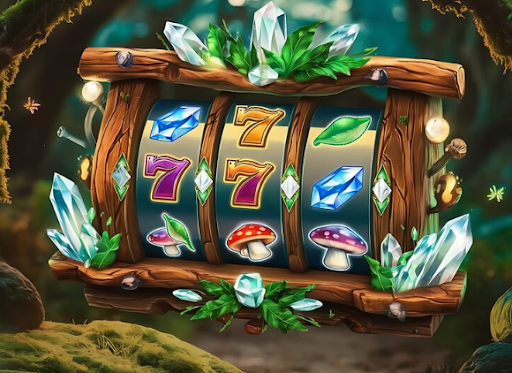
Digital casino games use software, and therefore developers have the same creative challenges as video game developers. Thankfully, digital casino games can include features and mechanics that are impossible in mechanical slot machines, such as bonus rounds, cascading symbols, multiplier chains, expanding reels, and more. Software also allows casino games to use cinematic art direction in ways that mechanical slot machines cannot. Gonzo's Quest was released in 2011 and was one of the first games to incorporate the aforementioned features and elements, and featured beautiful 3D graphics and a fully rendered world. The success of Gonzo's Quest helped spread similar mechanics across casino games and the wider European development scene. A broader overview of the Romanian casino scene can be found at https://don.ro/ro/.
The real question is how it happened - how did elements of video game design make their way into a reel, a bonus round, and a character walking across a slot screen? The answer lies in decades of European studio design, in mechanics created for specific video game purposes that also worked well elsewhere, and in the European passion for interactive entertainment long before the casino industry caught on.
Birth of a Video Game Giant: From Carentoir to Every Screen
Five Guillemot brothers and their farmhouse spawned a company that today employs some 16,000 individuals across four continents. Ubisoft’s earliest stages involved distribution of software through French retail. They relied on this period as they learned the market and positioned themselves as producers.
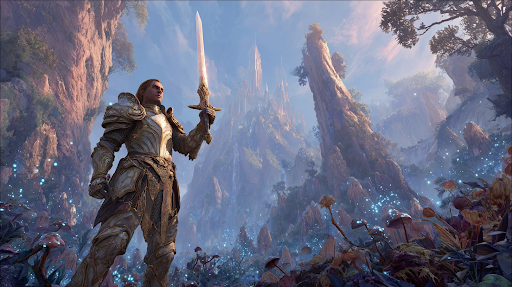
Then came Rayman. Rayman single-handedly transformed Ubisoft. It gave Ubisoft the revenue and credibility to launch bigger, more substantial projects. The success and acclaim of Rayman helped Ubisoft launch a project like Assassin’s Creed in 2007. Assassin’s Creed reshaped an entire genre of games and how players interacted with open worlds, particularly by setting a new standard for freedom of 'vertical' movement. Players could roam an open world, scale structures, and explore it from different heights and perspectives. Map towers were tied to exploration, with players moving through the world to find high vantage points that would unlock sections of the map while also rewarding them with an aesthetically impressive cinematic view of the surrounding game world.
Both ideas became huge successes. Studios from Europe, North America, Japan and beyond picked them up and elaborated on them. Far Cry 3 used them with radio towers. The Batman: Arkham series, Horizon Zero Dawn and many other games used the same idea, giving the player a world with lots of layers and rewarding the player with the joy of discovery and uncovering the layers. Open worlds existed before Ubisoft, as did many of the ideas behind them. Ubisoft's games used layered maps, unlockable regions, and an icon-based system to show the player's progress. The company popularized many of these ideas and conventions, which other developers later adopted and expanded in their own open-world games.
What has made Ubisoft's ideas endure most is not the individual ideas themselves, but the philosophy behind those ideas. Ubisoft thought every minute should be productive, and every minute spent in a game world should result in something. This philosophy structured Ubisoft's games at both the micro and macro levels. Missions were created to give players the satisfaction of a completed task in just twenty minutes, but they also served an overall purpose and rewarded players who played for hours on end. Many developers who analyzed Ubisoft's games studied the towers and climbing systems, as well as the ideas behind different levels of player engagement that made those games enjoyable and flexible.
Hidden Gem #1: Fun Labs and Bucharest Studios
The games industry suffers from a geography problem. The press covers game studios in Paris, Stockholm, Montreal, Osaka and other major cities. The work of developing engines, physics, porting, and debugging controller inputs across five platforms, often late at night, gets done somewhere the press rarely goes. Fun Labs Romania was one of those studios. They worked in the background and made a real and consistent impact in the global games industry. In 1999, Fun Labs began a 16-year partnership with Activision Publishing in Bucharest, one of the longest and largest publishing partnerships with a major North American publisher.
The Cabela's franchise formed the backbone of the partnership. Cabela's Big Game Hunter and Cabela's Dangerous Hunts, along with many other games in the series, were developed in Bucharest and released on game consoles and personal computers around the world. These games were popular sellers and generated consistent revenue for the studio. Fun Labs’ efforts also helped show other studios that Bucharest could support a major games development partnership. Fun Labs operated in Eastern Europe during a period of high-quality commercial game development, with Activision Publishing as one of its major clients.
Hidden Gem #2: Mueller Accelerate Bucharest International Hackathon
This hackathon was created to support women's participation in the tech workforce. It was organized as a platform for women in the tech field to either come up with an idea and develop a prototype during the hackathon or to join an existing team working on a project. The first full day was used for project definition. Participants were put into teams and began defining their project, as well as creating a kickoff presentation. Participants spent the next day and a half attending workshops to build their prototype. The final day was used to present the solutions to the jury. The jury determined which projects or ideas showed the most merit and potential. Winning projects were awarded $500, and runner-up projects were awarded $250.
How European Design Thinking Transformed the Casino Industry
What links a casino slot screen to a Ubisoft level designer’s whiteboard may not be obvious at first. Both deal with the same problem in their own way: how to keep a player engaged for a prolonged period in a way that is exciting and not repetitive.
It was the video game industry that addressed and solved this problem first. Unlike casino software, video game developers made their innovative solutions visible in their products, creating interactive experiences that anyone could study and learn from. It was only a matter of time before these solutions were transferred to the casino industry, with Gonzo’s Quest becoming a trend-setting example.
Gonzo’s Quest showed how a multiplier growing within a game round created a progressive structure that turned each round of play into a bite-sized version of a progression system. This echoed the progression systems used in the exploration and world-building mechanics of studios such as Ubisoft.
Microgaming, which created what is considered to be the first true online casino software in 1994, understood the unparalleled opportunity and flexibility of the software environment to incorporate mechanics from the video game universe. In the end it was only a matter of time before casino software designs started incorporating elements of video games such as animated sequences, bonus rounds and other innovative features.
In 2006, Evolution Gaming started a new venture in Sweden when the company adapted elements of the video game industry to create live dealer games. The company’s game show formats combine real-money gaming mechanics with the production values and elements of a television show. Evolution Gaming’s game show formats essentially reflect the cinematic focus of European studios on interactive entertainment. High production values, a recognizable host, and a stage built for drama - all of these are elements also seen in Ubisoft's cutscenes, applied in a casino context.
Worlds Inside a Spin: Narrative and Theme as the New Casino Currency
In the mid-2000s, slot developers made a design decision that would forever alter the landscape of the industry. This irrevocable change was due to the intentional shift from reels to worlds.
Once this shift occurred, the design of slot games started to include elements of mythology, archaeology, folklore, and more. Book of Dead and Thunderstruck were two examples that incorporated elements of Egyptian and Norse mythology, respectively, and provided different ways for players to experience these mythologies. From an adventure and exploration perspective, some slots even offered players the opportunity to travel to other dimensions and other worlds (like Starburst). Each title offered players a unique design that communicated a specific experience before a single spin was made.
This shows how video game thinking can be applied to casino design. Ubisoft understood that, to effectively create a video game, one must envision the game world as a fully formed environment, with its own architecture, its own light, and its own history: a space one inhabits rather than simply a space one navigates through. This was a major concept within the video game industry. Since then, this thinking has been applied to a product that interacts with its users in seconds rather than hours. The challenge was to characterize a world and show its personality in the time it takes for reels to spin.
In this context, art and design become the storytelling itself. Character-driven slots take the player on a journey, while expanding wilds, framed bonus rounds, and free-spin sequences all create a sense of progression and cinematic crescendo. The same design thinking that gave the Rayman games a distinctive world, rather than just a series of platforms, now resides in the design of a five-reel slot.
Levelling Up the Reels: Progression Systems and Player Engagement
The idea that a video game changes the more you play is one of the most enduring concepts European video game studios contributed to interactive entertainment. Ubisoft directly built upon this, notably in the Assassin’s Creed series, where skills, weapons, and story cutscenes are unlocked. The player progresses through the game world, and the world itself is revealed in a gratifying manner.
Modern casinos creatively replicate specific elements of an engagement-and-reward architecture by implementing bonus ladders in modern slots. A ladder rewards a player for continuing to spin by gradually building resource counters until a scatter-symbol threshold is reached and triggers a bonus round. Modern slot games also employ free-spin rounds with incremental multipliers. As gameplay progresses, a player’s position in the game changes, and so do the rewards available to them.
This flexible progression structure was brought to casino loyalty programs as well. Loyalty points accumulate and players progress through tiers where game access and reward systems gradually expand. Playing on a casino platform can resemble playing a role-playing game because both use similar ideas to structure progression.
The first mechanic that made this shift readily apparent was the pick-bonus round, a slot mechanic that moves the player beyond the normally passive role of a slot player. In this mechanic, the player is prompted to select a symbol to reveal a hidden prize, adding a decision-making moment to an otherwise passive game. European studios were the first to learn how to fine-tune this mechanic.
The Sound of Immersion: Audio and Visual Design in Modern Casino Games
Ubisoft’s open-world games prioritized immersion through sound design. The sound teams behind Assassin’s Creed games built environments with careful consideration of the street sounds of Florence and Constantinople, marketplace music, and rooftop noise. Sound became architecture.
Assassin’s Creed’s audio commitment helped raise expectations for sound throughout the games industry. Other studios competing for players recognized audio as a key part of their games and invested in audio by hiring talent with previous AAA game experience. This included casino software developers, who began hiring veterans from Ubisoft's sound teams.
All modern slots worth analyzing use more advanced sound design techniques. Sophisticated sound design in slots incorporates adaptive music in which track tempo and intensity improve as the reels spin and a bonus round is about to begin. Sound design helps communicate bonus events with immediate, responsive cues to players, similar to how cues communicate critical information in video games. Well-designed slots have music that responds to the game.
Visual fidelity followed the same trajectory. Features that a few years ago would have required top-tier budgets and decades ago would have been reserved for top-tier consoles, such as fluid animation and particle effects, ambient occlusion on high-poly and high-resolution characters, and deep environments, have become commonplace in the highest tiers of slot production. Visual storytelling and world-building, pioneered by European game studios and rewarding players who take time to appreciate different layers and details, have stimulated creative efforts by slot machine game designers. A slot machine spin that resolves to a cascade of animated symbols with character reactions and a matching swell of the orchestra is like a small piece of interactive cinema, because European game developers have shown us that through interactive entertainment we can aspire to much higher levels of craft.
What lies beneath all of it is a shared notion of what sensory design is for. Unconsciously, players interpret sounds and visuals in both video games and casino titles as having meaning. A rising musical phrase signals an opportunity. A major event is confirmed with a deep and powerful sound. The color temperature of the bonus game environment is warmer and more vibrant than the main game environment. This directly reflects how cinematographers and game art directors communicate to an audience that something important is about to happen. Developers across Europe brought genuine craft and discipline to these choices, treating them as a language rather than an afterthought. This discipline is now reflected in casino game studios across Malta, Gibraltar, Sweden, and beyond. Talent moved, and the standards moved with it. The casino screens demonstrate many lessons learned through decades of experience in European game development.