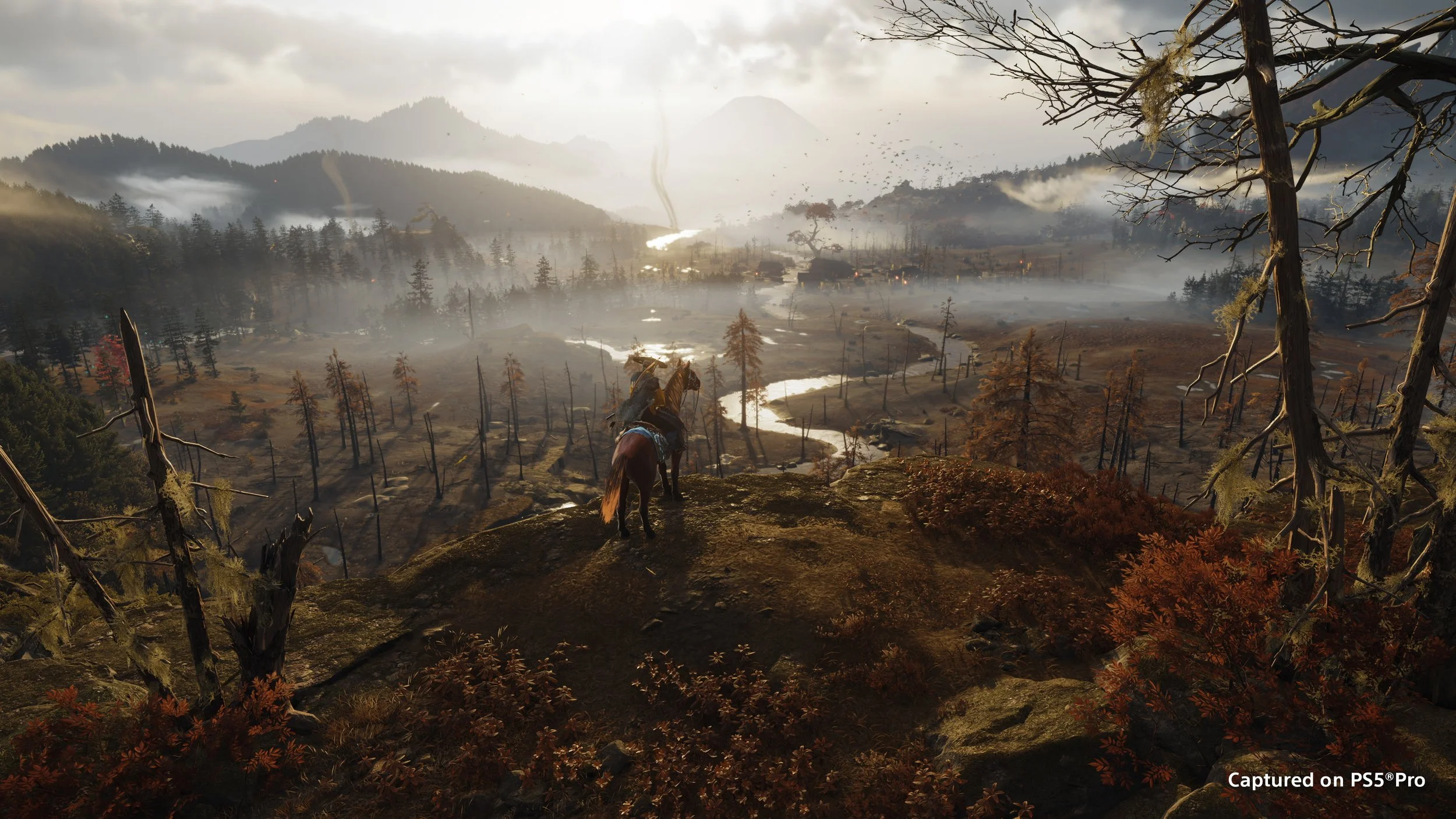
Trailer season has become relentless. With dozens of games competing for attention around every major showcase, standing out takes more than a good build, it takes a trailer built with real intent behind every choice.
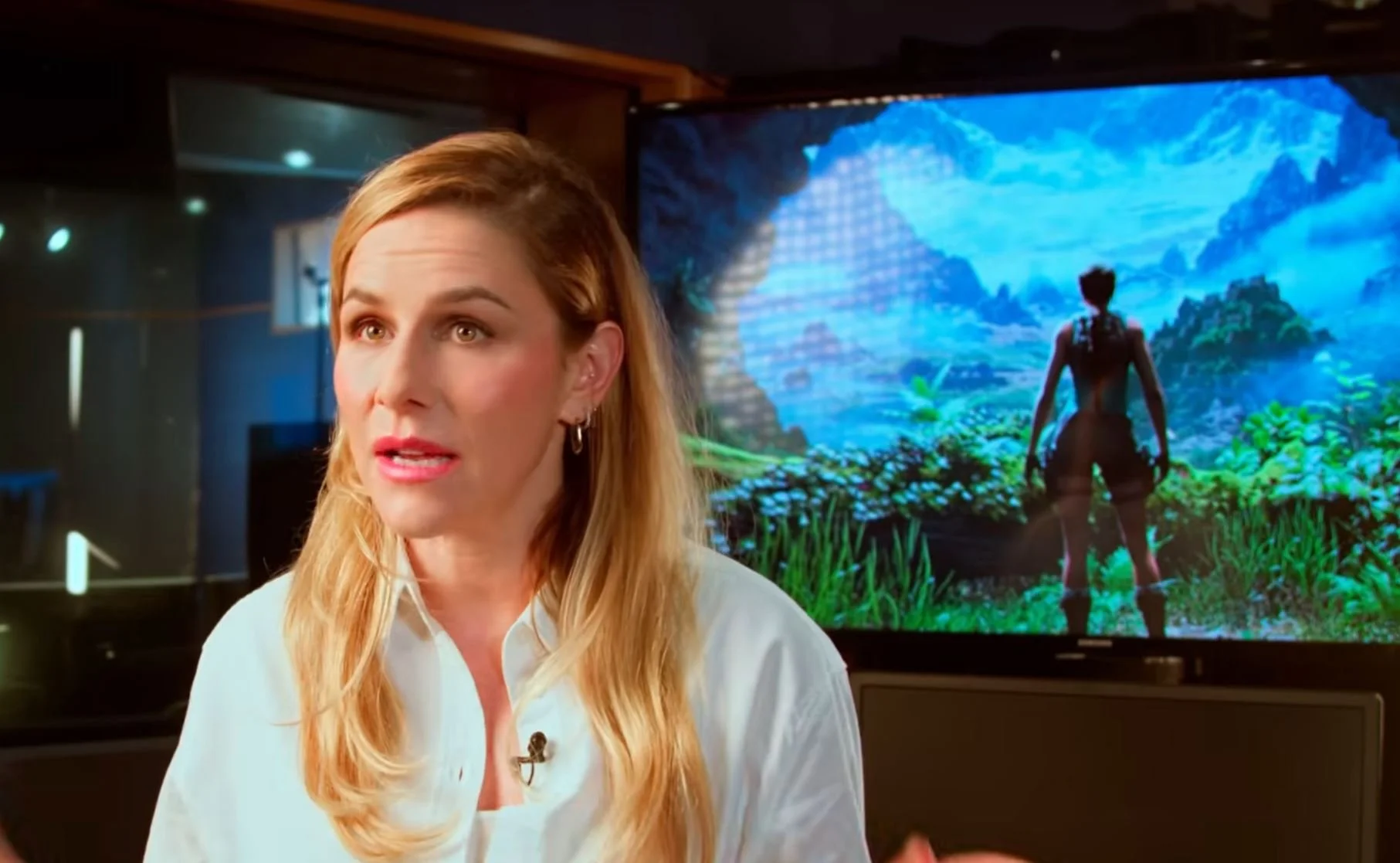
Speaking on The Game Business Show podcast, Samantha Lester, from Keywords Studios' creative agency, ICHI Worldwide — an agency behind trailers for major titles — broke down what separates a forgettable trailer from a memorable one in 2026.
Her insights cut across the whole trailer-making process, from the earliest creative decisions through to how a single trailer needs to flex across wildly different platforms. Here's what she had to say.
Start With the Game, Not the Marketing Brief
Lester told the podcast that the process always begins with getting hands-on with the actual game build rather than working purely from a written brief. Her team plays every build sent to them, across whatever hardware or console is needed, so the creative direction comes from firsthand experience with how the game actually feels, not just how a client describes it on paper.
That early discovery phase, she explained, is where the technical "craft team" and the creative ideation team meet and align on the strongest angle for the trailer. Getting that foundation right before any capturing or editing begins is critical; in her view, a lot of time and effort can be wasted further down the line if the team isn't in full alignment from the start.
It's also common, she noted, for trailers to be built around game builds that aren't yet visually final. Rather than compromise on quality, agencies will often lock an edit early and then go back closer to launch to recapture the same shots once the game has reached full fidelity, so what audiences eventually see reflects the truly finished product.
Don't Just Crop for Social, Rebuild for It
One of Lester's clearest frustrations, as she shared on the show, is trailers that don't adapt to the platform they're being watched on. Describing badly cropped portrait cuts, she said the result is often that "the framing isn't quite right," and viewers are left unsure what they're even looking at: characters cropped oddly, environments cut off, the unique identity of the game lost in translation.
Her view is that a cinematic, big-screen trailer and a vertical, short-form cut are two completely different briefs. Rather than treating social cuts as an afterthought — simply letting a platform auto-crop the main trailer — her team builds a separate deliverable using the same footage, tailored specifically to how and where it'll be watched.
Don't Strip Out the World's Ambient Sound
A smaller but telling detail Lester raised in the conversation: trailers that drop all environmental audio in favor of music alone. She said this "feels quite flat," arguing that ambient sound is part of what sells the sense of a living, built world. Losing it, in her view, undercuts the sense of immersion a trailer is trying to build in the first place.
Voiceover Should Clarify, Not Explain Everything
Lester was cautious about over-relying on voiceover to carry a trailer, telling the podcast that "a trailer has to be a trailer" rather than a product demo. Product demos exist to explain nuance and mechanics in detail, but a trailer, she argued, is a different medium entirely.
Used well, voiceover adds clarity and helps place a viewer in the world. Overloaded with lore or feature explanation, though, she suggested it risks becoming "a bit of a dump of information" — chaotic rather than compelling.
Humour Can Cut Through, If It's Authentic to the Game
Asked directly how trailers can differentiate themselves in such a crowded field, Lester pointed to humour as an underused tool. She noted that "a lot of the game trailers" she personally sees "are quite serious and quite dark," which means something genuinely playful or unexpected can cut through simply by defying expectations.
Her caveat is an important one: it only works if it "feels authentic to the game." A tonal shift that doesn't match the game's identity can land badly rather than well, and she pointed to her own early-career experience with an unconventional stylistic choice that worked in its moment but, by her own admission, hasn't necessarily aged well.
Gameplay and Editing Craft Still Win
Above all, Lester circled back to gameplay as the real differentiator, telling the podcast plainly that "the gameplay itself is king." In her view, much of what makes a trailer feel exceptional isn't flashy technique at all, it's subtle editing craft.
The pacing and "seamlessness" of transitions between shots, pulling a viewer through the game world rather than feeling like disconnected cuts stitched together, is often what makes a trailer feel truly immersive, even if audiences never consciously notice why.
The Takeaway
There's no single formula for a standout trailer; as Lester put it herself, "it absolutely depends on the game." But the trailers that do cut through tend to share the same underlying principles: they're built from real hands-on time with the game, tailored deliberately to the platform they'll live on, careful not to over-explain, and ultimately grounded in gameplay and craft rather than spectacle alone.