| Project type | Typical budget range | Main cost pressure |
|---|---|---|
| Prototype or solo project | USD 0-10,000 | Time, tools, marketplace assets, personal skill gaps |
| Small commercial indie game | USD 20,000-250,000 | Art, audio, QA, production time, launch assets |
| Polished indie or AA game | USD 250,000-3 million | Larger team, original content, multi-platform testing |
| Mobile game | USD 10,000-500,000+ | Backend, analytics, device testing, soft launch, live operations |
| AAA or AAA-style production | Tens of millions+ | Large staff, cinematic assets, online systems, content depth, marketing |
Common game budget breakdown
A practical game budget is usually split between the playable product, the content pipeline, testing, launch, and support. The chart below is a planning model, not a universal average: AAA releases and mobile user-acquisition-heavy games can push marketing far higher.
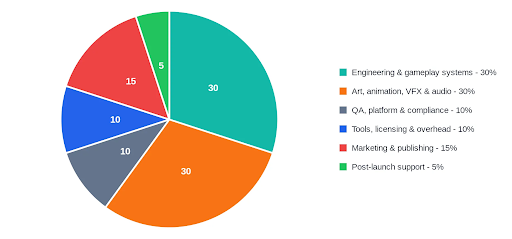
Source basis: Game Developer's budgeting guide for production cost categories.
How to read the ranges
A low number usually means the team is cutting scope, using existing tools, or absorbing labor cost internally. A high number usually means more original assets, longer production, higher polish, more platforms, and greater business risk. The cost to make a video game rises every time the team adds a new content type, platform, system, language, store requirement, or revision cycle.
What is usually missing from early estimates
Early estimates often count the build and forget the finish. A playable version still needs UI clarity, onboarding, save systems, performance work, bug fixing, accessibility checks, localization, store pages, trailers, ratings, customer support, and patch planning. Those costs decide whether the game feels complete.
Main Budget Drivers
Team size and production time
Most game budgets are labor budgets. A five-person team working for six months costs far less than a 40-person team working for two years. Team composition matters too. A game with online multiplayer needs backend engineering, network testing, security work, server monitoring, and more QA than an offline single-player game.
A basic team may include:
Game designer
Gameplay programmer
Artist or art generalist
UI designer
Sound designer
Producer
QA support
A larger team may also need technical artists, animators, VFX artists, backend engineers, build engineers, narrative designers, localization managers, community managers, and live-ops staff.
Art pipeline and asset count
The art budget is easy to underestimate because the word art hides many separate tasks. A character is not one line item. It may involve concept art, modeling, sculpting, retopology, UVs, textures, materials, rigging, animation, LODs, engine import, and optimization. Environments add their own modular kits, props, lighting passes, collision checks, and performance reviews.
A realistic art budget needs production data, not a single “art” line. VSQUAD game art outsourcing company gives that breakdown by separating game art into estimate-ready categories: 2D art, 3D characters, environments, props, animation, VFX, engine-ready assets, and full-cycle production support. Those categories help producers turn a creative brief into countable budget items: how many characters, props, locations, rigs, animation sets, effects, optimization passes, and integration tasks the project actually needs.
Engineering complexity
Engineering cost depends on how many systems must work together. A simple offline game may need a core loop, menus, save data, progression, and platform integration. A multiplayer game needs matchmaking, replication, anti-cheat planning, backend services, failure handling, telemetry, and more extensive testing.
Engineering also affects art cost. If assets must run on console, mobile, and PC, the team may need multiple quality tiers, texture budgets, memory budgets, loading rules, and performance targets.
Mobile Game Development Cost
MVP versus live-service mobile
Mobile game development cost depends on the intended business model. A small paid game or ad-supported arcade title can stay lean if the feature set is narrow. A mobile RPG, strategy game, social casino title, or multiplayer game often needs accounts, cloud saves, analytics, economy tuning, push notifications, events, and server-side content.
When people ask how much does it cost to make a game app, they often mean the first public version. The larger app game development cost can appear after launch, when the team needs user acquisition creatives, A/B tests, retention tuning, seasonal events, customer support, and fresh content.
Mobile budget checklist
Before estimating a mobile game, separate the budget into these parts:
Core gameplay and UI
Backend and account systems
Analytics and attribution
Monetization design
Device testing
Store assets
Soft launch testing
User acquisition creatives
Live-ops calendar
Post-launch support
This is the cleanest way to answer how much does it cost to make a mobile game without hiding the long-term work behind the first build.
Indie, AA, And AAA Budgets
Indie games
Indie budgets work best when the team protects the core idea. A focused indie project may choose one strong mechanic, a limited world, a clear art direction, and a short content list. That discipline keeps the average game budget under control and gives the team space to polish the moments players will remember.
AA games
AA production usually means higher quality than a small indie release without the extreme scale of AAA. A strong AA budget often chooses a few premium features and cuts the rest. This middle ground can support better art, more content, stronger animation, voice work, and multiple platforms while avoiding a content plan the team cannot finish.
AAA and content depth
AAA budgets are expensive because scale compounds. More maps require more art. More enemies require more animation, VFX, audio, AI behavior, balance passes, and QA. More progression requires more UI, economy design, rewards, backend checks, and live tuning.
For online games, content depth is not only about the launch build. A full ARC Raiders quest list shows how quickly a live game turns into an ongoing content system: dozens of quests, trader progression, item objectives, update-specific quest batches, and new guide-worthy tasks over time. Each of those pieces can touch design, writing, level logic, rewards, UI, QA, balance, and support.
Real Game Budget Examples
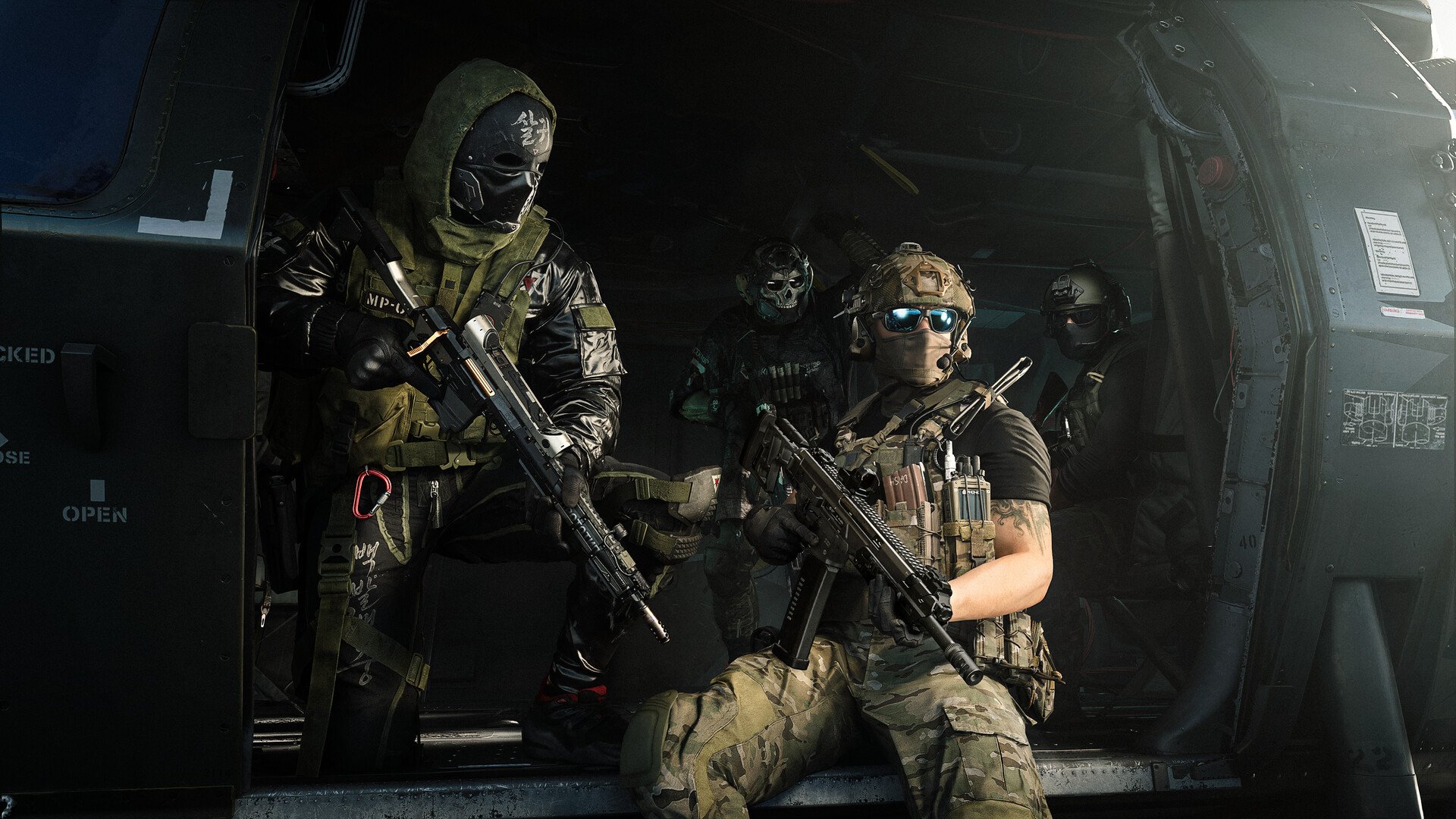
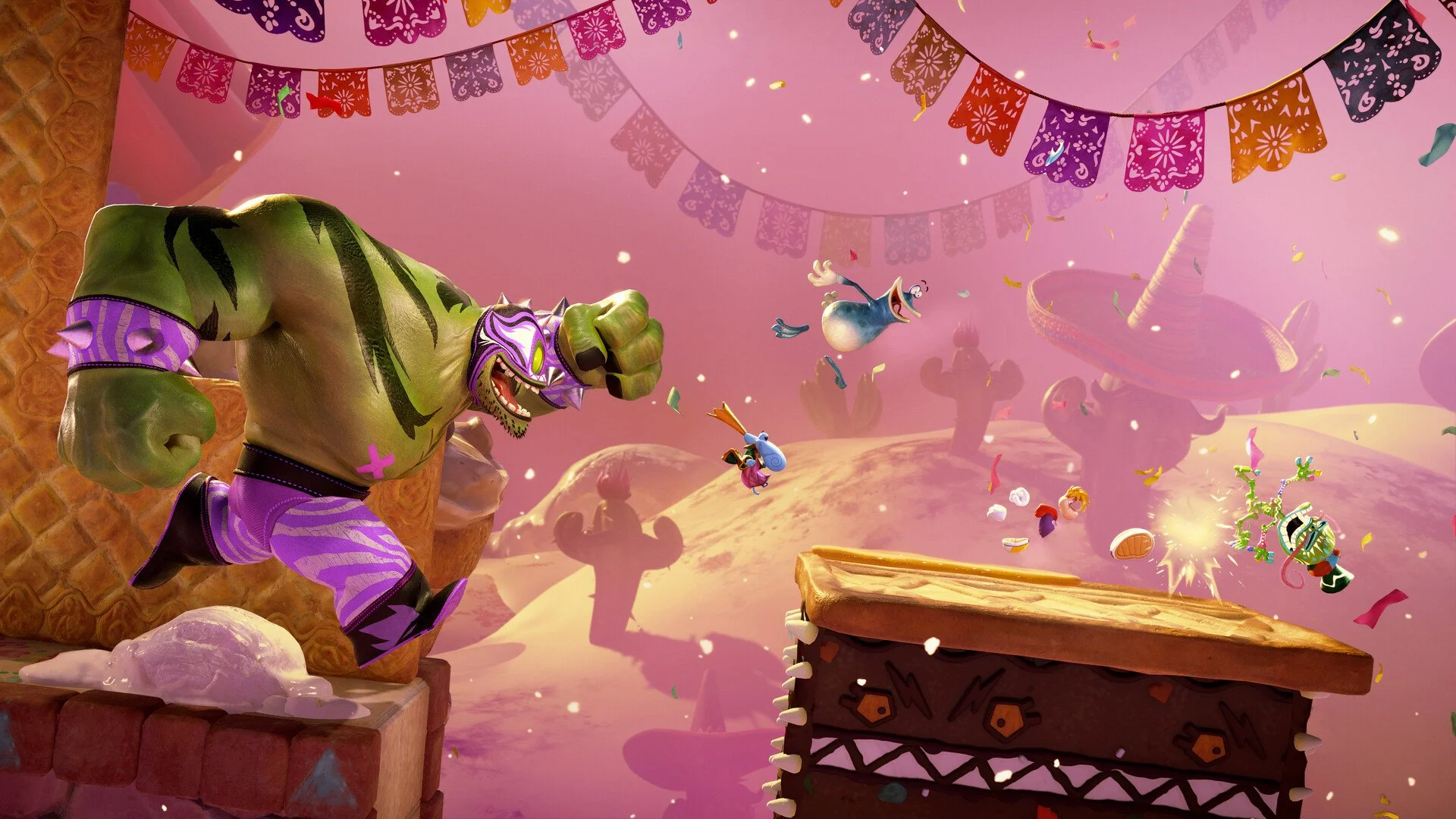
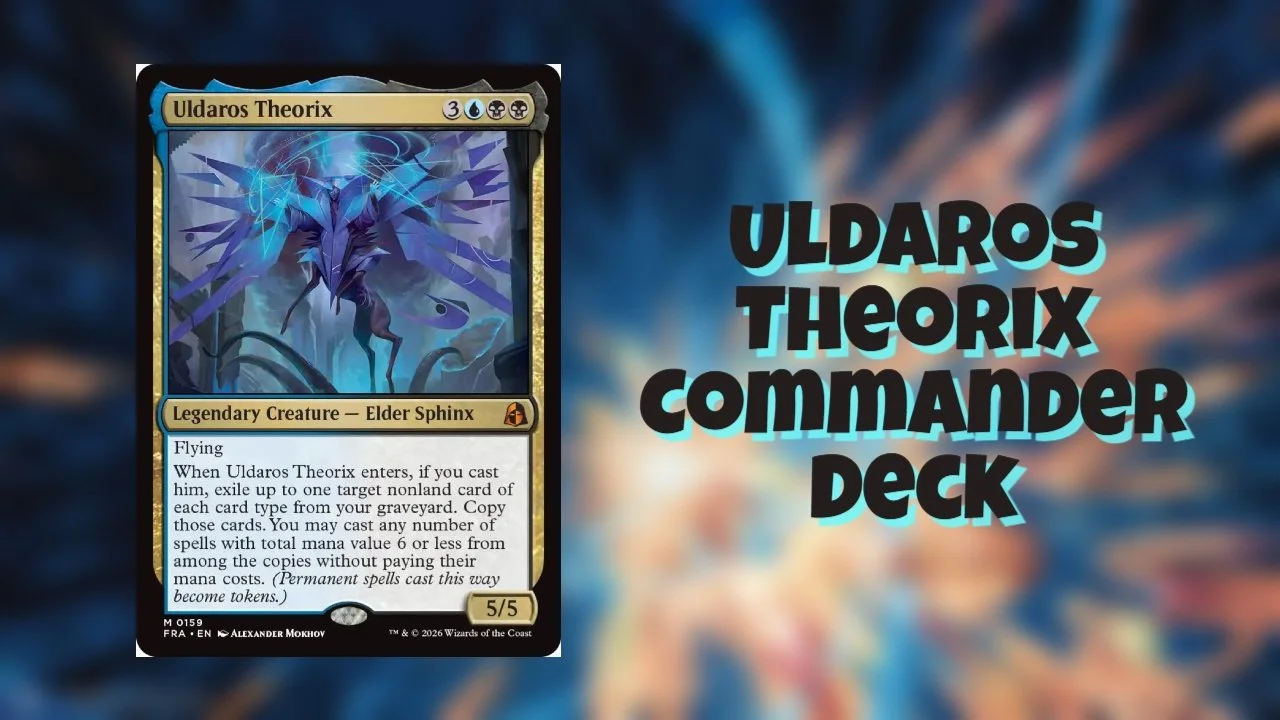
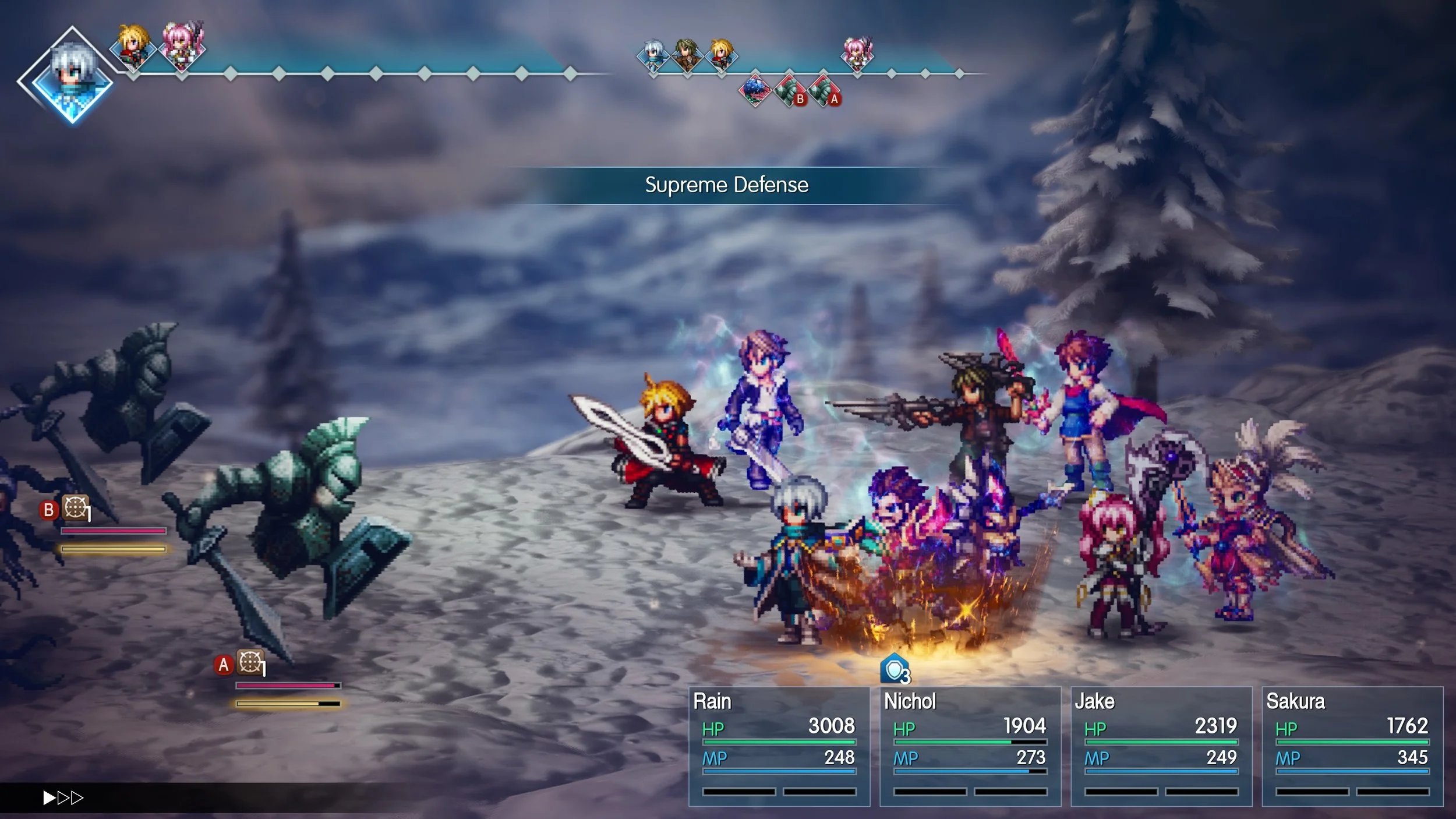
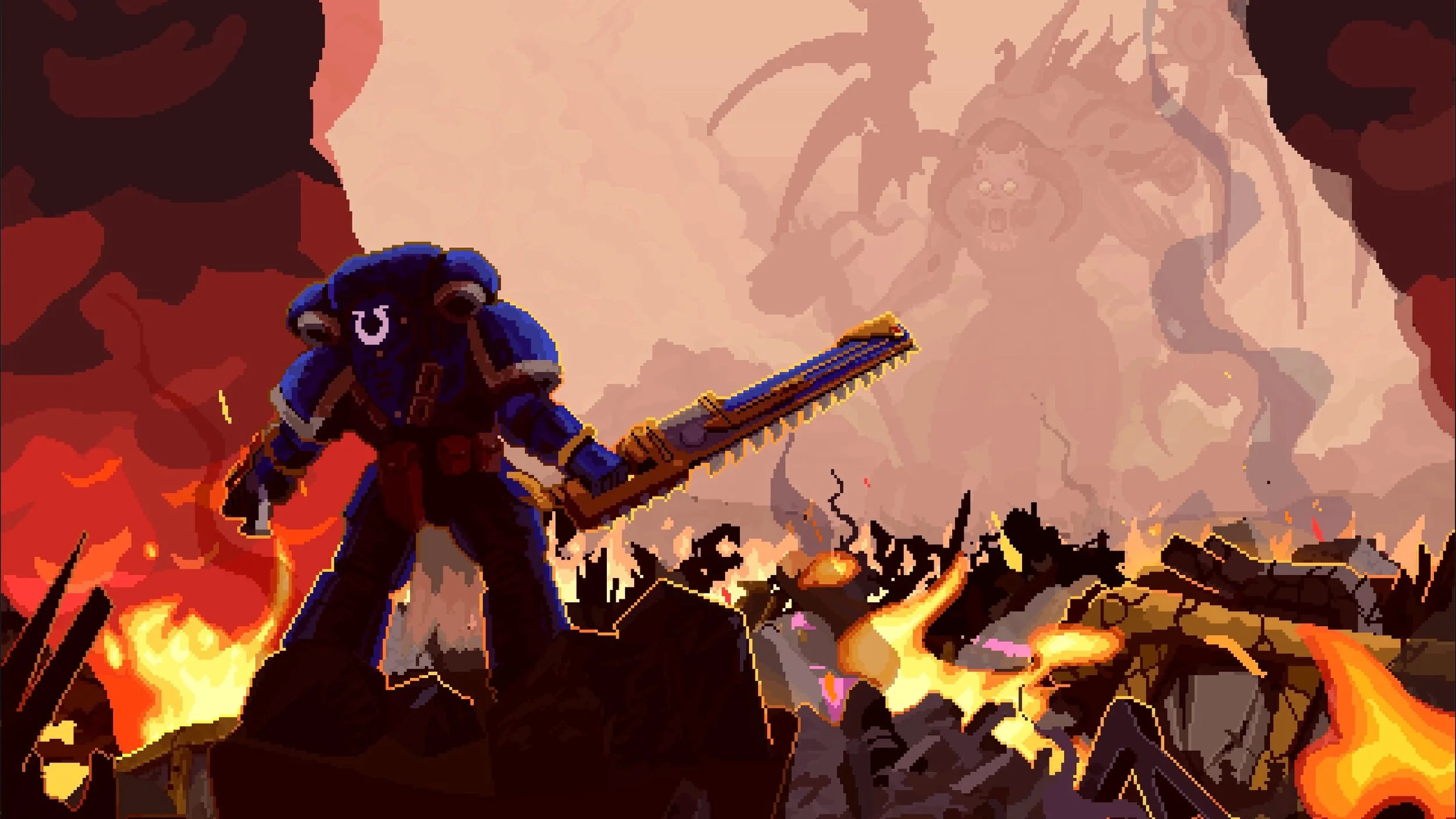
The difference between a small game and a large production is not only the size of the initial budget. It is also how many people, systems, platforms, updates, and revenue expectations the project has to carry. The examples below show why game budgets are better understood as production scale, not just as one headline number.
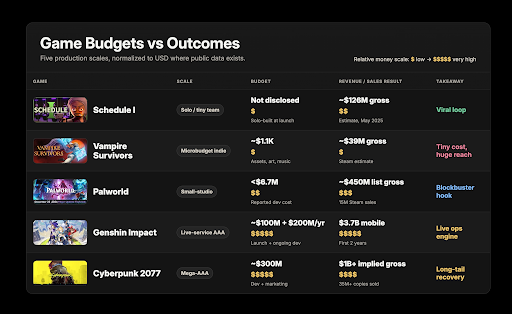
The important lesson is not that a bigger budget always produces a bigger result. Some low-budget games break out because their core loop is clear and shareable. Large productions, on the other hand, usually need bigger teams, longer timelines, platform support, content pipelines, marketing, and post-launch operations. That is why the same question - how much does it cost to make a video game - can lead to answers that range from a few thousand dollars to hundreds of millions.
Budget Sources And Hidden Costs
Production categories
A useful estimate separates the work by discipline before assigning a total number. The Game Developer budgeting guide shows this clearly by breaking a sample budget into programming, art, sound, QA, engine licensing, software, hardware, management, legal, office costs, and contingency. That structure is more useful than a single blended development number because it shows where the money actually goes.
Marketing and publishing spend
Many published development-cost figures do not include marketing. Game Developer's cost analysis calls this out as a reason public budget numbers can be misleading. For a real plan, marketing and publishing should stay visible beside development, QA, tools, and post-launch support rather than appearing only after the build is finished.
How To Build A Real Estimate
Step 1: define the smallest complete version
Write down the version of the game that still feels worth releasing. This is not the smallest prototype. It is the smallest complete product. It should include the core loop, enough content to prove value, UI that players understand, stable performance, save data, audio, store assets, and a realistic launch plan.
Step 2: count production units
Turn the design into countable units:
Levels
Characters
Enemies
Props
Weapons
UI screens
Animations
VFX
Music tracks
Sound effects
Dialogue lines
Tutorials
Platform builds
Test passes
If one category is unclear, the estimate is not ready. A budget built on undefined content will drift.
Step 3: map each unit to a discipline
A single enemy may need design, concept art, modeling, rigging, animation, VFX, audio, AI, UI feedback, balancing, optimization, and QA. Assigning each unit to the disciplines involved prevents the budget from treating production as one person finishing one task.
Step 4: add revision and testing time
Games are iterative. Features change after playtests. Art needs feedback. Controls need tuning. Bugs appear when systems meet. Build review time into the estimate instead of treating every change as an emergency.
Ways To Reduce Game Development Cost
Cut scope before production
The cheapest feature to remove is the one that never enters production. Cut modes, mechanics, biomes, enemies, and platforms before the team starts building final assets around them.
Prototype before final art
A prototype protects the art budget. If the core loop fails, final characters and environments will not rescue it. Test the player experience first, then commission polished assets around the proven version.
Reuse systems with intention
Reusable rigs, modular environments, shared UI patterns, common VFX templates, and clear naming rules reduce waste. Reuse should support consistency and speed, not make the game feel generic.
Budget for polish
Players notice input delay, unreadable UI, uneven difficulty, weak onboarding, long loading, repeated content, and poor performance. Polish is not decoration. It is the difference between a build that exists and a game people trust with their time.
Final Budget Checklist
Before choosing a number, answer these questions:
What is the smallest complete release?
How many months does each discipline need?
Which features are required for launch?
Which features can move to post-launch?
How many original assets are required?
Which platforms are included in the first release?
What backend services are required?
What is the QA plan?
What is the launch marketing plan?
Who supports the game after launch?
So, how much does it cost to make a video game? A small game can cost very little if the scope is narrow and labor is internal. A serious indie or mobile project can move into six figures. AA and AAA productions can reach millions or tens of millions. The useful answer comes from a scoped estimate, not a universal average.