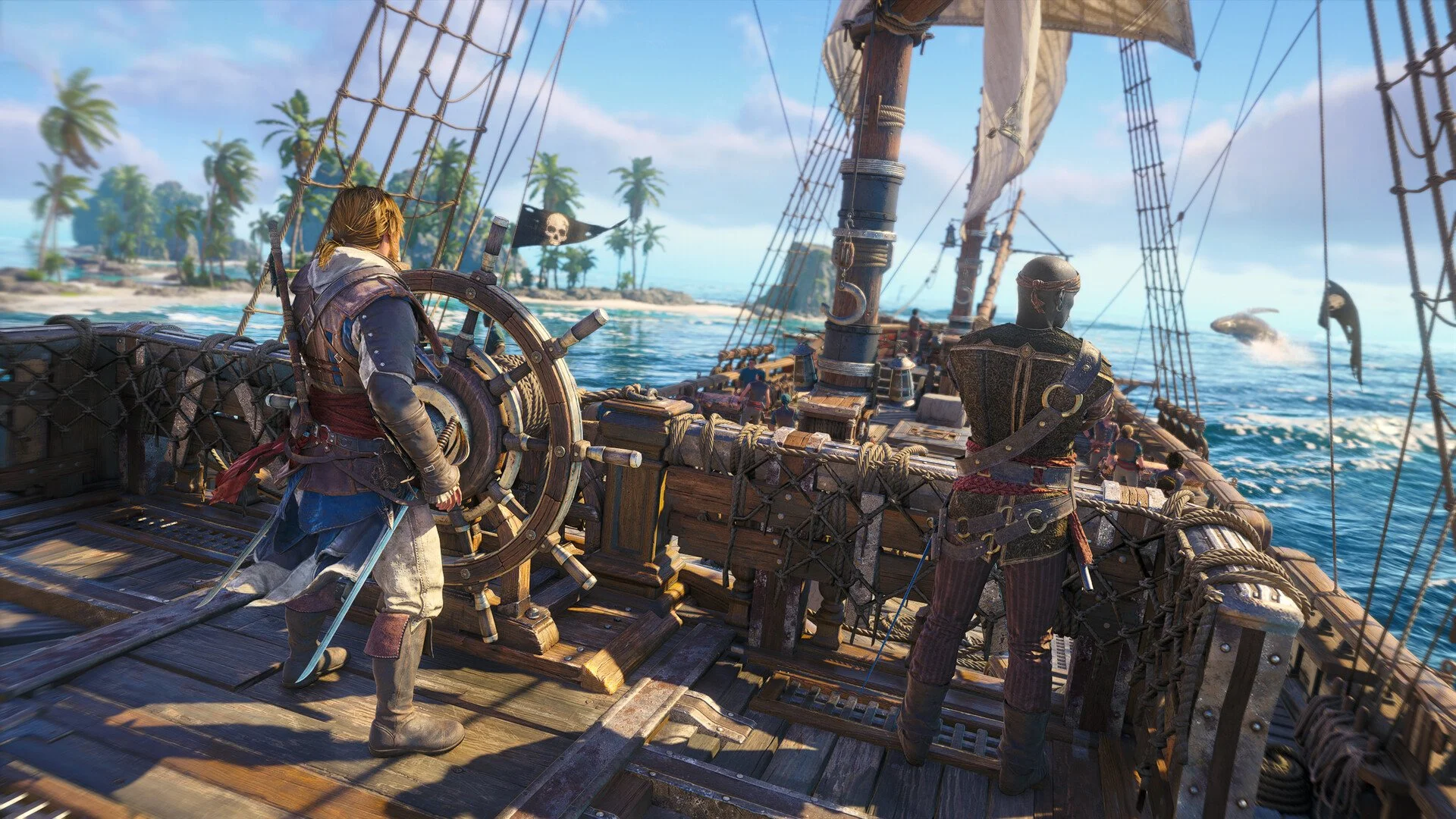
Naval wargames hold a category of their own within the strategy genre. Where land-based simulations focus on terrain and troop movement, naval titles introduce an entirely different set of pressures: open water, restricted visibility, and the unforgiving physics of maritime combat.
Fuel consumption, weather patterns, supply lines, and fleet coordination all demand attention at once. That layered complexity is precisely what keeps serious strategy players coming back.
The Core Elements That Set Naval Wargames Apart
The ocean is not a neutral backdrop. It is an active variable. Currents, detection ranges, and visibility conditions shape every decision a player makes, often before a single shot is fired.
Those who explore strategic naval wargames online tend to find that preparation matters far more than in-the-moment reflexes. Fleet positioning, supply planning, and role assignment all happen before combat begins, and they determine outcomes more reliably than any tactical adjustment made mid-battle. That front-loaded strategic weight is one of the clearest distinctions between naval titles and most other strategy games.
Fleet Composition and Role Specialization
Every vessel type serves a defined purpose. Destroyers screen against submarines, carriers extend air reach, and cruisers provide anti-air protection. Effective fleet-building requires understanding how these roles interact under pressure. A fleet that looks impressive on paper will quickly collapse if its composition is unbalanced.
Logistics and Range Constraints
Ships need fuel, ammunition, and maintenance at regular intervals. Players who treat logistics as secondary eventually find their fleets stranded or operationally degraded. Managing supply chains adds a planning dimension that few other genres replicate with the same weight. Each sortie must be justified against what the fleet can actually sustain.
Why the Genre Rewards Deep Strategic Thinking
Speed is rarely the deciding factor in naval strategy. The players who perform consistently well are those who study threat vectors, anticipate enemy positioning, and coordinate multiple task forces without losing cohesion. That kind of thinking cannot be improvised.
The Role of Intelligence and Fog of War
Historically, naval commanders made critical decisions with incomplete information, and good wargame design reflects that reality. Players are regularly forced to act without confirmed intelligence on enemy positions. Committing a fleet prematurely carries serious consequences. That uncertainty is not a design flaw; it is the point.
Long-Range Coordination Challenges
Naval engagements unfold across distances that land-based battles rarely approach. Synchronizing surface groups, submarine patrols, and air cover, all without the ability to react instantly, requires a much longer planning horizon. The margin for miscommunication is narrow, and the cost of it is high.
Historical Accuracy as a Design Foundation
Many titles in this genre draw directly from documented naval doctrine, historical engagements, and verified technical data. Designers work with real tonnage figures, weapon ranges, sensor specifications, and formation tactics. That commitment to accuracy gives the genre a credibility that abstract strategy games often lack.
Players absorb the differences between convoy escort doctrine and open-sea fleet tactics. They come to understand why specific ship classes dominated certain eras and how shifts in technology reshaped strategic priorities. The historical content embedded in the gameplay functions as genuine education, not just background flavor.
The Complexity of Multi-Domain Operations
Surface combat is only one dimension of modern naval simulation. Submarines operate below, aircraft patrol above, and shore-based systems influence anything near a coastline. Holding all three domains in mind simultaneously requires a genuinely layered approach to planning.
Submarine Warfare as a Distinct Discipline
Submarine operations reward patience above almost everything else. Detection typically means destruction, which makes stealth the primary currency. Many players find this dimension to be the most psychologically demanding aspect of naval strategy, where restraint and timing are more important than raw firepower.
Carrier Operations and Air Power Integration
Running a carrier strike group introduces its planning requirements. Launch windows, aircraft range, and recovery timing all need to align precisely. A carrier left without fighter protection becomes a vulnerability rather than an asset, and correcting that mistake mid-operation is rarely straightforward.
Why the Learning Curve Matters
The entry barrier in naval wargames is real, and it is intentional. Players who commit to understanding the mechanics, historical doctrine, and fleet theory find a genre that rewards genuine expertise. Mastery is not handed over gradually through tutorial systems; it is built through study and repeated failure.
These games do not soften the subject to attract a broader audience. They hold the standard and expect players to meet it.
Conclusion
Naval wargames earn their reputation as one of the most demanding corners of the strategy genre. Logistics management, multi-domain coordination, historical grounding, and persistent information gaps combine to create an experience built for players who value depth over accessibility. For those willing to put in the work, the payoff is a form of strategic engagement that few other genres can match.